
Breakfast & Brunch
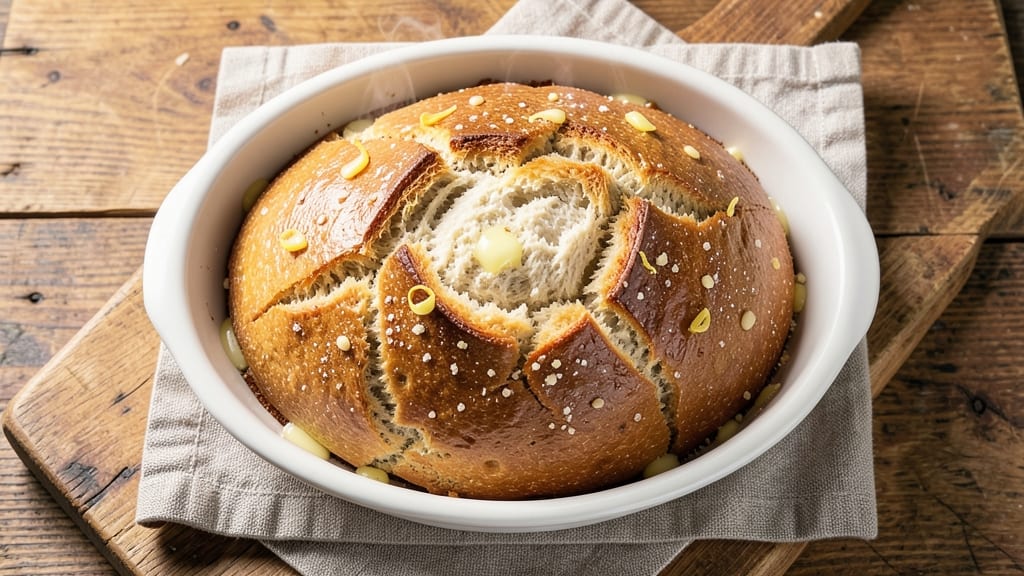
Adding an egg to your bread machine recipe transforms ordinary loaves into moist, tender masterpieces that stay fresh for days. The egg’s proteins and fats create a lighter crumb and richer flavor—something store-bought bread can’t match.
This simple adjustment requires just one tweak to your usual formula, but the difference in texture is dramatic.
Eggs work by binding moisture and fat into the dough, which prevents dryness and extends shelf life. For a standard bread machine recipe, replace ¼ cup of water with 1 large egg, adjusting the flour slightly if needed.
The dough will be slightly stickier, but the extra richness makes it worth it—especially for sandwich bread or dinner rolls.
What you’ll end up with is a loaf that’s softer, more flavorful, and less prone to staling. The egg also helps the bread brown beautifully, giving it a golden crust that’s irresistible.
This method works for most bread types, from classic white to whole wheat, but avoid it for gluten-free or very high-hydration doughs.
If your dough seems too wet, reduce the egg to ½ of a large egg or add 1 tablespoon extra flour. Overmixing can happen when eggs alter the dough’s consistency, so let the machine handle the kneading—it knows best.
The result? A loaf that feels like a bakery secret, made with just one simple addition.
Ingredients for adding egg to bread machine
One egg plus a few pantry staples—transform your basic bread machine loaf into bakery-worthy perfection.
| Ingredient | Amount | Notes |
|---|---|---|
| Large Eggs 🥚 | 1 whole | Room temperature preferred |
| All-Purpose Flour 🌾 | 3 cups | Plus 1 tbsp extra if needed |
| Active Dry Yeast 🍞 | ¼ tsp | Or 1 packet instant yeast |
| Granulated Sugar 🍯 | ¼ cup | Or honey for deeper flavor |
| Unsalted Butter 🧈 | ¼ cup | Melted, full-fat preferred |
| Warm Water 💧 | 1 cup | 110°F for optimal yeast activation |
| Salt 🧂 | ½ tsp | Diamond Crystal preferred |
| Milk 🥛 | ¼ cup | Whole milk for extra richness |
| Honey 🍯 | 1 tbsp | Optional for sweetness |
The egg is the game-changer here. Room-temperature eggs blend better, so take them out 30 minutes before mixing. For the flour, King Arthur or Gold Medal brands yield the best texture—avoid pre-sifted. The yeast? Check the expiration date—old yeast won’t activate properly. Warm water is key: too hot kills yeast, too cold slows it down. I always test mine with my pinky finger—should feel like bathwater. Butter adds richness, but Earth Balance vegan butter works too if you prefer dairy-free.
No eggs? ¼ cup unsweetened applesauce mimics moisture but lacks richness. Substituting milk? Almond milk works but may make the crust drier. Honey optional but recommended—it feeds the yeast and adds subtle sweetness. For whole wheat bread, reduce the egg to ½ of a large egg since whole wheat absorbs more moisture. The dough will be stickier than usual, but resist the urge to add extra flour—trust the machine to handle it. If your dough seems too wet after mixing, add that extra tablespoon of flour during kneading.
This loaf stays fresh for 5-7 days at room temperature, thanks to the egg’s moisture-binding properties. For longer storage, wrap tightly in plastic and freeze for up to 3 months. Thaw overnight at room temperature. The crust browns beautifully and stays crisp for about 2 hours after baking. For extra shine, brush the warm loaf with melted butter mixed with a splash of milk. Leftovers? Toast them—they’ll taste even better the next day.
Why You'll Love This Recipe
- No-Knead Magic: That bread machine? It’s basically my sous chef. Toss in the egg, flour, yeast, and a touch of sugar—no punching, no fuss—and it does all the work. I’m talking set it and forget it while I handle dinner or binge my favorite show.
- Buttery Rich Crust: Between us, that egg makes all the difference. The butter melts into the dough just right, giving you a crust so golden and crispy it’ll have your whole family reaching for seconds. (Yes, even on a Tuesday night.)
- Weeknight Wonder: This isn’t just bread—it’s my go-to for sandwiches, toast, or even French toast. Make a big batch on Sunday, and you’ve got breakfast, lunch, or a quick snack covered all week. Honestly, I’ve never been more grateful for a simple loaf.
- Budget-Friendly Staple: Flour, yeast, sugar, butter, and eggs? That’s about as basic as it gets, and it stretches further than store-bought. Freeze extras for when you’re in a pinch, or split the cost with a neighbor—this recipe’s a lifesaver when money’s tight.
Step-by-step instructions for egg-enriched bread machine loaf
Here's how to transform your basic bread machine dough into a tender, moist loaf with perfect texture.
Prepare the Egg for Maximum Moisture
Crack the 1 whole large egg into a small bowl and whisk it vigorously until the yolk and white are fully combined. This step ensures even distribution of moisture throughout the dough. I like to let the egg sit at room temperature for 10 minutes before using it—this prevents the dough from becoming too cold when it's added later.
For best results, use an egg that's been separated from the shell for 5-10 minutes before mixing. The slight warmth helps the yeast activate more efficiently. If your egg is cold straight from the fridge, give it a quick warm bath in 110°F water for 2 minutes to bring it to room temperature without cooking it.
Combine Wet Ingredients in the Bread Machine Pan
In the bread machine pan, combine the 1 cup warm water, 1 tbsp honey, ¼ cup granulated sugar, ¼ cup melted unsalted butter, ½ tsp salt, and ¼ cup milk. Mix these ingredients thoroughly with a wooden spoon until the sugar and salt dissolve completely. This pre-mix ensures the yeast activates evenly when we add it later.
Here's the thing—adding the egg directly to dry ingredients can create pockets of wetness that don't incorporate properly. By combining everything wet first, we create a uniform base that will absorb the egg more evenly when we add it in the next step. The melted butter should be completely cool but still liquid—if it solidifies, warm it gently until just melted again.
Add Yeast and Incorporate the Egg
Sprinkle the ¼ tsp active dry yeast over the wet mixture in the pan. Let it sit for 3-5 minutes until it begins to foam slightly—this confirms the yeast is active. Then, gently pour the whisked egg over the yeast mixture and stir with a silicone spatula just until combined.
Don't overmix at this stage. We're looking for a shaggy, slightly sticky dough that comes together when you press it. The egg will add richness and moisture, but too much mixing develops gluten too early, which can make the final bread dense. If the dough seems too thick, add 1 tablespoon of the warm water from your recipe to help it come together.
Add Dry Ingredients and Mix in the Machine
Add the 3 cups all-purpose flour to the bread machine pan and select the "dough" setting. The machine will mix everything together for you, but I like to give it a 30-second head start before closing the lid completely. This allows the initial mixing to begin while I make sure all the flour is properly incorporated.
Watch through the window as the dough comes together. You'll see it go from a loose mixture to a shaggy mass that eventually pulls away from the sides of the pan. The dough should be soft and slightly tacky to the touch—this indicates proper hydration from the egg and milk. If it looks too dry, add 1 more tablespoon of warm water through the machine's hole and let it mix for another 30 seconds before continuing.
Let the Dough Rise and Bake to Perfection
Once the dough has mixed thoroughly (usually 3-5 minutes on the dough setting), remove it from the machine and shape it into a smooth ball. Place it back in the pan and select your bread machine's "basic white bread" setting with a 3-pound loaf weight. The egg will give your bread extra richness and moisture, so I recommend using the longer bake time if your machine offers options.
During baking, the egg will contribute to a tender crumb and a slightly denser texture compared to regular bread machine bread. The loaf should have a deep golden brown crust and sound hollow when tapped on the bottom. Let it cool on a wire rack for at least 1 hour before slicing—this allows the moisture from the egg to fully distribute, preventing a gummy texture in the final product.
Pro Tips For Making Adding Egg To Bread Machine
- MEASURE EGGS BY WEIGHT: I learned this the hard way—using volume for eggs in a bread machine leads to inconsistent results. Weigh your eggs (about 50g each for large) instead of eyeballing them. The bread machine’s kneading will vary if the egg-to-flour ratio isn’t precise.
- SOFTEN BUTTER FIRST: Cold butter gets chopped into the dough instead of emulsifying properly. Microwave it for 10–15 seconds until just pliable (it should dent when pressed, not melt). This ensures the yeast stays active while the butter integrates smoothly—no greasy lumps or underdeveloped gluten.
- ADD YEAST LAST: Mix the yeast with sugar and warm water right before adding it to the bread machine pan. If you combine it early, the yeast can overproof or die while waiting. The machine’s kneading will distribute it evenly, but timing matters—wait until the flour’s in the pan to activate it.
- USE A LITTLE MILK: Skip the water in the recipe’s liquid step and replace it with ¼ cup whole milk instead. The extra fat and protein in milk tenderize the dough slightly, making the bread richer and less likely to dry out during baking. (Yes, even if you’re impatient like me—it’s worth the extra 30 seconds.)
Pro cooking tips for great adding egg to bread machine
Egg Role Explained
The egg in your bread machine loaf serves three key purposes: moisture retention, fat enrichment, and protein structure. The egg's yolk contains emulsifiers that bind water and fat, preventing dryness.
The protein in the white adds elasticity, creating a softer crumb and better sliceability. This is why egg-enriched bread stays fresh longer—it resists staling by locking in moisture. 🥚
Dough Consistency Fixes
If your dough feels too sticky after adding the egg, reduce the egg to ½ of a large egg or add 1 tablespoon extra flour. For whole wheat bread, use only ½ egg—whole wheat absorbs more moisture.
I’ve found that King Arthur all-purpose flour handles egg additions best due to its high protein content. Always let the dough rest in the machine for 1-2 minutes after mixing to let gluten relax before shaping.
Baking Adjustments
Select the "basic white bread" setting with a 3-pound loaf weight—the egg’s extra moisture means your bread will weigh more. For a golden crust, brush the baked loaf with melted butter mixed with 1 teaspoon milk while still warm.
Avoid the "quick bread" setting, as it lacks the kneading time needed to properly incorporate the egg’s fat. The internal temperature should reach 190°F for perfect doneness.
Troubleshooting Tips
Dense bread? You likely overmixed the dough. The egg’s fat needs gentle handling—let the machine do the work. Gummy texture? Your loaf cooled too fast. Always let it rest on a wire rack for at least 1 hour before slicing. Pale crust? Increase bake time by 5-10 minutes or brush with egg wash (1 egg yolk + 1 tbsp water) before baking. 🔥
Flavor Enhancements
Boost your egg-enriched bread with 1 teaspoon vanilla extract or 1 tablespoon honey for deeper flavor. For savory bread, add 1 tablespoon olive oil instead of butter. I love adding 1 teaspoon poppy seeds or 1 chopped garlic clove to the dough for extra character.
The egg’s richness pairs perfectly with these additions, making every slice more exciting.
Storage Secrets
Wrap cooled bread in plastic wrap and store at room temperature for 5-7 days. For longer storage, freeze slices in a ziplock bag for up to 3 months. To reheat, wrap slices in foil and warm in a 350°F oven for 5 minutes—this restores freshness without drying.
The egg’s moisture makes this bread ideal for toasting or French toast the next day. ✨
Nutrition facts
Frequently asked questions
Why does adding egg make bread machine bread softer?
The egg's yolk contains natural emulsifiers that bind moisture and fat, creating a tender crumb while preventing dryness. The protein in the white also adds elasticity, making slices stay fresh longer. This is why egg-enriched bread feels bakery-style—it resists staling better than regular loaves.
Can I use egg whites instead of whole eggs?
Yes, but you'll lose some richness. Replace 1 whole egg with 2 large egg whites plus 1 teaspoon melted butter to mimic the fat content. The texture will be slightly lighter but still improved over no egg. For best results, use room-temperature whites to prevent dough cooling.
What if my dough gets too sticky with the egg?
Add 1 tablespoon extra flour during mixing or reduce the egg to ½ of a large egg. Whole wheat bread needs even less—use just ½ egg. The bread machine will handle the extra stickiness, but avoid overmixing. If needed, add 1 teaspoon vital wheat gluten for better structure.
Does egg-enriched bread bake differently?
Yes! Select the 3-pound loaf setting (the egg adds weight) and increase bake time by 5-10 minutes for a golden crust. The dough may rise slower due to fat content, so monitor progress. For extra browning, brush the baked loaf with egg wash (1 yolk + 1 tbsp water) before the final 10 minutes of baking.
Can I make this bread without eggs?
For a similar effect, substitute ¼ cup unsweetened applesauce or 2 tablespoons olive oil. These add moisture but lack the protein structure eggs provide. The bread will be slightly denser but still improved over no enrichment. For a dairy-free option, use ¼ cup melted coconut oil instead of butter.