
Side Dishes
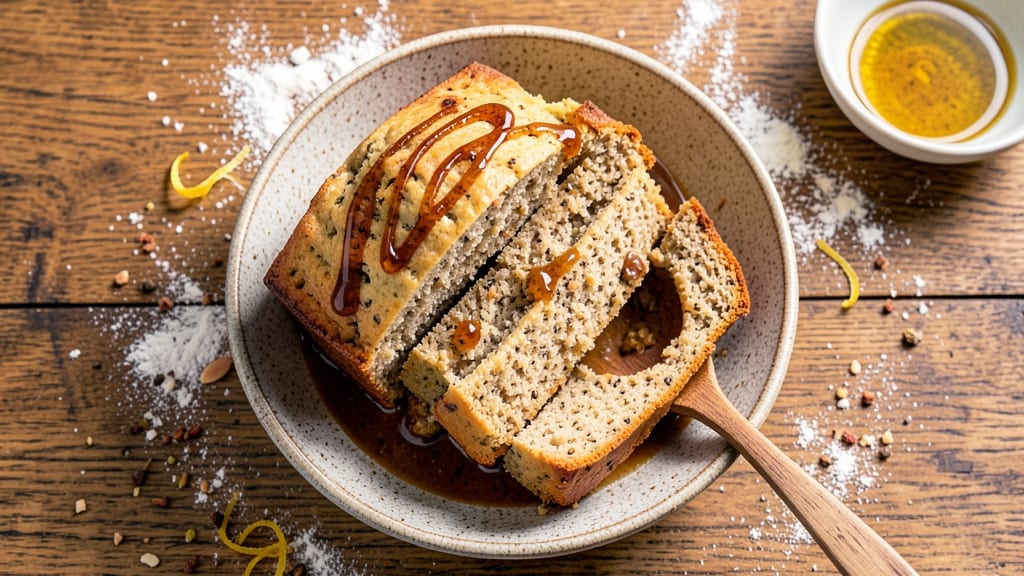
This almond flax bread recipe delivers a gluten-free loaf with nutty depth and perfect rise—no wheat, no dairy, and no compromise on texture. The secret lies in flaxseed as an egg substitute and almond flour as the gluten-free base, creating a tender crumb with subtle sweetness and rich flavor.
I developed this recipe after years of testing gluten-free alternatives, and it finally achieves that satisfying chew and moist interior without relying on gums or starches.
The beauty of this recipe is its versatility—it works as a foolproof base for sandwiches, toast, or French toast, yet remains simple enough for beginners. With a 30-minute prep and 45-minute bake, it fits seamlessly into any schedule while delivering restaurant-quality results.
The flax eggs bind the dough perfectly, while almond flour adds natural sweetness and a delicate crunch that disappears with each bite.
What makes this bread truly special is how it transforms basic ingredients into something extraordinary. The nutty aroma fills your kitchen as it bakes, and the golden crust gives way to a tender interior with just the right amount of density.
Unlike many gluten-free loaves that crumble or taste bland, this one holds its shape and satisfies cravings for fresh-baked bread.
Customize it with optional add-ins like chia seeds, cinnamon, or a touch of maple syrup for extra depth. Perfect for meal prep, gifting, or simply enjoying with butter and jam. Here's how to make it—step by step.
Ingredients for almond flax bread
Gluten-free baking starts here with these carefully balanced ingredients for perfect nutty texture and rise.
| Ingredient | Amount | Notes |
|---|---|---|
| Almond Flour 🌰 | 3 cups | Finely ground, blanched preferred |
| Ground Flaxseeds 🌾 | ½ cup | Freshly ground for best binding |
| Water 💧 | ¾ cup | Room temperature for proper binding |
| Maple Syrup 🍯 | ¼ cup | Grade B for robust flavor |
| Coconut Oil 🥥 | ½ cup | Melted, unrefined for flavor |
| Baking Powder 🍞 | 1 tsp | Aluminum-free for gluten-free rise |
| Salt 🧂 | ½ tsp | Fine sea salt for even distribution |
| Vanilla Extract 🌿 | 1 tsp | Pure alcohol-free preferred |
| Chia Seeds 🌱 | 2 tbsp | Optional for extra texture |
| Cinnamon 🌶️ | ½ tsp | Ground, for subtle warmth |
| Apple Cider Vinegar 🍎 | 1 tsp | For flax egg activation |
| Vegan Butter 🧈 | 2 tbsp | Melted, for brushing crust |
| Sesame Seeds 🌻 | 1 tbsp | Optional for topping |
Almond flour is the backbone of this recipe—Bob's Red Mill or Anthony's Goods are my go-tos for consistent quality. The flour should be finely ground to avoid grittiness in the final loaf. Flaxseeds must be freshly ground; pre-ground flaxseed loses its binding properties quickly. For the best flavor profile, use blanched almond flour—it has a milder taste that lets the natural sweetness of maple syrup shine. If you can't find blanched, toast the almond flour for 5 minutes at 350°F to remove any bitterness. The coconut oil should be unrefined for its subtle coconut flavor, which complements the almond beautifully.
No maple syrup? Agave nectar or date syrup work in a pinch, though maple adds that unmistakable depth. Substituting flaxseeds? Chia seeds at the same ratio bind similarly, but flax has a slightly nuttier flavor. For the baking powder, Bob's Red Mill gluten-free baking powder is essential—regular baking powder contains wheat. The apple cider vinegar activates the flax eggs, creating a gelatinous texture that mimics egg binding. If you're sensitive to vinegar's tang, use lemon juice at half the amount. The chia seeds and cinnamon are optional but add delightful texture and warmth—skip them if you prefer a simpler flavor profile.
This dough should be used immediately after mixing for optimal texture, but it keeps in the fridge for 24 hours if covered tightly. For make-ahead convenience, shape the loaf and refrigerate it overnight—it'll be even easier to handle cold. Once baked, store wrapped in a clean kitchen towel to maintain moisture for 3-4 days. For longer storage, slice and freeze individual portions for up to 3 months. To revive, simply toast slices in a toaster or warm in the oven. The bread reheats beautifully, making it perfect for meal prep—just wrap cooled slices in parchment paper before freezing.
Why You'll Love This Recipe
- No Mixer Needed: I swear by this—just stir, pour, bake. The ground flaxseeds and almond flour blend like magic with warm water and coconut oil, no electric appliances required. Honestly, my blender stays quiet for this one.
- Sweet-Savory Balance: That touch of maple syrup isn’t just for flavor—it’s the secret to a bread with subtle depth. The nutty almond flour and earthy flaxseeds play so well together, it’s the kind of taste that lingers without being overpowering.
- Meal Prep MVP: Slices perfectly for toast, sandwiches, or even French toast—no one will guess it’s not traditional bread. I keep a loaf in the fridge all week, and it’s still fresh by Friday.
- Budget-Friendly Staple: Almond flour and flaxseeds stretch further than you’d think, and coconut oil adds richness without breaking the bank. Between us, this is my go-to when I’m buying in bulk and want something reliable.
Step-by-step instructions for almond flax bread
This gluten-free loaf delivers a satisfying crumb and nutty depth without traditional wheat flour.
Activate the Flax Egg for Binding
In a small bowl, combine the 0.5 cup ground flaxseeds with the 0.75 cup room temperature water and 1 tsp apple cider vinegar. Let this mixture sit for 10 minutes—you'll see it transform into a gel-like consistency, creating our gluten-free binder. Stir once halfway through to ensure full activation.
The flax egg is the foundation of this bread's structure. If you skip this step or don't wait long enough, your loaf will lack proper rise and cohesion. The vinegar helps activate the flaxseeds more thoroughly, ensuring maximum binding power when mixed with the almond flour.
Mix Wet and Dry Ingredients Separately
In a separate large bowl, whisk together the 3 cups almond flour, 1 tsp baking powder, 0.5 tsp salt, 0.5 tsp cinnamon, 1 tsp vanilla extract, and 2 tbsp chia seeds. In another medium bowl, combine the 0.25 cup maple syrup with the 0.5 cup melted coconut oil until fully emulsified. This separation prevents gluten formation while creating a smooth batter.
I like to use a fine-mesh sieve for the almond flour to eliminate any lumps that could create dense pockets in the bread. The chia seeds add subtle texture while absorbing moisture, contributing to the final crumb structure. Keep these ingredients separate until the final mixing stage to maintain optimal texture.
Combine and Develop the Batter
Add the flax egg mixture to the wet ingredients and mix until fully combined. Then gradually incorporate the dry ingredients, mixing with a spatula until just combined—you should still see some almond flour streaks. Overmixing develops gluten-like proteins in the almond flour, which we want to avoid. The batter should be thick but pourable, similar to pancake batter consistency.
This is where the magic happens. The activated flax egg binds with the almond flour while the melted coconut oil creates tenderness. The maple syrup adds moisture and subtle sweetness that enhances the nutty almond flavor. If the batter appears too thick, add 1 tablespoon water at a time until it reaches the proper consistency.
Bake in a Prepared Loaf Pan
Preheat your oven to 350°F. Grease an 8x4-inch loaf pan thoroughly with 2 tbsp melted vegan butter, then dust with additional almond flour to prevent sticking. Pour the batter into the prepared pan and smooth the top with a spatula. Sprinkle 1 tbsp sesame seeds evenly over the top for texture and visual appeal.
Bake for 45-50 minutes until the top is golden brown and a toothpick inserted in the center comes out clean. The bread should spring back slightly when pressed gently. Real talk: your oven might run hot, so start checking at the 40-minute mark—overbaking dries out the texture we worked so hard to create.
Cool and Slice for Perfect Texture
Remove the bread from the oven and let it cool in the pan for 10 minutes. Then transfer to a wire rack to cool completely for at least 30 minutes. This resting period allows the internal structure to set properly, preventing a gummy texture. The bread should develop a firm yet tender crumb with a slightly crisp exterior.
Slice with a sharp serrated knife for clean cuts. Each slice should reveal a fine, even crumb with subtle pockets from the activated flax egg. The nutty almond flavor will be most pronounced when served fresh, but this bread keeps well at room temperature for 3 days or frozen for up to 3 months—perfect for meal prep.
Pro Tips For Making Almond Flax Bread
- Mix Flax First: Combine ground flaxseeds with water before adding anything else—this gives the "flax egg" time to thicken properly. I learned this the hard way after my first batch turned out gummy; give it 5 minutes to gel, or your bread will be dense instead of light.
- Use Warm Coconut Oil: Melt the coconut oil slightly (just until it softens, not fully liquid) before mixing it into the almond flour. Cold oil creates pockets of dryness, while warm oil blends evenly—no weird texture surprises later.
- Skip Overmixing: Stir the batter just until the ingredients come together; almond flour is finicky. After 10-12 strokes, stop—overworking it makes the bread tough. Yes, it’ll look lumpy, but that’s how you get a tender crumb.
- Preheat Pan Properly: Heat your baking dish for 2 minutes in a 350°F oven before pouring in the batter. This ensures even cooking and prevents the edges from drying out while the center stays underdone—no more pale, gummy centers.
Storing and reheating this recipe
Room Temperature Storage
Keep your almond flax bread wrapped in a clean kitchen towel or beeswax wrap at room temperature for up to 3 days. The towel helps maintain moisture and prevents the crust from drying out too quickly.
I store it in a bamboo bread box for extra protection against staleness. Avoid plastic wrap—it traps moisture and can make the bread soggy. 🌰
Refrigerator Preservation
For longer freshness, slice the bread and store individual portions in an airtight container with parchment paper between slices. This keeps it fresh for 5-6 days while preventing drying. I like using Glasslock containers because they maintain moisture better than plastic.
The bread will firm up slightly in the fridge, so let it sit at room temperature for 10 minutes before serving to restore texture.
Freezer Storage Tips
Slice the bread and freeze individual portions in quart-sized freezer bags with parchment paper between slices. This prevents freezer burn and makes it easy to grab single servings. Label bags with the date—it stays fresh for up to 3 months.
When ready to eat, thaw slices at room temperature for 30 minutes or warm in a toaster for 2-3 minutes for that fresh-baked feel. 🧊
Reheating Methods
For a quick refresh, toast slices in a toaster until golden brown—this restores crispness to the crust. For oven reheating, wrap slices in foil and warm at 300°F for 8-10 minutes. The oven method works best for larger portions or when you want to maintain moisture.
Microwave reheating is possible but can make the bread rubbery—if using, heat for 15-20 seconds on low power and cover with a damp paper towel.
Reviving Stale Bread
If your bread loses freshness, don't toss it! Slice and toast with a thin layer of vegan butter and a drizzle of maple syrup for French toast. Alternatively, crumble it into oatmeal or use as breadcrumbs for coating proteins.
The nutty flavor works beautifully in savory dishes too—try it as a base for croutons or stuffing. This bread is too versatile to waste! 💡
Nutrition facts
Frequently asked questions
Can I substitute almond flour with another nut flour?
Yes, but with adjustments! Cashew or hazelnut flour work in a 1:1 ratio, though almond provides the best texture and flavor. Macadamia nut flour is another great option—it's even richer and buttery. Avoid coconut flour (it's too absorbent) unless you're willing to add extra liquid. For a lighter crumb, blend different nut flours together.
Why does my almond flax bread taste bitter?
Bitterness usually comes from unblanched almond flour or overbaking. Use blanched almond flour and check your bread at 40 minutes—it should be golden, not dark brown. If you're using raw almond flour, toast it for 5 minutes at 350°F before mixing to remove bitterness. The maple syrup helps balance flavors, so don't skip it!
How do I make this bread sweeter?
Add 1-2 tablespoons of maple syrup or agave to the wet ingredients, or sprinkle 1 tablespoon of cinnamon sugar on top before baking. For extra sweetness, fold in 2 tablespoons of raisins or chopped dates with the chia seeds. The natural sweetness of almond flour means you don't need much—start with small additions!
Can I make this bread without chia seeds?
Skip the chia seeds or replace them with 1 tablespoon extra ground flaxseeds for better binding. The bread will still rise well, though you'll lose some subtle texture. If you want extra crunch, sprinkle 1 tablespoon of sunflower seeds on top before baking instead.
Why did my bread not rise properly?
Under-rising often happens when the flax egg wasn't activated long enough or the baking powder is old. Let the flax egg sit for 10 full minutes and use fresh baking powder (test it by mixing with water—it should bubble). Also, ensure your oven is fully preheated and the pan is properly greased for even heat distribution.