
Side Dishes
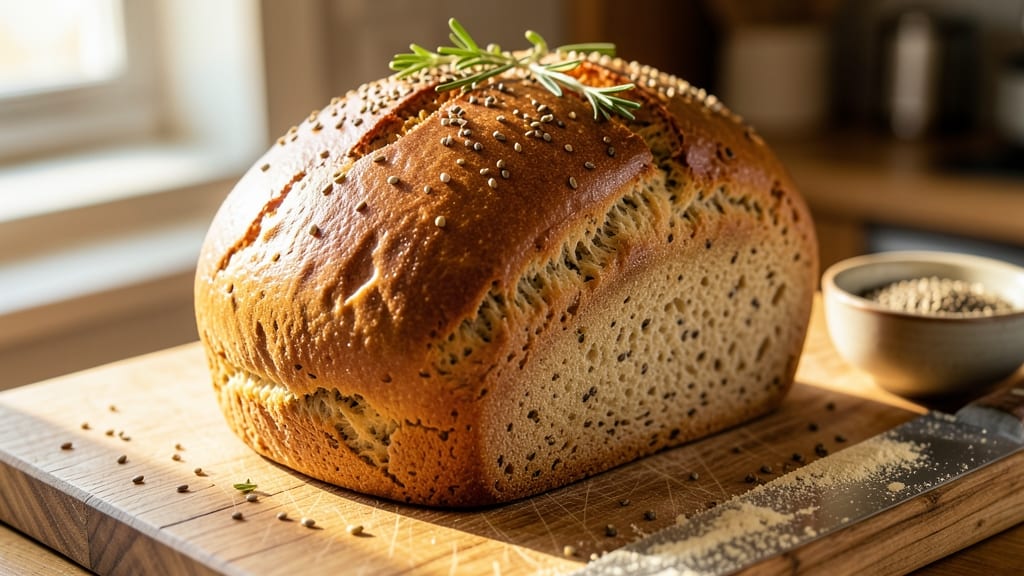
This gluten-free almond flour and flaxseed bread delivers a surprisingly moist, seed-packed loaf that rivals traditional bread—without a single grain or egg. The secret lies in flaxseed's binding magic and almond flour's rich texture, creating a crust with satisfying density while keeping the interior tender and hydrated.
I developed this recipe after years of struggling with dry gluten-free bread, and the difference is night-and-day.
The foundation starts with properly hydrated flaxseed "eggs"—ground flax mixed with water creates a gel that mimics egg's binding properties while adding fiber and omega-3s. Almond flour provides structure and a nutty depth, but the real texture breakthrough comes from strategic hydration techniques: letting the dough rest for 20 minutes before baking ensures even moisture distribution.
This isn't just another dense gluten-free brick—it's a bread that holds toast perfectly and absorbs spreads without crumbling.
What you'll end up with is a gluten-free loaf that's golden-brown on the outside with a crumb so moist it stays fresh for days. The flaxseeds add subtle nuttiness and a satisfying bite, while the almond flour delivers that familiar bread-like satisfaction.
Each slice delivers plant-based protein and fiber, making it a nutritional upgrade over conventional bread. The crust develops a satisfying crispness that contrasts beautifully with the tender interior.
This recipe works beautifully as a side for soups and stews, as toast for breakfast, or even as the base for gluten-free French toast. The flavor profile is neutral enough to complement any meal while still standing up to strong flavors like jam or avocado.
Let's get started—your gluten-free bread game just got an upgrade.
Ingredients for almond flour and flaxseed bread
Almond flour and flaxseed create a gluten-free loaf with satisfying density and seed-packed moisture.
| Ingredient | Amount | Notes |
|---|---|---|
| Almond Flour 🌰 | 3 cups | Finely ground, unsweetened preferred |
| Ground Flaxseeds 🌾 | ½ cup | Freshly ground for optimal binding |
| Water 💧 | ½ cup | For flaxseed gel preparation |
| Tapioca Starch 🌾 | ¼ cup | Enhances gluten-free structure |
| Psyllium Husk Powder 🌿 | 1 ½ tbsp | Ensures proper texture and rise |
| Baking Powder 🍞 | 1 ½ tsp | Aluminum-free for best results |
| Salt 🧂 | ½ tsp | Diamond Crystal preferred |
| Apple Cider Vinegar 🍎 | 1 tbsp | Activates baking powder |
| Extra-Virgin Olive Oil 🫒 | ¼ cup | For moisture and richness |
| Whole Flaxseeds 🌾 | ¼ cup | For texture and nutrition |
| Sesame Seeds 🌰 | 2 tbsp | Optional for added crunch |
| Maple Syrup 🍁 | 2 tbsp | Natural sweetener for depth |
| Cold Water 💧 | ¼ cup | For dough hydration |
The almond flour is the backbone of this recipe, and Bob's Red Mill brand delivers the finest grind for optimal texture. Look for finely ground almond flour in the baking aisle—coarse flour will yield a denser crumb. Whole Foods or King Arthur Flour carry high-quality options, but any reputable brand will work. The flaxseeds must be freshly ground to maximize their binding properties; a dedicated spice grinder or clean coffee grinder works best. Pre-ground flaxseeds lose potency quickly, so grind them just before mixing. For the psyllium husk, Now Foods offers an excellent powdered version that dissolves seamlessly into the batter.
No almond flour? Coconut flour at half the amount plus extra liquid can substitute, but texture will differ. Substituting tapioca starch? Arrowroot powder works equally well—just ensure it's gluten-free certified. The flaxseed gel requires precise measurement: 1 part ground flax to 3 parts water, mixed thoroughly and rested for 5 minutes to thicken properly. For added nutrition, consider chia seeds at half the amount of whole flaxseeds, though texture may vary slightly. The sesame seeds are optional but add a delightful crunch; toast them lightly before sprinkling for enhanced flavor.
This dough requires a 20-minute rest before baking to ensure even hydration and proper gluten-free structure development. Store the almond flour in an airtight container in a cool, dark place for up to 3 months, while ground flaxseeds should be refrigerated to maintain freshness. The baked loaf stays fresh for 4-5 days when wrapped in a clean kitchen towel inside an airtight bag. For longer storage, slice and freeze individual portions—they reheat beautifully in a toaster or oven for up to 3 months. The crust develops best when cooled completely on a wire rack.
Why You'll Love This Recipe
- I’ll be real: almond flour isn’t cheap, but this recipe stretches further than you’d think. The flaxseeds and psyllium bulk it up, so one loaf lasts me way longer than store-bought. Plus, it’s cheaper than buying gluten-free bread at the store—especially if you already have pantry staples.
- No Mixer Needed: I swear by this recipe because it’s actually mix-free. Just fold the almond flour, ground flaxseeds, and psyllium husk powder with water—no kneading, no waiting for dough to rise. The tapioca starch binds it all together like magic, and honestly? My hands stay clean.
- Nutty, Warm Comfort: That first bite of toasted almond flavor with a subtle flaxseed richness? It’s like a hug in bread form. The psyllium husk gives it just enough chew, while the tapioca keeps it from drying out—perfect for people who miss the heartiness of regular bread but want something lighter.
- Weeknight Sandwich Hero: Between us, this is my go-to for quick lunches. It holds up to avocado, smoked salmon, or even peanut butter without falling apart. I make a loaf on Sundays, slice it, and freeze portions—no sad, soggy sandwiches here.
Step-by-step instructions for almond flour and flaxseed bread
Here's the method for a gluten-free loaf with perfect seed-packed texture and moisture.
👨🍳 Step 1: Prepare the Flaxseed Gel and Mix Dry Ingredients
In a small bowl, combine the 0.5 cup water with the 0.5 cup ground flaxseeds and let it sit for 5 minutes until it thickens into a gel-like consistency. This is your binding agent that replaces gluten in traditional bread. In a separate large bowl, whisk together the 3 cups almond flour, 0.25 cup tapioca starch, 1.5 tbsp psyllium husk powder, 1.5 tsp baking powder, and 0.5 tsp salt.
The psyllium husk powder is crucial here—it expands when hydrated, creating that light, airy texture you'd expect in bread. Don't skip sifting the almond flour if it's not finely ground; this prevents dense pockets in your final loaf. Keep these dry ingredients ready for the next step.
👨🍳 Step 2: Combine Wet Ingredients with the Dry Base
To the dry mixture, add the flaxseed gel, 0.25 cup extra-virgin olive oil, 1 tbsp apple cider vinegar, and 2 tbsp maple syrup. Mix using a silicone spatula until just combined—you should still see some dry spots. Overmixing develops gluten-like properties in the almond flour, which we want to avoid.
Next, fold in the 0.25 cup whole flaxseeds and 2 tbsp sesame seeds by hand. These seeds add texture and nutrition while keeping the bread moist. The dough will be thick and sticky, similar to wet sand. This is completely normal—it's not a traditional dough but will behave differently when baked.
🥘 Step 3: Shape and Prepare for Baking
Transfer the dough to a parchment-lined loaf pan and press it down firmly with your hands, making sure to fill all corners. The dough should reach about 1 inch below the top of the pan. Sprinkle the top with an additional 1 tbsp sesame seeds for extra crunch and visual appeal.
Cover the pan loosely with plastic wrap and let the dough rest at room temperature for 30 minutes. This resting period allows the psyllium husk to fully hydrate and expand, which is essential for achieving that proper bread-like structure. Preheat your oven to 350°F during this time.
🔥 Step 4: Bake Until Golden and Internal Temp Reaches 200°F
Bake the bread for 45-50 minutes until the top is golden brown and a toothpick inserted into the center comes out clean. The bread will rise slightly during baking, but it won't have the dramatic expansion of traditional bread. You're aiming for a dense yet moist crumb with a crisp exterior.
Here's the thing about gluten-free baking—it requires precise timing. If the top browns too quickly, tent the pan with foil after 25 minutes to prevent over-browning. The internal temperature is your best guide; 200°F ensures it's fully baked without drying out.
⏰ Step 5: Cool and Slice for Maximum Moisture Retention
Remove the bread from the oven and let it cool in the pan for 10 minutes before transferring to a wire rack. This gradual cooling prevents cracking and helps set the structure. The bread will continue to firm up as it cools, but it should remain moist and tender.
Slice the bread while still slightly warm for the cleanest cuts and best texture. Store any leftovers in an airtight container at room temperature for up to 3 days, or freeze for longer storage. This bread holds up well to toasting—just brush with olive oil before toasting for extra crispiness.
Pro Tips For Making Almond Flour And Flaxseed Bread
- STIR THE FLAXSEED MIX FIRST: Mix the ground flaxseeds with warm water before adding anything else—this lets the psyllium husk powder fully hydrate and bind the dough properly. I used to add it last, and the bread always ended up dense and gummy.
- USE A SCALE FOR FLOUR: Almond flour is deceptive—scooping leads to uneven batches. Weigh it instead: 240 grams for a standard loaf. That’s the only way to guarantee the right texture without guessing.
- DON’T OVERMIX THE DOUGH: Stop folding the wet ingredients into the dry as soon as they just combine—overworking it turns the crumb into a sad, tough brick. Two or three gentle turns is all it takes.
- BAKE UNTIL 200°F INSIDE: The bread’s done when the internal temp hits 200°F, not when it looks golden. Almond flour bread stalls midway, so check with a thermometer—trust the number, not your eyes.
Perfect pairings for this almond flour and flaxseed bread
Breakfast Pairings
This bread shines as a base for vegan French toast—slice it thick, dip in a mixture of 2 eggs (or flax eggs), ¼ cup almond milk, 1 tsp vanilla, and 1 tsp cinnamon, then pan-fry in coconut oil until golden.
Top with maple syrup and fresh berries for a protein-packed morning. For a savory start, toast slices and spread with almond butter and sliced banana or avocado mash—the seeds add satisfying texture. 🍌
Soup and Stew Companions
Pair this bread with lentil soup or minestrone for a hearty, gluten-free meal. Its sturdy crust holds up to brothy soups without falling apart, while the moist interior soaks up flavors beautifully. For a lighter option, serve with tomato basil soup and a drizzle of balsamic glaze.
The bread’s neutral flavor lets the soup shine while providing a satisfying bite. I love it with roasted vegetable soup—the seeds add a nice contrast to creamy purées. 🥘
Sandwich and Wrap Ideas
Use this bread for gluten-free grilled cheese—layer with vegan cheddar and tomato slices, then grill in a pan with butter or olive oil until crispy. For sandwiches, try hummus and cucumber, peanut butter and jelly, or smoked salmon with cream cheese (for non-vegan versions).
The bread’s structure holds fillings well, making it perfect for vegan charcuterie boards with spreads, olives, and pickles. 🥪
Dessert and Snack Pairings
Dip warm slices into dark chocolate melted with a splash of almond milk for a decadent treat. For a sweet twist, spread with nutella and top with sliced strawberries. The bread’s subtle nuttiness pairs well with whipped coconut cream and a sprinkle of cinnamon.
Save leftovers for gluten-free toast points—brush with olive oil, sprinkle with parmesan, and bake until crispy for a crunchy snack. 🍫
Beverage Pairings
Complement this bread with chai tea or matcha latte—the warmth balances the bread’s natural nuttiness. For coffee lovers, a cold brew with a splash of oat milk enhances the seed-packed texture.
Sparkling apple cider or ginger beer offers a refreshing contrast, while red wine like Pinot Noir pairs beautifully with savory versions. The bread’s versatility makes it a perfect match for almost any drink. 🍷
Nutrition facts
Frequently asked questions
Why does my almond flour bread turn out dense instead of light?
Almond flour bread often becomes dense when overmixed or underhydrated. The key is to mix just until combined and ensure proper hydration with the 0.25 cup cold water and 30-minute rest. The psyllium husk needs time to expand—don't skip this step! Also, avoid pressing too hard when shaping the dough in the pan.
Can I substitute almond flour with another gluten-free flour?
Yes, but texture will change. For a 1:1 swap, use coconut flour but add 2 extra tablespoons of liquid per 1 cup since it absorbs more moisture. For a lighter result, blend half almond flour with half cassava flour. Avoid rice flour—it yields a gummy texture. Always let the dough rest to compensate for different absorption rates.
How do I make this bread sweeter or more flavorful?
Add 1-2 teaspoons of vanilla extract or 1 tablespoon of cinnamon to the wet ingredients for warmth. For extra sweetness, increase maple syrup to 3 tablespoons or add 1 mashed banana to the batter. For savory versions, swap maple syrup for 1 tablespoon olive oil + 1 teaspoon garlic powder and sprinkle everything bagel seasoning on top before baking.
Why does my bread crack on top when baking?
Cracking usually happens from rapid heat exposure or insufficient hydration. Preheat your oven fully (350°F) and ensure the dough rests for the full 30 minutes before baking. For extra protection, tent with foil after 20 minutes if the top browns too quickly. A light brush of olive oil on the pan before adding dough also helps create a smoother crust.
Can I make this bread in a different pan shape?
This recipe works equally well in round cake pans, muffin tins, or mini loaf pans. For muffins, reduce baking time to 18-20 minutes and fill tins halfway. For larger pans, increase baking time by 5-10 minutes—use the 200°F internal temperature as your guide. Line all pans with parchment paper for easy removal and even baking.