
Side Dishes
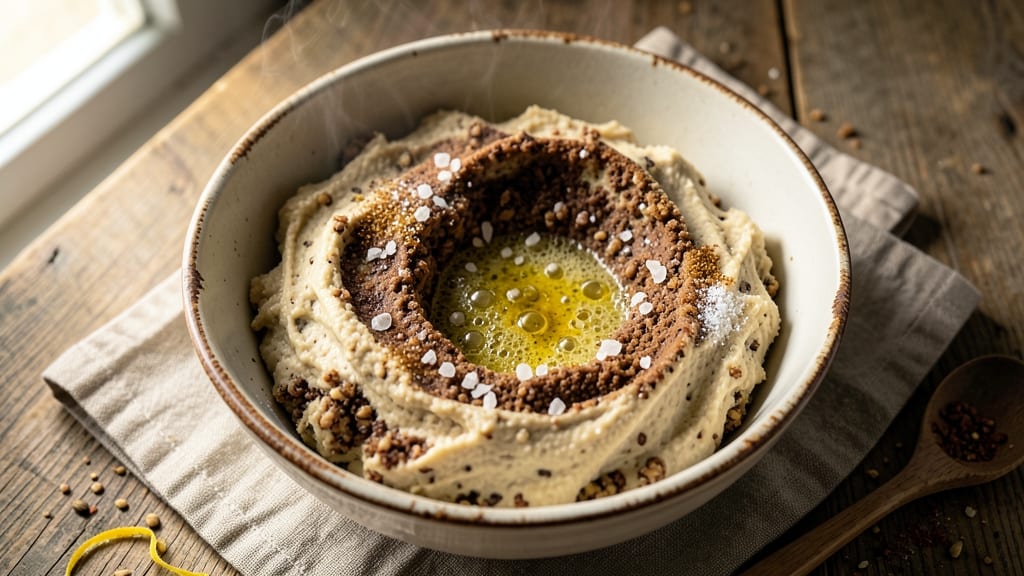
This 50/50 whole wheat bread recipe delivers the perfect balance of hearty texture and nutty flavor without sacrificing softness—no-knead magic that transforms your kitchen into an artisanal bakery.
The secret lies in blending equal parts whole wheat and all-purpose flour, creating a loaf with a crispy crust and tender crumb that bakes up golden and fragrant. I developed this method after years of testing, ensuring even home bakers achieve bakery-quality results with minimal effort.
The beauty of this recipe is its versatility—whether you're using a no-knead method for simplicity or adapting it to a bread machine for convenience, the outcome remains consistently delicious.
Whole wheat flour adds fiber and nutrients while maintaining a familiar bread texture, and the addition of yeast and warm water kickstarts fermentation for that classic bread aroma. Proofing times are flexible, giving you control over the final rise and flavor development.
What you'll end up with is a crusty yet tender loaf with a satisfying crunch and a soft interior that's perfect for sandwiches, toast, or simply enjoying with butter.
The 50/50 ratio ensures the bread stays light and easy to digest, avoiding the dense texture often associated with 100% whole wheat loaves. Every slice is infused with a subtle nutty depth that makes it irresistible.
Optional additions like seeds, herbs, or garlic can customize the loaf to your taste, while the foolproof instructions ensure success even for beginners. Ready in just 2-3 hours from start to finish, this bread is the perfect way to elevate any meal. Let's get baking!
Ingredients for 50 50 whole wheat bread
Equal parts flour, yeast, and patience create bakery-quality bread in just hours.
| Ingredient | Amount | Notes |
|---|---|---|
| All-Purpose Flour 🌾 | 2 cups | King Arthur or Gold Medal preferred |
| Whole Wheat Flour 🌾 | 2 cups | White whole wheat for lighter texture |
| Active Dry Yeast 🍞 | ¼ oz | Or 2 1/4 tsp, ensure freshness |
| Granulated Sugar 🍚 | ½ tsp | Enhances yeast activation |
| Salt 🧂 | 1 ½ tsp | Diamond Crystal kosher salt |
| Warm Water 💧 | 1 ¼ cups | 105-110°F, not boiling |
| Extra-Virgin Olive Oil 🫒 | 2 tbsp | For dough elasticity |
| Honey 🍯 | 1 tbsp | Optional for subtle sweetness |
| Sesame Seeds 🌰 | 1 tbsp | For topping (optional) |
| Cornmeal 🌽 | ½ cup | For dusting baking sheet |
| Ice Water ❄️ | ¼ cup | For final dough adjustment |
| Garlic Powder 🧄 | ½ tsp | Optional flavor enhancer |
The flours are the foundation—King Arthur all-purpose and white whole wheat blend perfectly for that tender yet hearty texture. Bulk bins at Whole Foods or Bob's Red Mill offer the best quality, but any high-protein flour works. Yeast is non-negotiable here—check the expiration date (it's good for 3-4 months in the fridge). For the water, 105-110°F is ideal—too hot kills the yeast, too cold slows fermentation. I always keep a thermometer in my kitchen for this exact reason. The honey adds subtle sweetness that balances the nutty whole wheat, but omit it if you prefer a more neutral flavor.
No whole wheat flour? Substitute with spelt flour at the same ratio—it's lighter than regular whole wheat. Out of olive oil? Avocado oil or melted coconut oil works just as well. The sesame seeds are optional but add that artisanal touch—Trader Joe's sells them pre-toasted for convenience. For the garlic powder, McCormick is my go-to brand, but any pure garlic powder will do. If you're using a bread machine, simply combine all ingredients except the cornmeal and seeds in the pan—most machines have a whole wheat setting that handles the 50/50 ratio beautifully. For the no-knead method, the ice water is your secret weapon—it prevents overproofing when the kitchen gets warm.
This dough keeps for 24 hours in the fridge before shaping—perfect for overnight prep. Once shaped, cover tightly with plastic wrap and let it proof at room temperature for 1-2 hours before baking. For long-term storage, freeze the baked loaf (sliced or whole) for up to 3 months. I always wrap mine in foil first, then place in a freezer bag. Toasting is key for reviving stale bread—pop slices in a 375°F oven for 5 minutes to restore that bakery-fresh crunch. The crust develops best with steam, so spray the oven walls with water when you load it.
Why You'll Love This Recipe
- No-Fuss Mix-In: I swear by this 50/50 ratio—just two flours, no fancy swaps. The whole wheat adds heartiness without that dense, heavy texture you dread, and the all-purpose keeps it light. Honestly, I measure once, dump twice, and forget about it until it’s golden.
- Golden Crust Secret: That little sugar boost in the dough? It caramelizes into a crispy crust that’s almost too pretty to eat. Between us, the first slice out of the pan is my favorite part—warm, slightly sweet, with a chew that’s just right.
- Meal Prep MVP: I bake a loaf on Sundays, and it lasts me all week for sandwiches, toast, or even croutons. The whole wheat keeps it satisfying, but the texture stays fresh longer than that store-bought stuff. (Yes, even on a Tuesday night.)
- Pantry Staple Power: Five ingredients—yeast, sugar, salt, and two flours—and you’ve got bread that’s cheaper than buying loaves. I double the recipe when I spot whole wheat flour on sale, freeze half, and thank myself later. Budget-friendly and nutritious? That’s my kind of win.
Step-by-step instructions for 50/50 whole wheat bread
This no-knead method transforms simple ingredients into artisanal-style loaves with a crisp crust and airy crumb.
Activate the Yeast and Mix the Dough
In a large bowl, combine the 1.25 cups warm water with the 0.5 tsp granulated sugar and 0.25 oz active dry yeast. Let this sit for 5-10 minutes until frothy—this confirms your yeast is alive and ready to work. If it doesn't bubble, start fresh with fresh yeast.
In a separate bowl, whisk together the 2 cups all-purpose flour, 2 cups whole wheat flour, 1.5 tsp salt, and 0.5 tsp garlic powder. This dry blend prevents gluten overdevelopment during mixing. Pour the yeast mixture into the dry ingredients along with the 2 tbsp extra-virgin olive oil and 1 tbsp honey. Stir vigorously with a wooden spoon until a shaggy dough forms—it'll look messy, but that's perfect for our no-knead approach.
Develop the Dough Overnight
Cover the bowl with a damp kitchen towel or plastic wrap and let it rest at room temperature for 12-16 hours. This slow fermentation builds complex flavors and creates that signature open crumb structure. I place mine in a slightly warm spot (like near the oven with the light on) to encourage gentle activity.
After resting, the dough should have risen noticeably and look puffy. If it hasn't risen much, it may need another hour or two—whole wheat dough takes longer to develop. Poke the dough with your finger; it should spring back slowly rather than immediately. This indicates proper fermentation without overproofing.
Shape and Final Proof
Lightly flour a surface and turn out the dough. Gently fold it over itself 3-4 times to strengthen the gluten without kneading. Shape into a loose round loaf and place it in a greased bowl. Cover again and let it proof for 1-2 hours until it's about 50% larger than its original size. The dough should feel light and springy when pressed gently.
For extra flavor, I brush the top with a little water and sprinkle 1 tbsp sesame seeds just before baking. This creates a beautiful golden crust while adding subtle nutty depth. If using, place the bowl in the fridge for 30 minutes to help the seeds adhere better.
Bake to Golden Perfection
Preheat your oven to 425°F with a baking stone or inverted baking sheet inside for 30 minutes. This creates steam for a crisp crust. Dust a baking sheet with 0.5 cup cornmeal and transfer the shaped dough onto it, seam-side up. If you skipped the sesame seeds, brush the top with water for extra browning.
Bake for 30-35 minutes until the crust is deep golden brown and sounds hollow when tapped on the bottom. For extra crunch, I spray the oven with water during the last 5 minutes of baking. Let the bread cool on a wire rack for at least 1 hour—this prevents a gummy interior and lets the crumb set properly.
Adjust with Ice Water (Optional)
If your dough feels too sticky after shaping, mix 0.25 cup ice water with 1 tsp salt and brush it over the surface before the final proof. This creates a skin that helps the bread hold its shape during baking. The ice water also adds a subtle crispness to the final texture.
For best results, slice the bread when it's still slightly warm. The interior should be tender with an open crumb structure, while the crust remains crisp enough to hold up to toast or sandwiches. Store leftovers wrapped in a bread bag at room temperature for up to 3 days or freeze for longer storage.
Pro Tips For Making 50 50 Whole Wheat Bread
- Mix the Flours First: Whole wheat flour absorbs moisture differently, so toss both flours together before adding liquids—this keeps the dough from turning into glue. I learned this after three batches that stuck to my hands like wet cement.
- Let the Yeast Bloom: Sprinkle the yeast on warm water (110°F) with sugar, then wait exactly 5 minutes before adding anything else—this guarantees it’s active. Skipping this step means your bread might rise like a sad pancake instead of a loaf.
- Don’t Over-Knead: Whole wheat dough gets tough fast, so knead just until smooth (about 8-10 minutes by hand). I used to overdo it, thinking more work = better bread, but now I stop when the dough springs back slowly.
- Use a Dutch Oven: Bake in a preheated Dutch oven for the first 20 minutes—this traps steam and gives you that crisp crust without burning the top. (Yes, even if you don’t own one, a heavy pot with a lid works in a pinch.)
Regional styles of these flavors
Southern U.S. Style
In the Southern states, this 50/50 whole wheat bread often gets a sweet molasses twist—replace the honey with 2 tbsp molasses and add ½ tsp cinnamon to the dough. Many Southern bakers also incorporate cornmeal into the dough (about ¼ cup) for that classic cornbread texture.
The result is a loaf with a caramelized crust that's perfect for serving with chili or fried chicken. 🌶️
Italian Artisanal
For an Italian-inspired version, swap the sesame seeds for coarse sea salt and black pepper flakes before baking. Add 1 tsp dried rosemary to the dough for an aromatic touch. Italians often bake this bread in a cloche or Dutch oven to trap steam, creating an ultra-crispy crust.
Serve with olive oil and balsamic vinegar for a true pane casareccio experience.
Midwest Hearty
The Midwest loves their dense, rustic loaves, so increase the whole wheat flour to 2.5 cups while reducing all-purpose to 1.5 cups. Add 1 tbsp caraway seeds for a rye-like flavor that's popular in German-American baking traditions.
Many Midwest bakers also shape this into a batard loaf for sandwiches, baking it in a loaf pan for even slices.
Pacific Northwest Adaptation
In the Pacific Northwest, where whole grains are king, this bread often includes 1 cup vital wheat gluten added to the dry ingredients. This creates a lighter texture despite the higher whole wheat content.
Add 1 tbsp flaxseeds for extra fiber and a nutty crunch. The cooler climate makes overnight fermentation even more essential—plan for 16-18 hours of cold proofing in the fridge for optimal rise.
New England Crusty
New England bakers take pride in their crusty, open-crumbed loaves, so they often bake this bread at 450°F with a steam injection method. Mix ½ cup ice water with 1 tsp salt and spray it into the oven during the first 5 minutes of baking.
The result is a shatteringly crisp crust with an airy interior. Many New Englanders also add 1 tbsp poppy seeds for a sweet-savory contrast.
Southwest Fusion
For a Southwest twist, add 1 tsp ground cumin and ½ tsp smoked paprika to the dough. Top with crushed red pepper flakes and sesame seeds** before baking. This version pairs perfectly with chili or tacos.
The spices add warmth that complements the nutty whole wheat, while the red pepper gives it a subtle kick that's characteristic of Southwestern cuisine. 🌵
Nutrition facts
Frequently asked questions
Why use a 50/50 flour blend instead of 100% whole wheat?
This ratio balances nutrition and texture—whole wheat adds fiber and nutrients, while all-purpose flour prevents a dense, heavy crumb. The 50/50 mix creates a lighter loaf with better rise and a more familiar sandwich bread texture. It's also easier to digest than 100% whole wheat while still delivering health benefits.
Can I make this bread without a bread machine?
This recipe uses a no-knead method that requires just mixing, resting, and shaping. The overnight fermentation does all the work—no machine needed. For best results, follow the 12-16 hour cold proof instructions for maximum flavor development. Even beginners get perfect results!
What if my dough doesn't rise enough?
Whole wheat dough rises slower than all-purpose—give it 1-2 extra hours if needed. Check your yeast (it should bubble in warm water), ensure your kitchen is 70-75°F, and try adding 1 tsp extra sugar to feed the yeast. If it still doesn't rise, your yeast may be old—start fresh with a new packet.
How do I store this bread to keep it fresh?
Wrap cooled bread in a bread bag or foil and store at room temperature for 3 days. For longer storage, freeze slices (separated by parchment) for up to 3 months. To revive stale bread, toast slices at 375°F for 5 minutes or warm in a 200°F oven for 10 minutes wrapped in foil.
Can I add seeds or herbs to this recipe?
Yes! Try 1 tbsp sesame seeds, sunflower seeds, or fresh rosemary for extra flavor. For seeds, sprinkle them on top before baking. For herbs, mix them into the dough (like 1 tsp dried thyme) during the initial mix. Just reduce flour by 1-2 tbsp to maintain dough consistency.