
Side Dishes
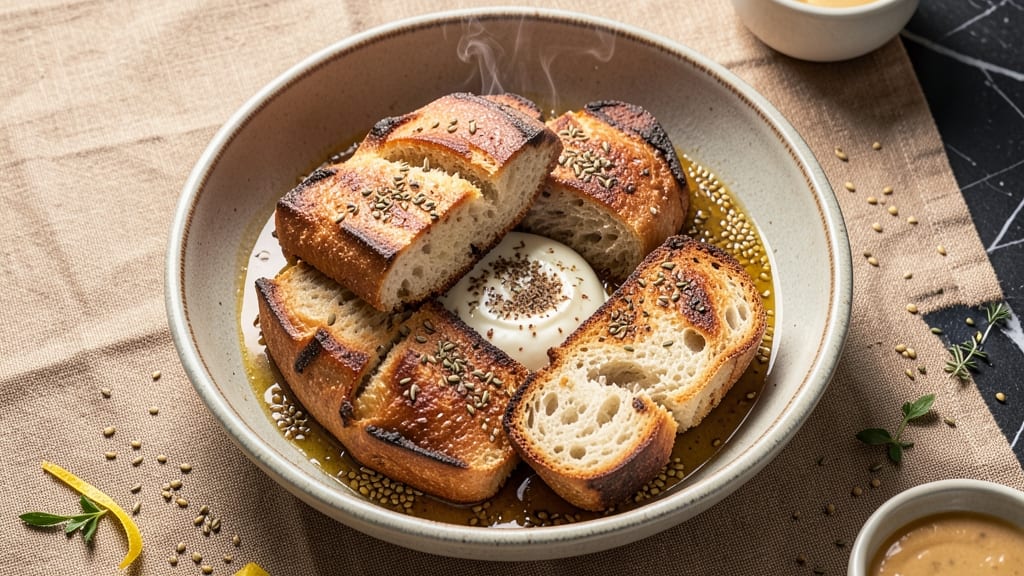
This Ayurvedic bread recipe transforms simple whole grains into a digestive powerhouse—warm spices like cumin and fennel awaken the senses while traditional fermentation boosts gut health. The result is a loaf that’s both nourishing and deeply satisfying, perfect for pairing with lentil curries or yogurt.
I developed this recipe after years of studying Ayurvedic principles, focusing on ingredients that support digestion and energy without sacrificing flavor.
The secret lies in the combination of whole grains, ghee, and carefully selected spices—each playing a role in balancing the body’s doshas. Unlike conventional bread, this version includes a natural fermentation step that enhances digestibility while creating a light, airy texture.
The spices aren’t just for taste; they’re chosen for their Ayurvedic properties, like fennel for bloating relief and ajwain for digestive comfort.
What makes this bread truly special is how it elevates everyday meals. The warm spices infuse every bite with aromatic depth, while the fermentation process ensures it’s gentle on the stomach—ideal for those with sensitive digestion.
Whether served with a hearty dal or enjoyed on its own, this loaf brings both tradition and wellness to your table.
Ready in about 2 hours (including fermentation), this recipe is designed for home bakers who want restaurant-quality results without the complexity. The key steps—proper kneading, controlled fermentation, and gentle baking—ensure a loaf that’s crisp on the outside and tender within. Let’s bake this gut-friendly masterpiece together.
Ingredients for ayurvedic bread
Transform these whole grains and Ayurvedic spices into a nourishing, gut-friendly loaf perfect for sensitive digestion.
| Ingredient | Amount | Notes |
|---|---|---|
| Whole Wheat Flour 🌾 | 2 cups | Organic preferred for better nutrition |
| Whole Spelt Flour 🌾 | 1 cup | Lightens texture, improves digestibility |
| Unsweetened Plant-Based Yogurt 🥛 | ½ cup | Coconut or almond yogurt preferred |
| Clarified Ghee 🧈 | ¼ cup | Traditional Ayurvedic fat source |
| Ground Fennel Seeds 🌿 | 1 tbsp | Freshly ground for maximum potency |
| Ground Cumin Seeds 🌿 | 1 tbsp | Toasted for deeper flavor profile |
| Ground Ajwain Seeds 🌿 | ½ tbsp | Digestive aid, essential for Ayurvedic balance |
| Sea Salt 🧂 | 1 tsp | Fine grain, unrefined preferred |
| Active Dry Yeast 🍞 | ½ tsp | Fresh yeast for optimal fermentation |
| Warm Water 💧 | 1 ¼ cups | 105°F for ideal yeast activation |
| Whole Fennel Bulb 🧅 | ½ whole | Finely grated, seeds and core removed |
| Ground Coriander Seeds 🌿 | ½ tbsp | Sweet, citrusy complement to fennel |
| Honey or Maple Syrup 🍯 | 1 tbsp | Maple preferred for vegan option |
The foundation of this bread lies in the whole grains and Ayurvedic spices, which work synergistically to support digestion while creating a light, airy texture. For the flours, Bob's Red Mill organic options are ideal—both wheat and spelt should be stone-ground for optimal nutrition. The ghee is non-negotiable; Ghee House brand offers pure, clarified butter without lactose. Fennel and ajwain seeds are available at Indian specialty markets or online retailers like Banyan Botanicals. Always buy whole seeds and grind them fresh—they lose potency quickly once pre-ground. The fennel bulb should be fresh, with a vibrant green hue and no soft spots.
No whole fennel bulb? Substitute with 1 tbsp ground fennel seeds plus 1 tsp fennel extract for similar flavor. Running low on ghee? Avocado oil or coconut oil work in a pinch, though they lack the same depth of flavor. The plant-based yogurt can be swapped for vegan yogurt from Silk or Kite Hill if needed. For the sweetener, agave nectar is another excellent option if you prefer a neutral flavor profile. The yeast must be fresh—if your packet is older than a few months, test it first in warm water with a pinch of sugar to ensure it's still active. All spices should be stored in dark glass jars away from light to preserve their potency.
This dough requires a 2-hour fermentation at room temperature, so plan accordingly. Once baked, the loaf stays fresh for 3-4 days at room temperature wrapped in a clean kitchen towel. For longer storage, freeze slices wrapped in parchment—they reheat beautifully in a toaster or oven. The spices in this bread are particularly potent, so portion any extras into small containers to maintain freshness. The fermentation process enhances digestibility, making this bread ideal for those with sensitive stomachs—just be sure to use organic ingredients whenever possible to maximize nutritional benefits.
Why You'll Love This Recipe
- No-Knead Magic: I swear by this dough—just mix, let it rest, and bake. The spelt flour gives it a light, airy texture without the fuss of kneading, and honestly? It’s the kind of recipe where I can pour my coffee and chat with someone while waiting for it to rise.
- Warm, Earthy Comfort: That ghee and fennel? Pure satisfaction. The bread has this deep, toasty flavor—like a hug from your favorite bakery, but with the subtle warmth of spices that actually wake up your taste buds. (Yes, even on a Tuesday night.)
- Breakfast to Dinner: Here’s what sold me—this bread works everywhere. Toast it for breakfast with jam, stuff it with veggies for a hearty lunch, or serve it with soups when it’s cold. My kids grab it for school lunches, and I still want a slice.
- Budget Bakery Trick: Between us, this is my secret weapon for stretching groceries. Whole grains keep it filling, the yogurt adds richness without cost, and a little ghee goes a long way. I make a double batch on Sundays, and it lasts me all week—no sad, stale loaves here.
Step-by-step instructions for Ayurvedic bread: warm spiced whole-grain loaf
This traditional Ayurvedic bread combines gut-friendly whole grains with warming spices for a nourishing loaf that supports digestion and vitality.
Prepare the Ayurvedic Spice Blend and Fennel Infusion
In a small bowl, combine the 1 tablespoon ground fennel seeds, 1 tablespoon ground cumin seeds, 0.5 tablespoon ground ajwain seeds, 0.5 tablespoon ground coriander seeds, and 1 teaspoon sea salt. This blend forms the foundation of the bread's digestive benefits and aromatic profile. Set aside for now - we'll incorporate it later.
Peel and finely grate the 0.5 whole fennel bulb, removing any tough core fibers. Transfer the grated fennel to a small saucepan with 1.25 cups warm water (about 105°F) and bring to a gentle simmer for 5 minutes. This infusion will add subtle sweetness and depth while activating the yeast. Strain through a fine-mesh sieve and discard the solids, keeping the infused liquid warm.
Activate the Yeast and Combine Wet Ingredients
In a large mixing bowl, dissolve the 0.5 teaspoon active dry yeast in the warm fennel infusion. Let it sit for 5-7 minutes until frothy - this confirms the yeast is active. If no bubbles form, your yeast may be stale and should be replaced.
Add the 0.5 cup unsweetened plant-based yogurt and 1 tablespoon honey or maple syrup to the yeast mixture. Whisk gently to combine, then stir in the 0.25 cup clarified ghee. The ghee should emulsify slightly, creating a rich, golden base for the dough. The warmth of the liquid will help the ghee incorporate smoothly without melting completely.
Mix the Dough and Develop Gluten
In a separate bowl, whisk together the 2 cups whole wheat flour and 1 cup whole spelt flour. Create a well in the center and gradually pour in the wet ingredients while stirring with a wooden spoon. The dough will be initially shaggy but will come together as you work it.
Turn the dough onto a lightly floured surface and knead vigorously for 8-10 minutes until smooth and elastic. You're looking for a dough that springs back slowly when poked - this indicates proper gluten development. If the dough feels too sticky, add 1 tablespoon whole wheat flour at a time until it becomes manageable but not dry.
First Rise and Spice Incorporation
Lightly oil a large mixing bowl, place the dough inside, and cover with a damp kitchen towel. Let rise in a warm place for 1-1.5 hours or until doubled in size. The dough should feel light and airy when pressed gently with a fingertip - it should leave a slight indentation that slowly fills back in.
After the first rise, punch down the dough to release air, then transfer it back to the mixing bowl. Sprinkle the reserved spice blend evenly over the surface and gently fold it into the dough using a spatula, working from the bottom up. This ensures even distribution of the warming spices throughout the bread.
Shape and Final Rise for Optimal Texture
Divide the dough into 4 equal portions (about 8 ounces each) and shape each into a smooth, round loaf. Place them on a parchment-lined baking sheet, spacing them about 2 inches apart. Cover loosely with the damp towel and let rise again for 30-45 minutes until puffy and slightly domed.
Preheat your oven to 375°F with a baking stone or inverted baking sheet on the middle rack. When ready to bake, score the tops of each loaf with a sharp knife in a simple crosshatch pattern. This allows steam to escape and creates a beautiful crust. Bake for 25-30 minutes until the loaves sound hollow when tapped on the bottom and develop a deep golden-brown color.
Pro Tips For Making Ayurvedic Bread
- Mix the Dough Wet: Use just enough water to form a shaggy, uneven dough—this bread needs air pockets, not a smooth, stiff ball. I learned the hard way that over-kneading turns it dense; let the spelt flour’s natural elasticity work for you.
- Toast the Fennel First: Lightly dry-toast the ground fennel seeds in a pan for 30 seconds before mixing—this wakes up their aroma and prevents bitterness. Skip this, and the flavor will hide behind the ghee’s richness.
- Shape Loaves Tight: Press the dough into compact, slightly domed rounds—no floppy edges. The spelt flour loves compression, and this keeps the crumb from collapsing when baked. (Yes, it’ll look like you’re wrestling with dough.)
- Bake with Steam: Place a metal tray on the oven rack below the bread and add boiling water for the first 10 minutes. The steam mimics traditional tandoor baking, giving you a crisp crust and soft interior—no special equipment needed.
Make-ahead tips for this recipe
Fermentation Prep
Start your fermentation process the night before if possible—I find this gives the dough extra time to develop flavor and improves digestibility. Place your mixed dough in an airtight container and let it sit at room temperature (70-75°F) for 8-12 hours, covered with a damp towel.
This extended fermentation enhances the bread's gut-friendly properties while creating a lighter texture. For colder kitchens, use a proofing box or place the container near your oven with the light on to maintain warmth. 🌡️
Storage Solutions
Once baked, store your loaves in a breathable cotton towel inside a paper bag to maintain freshness for up to 5 days at room temperature. The towel prevents moisture loss while allowing airflow, which is crucial for preserving the bread's crisp crust.
For longer storage, slice the loaves and freeze individual portions in parchment-lined bags—they'll reheat perfectly in a toaster or oven for 30 seconds to restore that fresh-baked aroma. ❄️
Batch Prep Tips
Double the recipe and freeze half of the dough as pre-shaped balls wrapped in plastic wrap. When ready to bake, simply thaw overnight in the fridge, then proceed with the final rise and baking steps.
This is a game-changer for busy mornings—I can have fresh bread ready in 15 minutes after thawing. For even more efficiency, prep your spice blend and fennel infusion ahead of time and store them in small glass jars in the fridge for up to 1 week. 💡
Reheating Perfection
For that just-out-of-the-oven texture, wrap cooled slices in aluminum foil and warm in a 350°F oven for 5-7 minutes. The foil traps moisture, preventing dryness while the oven gently revives the crust.
If you're short on time, use a toaster set to medium heat for 1-2 minutes—just watch closely to avoid over-browning. The ghee in this bread makes it particularly forgiving for reheating, so don't worry about drying it out. 🔥
Spice Refresh
If your stored bread loses some of its aromatic punch, revive it by brushing slices with melted ghee and sprinkling with a pinch of freshly ground fennel seeds before serving. This works wonders for toasting or serving with soups.
I also keep a small jar of the spice blend on hand to dust over fresh slices—it instantly brings back that warm, digestive-friendly flavor profile. 🌿
Freezer-Friendly Packaging
For maximum freshness, portion individual loaves into vacuum-sealed bags before freezing. This prevents freezer burn and preserves the bread's texture for up to 3 months. When ready to use, thaw at room temperature for 1 hour before reheating.
For extra protection, wrap each loaf in plastic wrap before placing in the bag—this creates an additional moisture barrier that keeps the bread moist during storage. 🧊
Nutrition facts
Frequently asked questions
Can I make this Ayurvedic bread without ghee?
The clarified butter (ghee) is essential for authentic flavor and Ayurvedic benefits, but you can substitute with avocado oil or coconut oil if needed. For best results, use 2 tablespoons extra since oils don't have the same richness. The bread will still be delicious but may lack the traditional depth of flavor.
How do I know when the dough has fermented enough?
Your dough is ready when it doubles in size and leaves a slight indentation when gently pressed with a fingertip that slowly fills back in (1-1.5 hours at room temperature). For extra assurance, check the surface—it should feel springy and slightly domed. Over-fermented dough will collapse when punched down.
What's the best way to store this bread to keep it fresh?
Store in a breathable cotton towel inside a paper bag at room temperature for 3-4 days. For longer storage, slice and freeze in parchment-lined bags—they'll reheat perfectly in a toaster. The spices and whole grains help preserve freshness longer than regular bread.
Can I use this bread for sandwiches or is it better as a side?
This bread works beautifully for both! Its sturdy texture holds up well to fillings like dal, hummus, or avocado, while the spices pair perfectly with soups or curries. For sandwiches, lightly toast slices first to maintain structure. The ghee makes it particularly forgiving for toasting.
Why does my dough smell so strong after fermentation?
The intense aroma comes from the fennel, ajwain, and fermentation process—both are normal and indicate active yeast and spice infusion. If the smell is overly sour or rotten, your dough may have over-fermented. The flavor should be complex (sweet, earthy, slightly tangy) rather than harsh. This is what gives the bread its digestive benefits!