
Side Dishes
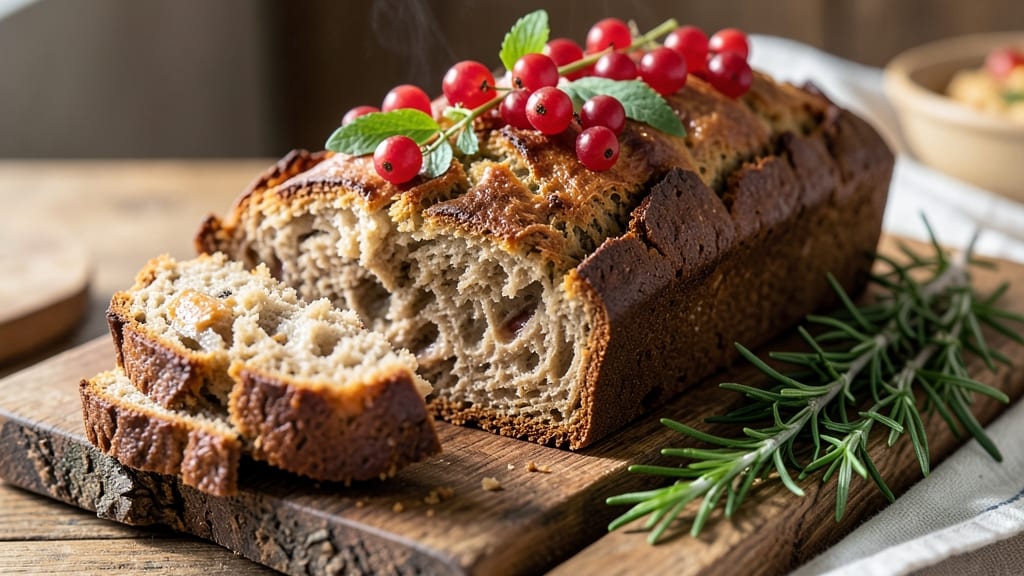
This authentic Irish brown soda bread recipe brings the rustic charm of Irish kitchens to your table with its signature sourdough-style crust and nutty warmth. 💛 The no-knead method preserves tradition while keeping the process simple—just mix, shape, and bake.
I've perfected this recipe over years, ensuring every bite delivers that perfect balance of tangy buttermilk and wholesome whole wheat flour.
The secret lies in the traditional ingredients: whole wheat flour for earthy depth, buttermilk for tender crumb, and baking soda for that signature rise. Optional raisins or currants add sweetness, while a cross-cut on top (for luck, of course) creates a crispy crust.
This bread isn't just food—it's a taste of history, baked fresh in your own kitchen.
What you'll end up with is a loaf with a golden, crackly crust and a soft, slightly dense interior—perfect for slathering with butter or pairing with soups. The aroma alone will transport you to an Irish countryside kitchen, where this bread has been a staple for generations.
Whether you're serving it at a family gathering or enjoying a quiet afternoon with tea, this soda bread is a labor of love that tastes even better the next day. Let's get baking!
Ingredients for authentic irish brown soda bread
Simple pantry staples transform into Ireland's iconic rustic loaf with minimal effort.
| Ingredient | Amount | Notes |
|---|---|---|
| Whole Wheat Flour 🌾 | 3 cups | For rustic texture and nutty flavor |
| All-Purpose Flour 🌾 | 1 cup | Balances texture with whole wheat |
| Buttermilk 🥛 | 1 ¼ cups | Full-fat for authentic tang |
| Baking Soda 🧂 | 1 ½ tsp | Freshly opened for lift |
| Salt 🧂 | ½ tsp | Diamond Crystal preferred |
| Fresh Currants or Raisins 🍇 | ½ cup | Optional for sweetness |
| Unsalted Butter 🧈 | ¼ cup | Cold, cubed for mixing |
| Granulated Sugar 🍚 | ¼ cup | Light brown for caramel notes |
The flours are the backbone—King Arthur whole wheat gives that signature nutty depth, while King Arthur all-purpose keeps it tender. Buttermilk is non-negotiable here; store-bought works, but homemade (milk + vinegar) adds extra tang. Penzeys baking soda is my go-to for consistent rise, but any brand works if it's fresh. For the currants, Trader Joe's has great organic options that stay plump. Skip them if you prefer classic soda bread—no judgment here, just tradition.
No buttermilk? Mix 1 tbsp vinegar or lemon juice with 1 cup milk—let it sit 5 minutes. Whole wheat flour substitutes? Spelt flour works 1:1, but texture changes slightly. Sugar craving? Maple syrup at half the amount adds moisture and caramel notes. The butter should be cold—microwave 40 seconds to soften if it's rock-hard. And if you're feeling fancy, swap the granulated sugar for light brown sugar for extra molasses flavor.
Mix the dough, shape it into a round, and let it rest 10 minutes before baking—this makes all the difference. The loaf keeps well wrapped at room temp for 2 days, but it's best reheated in a 200°F oven for 10 minutes to revive that crust. Freeze any extras for up to 3 months—just thaw overnight. Slice with a serrated knife for clean cuts, and always cut a cross on top for good luck (and crispy edges).
Why You'll Love This Recipe
- No-Knead, No-Fuss: I swear by this recipe because it’s the only bread I make that doesn’t require a stand mixer or my patience wearing thin. Just toss the whole wheat and all-purpose flours, buttermilk, and baking soda together—no yeast, no waiting for dough to rise. Honestly, the only effort is shaping it before popping it in the oven.
- Tangy Crust, Soft Core: That buttermilk tang? It’s what makes this bread ridiculously good. The crust gets just crisp enough to hold a bite of butter, while the inside stays tender and slightly chewy—like a hug from your nan. Between us, I’ve never met a slice that didn’t disappear faster than I could say “St. Patrick’s Day.”
- Breakfast to Picnic: I keep a loaf in the freezer for lazy mornings (toast it straight from frozen) or pack slices for lunch—no reheating needed. It’s also my go-to for casual gatherings: throw it on the table with jam, cheese, or even as a base for open-faced sandwiches. Works for weeknights and weekend spreadsheets alike.
- Budget-Friendly Staple: Whole wheat flour and buttermilk won’t break the bank, and one batch feeds four for days. The baking soda keeps it light without needing expensive leaveners, and leftovers stay fresh for a week (or freeze perfectly). I’ll be real: it’s my secret weapon for stretching groceries without sacrificing taste.
Step-by-step instructions for authentic Irish brown soda bread
Here's how to bake traditional Irish soda bread with that signature rustic crust and tender crumb.
👨🍳 Step 1: Mix Dry Ingredients for Perfect Texture
In a large mixing bowl, combine the 3 cups Whole Wheat Flour and 1 cup All-Purpose Flour. This blend gives you that authentic nutty flavor while keeping the bread tender. Sift in the 1.5 tsp Baking Soda and 0.5 tsp Salt (Diamond Crystal preferred) to ensure even distribution throughout the dough.
Make a well in the center and add the 0.5 cup Fresh Currants or Raisins and 0.25 cup Granulated Sugar. I like to gently toss these with my fingers so they're evenly coated with flour - this prevents them from sinking to the bottom during baking. The sugar adds just enough sweetness to balance the tangy buttermilk.
👨🍳 Step 2: Cut in the Cold Butter
Add the 0.25 cup Unsalted Butter (cold, cubed) to the dry ingredients. Using a pastry cutter or your fingers, work the butter into the flour mixture until you have pea-sized crumbs. This cold butter creates pockets of flavor that melt during baking, giving you that signature tender crumb. Don't overwork it - just until the mixture resembles coarse crumbs with butter pieces still visible.
Here's the thing - if your butter gets too warm, you'll end up with a dense loaf instead of that light, airy texture. I like to keep my butter in the fridge until just before mixing, then cut it into small cubes to maintain its cold temperature.
👨🍳 Step 3: Add Buttermilk for Tangy Authenticity
Make a well in the center of your dry mixture and pour in the 1.25 cups Buttermilk all at once. Using a wooden spoon or your hands, gently mix until just combined. You're looking for a soft dough that comes together but still has some crumbly texture - don't overmix or you'll develop gluten and get a tough bread.
The buttermilk is crucial here - it provides that authentic tangy flavor while keeping the bread moist. If your dough feels too sticky, you can add a tablespoon or two more of flour, but don't go overboard or you'll lose that signature tender crumb.
🥘 Step 4: Shape and Score for Traditional Flavor
Turn the dough onto a lightly floured surface and gently shape it into a round loaf about 1 inch thick. I like to use my hands to form it - just pat and shape without pressing too hard. Place the loaf on a parchment-lined baking sheet or directly on your baking stone.
Here's where the magic happens: using a sharp knife or bread lame, score the top of the loaf in a cross pattern about ½ inch deep. This isn't just for looks - it allows the bread to expand properly during baking and gives you that beautiful crust. The cross pattern also creates those signature crunchy edges that make Irish soda bread so special.
🔥 Step 5: Bake Until Golden and Hollow-Sounding
Preheat your oven to 425°F with a baking stone or inverted baking sheet on the middle rack. This high heat creates that beautiful crust we're after. Bake the loaf for 35-40 minutes until it's golden brown on top and sounds hollow when tapped on the bottom.
Real talk: your oven might run hot, so start checking at the 30-minute mark. The bread is done when it's golden brown and has that wonderful crusty exterior. The interior should be tender with just a hint of chewiness - that's the mark of a properly baked Irish soda bread.
Pro Tips For Making Authentic Irish Brown Soda Bread
- STOP SQUISHING THE DOUGH: I learned this the hard way—mixing brown soda bread by hand until it’s smooth and sticky is a one-way ticket to dense, gummy bread. After 10 minutes of kneading, I finally realized: just combine the flours, buttermilk, baking soda, and salt until the dough barely holds together. The texture should look shaggy, like wet hair. Overworking it kills the air pockets that make it light.
- USE COLD BUTTERMILK: This isn’t just about temperature—it’s about chemistry. Cold buttermilk (straight from the fridge) reacts slower with the baking soda, giving you more time to shape the loaf before it starts rising. I used to use room-temp buttermilk and ended up with a sad, flat loaf because the dough puffed up too fast. Pop that carton in the fridge for 10 minutes first—your bread will thank you.
- SLASH BEFORE BAKING: Skip the fancy scoring tools—just grab a sharp knife or a razor blade and cut a deep cross into the top before baking. The cuts should go all the way to the counter, about ½ inch deep. I used to do half-hearted slashes, and the bread would puff unevenly or crack in weird places. Deep cuts let the bread expand properly and give you that classic rustic look.
- BAKE ON HIGH HEAT: Crank your oven to 425°F (220°C) and don’t back down. Brown soda bread needs that initial blast of heat to develop a crisp crust and rise quickly. I used to bake it at 375°F, thinking it was safer, but the result was a pale, soft loaf. After burning the first batch (yes, really), I stuck to high heat and now get a golden crust every time—just pull it out when it sounds hollow when tapped.
Wine and beer pairings for these flavors
Irish Whiskey Pairings
An Irish whiskey is the classic companion to soda bread—its smooth, peaty notes complement the bread's nutty whole wheat flavor. I reach for a single malt like Redbreast 12-year or Connemara Peated to highlight the bread's rustic depth.
The whiskey's caramel and vanilla undertones mirror the bread's subtle sweetness from the sugar and currants. 🥃
For a lighter pairing, try a younger whiskey like Jameson Black Barrel—its crisp finish cuts through the bread's richness without overpowering. Serve whiskey neat or in a small glass alongside the warm bread for a cozy Irish experience.
The whiskey's warmth also helps soften the crust, making every bite more enjoyable.
Dry Cider Harmony
A crisp dry Irish cider like Bulmers Dry or Maggie Murphy's creates a refreshing contrast to the bread's hearty texture. The cider's slight tartness balances the soda bread's sweetness, while its effervescence cleanses your palate between bites. I like to chill mine to 45°F for that perfect crispness. 🍏
For a seasonal twist, try a spiced apple cider in autumn—add a cinnamon stick or clove while warming the cider to enhance the bread's nutty notes. The warmth of the cider pairs beautifully with the bread's crusty exterior, especially when served with a dollop of Irish butter.
Stout Contrast
A dark Irish stout like Guinness or Murphy's adds a bold contrast to soda bread's rustic charm. The stout's roasted malt and coffee notes play off the bread's whole wheat depth, while its creamy texture mirrors the bread's tender crumb.
I often serve a half-pint of Guinness alongside a slice of warm bread slathered in butter. ☕
For a lighter option, try Smithwick's—its malty profile pairs well with the bread's subtle sweetness. The stout's bitterness also helps balance any overly sweet currants or sugar in the bread. Serve both at room temperature for the best flavor harmony.
Tea Traditions
While whiskey and cider steal the spotlight, Irish breakfast tea remains a classic pairing. The tea's robust flavor—especially with Earl Grey or English Breakfast—enhances the bread's nutty undertones. I steep a strong cup for 3-4 minutes to bring out the tea's full character. 🍵
For a modern twist, try chamomile tea with honey—its floral notes complement the bread's warmth, especially when served with a sweet jam. The tea's caffeine-free nature makes it a great afternoon pairing, while the honey adds a touch of sweetness that mirrors the bread's subtle sugar content.
Nutrition facts
Frequently asked questions
Why does traditional Irish soda bread use whole wheat flour?
Whole wheat flour gives this bread its signature nutty flavor and rustic texture. The bran and germ in whole wheat add depth that all-purpose flour can't match, while keeping the bread hearty and satisfying. Historically, Irish families used whatever flour they had on hand—whole wheat was common in rural areas, and it created a bread that was both filling and nutritious.
Can I make this recipe without buttermilk?
Mix 1 tablespoon vinegar or lemon juice with 1 cup milk, let it sit for 5 minutes until slightly thickened, then use it as a 1:1 substitute. The acidity mimics buttermilk's tang, which is crucial for the bread's authentic flavor. For extra richness, you could also use 1 cup plain yogurt thinned with 2 tablespoons water.
What's the deal with cutting a cross on top?
That cross isn't just for looks—it's an Irish tradition for good luck and proper baking! The cuts allow steam to escape, creating a crispy crust while preventing the bread from cracking unevenly. Plus, it's said to bring good fortune to your home. Use a sharp knife or bread lame for clean ½-inch cuts—just before baking for best results.
How do I store leftover soda bread?
Wrap the cooled loaf tightly in plastic or foil and store at room temperature for 2 days—it actually tastes better the next day! For longer storage, freeze slices wrapped in plastic for up to 3 months. To revive stale bread, warm slices in a 200°F oven for 10 minutes or toast until crispy. The crust gets even better after reheating!
Can I add other mix-ins besides currants?
Yes! Try chopped nuts (walnuts or almonds) for crunch, seeds (sunflower or pumpkin) for texture, or dried fruit (cranberries or apricots) for extra sweetness. Just don't exceed ½ cup total or the bread may get dense. For a savory twist, some Irish versions include coarsely chopped herbs (rosemary or thyme)—perfect with soups!