
Side Dishes
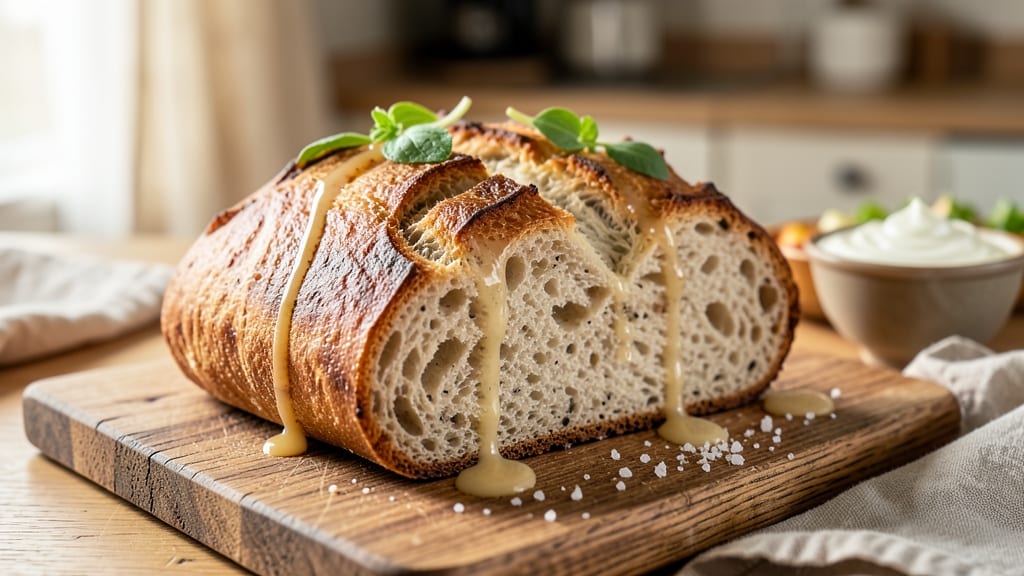
This authentic Irish soda bread recipe brings a taste of Ireland straight to your kitchen with its signature tangy crust and dense, hearty texture. 💛 The no-knead method preserves the traditional simplicity, using just flour, buttermilk, baking soda, and salt—ingredients that have been staples in Irish homes for generations.
What makes this bread truly special is its rustic charm, perfect for serving with butter, jam, or alongside a hearty stew.
The secret to authentic soda bread lies in the buttermilk, which creates that signature tang and helps develop the bread's signature crust. Unlike modern quick breads, this version requires no yeast or kneading, making it a foolproof recipe even for beginners.
The bread bakes up with a crispy exterior and a tender, slightly crumbly interior—just as it should be. It’s the kind of bread that tastes like comfort, tradition, and a little bit of magic.
What you’ll love most about this recipe is how it captures the essence of Irish baking without any shortcuts. The dough comes together in minutes, and the bread bakes in under an hour, leaving you with a loaf that’s as satisfying to make as it is to eat.
Whether you’re serving it at a family gathering or enjoying a quiet afternoon with tea, this bread is a celebration of Irish heritage in every bite.
Once baked, let the bread cool slightly before slicing—this ensures clean cuts and prevents crumbling. Serve it warm with a pat of butter or a drizzle of honey for the full Irish experience. This is bread that tells a story, and now, it’s yours to bake.
Ingredients for authentic irish bread
Four simple ingredients transform into Ireland's beloved rustic bread—just flour, buttermilk, baking soda, and salt.
| Ingredient | Amount | Notes |
|---|---|---|
| All-Purpose Flour 🌾 | 4 cups | Unbleached, high-protein preferred |
| Buttermilk 🥛 | 1 ½ cups | Full-fat for authentic tang |
| Baking Soda 🧂 | 1 tsp | Freshly opened for best results |
| Salt 🧂 | 1 tsp | Diamond Crystal preferred |
| Unsalted Butter 🧈 | ½ cup | Cold, cubed for crust |
| Whole Milk 🥛 | ¼ cup | For dough moisture |
| Granulated Sugar 🍚 | ¼ cup | Optional for subtle sweetness |
| Fresh Rosemary 🌿 | 1 tsp | Finely chopped, optional |
| Fresh Parsley 🌿 | 1 tsp | Finely chopped, optional |
| Coarse Sea Salt 🧂 | 1 tbsp | For crust sprinkle |
The flour is where tradition meets texture. King Arthur or Bob's Red Mill all-purpose flours work best—their high protein gives that signature crumbly yet tender bite. Buttermilk is non-negotiable; Plugrá or Cultiva brands from Irish markets have that perfect tang, but store-bought full-fat buttermilk works too. The baking soda needs to be fresh—if it's been sitting in your pantry for months, the bread won't rise properly. For the butter, Land O'Lakes or Plugrá Irish butter adds authentic flavor, but any unsalted butter will do. I always grab extra flour because this dough absorbs more than you'd think—especially if you're adding rosemary or parsley.
No buttermilk? Mix 1.5 tbsp lemon juice or vinegar with 1.25 cups milk—let it sit 5 minutes. Running short on baking soda? Double the amount of baking powder, but taste your dough first—it might need a pinch more salt. Skip the rosemary? Dried thyme at half the amount works in a pinch, but fresh herbs make all the difference. The coarse sea salt for the crust? Maldon or Jacobsen flakes are ideal, but any flaky salt will give that signature crust crunch. Pro tip: If your dough feels too sticky, add 1 tbsp more flour—but don't overdo it or the bread gets dense.
This bread keeps beautifully for 3-4 days wrapped in a cotton towel at room temperature, but it's best enjoyed fresh. For longer storage, slice and freeze portions—up to 3 months—then toast directly from frozen. The crust gets even better the next day once the crumb firms up. I always bake two loaves—one for the table, one for freezing. The secret to reheating? Wrap in foil and warm in a 350°F oven for 10 minutes. Serve with Irish butter or a smear of St. Conleth's honey for the full experience.
Why You'll Love This Recipe
- No-Fuss Dough: Between us, this bread takes zero kneading—just mix, pour, and bake. The buttermilk’s tang and baking soda’s lift do all the work while you’re still deciding what to watch on TV.
- Buttery Crust Magic: That golden crust? Pure butter and salt working their charm. It’s crisp enough to hold soup but soft enough to tear with your fingers—no knife needed, no mess.
- Weeknight Workhorse: I keep a loaf wrapped in the fridge all week. Toast it for breakfast, pack slices for lunch, or serve it warm with stew. Honestly, it’s the only bread I bake anymore.
- Pantry Staple Power: Five ingredients, all cheap and lasting. The flour and butter stretch further than store-bought loaves, and the baking soda keeps it light without fancy shortcuts. My wallet and taste buds thank me.
Step-by-step instructions for authentic Irish soda bread
Here's the traditional method that delivers rustic texture and that signature tangy crust.
👨🍳 Step 1: Mix Dry Ingredients and Cut in Butter
In a large bowl, combine the 4 cups all-purpose flour, 1 tsp baking soda, 1 tsp salt, 1 tsp finely chopped fresh rosemary, and 1 tsp finely chopped fresh parsley. Whisk gently to distribute the herbs evenly through the flour. This dry mix forms the foundation of your bread's structure.
Add the ½ cup cold unsalted butter, cut into small cubes. Using a pastry cutter or your fingers, work the butter into the flour mixture until it resembles coarse crumbs with pea-sized butter pieces remaining. The butter should be cold enough to hold its shape but soft enough to create pockets for steam during baking. Overworking the butter will develop gluten and make the bread dense instead of tender.
👨🍳 Step 2: Combine Wet Ingredients for Dough Formation
In a separate bowl, whisk together the 1.5 cups buttermilk, ¼ cup whole milk, ¼ cup granulated sugar, and 1 tbsp coarse sea salt. The buttermilk's natural acidity is crucial for that authentic Irish tang and helps activate the baking soda for leavening. The sugar adds subtle sweetness that balances the herbs.
Make a well in the center of your dry ingredients and pour in the wet mixture. Using a wooden spoon or your hands, gently stir until just combined. The dough will be shaggy and sticky—this is normal for soda bread. Avoid overmixing; you're looking for a rough, uneven texture that creates the bread's characteristic crumb. When you can no longer incorporate more flour, stop mixing immediately.
⏰ Step 3: Shape and Rest the Dough
Turn the dough onto a lightly floured surface and gently shape it into a round loaf about 8 inches in diameter. Irish soda bread traditionally has a slightly uneven shape, so don't worry about perfect symmetry. Press the dough into a round with your hands, creating a slight well in the center—this helps the bread rise evenly.
Place the shaped dough on a parchment-lined baking sheet. Cover loosely with a clean kitchen towel and let it rest at room temperature for 30-45 minutes. This resting period allows the gluten to relax slightly and helps the bread develop its signature open crumb structure. The dough won't rise much during this time—soda bread relies on baking soda for leavening rather than yeast.
🔥 Step 4: Bake for Rustic Perfection
Preheat your oven to 425°F. While the oven heats, sprinkle the top of your dough with an additional 1 tbsp coarse sea salt and a light dusting of flour. This creates the traditional crust pattern and adds to the bread's flavor profile. The salt should be evenly distributed but not pressed into the dough.
Bake for 40-45 minutes until the bread is deep golden brown on top and sounds hollow when tapped on the bottom. The internal temperature should reach 190-200°F when measured with an instant-read thermometer. The bread will continue cooking slightly as it cools, so remove it when it's just done. Overbaking will make it dry and crumbly.
⏰ Step 5: Cool and Serve Traditionally
Transfer the bread to a wire rack and let it cool completely for at least 1 hour before slicing. This resting period is crucial—cutting too soon will result in a gummy, uneven crumb. The bread's exterior should be crisp while the interior remains tender with a slightly open, rustic texture.
Serve slices warm with Irish butter, clotted cream, or alongside Irish stew for an authentic experience. The combination of buttermilk tang, herbal notes, and crisp crust makes this bread perfect for soaking up soups or pairing with sharp cheeses. Store any leftovers wrapped in a cloth bag at room temperature for up to 3 days—the flavor improves as it stales slightly.
Pro Tips For Making Authentic Irish Bread
- MEASURE BUTTERMILK PRECISELY: I learned this the hard way—using "about" a cup of buttermilk leads to dense, gummy bread. For this recipe, weigh it: 240 grams (about 1 cup + 2 tablespoons) of buttermilk gives the right tang and moisture without overworking the dough. No scale? Use a liquid measuring cup, but fill it to the exact mark—no eyeballing.
- LET THE DOUGH REST 20 MINUTES: Skipping the rest time is how you end up with a sad, flat loaf. After mixing the wet and dry ingredients, cover the bowl and walk away for 20 minutes. The baking soda needs time to fully activate, and the flour will absorb the buttermilk properly. Yes, even if you’re impatient like me—this isn’t the step to rush.
- USE COLD UNSALTED BUTTER: That warm butter straight from the fridge might seem easier, but it melts into the dough too fast, making the bread greasy and dense. Cut the butter into small cubes and let it sit at room temp for 10 minutes max—just until it’s soft enough to mix in but not liquid. Trust me, the texture difference is night and day.
- BAKE UNTIL GOLDEN, NOT JUST SET: The bread’s done when it’s deep golden brown, not when the top springs back when pressed. Irish soda bread benefits from that caramelized crust, so rotate the pan halfway through baking (around 15 minutes) for even color. If it’s browning too fast, tent loosely with foil—better to adjust than end up with a burnt top and raw center.
Essential equipment for this recipe
Traditional Irish Baking Tray
For authentic results, use a cast iron skillet or heavy ceramic baking dish—these materials mimic the old Irish hearth baking tradition. I recommend a 10-inch Lodge cast iron skillet for its even heat distribution and rustic charm.
Preheat it alongside your oven to ensure proper browning. The skillet's weight helps create that signature crisp crust while keeping the interior tender. 🔥
Wooden Mixing Bowl
A large wooden mixing bowl (at least 8-quart capacity) is essential for combining ingredients. Wooden bowls absorb moisture better than metal, helping the dough reach the perfect sticky consistency.
I prefer unvarnished maple or oak bowls—they're gentle on your dough and add a rustic touch. Avoid plastic, as it can react with the buttermilk's acidity.
Baking Soda Measuring Spoon
Invest in a precision measuring spoon for your 1 tsp baking soda—this leavening agent is crucial for proper rise. A stainless steel measuring set from OXO ensures accuracy.
Fresh baking soda is non-negotiable; test it by mixing with water—if it fizzes vigorously, it's active. Old baking soda won't activate properly, leading to dense bread.
Coarse Sea Salt Cellar
For that iconic Irish crust, use a Maldon or Jacobsen flaky sea salt cellar. The coarse texture creates beautiful patterns when sprinkled on top. I keep mine near my baking station for quick access. A 1-tbsp measure gives perfect coverage—enough to enhance flavor without overwhelming the bread's natural tang.
Parchment Paper
Line your baking tray with high-quality parchment paper to prevent sticking and ensure easy release. If You Care brand works well for its sturdy construction. The paper also helps regulate heat distribution, preventing uneven browning. Cut a 12x15-inch sheet to accommodate your loaf with extra room for expansion.
Instant-Read Thermometer
A ThermoWorks Thermapen ONE is my go-to for monitoring internal temperature. Irish soda bread should reach 190-200°F—this ensures perfect doneness without overbaking. The probe's quick response time lets you pull the bread at the exact right moment. No thermometer? Tap the bottom—it should sound hollow when done. ⏰
Nutrition facts
Frequently asked questions
Why does authentic Irish soda bread have a cross on top?
Traditionally, the cross is cut into the dough before baking as a blessing and protection symbol. This practice dates back to Irish folklore where the cross was believed to ward off evil spirits. While not required for the recipe, many bakers still make the cross as a nod to tradition—it also helps the bread expand evenly during baking.
Can I make this bread without buttermilk?
Yes! Mix 1.5 tbsp lemon juice or white vinegar with 1.25 cups milk and let it sit for 5 minutes to mimic buttermilk's tang. The acidity activates the baking soda for proper rise. For extra authenticity, use whole milk—it creates a richer texture and that signature Irish flavor.
How do I fix if my soda bread turns out dense?
Overmixing or old baking soda usually causes dense bread. Next time, mix just until combined (the dough should be shaggy), and use fresh baking soda (test by mixing with water—it should fizz vigorously). Also, avoid adding extra flour unless absolutely necessary, as this can make the bread too dry.
What's the difference between Irish soda bread and regular bread?
Irish soda bread relies on baking soda (not yeast) for rise, giving it a denser, slightly tangy flavor from buttermilk. It has no kneading, no waiting for dough to rise, and cooks in 40-45 minutes at high heat. Regular bread uses yeast for lightness and requires longer fermentation.
Can I add other herbs besides rosemary and parsley?
Try thyme, sage, or even a pinch of black pepper for variation. Just reduce the amount by half if using dried herbs. The key is balance—too many herbs can overpower the bread's natural buttermilk tang. Stick to 1-2 herbs max for an authentic flavor profile.