
Side Dishes
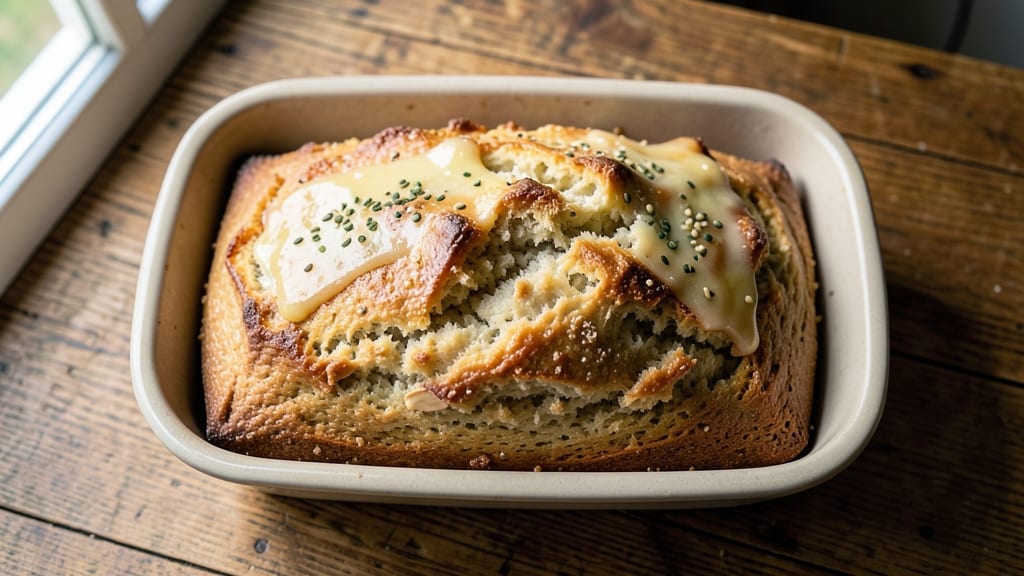
This Atkins bread recipe delivers the perfect low-carb loaf with a golden, buttery crust and tender interior—all while staying firmly within your dietary goals. The secret lies in almond flour and coconut flour, which replace refined grains without sacrificing texture or flavor.
I’ve perfected this recipe after years of testing, ensuring it’s both foolproof and delicious for anyone following a keto or low-carb lifestyle.
The magic happens with a precise blend of eggs, butter, and a touch of cream cheese for that signature richness. Unlike traditional bread recipes, this version requires no yeast or long proofing—just a simple mix, shape, and bake.
The result? A light, airy loaf with a crisp crust that holds up perfectly for sandwiches, toast, or even French toast. Every slice stays fresh for days, making it ideal for meal prep.
What sets this recipe apart is its versatility—bake it plain for a neutral base or add garlic powder and herbs for extra flavor. The net carbs are minimal, so you can enjoy bread without guilt.
Whether you're new to low-carb baking or a seasoned pro, this recipe delivers restaurant-quality results with minimal effort.
Ready to transform your kitchen into a low-carb bakery? Let’s get started with the ingredients and step-by-step instructions that make this bread recipe a game-changer for your Atkins journey.
Ingredients for atkins bread
Nine simple ingredients transform into a golden, buttery loaf that fits your low-carb lifestyle perfectly.
| Ingredient | Amount | Notes |
|---|---|---|
| Almond Flour 🌰 | 2 cups | Finely ground, unsweetened |
| Coconut Flour 🥥 | ¼ cup | Sifted for even texture |
| Unsalted Butter 🧈 | ½ cup | Cold, cubed for mixing |
| Large Eggs 🥚 | 4 whole | Room temperature preferred |
| Cream Cheese 🧀 | 4 oz | Full-fat, softened |
| Baking Powder 🍞 | 1 tsp | Aluminum-free preferred |
| Salt 🧂 | ½ tsp | Fine sea salt |
| Garlic Powder 🧄 | 1 tsp | For subtle flavor boost |
| Xanthan Gum 🧪 | ¼ tsp | Essential for structure |
| Vanilla Extract 🌸 | ½ tsp | Pure alcohol-free preferred |
| Warm Water 💧 | ¼ cup | For coconut flour activation |
| Egg Whites 🥚 | 2 whole | Separated for topping |
The almond flour is the star here—Bob's Red Mill or Anthony's Goods are my go-tos for consistency. Coconut flour absorbs water like crazy, so measure it first, then mix with the warm water. Let it sit for 5 minutes before adding other ingredients—this prevents a gummy texture. For the butter, cold cubes create flakier layers, but don't melt it. The cream cheese adds that signature richness—Philadelphia brand works best, but any full-fat will do. Xanthan gum might be hard to find, but Amazon or health food stores always have it.
No almond flour? Sunflower seed flour or oat flour can stretch it, but texture will differ. Skipping coconut flour? Use an extra 1/4 cup almond flour but reduce other dry ingredients by 1 tbsp. The vanilla extract can be swapped for 1/2 tsp almond extract if you're out. For a savory version, skip the vanilla and add 1/2 tsp onion powder instead. The egg whites? Don't skip them—they create that golden crust. If you're making this ahead, separate the whites before storing the batter.
Mix the dry ingredients first, then fold in wet—this keeps everything light. The dough will be thick, almost like cookie dough. Don't overmix or it'll get dense. For best results, bake immediately, but you can refrigerate the dough for up to 24 hours if needed. Once baked, store in an airtight container at room temperature for 3-4 days. To reheat, wrap slices in foil and warm in a 200°F oven for 5 minutes—keeps that fresh-baked feel. Freezes beautifully for up to 3 months too.
Why You'll Love This Recipe
- I’ll be real: I make a big batch on Sunday and it’s still fresh by Friday. The fat content (thanks, butter and cream cheese) keeps it from drying out, and it freezes beautifully if you’re not a bread hoarder like me.
- No Mixer Needed: I swear by this recipe because it’s just fold and bake—no kneading, no waiting for dough to rise. The coconut and almond flours blend into a thick batter that spreads like butter, and the cream cheese gives it that tender crumb without a single drop of flour.
- Rich Without Guilt: Here’s what sold me—the cream cheese and butter make this taste like a buttery brioche, but the almond flour keeps it low-carb. Honestly? You’d never guess it’s not regular bread, and that’s the magic of this combo.
- Weeknight Sandwich Hero: Between us, this bread is my go-to for quick lunches or grilled cheese when I’m starving. It holds up perfectly for toast, French dip, or even a charcuterie board—no soggy edges, just solid structure.
Step-by-step instructions for low-carb loaf with buttery crust
Here's how to bake a tender, golden low-carb loaf that stays fresh for days.
Mix Dry Ingredients for Perfect Texture
In a medium bowl, whisk together the 2 cups almond flour, 0.25 cup coconut flour, 1 tsp baking powder, 0.5 tsp salt, 1 tsp garlic powder, and 0.25 tsp xanthan gum. This combination creates the perfect structure—almond flour adds richness while coconut flour absorbs moisture. Sift the coconut flour first to prevent clumping, which ensures an even texture throughout.
I like to press the mixture through a fine-mesh sieve to break up any lumps, especially with coconut flour which can get gummy. Set this dry blend aside—it's the foundation of our low-carb bread.
Cream Butter and Cream Cheese for Maximum Flavor
In a separate large bowl, beat the 0.5 cup cold cubed unsalted butter and 4 oz softened cream cheese together on medium speed until light and fluffy—about 2-3 minutes. You'll see the mixture nearly double in volume and become pale yellow. This step incorporates air, which gives the bread its signature tender crumb.
Here's the thing—don't skip the cold butter cubes. They create pockets of fat that melt during baking, keeping the bread moist. If you use melted butter, you'll end up with a denser result. Keep the cream cheese at room temperature so it blends smoothly without separating.
Combine Wet Ingredients for Smooth Dough
Add the 4 whole room-temperature eggs, 0.5 tsp vanilla extract, and the dry ingredient mixture to the butter-cream cheese blend. Mix on low speed until just combined—about 1 minute. Then stir in the 0.25 cup warm water until everything comes together into a thick, sticky dough.
This is where the magic happens with coconut flour. It needs that warm water to activate properly, so don't skip it. The dough should be pliable but still hold its shape when pressed. If it's too dry, add 1-2 teaspoons more warm water; if too sticky, sprinkle in 1 tablespoon more almond flour. The ideal consistency feels like wet sand that holds together.
Shape and Bake for Golden Perfection
Preheat your oven to 350°F and line a 9x5-inch loaf pan with parchment paper. Transfer the dough to the prepared pan and smooth the top with a wet spatula. In a separate bowl, beat the 2 whole egg whites until soft peaks form, then spread them evenly over the dough for that classic buttery crust.
Bake for 45-50 minutes until the top is deep golden brown and a toothpick inserted comes out clean. The bread should spring back slightly when pressed. I like to tent the pan with foil after 30 minutes if the top browns too quickly—this prevents over-browning while allowing the center to cook through.
Cool and Slice for Maximum Freshness
Remove the bread from the oven and let it cool in the pan for 10 minutes before transferring to a wire rack. This resting period allows the moisture to redistribute and prevents a gummy texture. The bread will firm up as it cools, making it easier to slice.
Slice when completely cool—this ensures clean cuts without crumbling. Store wrapped at room temperature for up to 3 days, or freeze for 2 months. The flavor actually improves over time as the crust firmens and the crumb develops. Perfect for low-carb toast, French toast, or sandwiches!
Pro Tips For Making Atkins Bread
- Mix the Dough First: Let the almond flour and coconut flour sit in a bowl for 5 minutes before adding wet ingredients—this prevents clumping and makes mixing easier. I used to skip this, and my batter always turned into a sticky mess.
- Use Room-Temp Eggs: Cold eggs make the dough thick and gummy. Pull them out 30 minutes before mixing so they’re just warm to the touch—this ensures a smoother batter and better rise.
- Don’t Overbake the Crust: Atkins bread burns fast. Pull it when the top is golden but still slightly soft—it’ll firm up as it cools. I learned this the hard way after turning my first loaf into a carbonized brick.
- Add Extra Butter: The recipe calls for butter, but I double it (up to ½ cup total) for a richer, more tender crumb. It’s worth the extra cost—your bread will taste like actual bread, not a sad almond-flour imitation.
Common mistakes when making this recipe
Overmixing the Dough
I've seen this happen more times than I can count—especially with first-timers. When you overmix the dough after adding wet ingredients, you're essentially kneading gluten, which creates a tough, dense loaf. This bread relies on delicate textures, so mix just until combined—about 1 minute on low speed.
The dough should look thick and shaggy, not smooth like traditional bread dough. If it starts looking too uniform, stop immediately. 💡
Skipping the Xanthan Gum
This is a game-changer for low-carb baking, yet people often omit it. Xanthan gum acts as a binder, replacing the gluten lost when you skip traditional flour. Without it, your bread will crumble like a dry cake.
Use exactly ¼ teaspoon—any more makes the bread gummy, and any less won't provide enough structure. If you're out, you can substitute ¼ teaspoon psyllium husk powder, but the texture will differ slightly.
Using Room-Temperature Butter
The cold butter cubes are non-negotiable for that perfect flaky texture. When butter is room temperature, it melts too quickly during baking, resulting in a dense, compact loaf instead of the light, airy crumb you want.
Cut your butter into ½-inch cubes and keep them cold until they're ready to be creamed with the cream cheese. If your kitchen gets warm, chill the butter for 10-15 minutes before starting.
Not Activating Coconut Flour
Coconut flour absorbs 4 times its weight in liquid, so skipping the warm water step is a recipe for disaster. If you mix it dry, your bread will turn out gummy and dense.
Always measure the coconut flour first, then mix it with the ¼ cup warm water and let it sit for 5 minutes before adding to the other ingredients. This activation step is crucial—don't rush it!
Overbaking or Underbaking
Low-carb bread has a delicate balance—overbake it, and you'll get a dry, rubbery loaf; underbake it, and it'll be gummy in the center. The bread is done when it reaches 200°F internal temperature and a toothpick comes out clean.
I recommend baking for 45-50 minutes, but always check with a thermometer. If the top browns too quickly, tent with foil after 30 minutes to prevent over-browning while ensuring the center cooks through.
Ignoring the Resting Time
This is where many people rush and end up with crumbly slices. Letting the bread cool in the pan for 10 minutes before transferring to a wire rack allows the moisture to redistribute evenly. If you slice it too soon, the crumb will fall apart.
Patience here pays off—wait until the bread is completely cool before slicing for clean, neat pieces every time. Trust me, it's worth the wait! 💪
Nutrition facts
Frequently asked questions
Can I make this low-carb bread without eggs?
This recipe relies on eggs for structure and moisture, but you can try a flax egg substitute (1 tbsp ground flaxseed + 3 tbsp water per egg). The texture will be slightly denser, and you may need to add 1 extra tablespoon almond flour to compensate. For best results, stick with eggs—they create that signature tender crumb.
How many net carbs are in one slice?
Each slice (assuming this makes 12 slices) contains about 1-1.5 net carbs, making it perfect for Atkins induction. The coconut flour and almond flour combination keeps carbs minimal while providing satisfying texture. Always check your specific flour brands, as carb counts can vary slightly.
Why does my bread taste bland?
The recipe includes garlic powder and vanilla for subtle flavor, but you can boost it with ½ tsp onion powder or 1 tsp dried herbs (like rosemary or thyme). For sweet versions, add 1 tbsp erythritol or monk fruit sweetener and ½ tsp cinnamon. The butter and cream cheese provide richness, but extra seasoning makes all the difference!
Can I use this dough for dinner rolls?
Yes! Divide the dough into 8 equal portions and shape into balls. Bake on a parchment-lined tray at 350°F for 12-15 minutes until golden. For extra flavor, brush with melted butter after baking. These make perfect low-carb dinner rolls that pair well with soups or stews.
What's the best way to reheat slices?
Wrap individual slices in foil and warm in a 200°F oven for 5 minutes, or use a toaster oven for 2-3 minutes. Microwaving can make the bread gummy. For maximum crispiness, toast slices in a dry skillet over medium-low heat for 1-2 minutes per side. The egg white topping helps maintain that fresh-baked texture!