
Side Dishes
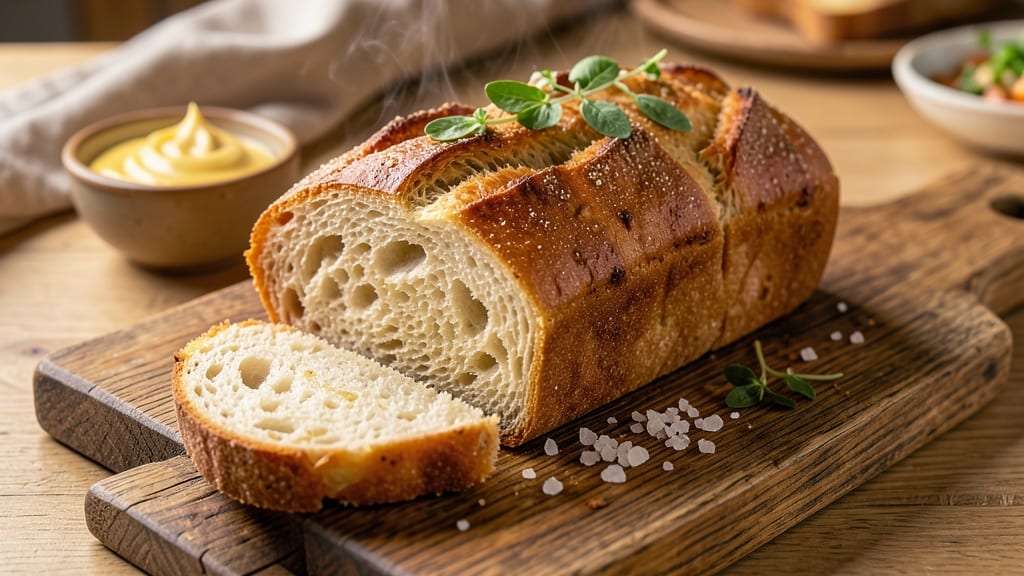
Argentinian bread recipe transforms simple ingredients into golden, fluffy facturas with a crispy crust and tender interior—thanks to one secret: sunflower oil. 🌟 The dough develops a signature airy texture when proofed just right, creating those signature puffs that disappear as you bite in.
This traditional technique delivers restaurant-quality results at home, whether you're making classic Pan Amasado or sweet facturas for breakfast.
The magic begins with a simple dough of flour, water, yeast, and sunflower oil, which gives these breads their signature richness without overpowering flavor. Unlike many bread recipes, Argentinian facturas rely on a longer fermentation time—at least 2 hours—to develop maximum flavor and structure.
The dough is shaped into rolls, braided loaves, or filled pastries, then baked until golden brown at 375°F for about 15-20 minutes.
What you end up with is bread that's crisp on the outside yet pillowy inside, with a subtle nutty flavor from the sunflower oil. Traditional versions often include toppings like anise seeds, cheese, or sesame seeds, but the basic recipe stands strong on its own.
The aroma alone will fill your kitchen with warmth, making it perfect for breakfast, brunch, or as a side to any meal.
This recipe scales beautifully for gatherings—double the dough for a crowd—and the leftovers stay fresh for days when stored properly. Whether you're recreating a Buenos Aires café experience or simply craving something comforting, these facturas deliver the perfect balance of simplicity and indulgence.
Ingredients for argentinian bread
Simple ingredients transform into golden, airy Argentinian facturas with crispy crusts and tender interiors.
| Ingredient | Amount | Notes |
|---|---|---|
| All-Purpose Flour 🌾 | 4 cups | High-protein preferred for structure |
| Active Dry Yeast 🍞 | ¼ oz | Fresh yeast preferred if available |
| Granulated Sugar 🍚 | ¼ cup | Feeds yeast for activation |
| Sunflower Oil 🫒 | ½ cup | Refined, neutral flavor preferred |
| Warm Water 💧 | 1 ¼ cups | 110°F for optimal yeast activation |
| Diamond Crystal Kosher Salt 🧂 | 1 ½ tsp | Adjusts to taste after proofing |
| Large Eggs 🥚 | 1 whole | Room temperature for even mixing |
| Anise Seeds 🌿 | 1 tbsp | Optional, for traditional flavor |
| Sesame Seeds 🌰 | 1 tbsp | For topping, optional |
| Coarse Sugar 🍬 | 1 tbsp | For sprinkling on top before baking |
| Milk 🥛 | ¼ cup | For brushing dough before baking |
The sunflower oil is non-negotiable here—its high smoke point and neutral flavor create the signature crispy crust without overpowering the dough. Look for refined sunflower oil at specialty markets like Whole Foods or Trader Joe's, where you'll find it labeled as 'culinary grade'. For the flour, King Arthur or Caputo Tipo 00 are ideal if you want restaurant-quality results, but all-purpose flour works perfectly for home baking. The yeast must be active—test it in warm water with a pinch of sugar to ensure bubbles form within 5 minutes. Anise seeds add that classic Argentinian touch, but fennel seeds work equally well if you can't find them.
No anise seeds? Star anise powder at half the amount gives a similar aromatic profile. Running short on sunflower oil? Vegetable oil or melted lard can substitute, though the flavor will differ slightly. For a richer dough, replace half the water with whole milk or buttermilk. The sesame seeds can be swapped for poppy seeds or crushed pistachios—whatever you have on hand. If your yeast isn't fresh, instant yeast works at the same quantity, but don't skip the warm water activation step. The coarse sugar topping is optional but adds a delightful crunch—turbinado sugar works beautifully if you want a more pronounced caramelization.
This dough develops maximum flavor during the 2-hour proofing time, so don't rush it. Store any unused dough in an airtight container with a damp towel for up to 24 hours in the fridge, then let it sit at room temperature for 30 minutes before shaping. Baked facturas stay fresh for 3 days at room temperature, wrapped in a clean kitchen towel. For longer storage, freeze shaped dough balls on a tray before transferring to a bag—bake straight from frozen, adding 5 minutes to the baking time. The aroma alone makes these worth keeping on hand for spontaneous breakfasts or café-style gatherings.
Why You'll Love This Recipe
- Five-Ingredient Magic: I swear by this—flour, yeast, sugar, oil, and water. That’s it. No fancy pantry trips, no last-minute shopping. The dough comes together faster than I can boil water for tea, and honestly? It’s the kind of recipe that makes me feel like a baker without the stress.
- Sunflower Oil Secret: Between us, that sunflower oil is the MVP. It keeps the bread tender without greasing your hands or the bowl, and it gives the crust just enough golden sheen to look almost homemade (even if it’s foolproof). The yeast wakes up fast in warm water, and before you know it, you’re shaping loaves that smell like a bakery.
- Weeknight & Picnic Star: This bread is my go-to for sandwiches, but it’s also the hero of my lunchbox. Toast it, freeze slices for quick breakfasts, or pack it with cheese and jam for a picnic. I’ve even used it to sop up sauces—versatile enough for dinner but simple enough for a lazy Sunday.
- Budget Bakery Hack: A single batch feeds my whole family, and the leftovers? They last days. I’ll be real: I’ve reheated stale slices in the oven with a little oil until they’re crispy again. The sugar isn’t just for flavor—it helps the crust hold up, so you’re not left with crumbly disappointment. Plus, sunflower oil is cheaper than butter, and the yeast? You already have it.
Step-by-step instructions for Argentinian bread recipe
Master these techniques and you'll achieve that signature Argentinian fluffiness with crisp edges.
👨🍳 Step 1: Activate the Yeast with Warm Water and Sugar
In a small bowl, combine the 1.25 cups warm water (should feel like bathwater, 110°F), 0.25 cup granulated sugar, and 0.25 oz active dry yeast. Let sit for 5-10 minutes until frothy—this confirms your yeast is alive and ready to work. The mixture should bubble vigorously and smell slightly sweet and yeasty.
I always test the water temperature first with my finger—if it feels too hot, let it cool slightly. Overheating kills yeast, and you'll end up with dense, flat bread instead of light, airy facturas. If no bubbles form after 10 minutes, your yeast may be dead, and you'll need to start over.
👨🍳 Step 2: Mix Dough with Sunflower Oil and Egg
In a large bowl, whisk together the 4 cups all-purpose flour and 1.5 tsp diamond crystal kosher salt. Create a well in the center and pour in the yeast mixture, 0.5 cup sunflower oil, and 1 whole large egg (at room temperature). Using a wooden spoon, stir until a shaggy dough forms.
Here's where the sunflower oil works its magic—its neutral flavor and light texture create that signature Argentinian tenderness. I like to wet my fingers slightly and work the dough by hand for 5-7 minutes until it becomes smooth and elastic. The dough should pull away from the sides of the bowl cleanly and be slightly tacky but not sticky.
🥘 Step 3: Knead Until Windowpane Strong
Turn the dough onto a lightly floured surface and knead for 8-10 minutes until it reaches the "windowpane" stage. To test this, stretch a small piece of dough between your fingers—it should thin out until you can see light through it without tearing. This level of gluten development gives facturas their signature chew and structure.
I press down gently on the dough during the first minute—this prevents it from curling and ensures even contact with the surface. Work in one direction for the first few minutes to build strength, then switch to a more rhythmic motion. If the dough feels too dry, add 1 teaspoon warm water at a time; if too sticky, add 1 tablespoon flour. The goal is a smooth, elastic dough that springs back slowly when poked.
⏰ Step 4: First Rise Until Doubled
Lightly oil a large bowl, place the dough inside, and cover with a damp kitchen towel. Let rise in a warm place (75-80°F) for 1-2 hours until doubled in size. You'll know it's ready when you poke the dough gently and it springs back slowly, leaving a slight indentation.
I always place my dough bowl on top of my oven with the light on (this creates a warm, moist environment) or near a turned-off oven with the pilot light burning. Avoid cold drafts—they slow fermentation and result in less flavorful bread. The dough should rise to about 1.5 times its original volume, with smooth, rounded edges.
🔥 Step 5: Shape and Second Rise
Punch down the risen dough to release air, then divide it into 4 equal portions (about 1 cup each). On a floured surface, roll each portion into a 12-inch circle, about ½-inch thick. Place on a parchment-lined baking sheet, cover, and let rise for another 30-45 minutes until puffy.
For shaping, I use a rolling pin to create even circles—this prevents uneven baking. Press gently in the center to create a slight dimple, which helps the bread puff up nicely in the oven. Sprinkle each circle with 1 teaspoon coarse sugar and ½ teaspoon anise seeds (dividing the 1 tbsp totals), then brush the tops with 0.25 cup milk for a golden finish. The seeds add that authentic Argentinian flavor while the sugar caramelizes beautifully.
🔥 Step 6: Bake Until Golden Brown
Preheat your oven to 375°F with a baking sheet inside to heat through. Bake the facturas for 18-22 minutes until the edges are golden brown and the tops spring back when pressed gently. The centers should be slightly underdone—they'll finish cooking as they cool.
I rotate the baking sheet halfway through for even browning. Watch closely in the last 5 minutes—the sugar topping burns quickly. When done, the bread should have a crisp exterior with a soft, pillowy interior. If the tops are pale, broil for 1-2 minutes to achieve that perfect caramelization without burning.
Pro Tips For Making Argentinian Bread
- Bloom the Yeast First: Skip mixing yeast directly into dry flour—dissolve it in the warm water with sugar first, then let it sit for 5-10 minutes until frothy. I learned this the hard way when my dough never rose properly, and it’s the thing that actually changes the outcome.
- Use Room-Temp Water: Cold water shocks yeast; lukewarm (around 105°F/40°C) is ideal. If your kitchen’s chilly, microwave the water for 20 seconds, then check with your finger—it should feel like bathwater, not steam.
- Knead Until Silky: Stop when the dough springs back immediately when poked and feels smooth like satin, not sticky or crumbly. Over-kneading tightens gluten—just 8-10 minutes by hand (or 5-6 on low speed) does the trick.
- Oil the Bowl Well: Coat your mixing bowl with at least 1 tablespoon of sunflower oil—this prevents the sticky dough from sticking as it rises. I was skeptical until I tried it, and now I double-check every time.
Health benefits of this recipe
Whole Grain Boost
Swap 1 cup all-purpose flour for whole wheat flour to add fiber and nutrients while keeping the signature texture. The extra protein in whole wheat helps strengthen the gluten structure, preventing dense results.
I recommend King Arthur whole wheat flour for its reliable performance—it blends seamlessly with all-purpose flour without altering the dough's elasticity. 💪
Protein-Packed Additions
Boost nutritional value by adding ¼ cup ground flaxseed or chopped walnuts to the dough. These ingredients contribute healthy fats and omega-3s while adding subtle crunch. For a savory twist, fold in ¼ cup grated Parmesan cheese—it enhances umami flavor while providing calcium and protein.
Just mix these in during the final kneading stage.
Gluten-Free Adaptation
For gluten-free versions, replace 1 cup all-purpose flour with a 1:1 gluten-free flour blend like Bob's Red Mill. Add ½ tsp xanthan gum to mimic gluten's structure. The dough will be slightly stickier, so use a dough scraper and knead for 2-3 minutes longer to develop elasticity.
Proofing time may extend to 2.5 hours due to reduced gluten formation.
Low-Carb Option
Create a lower-carb version by replacing 1 cup flour with ½ cup almond flour and ½ cup coconut flour. Add 1 extra egg (total 2 eggs) to compensate for reduced gluten structure.
The texture will be denser but still delicious. Bake at 350°F for 20-25 minutes—the coconut flour absorbs moisture differently, requiring closer monitoring.
Digestive Benefits
The sunflower oil in traditional facturas contains vitamin E and healthy fats that support skin health and reduce inflammation. The anise seeds add digestive benefits, aiding in stomach comfort and reducing bloating.
For extra probiotics, brush the baked bread with yogurt mixed with milk instead of plain milk—this adds beneficial bacteria while keeping the same golden finish. 🌱
Nutrition facts
Frequently asked questions
Why does Argentinian bread use sunflower oil instead of butter?
Sunflower oil gives facturas their signature crispy crust and tender crumb without overpowering flavor. Its high smoke point creates that perfect golden-brown exterior, while its neutral taste lets the dough's natural flavor shine. Butter would add richness but risk burning during baking.
Can I make these facturas without anise seeds?
Skip the anise seeds or substitute with fennel seeds or star anise powder at half the amount. The dough will still taste delicious—it's the sunflower oil and proper proofing that create the signature texture. For a sweeter version, add 1 tsp cinnamon instead.
What's the secret to getting that perfect puffy texture?
The magic happens during proofing! Let the dough rise for the full 2 hours in a warm place (like your oven with the light on). The yeast needs time to develop flavor and create that airy structure. Also, don't overwork the dough—just knead until it reaches the windowpane stage.
How do I store leftover facturas?
Wrap cooled bread in a clean kitchen towel and store at room temperature for up to 3 days. For longer storage, freeze shaped dough balls on a tray, then transfer to a bag. Bake straight from frozen, adding 5 minutes to the baking time. The towel keeps them soft—plastic wrap makes them stale faster.
Can I make these facturas in a Dutch oven?
Yes! Shape the dough into a round loaf instead of circles, then bake in a preheated Dutch oven at 375°F for 25-30 minutes. The steam creates a crispier crust. For extra flavor, brush the dough with melted butter before baking—this gives you a more rustic, artisanal-style bread.