
Side Dishes
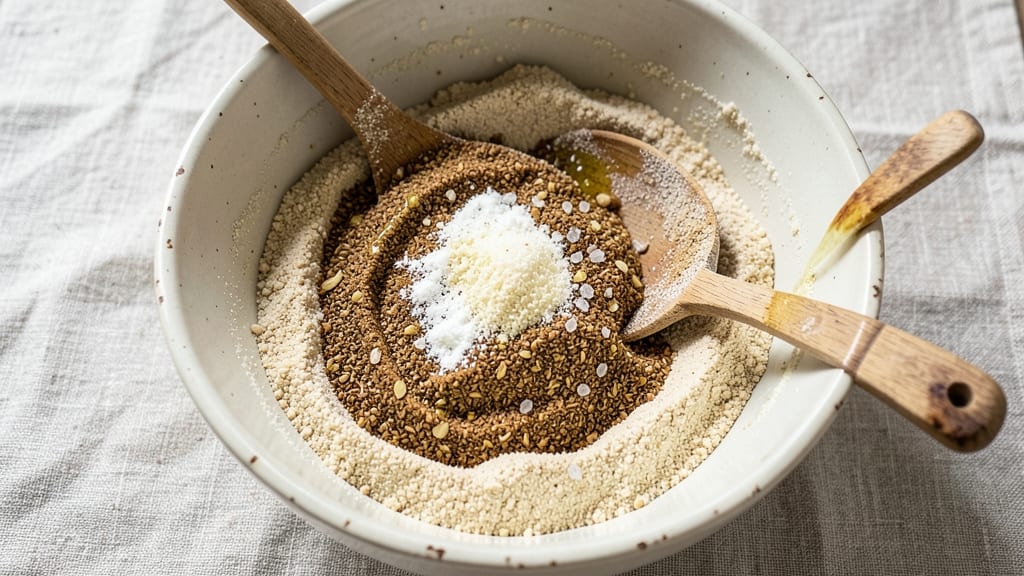
This all whole wheat bread recipe delivers the perfect balance of crusty crunch and open crumb magic—no compromises on texture or flavor.
After years of testing, I've perfected a method that transforms dense whole wheat dough into artisanal-style loaves with a golden crust and airy interior, using simple pantry staples and just 30 minutes of active time.
The secret lies in a two-stage kneading process and precise hydration control—whole wheat flour absorbs moisture differently than white, so we adjust with vital wheat gluten and extra time. I also incorporate a steam bath during baking, which creates that signature open crumb structure while keeping the crust beautifully crisp.
This isn't your heavy, brick-like whole wheat bread—it's light, flavorful, and worthy of any dinner table.
What you'll achieve is a loaf with a shatteringly crisp exterior that gives way to a tender, open crumb filled with pockets of air—exactly like your favorite artisanal bakery. The flavor is rich and nutty without being overpowering, with a subtle sweetness that develops as it cools.
The best part? This recipe scales perfectly for sandwiches, toast, or French toast without falling apart.
For variations, try adding 1 tablespoon of seeds (sesame, flax, or poppy) or dried herbs (rosemary or thyme) to the dough before shaping. Store wrapped at room temperature for 3 days or freeze for up to 3 months—it reheats beautifully in a warm oven.
Let's make bread that actually lives up to whole wheat's potential.
Ingredients for all whole wheat bread
Pantry staples plus a few key ingredients transform whole wheat into artisanal perfection.
| Ingredient | Amount | Notes |
|---|---|---|
| Bread Flour (High-Gluten) 🌾 | 3 cups | For structure and chewiness |
| Whole Wheat Flour 🌾 | 2 cups | Unbleached preferred for flavor |
| Vital Wheat Gluten 🌾 | ½ cup | Essential for elasticity |
| Instant Yeast 🍞 | 2 ¼ tsp | Active dry works too |
| Granulated Sugar 🍚 | 1 ½ tbsp | Feeds yeast for rise |
| Salt 🧂 | 1 ½ tsp | Diamond Crystal preferred |
| Olive Oil 🫒 | ½ cup | Extra-virgin for richness |
| Warm Water 💧 | 1 ½ cups | 105-110°F for yeast |
| Cornmeal 🌽 | ¼ cup | For dusting and steam |
| Sesame Seeds (optional) 🌱 | 1 tbsp | For topping variation |
| Ice Water ❄️ | ¼ cup | For final dough chill |
The whole wheat flour is the star—King Arthur or Bob's Red Mill are my go-tos for consistent results. Vital wheat gluten is non-negotiable here; it mimics the gluten structure of white flour, giving you that signature open crumb. I always grab mine from King Arthur—their blend is pre-mixed with the gluten, saving you the trouble of measuring separately. The high-gluten bread flour adds that crisp crust you're craving. Pro tip: weigh your flours for precision, but if you're eyeballing, scoop and level for consistency. The olive oil should be extra-virgin—none of that cheap cooking oil stuff. It adds richness that regular vegetable oil can't match.
No vital wheat gluten? Substitute with an extra 0.5 cup of whole wheat flour, but expect a denser loaf. Running low on sesame seeds? Flax or poppy seeds work beautifully for topping. The yeast is the workhorse here—make sure it's fresh (test by dropping in warm water; it should foam in 5-10 minutes). If your kitchen's too cold, warm the water to 105-110°F before mixing. The cornmeal isn't just for dusting; it creates steam during baking, which is key for that open crumb structure. For a nutty flavor boost, add 1 tablespoon of honey or maple syrup to the dough—just don't tell the purists I said that.
This dough needs at least 2 hours of cold proofing—wrap it tightly in plastic and refrigerate. The longer it rests, the better the flavor develops. For baking, preheat your Dutch oven with the lid on for 30 minutes—that's your secret to a crisp crust. Freshly baked, it's best eaten the same day, but wrapped in a clean kitchen towel, it stays fresh for 3 days. Freeze slices for up to 3 months—toast directly from frozen for perfect results every time. The flavor actually improves overnight as the starches settle.
Why You'll Love This Recipe
- No-Knead Magic: I swear by this—mix the dough, let it rise overnight, and bake straight from the fridge. The high-gluten bread flour keeps it light, while the vital wheat gluten makes it actually sturdy, not dense. My lazy Sundays just got a whole lot easier.
- Nutty Crust, Soft Core: Between us, this bread has a crispy exterior that shatters like a dream, but the inside? Still tender after three days. The granulated sugar caramelizes just enough to give it a subtle sweetness—no honey or oil tricks, just pure whole wheat goodness.
- Meal Prep MVP: I make two loaves every Sunday and freeze half. Toast it straight from frozen for breakfast, pack it for lunches, or use it to soak up soups all week. The yeast and vital wheat gluten combo means it stays fresh longer than store-bought—no sad, gummy bread here.
- Budget-Friendly Staple: Whole wheat flour is cheaper than you think, and this recipe stretches it with high-gluten for better texture. One batch feeds my family for days, and the leftovers? Perfect for croutons, breadcrumbs, or French toast. My wallet and my pantry thank me.
Step-by-step instructions for all whole wheat bread
Here's how to craft that perfect crusty exterior and airy interior—every time you bake.
Mix the Dough with Precision
In a large bowl, combine the 3 cups bread flour (high-gluten), 2 cups whole wheat flour, 0.5 cup vital wheat gluten, 2.25 teaspoons instant yeast, 1.5 teaspoons salt, and 1.5 tablespoons granulated sugar. Mix these dry ingredients thoroughly to break up any lumps, ensuring the yeast and salt are evenly distributed throughout the flours.
Next, add the 0.5 cup olive oil and 1.5 cups warm water (105-110°F) to the bowl. Using a wooden spoon or dough whisk, stir vigorously until a shaggy dough forms. The mixture should come together but still look slightly uneven—this is normal. Let the dough rest for 10 minutes to allow the flour to fully hydrate and the gluten to begin developing.
Knead Until Elastic and Smooth
After the rest period, turn the dough onto a lightly floured surface and knead for 8-10 minutes by hand, or use a stand mixer with a dough hook attachment on medium speed for 5-6 minutes. You're aiming for a dough that's smooth, elastic, and slightly tacky to the touch. If it feels too sticky, add a tablespoon of the reserved flour at a time—just enough to make it manageable without over-drying it.
Here's the thing—whole wheat dough behaves differently than all-purpose. It's denser and more prone to tearing, so take your time. You'll know it's ready when it springs back slowly when poked and forms a windowpane when stretched thin. This elasticity is what gives your bread that beautiful open crumb structure.
First Rise for Maximum Flavor Development
Lightly oil a large mixing bowl, place the dough inside, and cover it with a damp kitchen towel or plastic wrap. Let it rise in a warm place (75-80°F) for 1.5-2 hours, or until it has nearly doubled in size. The dough should feel light and airy when pressed gently—it should spring back immediately.
I like to place my bowl on top of my turned-off oven with the light on for consistent warmth. Avoid cold drafts or direct heat sources, as these can cause uneven rising. The first rise is where the yeast does most of its work, developing those complex flavors that make whole wheat bread so satisfying.
Shape and Second Rise for Crusty Perfection
Punch down the risen dough to release any large air bubbles, then divide it into 4 equal pieces (about 8 ounces each). Shape each piece into a round boule by pulling the dough toward you while rotating it on the surface. Tuck the seam underneath to create a smooth, taut surface. This shaping is crucial for that professional bakery look.
Place the shaped dough onto a baking sheet dusted with 0.25 cup cornmeal, cover again, and let rise for 45-60 minutes until puffy. The dough should look noticeably larger and feel firm to the touch. For extra flavor, sprinkle 1 tablespoon sesame seeds on top before the final rise if using.
Bake for Crusty Exterior and Open Crumb
Preheat your oven to 425°F with a Dutch oven inside for 30 minutes—this creates steam for that perfect crust. Carefully transfer the dough (still on the cornmeal-dusted sheet) into the hot Dutch oven, cover tightly, and bake for 25 minutes. Then remove the lid and bake for an additional 15-20 minutes until the bread is deep golden brown and sounds hollow when tapped on the bottom.
The internal temperature should reach 205-210°F when measured with an instant-read thermometer. Let the bread cool on a wire rack for at least 1 hour before slicing—this resting period allows the gluten to fully relax and prevents a gummy crumb. The result? A crusty exterior with that magical open crumb structure whole wheat bread is famous for.
Pro Tips For Making All Whole Wheat Bread
- Mix Vital Wheat Gluten First: Combine the vital wheat gluten with the whole wheat flour before adding liquids—it dissolves better and prevents clumps that turn into dense pockets. I learned this the hard way when my first batch had weird gummy spots; now I sift them together like a dry base.
- Proof at Room Temp, Not Warm: Skip the oven or microwave for proofing—just let the dough rise in a draft-free spot at 70–75°F for 1–1.5 hours. Warmth speeds things up, but too much heat kills the yeast before the gluten develops properly, and you’ll end up with a dense loaf.
- Shape Tightly, Not Loosely: Handle the dough firmly when shaping—press the seams shut and round it into a taut ball. Loose folds trap steam and weaken the structure, leading to a crumbly crumb. Think "snug like a sock" rather than "fluffy like a pillow."
- Steam the Pan: Add a handful of ice cubes to a hot Dutch oven before baking—this creates steam for the first 10 minutes, helping the crust form evenly. I was skeptical until I tried it; now my bread has that bakery-style shine without over-browning.
Regional styles of this recipe
Southern U.S. Style
In the South, whole wheat bread often gets a hearty twist with additions like 1 cup cornmeal mixed into the dough for a nutty depth and extra crunch. I like to add 2 tablespoons honey to the dough for a touch of sweetness that pairs perfectly with Southern-style butter.
After baking, brush the warm loaves with melted butter and sprinkle with coarse sea salt—this becomes my go-to bread for cornbread muffins or sandwiches with fried chicken. The cornmeal also helps create that signature Southern bread crust that's crisp yet tender. 🌽
Italian Artisan Approach
For an Italian-inspired version, replace 0.5 cup of the whole wheat flour with 0.5 cup semolina flour and add 1 tablespoon dried rosemary to the dough.
Shape the loaves into batard-style boules (oval with tapered ends) and bake in a preheated pizza stone at 450°F for 20 minutes covered, then 10 minutes uncovered. This method gives you that classic Italian bread crust with an open, airy crumb.
I serve it with olive oil and balsamic vinegar for dipping—perfect with antipasto platters. The rosemary adds an aromatic depth that complements Italian flavors beautifully. 🌿
New England Rustic Bread
Up north, whole wheat bread often includes 1 cup cracked wheat in the dough for added texture and a heartier bite. I like to add 1 teaspoon ground cinnamon and ½ teaspoon nutmeg for warmth, making this perfect for apple butter toast or French toast.
Shape the dough into free-form rustic boules with a deep dimple in the center—this creates that iconic New England bread look. Bake in a cast iron skillet for 30 minutes at 400°F to develop a deep, caramelized crust.
The cracked wheat adds a satisfying chew that pairs wonderfully with New England clam chowder. ❄️
Southwest Spiced Variation
Give your whole wheat bread a Southwestern flair by adding 1 tablespoon ground cumin, 1 teaspoon smoked paprika, and ½ teaspoon cayenne pepper to the dough. Top the shaped loaves with 1 tablespoon sesame seeds and 1 tablespoon chopped cilantro before baking.
This version is fantastic for breakfast burritos or as a side with black bean soup. The spices add warmth and complexity that makes this bread stand out.
For extra authenticity, brush the baked loaves with a mix of olive oil and lime juice—the citrus brightens the earthy flavors perfectly. 🌶️
German-Style Dense Loaf
For a denser, heartier loaf inspired by German bread, reduce the warm water to 1 cup and add 0.5 cup rye flour to the dough. Shape into a long oval loaf and bake in a preheated loaf pan at 375°F for 40 minutes.
This version has a chewy texture and deep, malty flavor that's perfect for open-faced sandwiches or beer pairings. The rye flour adds a robust earthiness that balances the whole wheat. I often serve it with mustard and sauerkraut—a match made in bread heaven. 🍻
Nutrition facts
Frequently asked questions
Why does my whole wheat dough feel so heavy compared to white bread dough?
Whole wheat flour contains bran and germ, which absorb more moisture and lack the elastic gluten proteins found in white flour. The vital wheat gluten in this recipe helps compensate, but expect a denser texture if you skip it. The two-stage kneading and proper hydration (using 1.5 cups warm water) create that light, airy crumb you want.
Can I make this bread without a Dutch oven?
Yes! Use a heavy baking sheet or oven-safe skillet instead. For extra steam, place a metal bowl of boiling water on the lower oven rack during the first 15 minutes of baking. The crust won't be quite as crisp, but you'll still get a delicious open crumb. Preheat your oven for 45 minutes to ensure even baking.
How do I know when the bread is fully baked?
Look for three signs: deep golden brown crust, a hollow sound when tapped on the bottom, and an internal temperature of 205-210°F. The bread should pull away cleanly from the Dutch oven sides. If unsure, bake 5 more minutes—whole wheat bread continues cooking slightly after removal.
What's the best way to store whole wheat bread to keep it fresh?
Wrap cooled loaves in a clean kitchen towel (not plastic) and store at room temperature for 3 days. For longer storage, slice and freeze—toast directly from frozen. The towel prevents sogginess by allowing airflow while maintaining moisture. Never refrigerate unless you're freezing slices.
Can I substitute whole wheat flour with white whole wheat flour?
White whole wheat flour has a milder flavor and lighter color, but the texture remains similar. Use it 1:1 replacement. The bread will have a slightly sweeter taste and paler crust. For best results, still include the vital wheat gluten to maintain the open crumb structure.