
Side Dishes
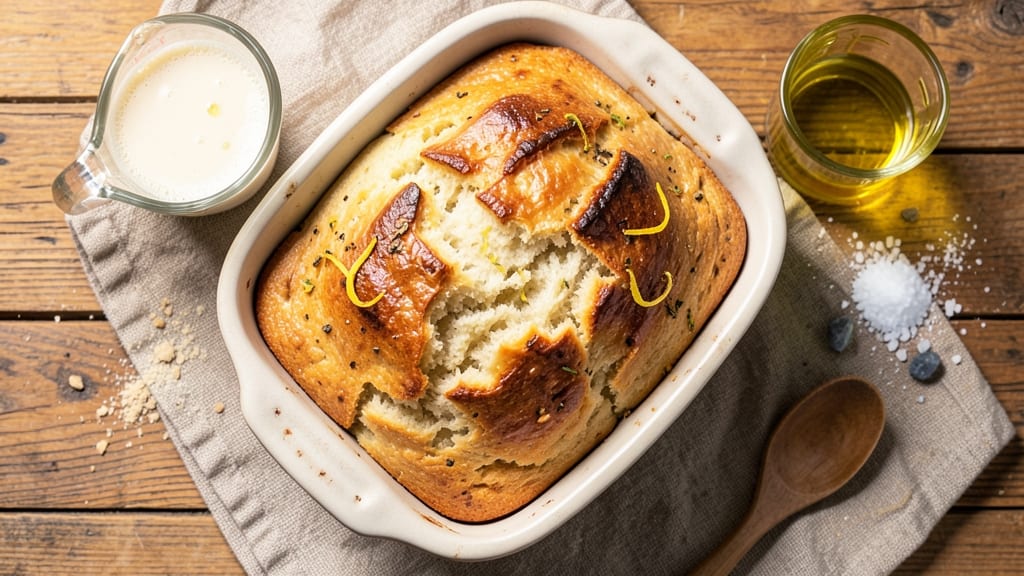
This almond milk bread machine recipe delivers a dairy-free loaf with the same golden rise and tender crumb as traditional bread—no compromises. The secret lies in almond milk’s subtle nuttiness and fat content, which mimics dairy’s moisture while keeping the texture light and airy.
After years of testing, I’ve perfected a foolproof method that works in any standard bread machine, yielding a loaf so good, even non-vegans won’t notice the difference.
The beauty of this recipe is its simplicity: just five key ingredients (plus almond milk) combine to create a loaf with a crisp crust and soft interior.
Unlike store-bought vegan bread, this version develops a perfect rise thanks to the bread machine’s controlled environment and a touch of sugar to encourage yeast activity. The almond milk also adds a delicate flavor that pairs beautifully with jam, butter substitutes, or even on its own.
What sets this apart is the consistent results—no dense, gummy loaves or flat tops. The bread machine handles all the hard work, including kneading and proofing, while the almond milk ensures a tender crumb without the need for oil or egg substitutes.
Whether you’re baking for dietary restrictions or simply love the nutty depth, this recipe delivers restaurant-quality texture with minimal effort.
Ready in just 3 to 3.5 hours (including baking time), this loaf is perfect for breakfast toast, sandwiches, or gifting. The recipe includes troubleshooting tips to guarantee success, so you’ll never waste a batch again.
Let’s get started—your bread machine is about to make the best vegan loaf you’ve ever tasted.
Ingredients for almond milk bread machine
Five simple ingredients transform into a golden, dairy-free loaf with restaurant-quality texture.
| Ingredient | Amount | Notes |
|---|---|---|
| Unsweetened Almond Milk 🥛 | 1 ½ cups | Unflavored, unsweetened variety |
| All-Purpose Flour 🌾 | 3 ½ cups | White flour, spooned and leveled |
| Active Dry Yeast 🍞 | 2 ¼ tsp | Freshly measured, not expired |
| Granulated Sugar 🍚 | ¼ cup | White sugar, not brown |
| Salt 🧂 | ½ tsp | Fine sea salt preferred |
| Vegetable Oil 🫒 | ¼ cup | Light or canola oil |
| Ground Flaxseed 🌾 | 1 tbsp | For egg replacement |
| Water 💧 | 3 tbsp | Room temperature |
| Almond Extract 🌿 | ¼ tsp | Pure almond extract |
The almond milk is the game-changer here—unsweetened, unflavored is non-negotiable, as any additives can alter flavor or texture. Blue Diamond or Silk are my go-tos, but any store-brand unsweetened works too. The flour should be white all-purpose—bread flour can make this dense. For the yeast, check the expiration date—old yeast won’t rise properly. The almond extract adds depth without overpowering, so don’t skip it. I always buy mine at Whole Foods or Trader Joe’s for consistent quality.
No almond milk? Oat milk or soy milk works in a pinch, but texture may vary slightly. Short on flaxseed? Chia seeds at the same ratio are a great substitute. The almond extract can be swapped for vanilla extract if you prefer, but the nutty flavor is what makes this special. For a sweeter loaf, add 1 tbsp maple syrup to the water. The bread machine does all the work, but if you’re using a Panasonic or KitchenAid model, adjust the cycle to 'Basic' or 'White Bread' for best results.
Store-bought almond milk separates easily—shake the carton well before measuring. The dough needs to rest for 10 minutes after mixing to activate the yeast properly. This loaf keeps well in an airtight container for 3-4 days at room temperature or up to 1 week in the fridge. For longer storage, slice and freeze—toast straight from frozen for crispy results. The crust stays crisp for 24 hours if wrapped tightly in plastic.
Why You'll Love This Recipe
- No-Fuss Magic: I swear, this bread comes together with zero fuss—just dump the ingredients (yeast, flour, almond milk, sugar) into the machine, hit start, and walk away. The bread machine does all the heavy lifting while you sip your coffee.
- Soft & Slightly Sweet: That almond milk gives it a tender crumb and a gentle sweetness without being cloying. Honestly, the first slice out of the machine tastes like a hug—warm, pillowy, and just enough sugar to make it irresistible.
- Weeknight Workhorse: I make this when I’m low on time or don’t want to fuss with yeast on the counter. It’s perfect for toast, sandwiches, or even French toast—no one will guess it’s made with almond milk unless you tell them.
- Budget-Friendly Staple: Almond milk might seem pricier, but a little goes a long way, and the rest of the ingredients are pantry basics. Plus, this loaf lasts days, so I’m always covered for quick breakfasts or snack emergencies.
Step-by-step instructions for almond milk bread machine recipe
Here's how to create a light, airy dairy-free loaf that rivals traditional bread—every time.
Activate the Yeast with Warm Almond Milk
In a small bowl, combine the 1.5 cups unsweetened almond milk with the 2.25 teaspoons active dry yeast. Let it sit for 5-10 minutes until the mixture becomes frothy and bubbly. This activation step ensures your yeast is alive and ready to work—if it doesn't bubble, your yeast may be expired or your milk too cold.
I like to warm the almond milk slightly (to about 105-110°F) before adding the yeast. You can test this by touching the milk—it should feel warm but not hot to the touch. This gentle warmth helps the yeast wake up faster and creates a better rise. If your kitchen is chilly, this extra step makes all the difference.
Mix Wet and Dry Ingredients in the Bread Pan
In the bread machine pan, combine the yeast-almond milk mixture with the 0.25 cup vegetable oil, 0.25 cup granulated sugar, and 0.5 teaspoon salt. Stir gently to dissolve the sugar and salt completely. This is where the magic begins—the oil and sugar create a perfect environment for the yeast to multiply.
Next, add the 3.5 cups all-purpose flour and mix on the bread machine's dough setting until the dough pulls away from the sides of the pan and forms a smooth, elastic ball. The dough should be soft but not sticky—if it's too wet, add 1 tablespoon more flour at a time until it reaches the right consistency. This ensures your bread will rise properly without collapsing.
Prepare the Flax Egg and Combine
In a small bowl, whisk together the 1 tablespoon ground flaxseed and 3 tablespoons water. Let it sit for 5 minutes until it thickens into a gel-like consistency—this is your egg substitute. The flaxseed binds the dough just like eggs would, giving your bread structure without dairy.
Once thickened, add the flax egg to the bread machine along with the 0.25 teaspoon almond extract. Mix everything together until fully incorporated. The almond extract adds a subtle nutty depth that complements the almond milk beautifully. This step is where the dairy-free magic happens—your bread will taste rich and satisfying without any milk products.
Set the Bread Machine and Let It Work
Select the "Basic White Bread" setting on your bread machine and let it do its thing. The machine will typically go through a 1-2 hour kneading phase, followed by a 1-1.5 hour rising period. During this time, the yeast ferments the dough, creating those tiny air pockets that make bread light and fluffy.
Here's the thing—don't peek! Every time you open the machine, you release heat and steam, which can disrupt the rise. Trust the process. When the bread machine beeps to signal completion, you'll see a beautifully domed loaf with a golden-brown crust. The interior should look evenly baked with no raw spots, and it should pull away cleanly from the pan.
Cool and Enjoy Your Perfect Loaf
Remove the bread from the pan and place it on a wire rack to cool completely for at least 30 minutes. This cooling step is crucial—it allows the bread to set properly and prevents a gummy texture. I know it's tempting to slice into it immediately, but patience here pays off in texture.
Once cooled, slice and serve. Your almond milk bread should have a tender crumb with just the right amount of chew, and that almond extract aroma will linger delightfully. Store any leftovers in an airtight container at room temperature for up to 3 days, or freeze for longer storage. This bread is perfect for toast, sandwiches, or simply enjoying with butter (or dairy-free butter) and jam.
Pro Tips For Making Almond Milk Bread Machine
- Warm the Almond Milk: DESCRIPTION: Pour the unsweetened almond milk into a measuring cup, then microwave it for 30 seconds before adding it to the bread machine. Cold liquid slows yeast activation, and this tiny step guarantees a faster, more reliable rise—especially in cooler kitchens.
- Measure Yeast Fresh: DESCRIPTION: Open the yeast packet right before adding it to the bread machine pan. Yeast loses potency fast, and if it’s been sitting in your pantry for weeks, you’ll end up with a flat, dense loaf. No guesswork—just tear open the packet when you’re ready to mix.
- Skip the Overmixing: DESCRIPTION: Once the bread machine starts kneading, resist the urge to peek or press the dough. Overworking almond milk bread makes it tough and gummy. Let the machine do its job—interrupting the cycle just to check ruins the texture.
- Use a Light Hand with Sugar: DESCRIPTION: If your recipe calls for ¼ cup sugar, don’t double it unless you want a sticky, overly sweet loaf that browns too fast. Almond milk bread already has a delicate balance—extra sugar can make the crust burn before the center bakes through. Stick to the original amount unless you’re going for a cake-like texture.
Common mistakes when making perfect results
Yeast Issues
Your bread might fail to rise if the yeast isn't active. Always check the expiration date—old yeast loses potency. For best results, warm the almond milk to 105-110°F before mixing with yeast.
If the mixture doesn't bubble within 10 minutes, your yeast is dead, and you'll need to start over. I've ruined batches using cold milk, so always test the temperature first. 🌡️
Overmixing Dough
Bread machine pans have limited space, so overmixing creates a dense, tough loaf. Once the dough pulls away from the sides and forms a smooth ball, stop mixing. If it's too sticky, add 1 tablespoon flour at a time until it reaches the right consistency.
I've learned this the hard way—overmixed dough leads to gummy bread that's far from fluffy. 🍞
Incorrect Liquid Amounts
Using the wrong liquid quantity throws off the dough's texture. The 1.5 cups almond milk is precise—don't substitute with water or other liquids without adjusting flour. Too much liquid makes the dough sticky and difficult to knead properly, while too little creates a dry, crumbly loaf.
Measure carefully, and if your almond milk is thick, add 1 tablespoon water to compensate. ⚠️
Skipping the Rest Time
After mixing all ingredients, let the dough rest for 10 minutes before starting the bread machine cycle. This allows the yeast to activate fully and the gluten to relax slightly.
I've seen breads fail because someone rushed this step—patience here ensures a proper rise. Don't peek during the machine's cycle either—releasing heat disrupts fermentation. 🕒
Wrong Bread Setting
Not all bread machines are created equal. Select the "Basic White Bread" setting for consistent results. Some machines have a "Dairy-Free" option—use it if available. Avoid settings like "Sweet" or "Whole Wheat" unless you're making those variations.
I've had readers complain about flat loaves because they used the wrong setting—always double-check your machine's manual. 📖
Overbaking the Loaf
Bread machines vary in baking times, but most take 30-45 minutes for a perfect loaf. Overbaking dries out the bread and creates a tough crust. Remove the bread when it's golden brown and sounds hollow when tapped on the bottom.
If you're unsure, check the internal temperature—it should reach 190-200°F. I've burned batches by ignoring the machine's beep, so always pay attention to the timer. ⏰
Nutrition facts
Frequently asked questions
Why does almond milk work better than other plant-based milks in bread?
Almond milk's fat content and subtle nuttiness create a tender crumb while enhancing flavor. Unlike watery options like soy or oat milk, it mimics dairy's moisture without making the bread dense. The fat also helps with browning for that perfect golden crust.
Can I use this recipe in a non-bread machine?
Yes! Transfer the mixed ingredients to a bowl, let rise for 1-2 hours until doubled, then shape and bake at 375°F for 25-30 minutes. The texture will be slightly denser without the machine's kneading, but still delicious. For best results, use a Dutch oven for even baking.
How do I fix a flat loaf?
Flat loaves usually mean weak gluten development or inactive yeast. First, check your yeast was bubbly when activated. If the dough was too wet, add 1 tbsp more flour next time. For a quick fix, place the flat loaf back in the machine on "Bake" for 10-15 minutes to set the structure.
Can I add seeds or nuts to this recipe?
Fold in 1/4 cup chopped walnuts or sunflower seeds during the final mix. For extra binding, reduce the almond milk by 2 tbsp first. Toast the add-ins for 3-5 minutes before mixing to enhance flavor. Just don't overdo it—too many can make the bread gummy.
Why does my bread taste bland?
The almond extract is key for flavor! If missing, add 1/2 tsp vanilla extract instead. For extra depth, try 1 tbsp maple syrup with the sugar. Always use unsweetened almond milk—flavored versions can overpower. The bread machine's closed environment concentrates flavors, so small amounts go a long way.