
Side Dishes
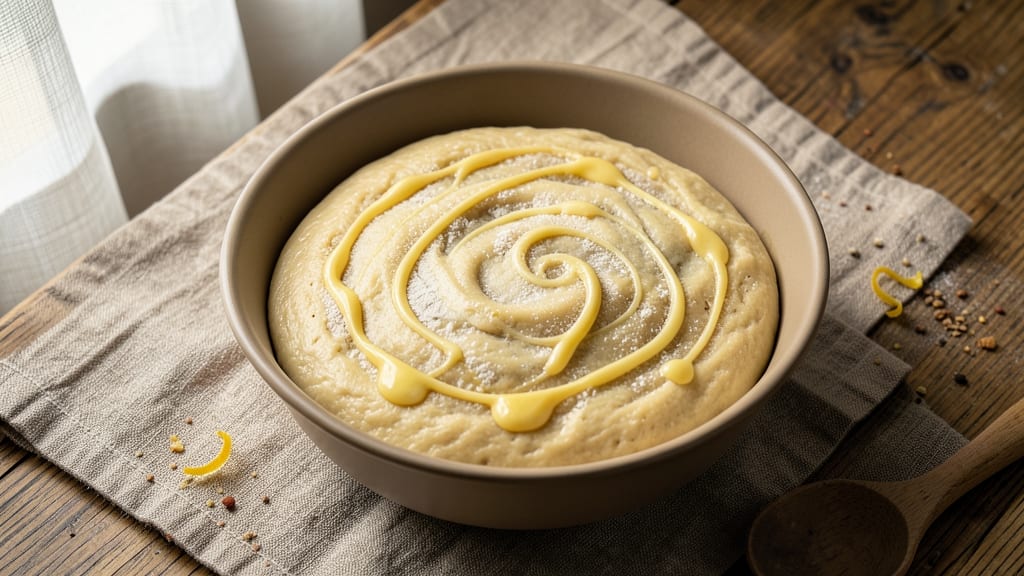
This Albany bread recipe delivers the perfect balance of sweet, nutty richness and a crispy golden crust—just like the classic bread that became a staple in Albany, New York.
The secret lies in a vanilla-infused dough swirled with toasted walnuts, creating a texture that’s slightly dense yet tender, with a caramelized crown that’s hard to resist.
I’ve perfected this recipe over years of baking, ensuring every slice stays moist while developing that signature crust that makes it worth the wait.
The beauty of Albany bread is in its simplicity: just a few ingredients—flour, sugar, butter, eggs, and walnuts—transformed through careful fermentation and baking. The dough rises slowly, allowing flavors to meld and develop depth, while the walnut swirl adds a satisfying crunch that contrasts beautifully with the soft interior.
This isn’t just bread; it’s a nostalgic, comforting treat that pairs perfectly with coffee or tea, making it ideal for breakfast, brunch, or even dessert.
What sets this recipe apart is the crusty crown—achieved by scoring the dough before baking and brushing with butter while it bakes. The result? A bread with a crisp exterior and a tender, slightly sweet crumb that’s impossible to eat just one slice of.
Whether you’re serving it warm with butter or saving leftovers for toast, this Albany bread is a crowd-pleaser that feels like a hug in every bite.
Ready to bake? The process is straightforward, but the payoff is worth it. Let’s get started on a loaf that tastes like home.
Ingredients for albany bread
Eight essential ingredients transform into nostalgic Albany bread with vanilla-walnut swirls and crispy crown.
| Ingredient | Amount | Notes |
|---|---|---|
| All-Purpose Flour 🌾 | 5 cups | Spooned and leveled for accuracy |
| Granulated Sugar 🍚 | ½ cup | White or light brown preferred |
| Unsalted Butter 🧈 | 1 cup | Cold, cubed for easier mixing |
| Large Eggs 🥚 | 2 whole | Room temperature for even mixing |
| Pure Vanilla Extract 🌿 | 2 tsp | High-quality, not imitation |
| Instant Yeast 🍞 | 2 tsp | Not active dry yeast |
| Warm Water 💧 | 1 ¼ cups | 110°F for optimal yeast activation |
| Salt 🧂 | ½ tsp | Diamond Crystal preferred |
| English Walnuts 🥜 | 1 ½ cups | Toasted until fragrant |
| Powdered Sugar 🍚 | ¼ cup | For dusting finished loaf |
| Coarse Sugar 🍚 | ¼ cup | For sprinkling on top crust |
| Unsalted Butter 🧈 | 2 tbsp | Melted for brushing crust |
The flour is the backbone of this recipe—King Arthur or Gold Medal work best for that tender crumb. Unsalted butter matters here; Plugrá or Land O'Lakes are reliable choices. Toast the walnuts in a dry pan until fragrant—this adds depth that raw nuts can't match. The yeast should be fresh; if it's older than six months, test it first in warm water to confirm it bubbles. For the vanilla, Nielsen-Massey is my go-to, but any pure extract will do. The sugar can be white or light brown, but avoid dark brown—it'll overpower the delicate vanilla flavor.
No instant yeast? Use active dry yeast at half the amount—just dissolve it in warm water first. Running short on powdered sugar? Crush granulated sugar finely in a blender. The walnuts can be substituted with pecans, though the flavor will shift slightly. For a nut-free version, omit entirely and add extra vanilla. The butter for brushing the crust? Don't skip this step—it's what creates that signature caramelized crown. If you're baking in a humid climate, increase the coarse sugar to 0.375 cup for extra crunch.
This dough keeps beautifully—up to 24 hours in the fridge if you want to bake overnight. For best results, let it rise at room temperature for 1-2 hours before baking. Once baked, store wrapped at room temperature for 3 days or freeze for up to 3 months. To revive frozen bread, wrap tightly and thaw at room temperature. The walnut swirls stay fresh longer than the surrounding dough, so if you're making multiple loaves, freeze the dough before shaping—it'll keep for 2 weeks in the freezer.
Why You'll Love This Recipe
- No-Fuss Mixing: I swear, this bread comes together with three bowls—flour, wet ingredients, and eggs—and a hand mixer. No kneading, no fuss, just dump, stir, and bake. My lazy Sunday mornings have never been happier.
- Buttery Sweet Magic: That sugar-butter combo? It’s like a warm hug for your taste buds. The vanilla ties it all together—rich, slightly caramelized, and just sweet enough to make you want to eat it straight from the loaf. (I’ve been tempted.)
- Breakfast to Dessert: Serve it toasted with jam for breakfast, slathered with butter for a snack, or even drizzled with honey for dessert. It’s the chameleon of breads—works for brunch, picnics, or when you just need something quick to satisfy a craving.
- Budget-Friendly Stretch: A single batch costs pennies and keeps well for days. I’ve had it last a week in my fridge, perfect for toast or French toast. Plus, you’re using pantry basics—no specialty ingredients to break the bank. Win-win.
Step-by-step instructions for Albany bread recipe: vanilla-infused walnut swirls with crusty crown
Mastering this recipe delivers a golden crust and fragrant vanilla-walnut swirls every time.
Mix the Dough Foundation
In a stand mixer fitted with the dough hook, combine the 5 cups all-purpose flour, 0.5 cup granulated sugar, 2 tsp instant yeast, and 0.5 tsp salt. Mix on low speed for 30 seconds to blend evenly. This creates a homogeneous base before adding wet ingredients.
Next, add the 1 cup cold cubed unsalted butter. Mix on low speed until the butter is fully incorporated and the mixture resembles coarse crumbs. Cold butter develops flavor and creates flaky layers later. Stop mixing when the dough begins to clump together—overmixing develops gluten too early.
Hydrate and Knead the Dough
In a separate bowl, whisk together the 2 whole large eggs, 2 tsp pure vanilla extract, and 1.25 cups warm water (about 110°F). Gradually pour this liquid mixture into the mixer while mixing on low speed. The dough will come together as the liquid hydrates the flour.
Switch to medium speed and knead for 5-7 minutes until the dough is smooth, elastic, and pulls away from the sides of the bowl. You'll notice it forms a tight, cohesive ball that springs back when pressed. If the dough feels too sticky, add 1 tablespoon flour at a time until it reaches the perfect consistency.
Create the Walnut Swirl Dough
Divide the dough into two equal portions (about 2 cups each). On a lightly floured surface, roll one portion into a 12-inch rectangle (about ¼-inch thick). Sprinkle evenly with 1.5 cups toasted English walnuts, leaving a ½-inch border around the edges.
Roll the other dough portion into a similar rectangle and place it over the walnut layer. Gently press to seal the edges, then roll the entire rectangle tightly into a log. Seal the seam by pinching the dough together. This creates the signature walnut swirl that will bake into rich, nutty pockets.
Shape and Proof the Loaf
Place the walnut log seam-side down in a 9x5-inch loaf pan that's been lightly greased with 2 tbsp melted unsalted butter. Shape the dough to fill the pan completely, pressing gently to eliminate air pockets. Cover the pan with a damp kitchen towel and let it rise in a warm place for 1-1.5 hours until it expands to about 1 inch above the pan's rim.
While the dough proofs, preheat your oven to 350°F. The dough should feel springy when pressed gently with a fingertip—this confirms it's ready for baking. If it doesn't rise enough, let it proof for another 30 minutes. Overproofing causes a dense crumb, so timing matters.
Bake to Golden Perfection
Remove the towel and brush the top of the dough with 2 tbsp melted unsalted butter. Sprinkle evenly with 0.25 cup coarse sugar for a sweet, caramelized crust. Bake for 45-50 minutes until the bread reaches an internal temperature of 190°F and the top is deep golden brown.
For the final touch, dust the warm loaf with 0.25 cup powdered sugar while still in the pan. Let it cool in the pan for 10 minutes before transferring to a wire rack. This resting period allows the bread to set properly, preventing crumbly texture. The result is a perfectly balanced loaf with a crisp crust and moist, flavorful interior.
Pro Tips For Making Albany Bread
- MEASURE BUTTER COLD: Albany bread’s signature flakiness comes from cold butter cutting into the dough—not warm, greasy globs. Scoop it straight from the fridge (or freeze it 15 minutes first) and cut it into ½-inch cubes. I used to eyeball it, but now I weigh it—227g for the recipe—and resist the urge to let it soften while mixing.
- WHISK EGGS ROOM TEMP: Cold eggs blend unevenly and can leave lumps in the batter, making the bread dense. Crack them into a bowl 10 minutes before mixing and let them sit out. I learned this the hard way after a batch turned out like a brick—no one wants to slice through that for toast.
- DON’T OVERMIX THE BATTER: Albany bread’s tender crumb disappears if you beat the batter into submission. Mix just until the dry ingredients disappear—about 20 strokes with a spatula—and stop before it looks like cookie dough. Overmixing develops gluten, and trust me, you don’t want chewy bread here.
- BAKE UNTIL 200°F INTERNALLY: The recipe might say "golden brown," but pull it out at 200°F (93°C) for perfect doneness—moist but set, not gummy. I used to rely on visual cues alone and ended up with underbaked centers that sogged the whole loaf. A thermometer takes the guesswork out.
Perfect pairings for this albany bread
Coffee Pairings
Albany bread’s sweet vanilla and nutty walnut swirls make it a perfect companion to rich, medium-roast coffees. I love pairing it with a French roast like Peet’s Major Dickason’s Blend—the bold, slightly bitter notes cut through the bread’s sweetness beautifully.
For a lighter option, try a breakfast blend such as Starbucks Pike Place, which highlights the vanilla’s aroma without overpowering the walnuts. ☕
Tea Complements
Herbal and black teas both work wonderfully with this bread. A chamomile tea with honey enhances the vanilla’s warmth, creating a soothing, comforting experience. For something bolder, an Earl Grey—with its bergamot notes—adds a citrusy brightness that contrasts nicely with the walnut’s richness.
I often serve it warm with a slice of this bread for a cozy afternoon treat.
Butter Spreads
Don’t underestimate the power of a simple butter spread! Salted caramel butter (mix ½ cup softened butter with 2 tbsp caramel sauce and a pinch of flaky sea salt) elevates every bite.
For a savory twist, try herbed goat cheese butter—combine ½ cup softened butter with ¼ cup crumbled goat cheese, 1 tbsp chopped fresh thyme, and a crack of black pepper. Spread generously on warm slices for a luxurious touch. 🧈
Fruit Accents
Fresh fruit adds a refreshing contrast to the bread’s sweetness. Thinly sliced pear or apple (tossed in lemon juice to prevent browning) pairs beautifully with the walnuts. For something tropical, try mango slices—their natural sweetness complements the vanilla perfectly.
I also love adding a few raspberries for a tart pop of flavor that balances the richness. 🍎
Cheese Pairings
For a savory twist, serve Albany bread with aged cheddar or brie. The sharpness of sharp cheddar (like Cabot Clothbound Cheddar) cuts through the sweetness, while brie’s creamy texture adds a luxurious contrast.
I often pair it with a slice of smoked gouda for a smoky depth that enhances the walnut’s nuttiness. Perfect for a charcuterie board or a simple snack. 🧀
Seasonal Variations
In summer, I love serving Albany bread with strawberry jam and a sprinkle of crushed pistachios for a festive touch.
During the holidays, a spiced rum butter (mix ½ cup softened butter with 1 tbsp brown sugar, ½ tsp cinnamon, and 1 tsp rum) turns it into a festive treat. The possibilities are endless—experiment to find your favorite combination! 🎄
Nutrition facts
Frequently asked questions
Why does Albany bread have walnuts?
The walnuts are a signature feature of this recipe, adding both texture and flavor. They create satisfying crunchy pockets while their natural oils help keep the bread moist longer. The toasted walnuts also develop deeper, nuttier flavors that complement the vanilla and sugar beautifully.
Can I make Albany bread without a stand mixer?
You can mix the dough by hand in a large bowl using a wooden spoon or your hands. For kneading, work the dough on a floured surface for about 8-10 minutes until it becomes smooth and elastic. Just be prepared for slightly more arm work than with a mixer.
How do I know when the dough is properly proofed?
The dough is ready when it's about 1 inch above the pan's rim and feels springy when pressed gently with your fingertip. If it springs back slowly, it needs more time. If it leaves a dent that doesn't bounce back, it's overproofed—this will make your bread dense.
What if my bread turns out too dense?
Dense bread usually means the dough was overproofed or didn't get enough kneading. Next time, check the proofing time carefully and ensure you knead until the dough is smooth and elastic. Also, make sure your yeast is fresh—old yeast won't activate properly and can lead to poor rise.
Can I substitute walnuts with another nut?
Yes, you can use pecans or hazelnuts instead, though the flavor will differ slightly. Toast them first for best results. If you prefer a nut-free version, simply omit the walnuts and add an extra ½ teaspoon vanilla extract to maintain the sweet aroma.