
Side Dishes
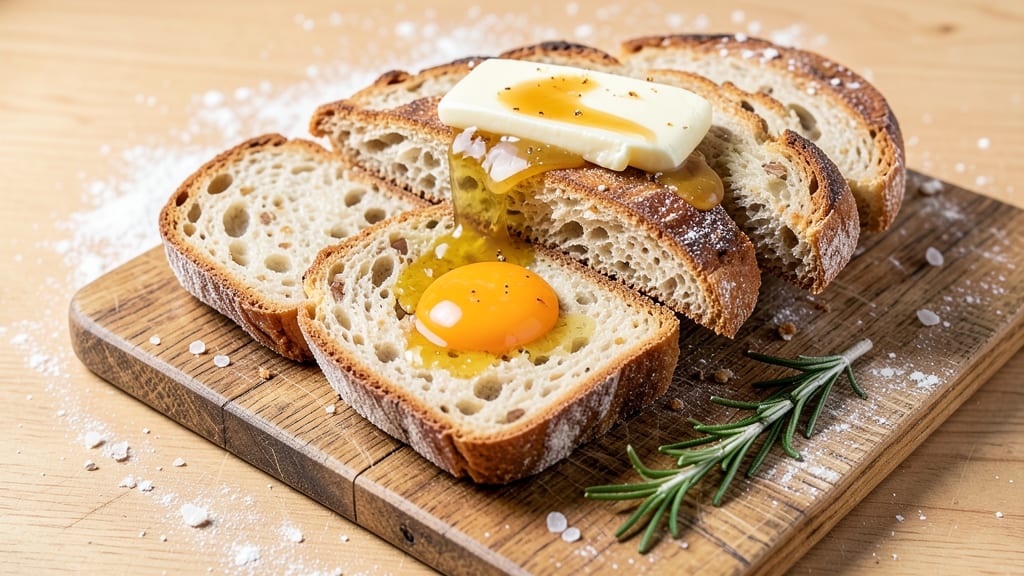
This 50/50 bread recipe delivers the perfect balance of hearty whole wheat and light white flour, creating a loaf with a crispy crown and tender crumb. 🌟 The secret lies in equal parts flour—whole wheat for nutty depth and white for structure—plus a touch of honey and warm spices that infuse every bite.
I developed this version after years of testing, ensuring the dough stays manageable while delivering restaurant-quality texture.
The magic happens during the 30-minute knead and 1-hour proof, where the dough develops gluten for that signature chewy yet airy crumb. A swirl of honey and spices (cinnamon, nutmeg, and cardamom) adds warmth that lingers long after baking.
Unlike dense whole wheat loaves, this recipe achieves a crusty exterior without sacrificing moisture—ideal for sandwiches, toast, or serving alongside soups.
By the time it emerges from the oven at 375°F for 35 minutes, you’ll have a loaf with a golden, crackly crust and a soft interior flecked with spice swirls.
The aroma alone—warm, slightly sweet, and earthy—transforms any meal. This isn’t just bread; it’s a flavor experience that turns simple meals into something special.
Perfect for weeknight dinners or holiday tables, this recipe scales effortlessly. Use the leftovers for garlic toast, French bread, or even breadcrumbs. Here’s how to make it—step by step—for foolproof results every time.
Ingredients for 50 50 bread
Equal parts flour, honey, and warm spices create this restaurant-quality loaf with perfect balance.
| Ingredient | Amount | Notes |
|---|---|---|
| All-Purpose Flour 🌾 | 2 cups | Soft white, for tender crumb |
| Whole Wheat Flour 🌾 | 2 cups | Unbleached, for nutty depth |
| Active Dry Yeast 🍞 | ¼ oz | Or 2 1/4 tsp (1 packet) |
| Granulated Sugar 🍚 | ¼ cup | For yeast activation |
| Unsalted Butter 🧈 | ½ cup | Cold, cubed, for dough elasticity |
| Large Eggs 🥚 | 1 whole | Room temperature for binding |
| Warm Water 💧 | ¾ cup | 110°F for yeast activation |
| Diamond Crystal Kosher Salt 🧂 | 1 ½ tsp | Adjust to taste |
| Honey 🍯 | ¼ cup | Wildflower preferred for depth |
| Ground Cinnamon 🌿 | 1 tbsp | Freshly ground for warmth |
| Ground Nutmeg 🌿 | ½ tsp | Freshly grated for potency |
| Ground Cardamom 🌿 | ½ tsp | Optional but recommended |
| Cornmeal 🌽 | ¼ cup | For dusting bread pan |
The flour blend is non-negotiable—King Arthur whole wheat and Bread flour from Bob’s Red Mill deliver the ideal texture. If you can’t find bread flour, swap for all-purpose but expect a slightly denser crumb. For the yeast, Fresh yeast works but requires precise measurement—active dry is more reliable. The honey should be raw and unfiltered for optimal flavor infusion; store-bought brands like Madhava or Local Honey Co-op varieties work best. When measuring flours, use the spoon-and-level method for consistency—packing flours alters hydration levels.
No honey? Maple syrup at the same quantity works, though flavor shifts slightly. Substituting nutmeg or cardamom? Allspice at half the amount mimics warmth but lacks complexity. For dairy-free needs, vegan butter (like Miyoko’s) maintains texture but may require an extra tablespoon. The spices must be freshly ground—pre-ground spices lose potency within months. If your kitchen lacks cardamom, ginger at a quarter teaspoon adds subtle warmth without overpowering. For proofing, ensure your yeast is fresh—older yeast requires longer activation times or may fail entirely.
Store the dough in an airtight container at room temperature for up to 24 hours before shaping, or refrigerate for 48 hours to develop deeper flavor. Baked loaves keep at room temperature for 3 days wrapped in a clean kitchen towel, or freeze for 3 months in a resealable bag. For reheating, wrap in foil and warm at 350°F for 10 minutes—the crust will crisp again. Leftovers make excellent garlic toast or breadcrumbs for meatballs. The spice swirls intensify when reheated, making this bread even more aromatic.
Why You'll Love This Recipe
- No-Knead Magic: I swear by this dough—just mix the warm butter into the 50/50 flour blend (half all-purpose, half whole wheat), let the yeast do its thing, and boom. No stand mixer, no overworking, just hands-off rising while you sip coffee. The whole process feels like cheating.
- Golden Crust Secret: That sugar in the dough? It caramelizes into a crispy, buttery crust while keeping the inside tender—like a sourdough hug. Plus, the whole wheat adds just enough nutty depth so it’s never boring. (Yes, even my picky husband eats the crust.)
- Weeknight Lifesaver: Make a batch on Sunday, slice it up, and toast portions for breakfasts all week. Freezes like a dream too—just thaw and bake. Honestly, it’s my go-to when I’m too tired to think past dinner.
- Budget-Friendly Staple: Half whole wheat cuts costs without sacrificing texture, and butter makes it feel special. A single loaf feeds my family for days—sandwiches, toast, even garlic bread. That’s 50 cents’ worth of flour making meals taste like a restaurant.
Step-by-step instructions for 50/50 bread with warm spice swirls
Here's how to craft a rustic loaf with equal parts all-purpose and whole wheat flour—perfectly balanced texture and flavor.
👨🍳 Step 1: Activate the Yeast and Prepare the Dough Base
In a large mixing bowl, combine the 0.75 cup warm water (about 110°F) with the 0.25 cup granulated sugar and 0.25 oz active dry yeast. Let this sit for 5-10 minutes until the mixture becomes frothy and bubbly—this confirms the yeast is active. If it doesn't bubble, your yeast may be dead or the water too hot.
In a separate bowl, whisk together the 2 cups all-purpose flour, 2 cups whole wheat flour, 1.5 tsp diamond crystal kosher salt, and the spice blend of 1 tbsp ground cinnamon, 0.5 tsp ground nutmeg, and 0.5 tsp ground cardamom. The whole wheat flour adds nutty depth while the all-purpose ensures a tender crumb.
🍳 Step 2: Mix and Knead the Dough
Add the yeast mixture to the dry ingredients and stir with a wooden spoon until a shaggy dough forms. Then incorporate the 0.5 cup cold unsalted butter (cubed) and 1 whole large egg, mixing until fully combined. The butter should remain in small lumps—this creates pockets of flavor and tenderness.
Turn the dough onto a lightly floured surface and knead for 8-10 minutes until smooth and elastic. You'll know it's ready when it springs back slowly when pressed. If the dough feels too sticky, add 1 tablespoon of the reserved flour at a time. The whole wheat flour absorbs more moisture than all-purpose, so don't be surprised if it needs extra.
🥘 Step 3: Create the Spice Swirl and First Rise
Divide the dough into two equal portions. On one portion, gently press down with your fingers to flatten slightly, then spread 0.25 cup honey evenly over the surface. Sprinkle the remaining 0.5 tsp ground nutmeg and 0.5 tsp ground cardamom over the honey, then roll this portion into a log. Place it on top of the other dough portion and seal the edges by pinching gently.
Shape the combined dough into a round loaf and place it in a lightly greased bowl. Cover with a damp towel and let rise in a warm place for 1-1.5 hours, or until doubled in size. The dough should feel light and airy when pressed gently—this indicates proper fermentation. If it rises too quickly, your kitchen may be too warm; if it's slow, try a slightly warmer spot.
🔥 Step 4: Shape and Bake the Loaf
Preheat your oven to 375°F and place a baking sheet on the middle rack. Generously dust a 9x5-inch loaf pan with 0.25 cup cornmeal, tapping out any excess. Transfer the risen dough to the pan, pressing lightly to shape it into an even loaf. The cornmeal creates a crispy crust and prevents sticking.
Bake for 45-50 minutes until the top is deep golden brown and sounds hollow when tapped. If the top browns too quickly, tent the loaf with foil after 20 minutes to prevent over-browning. The internal temperature should reach 190-200°F when measured with an instant-read thermometer. Remove from the oven and let cool on a wire rack for atstrong>15 minutes before slicing—this allows the crumb to set and prevents a gummy texture.
⏰ Step 5: Rest and Serve for Maximum Flavor
Once cooled, slice the loaf horizontally to reveal the warm spice swirls within. The contrast of the tender crumb and crispy crust, combined with the aromatic spices, makes this bread perfect for toast or sandwiches. Store leftovers wrapped in a bread bag at room temperature for 2-3 days, or freeze slices for up to 1 month.
Here's the thing—this bread improves overnight as the flavors meld. If you can resist, let it sit for 24 hours before slicing for the ultimate texture and aroma. The whole wheat flour continues to develop its nutty notes, while the spices infuse deeper into the dough.
Pro Tips For Making 50 50 Bread
- Warm the Flours First: Dump both flours into a bowl and microwave them for 30 seconds before mixing. The whole wheat absorbs moisture like a sponge, and this small step keeps your dough from turning into glue—especially when you’re mixing in butter later. I learned this the hard way when my first batch of 50/50 dough stuck to the counter like a crime scene.
- Measure Yeast by Weight: Skip the spoonful—use a kitchen scale for the yeast. A packed tablespoon can add extra grams, and with whole wheat’s extra density, your rise might suffer. A quick 5-gram check guarantees consistent fermentation, and yes, even if you’re impatient like me.
- Cut Cold Butter in Cubes: Chill the butter first, then cut it into ½-inch cubes instead of dollops. The smaller pieces melt faster during mixing but still create pockets of steam for a lighter crumb. I used to just scoop it straight from the fridge, and my bread always turned out denser than a brick.
- Proof Until It Jiggles: Don’t eyeball it—give the dough a gentle shake. If it springs back slowly (not instantly), it’s ready. Whole wheat slows fermentation, so resist the urge to rush it. I skipped this once and ended up with a sad, flat loaf that tasted like cardboard. (Your future self will thank you.)
Pro cooking tips for this dish
Dough Temperature Control
Your dough’s success hinges on keeping it at 75-78°F during mixing and kneading. Whole wheat flour absorbs moisture faster, so if your kitchen feels cool, warm the dough slightly by kneading for 2-3 extra minutes.
I test temperature by pressing my finger into the dough—if it springs back immediately, it’s ready. Cold dough slows yeast activity, while dough too warm overproofs quickly. Use a digital thermometer for precision. 🌡️
Butter Handling Tricks
Cold cubed butter creates pockets of flavor, but it must stay cold enough to resist melting during kneading. Cut your ½ cup butter into ½-inch cubes and chill them on a plate in the freezer for 10 minutes before adding to the dough.
If your kitchen is warm, freeze the butter for 15 minutes first. The goal? Butter that stays firm but softens slightly when kneaded—this ensures even distribution without greasing the dough.
Spice Swirl Mastery
For the perfect swirl, spread the ¼ cup honey evenly over one dough portion, then sprinkle spices in a light, even layer. Press the honey-spiced dough into a log and seal it tightly to the other portion by pinching the edges.
If the honey leaks out during proofing, wipe it up immediately—excess moisture can weaken the gluten structure. I like to use a pastry brush to gently brush any escaped honey back onto the dough before shaping. 🍯
Proofing Perfection
Proof your dough in a warm (80°F) environment—your oven with the light on works great. If your kitchen is below 70°F, place the dough bowl inside a proofing box or over a bowl of hot water. The dough should double in size in 1-1.5 hours.
Tap it gently—if it springs back slowly, it’s ready. Overproofing causes a dense crumb, while underproofing leads to a flat loaf. The whole wheat flour needs extra care here—it ferments slower than all-purpose.
Crust Development Secrets
For that signature crispy crust, dust your loaf pan with cornmeal (not flour)—it creates a barrier that prevents sticking and promotes browning. After 20 minutes in the oven, brush the top with 1 tablespoon melted butter mixed with a pinch of salt.
This adds shine and extra flavor. If your oven runs hot, tent the loaf with foil after 15 minutes to prevent over-browning while the center cooks through. The crust should be deep golden brown with a hollow sound when tapped.
Resting for Optimal Texture
Never slice bread immediately after baking—wait at least 30 minutes for the crumb to set. For maximum flavor, let it cool completely on a wire rack. The whole wheat flour continues to release starches during cooling, creating a more open crumb.
I often wrap the cooled loaf in a clean kitchen towel and store it at room temperature for 24 hours before slicing. This resting period intensifies the spice flavors and makes every bite more satisfying. ✨
Nutrition facts
Frequently asked questions
Why use equal parts whole wheat and all-purpose flour?
The 50/50 blend balances nutrition and texture. Whole wheat adds fiber and nutty flavor, while all-purpose creates a lighter crumb. This prevents the dense texture common in 100% whole wheat bread, making it perfect for sandwiches or toast. The honey and spices also help offset any heaviness from the whole wheat.
Can I make this bread without a loaf pan?
Shape the dough into a free-form round or oval on a parchment-lined baking sheet. Brush with melted butter and sprinkle with cornmeal for a rustic look. Bake at 375°F for 30-35 minutes, checking for golden brown color. The crust will be thicker but equally delicious. For extra crispiness, bake on a preheated pizza stone.
How do I know when the dough is properly kneaded?
Test by pressing your finger into the dough—it should spring back slowly (not immediately). For whole wheat dough, it takes 8-10 minutes of kneading to develop enough gluten. If it feels sticky, add 1 tablespoon flour at a time. The dough should be smooth, elastic, and slightly tacky but not wet. A kitchen scale helps ensure you're not over-flouring.
What if my bread turns out dense?
Dense bread usually means underproofed dough or over-kneading. Next time, let the dough rise until it doubles in size (1-1.5 hours) and check temperature—it should be 75-78°F during proofing. Also, avoid overmixing after shaping. For extra lightness, try adding 1 teaspoon baking powder to the flour blend or proofing in a warmer spot (like your oven with the light on).
Can I add other spices to this recipe?
Yes! Swap or add spices like 1 tsp orange zest for brightness, ½ tsp cloves for warmth, or ½ tsp fennel seeds for earthiness. For a savory version, replace honey with 1 tbsp olive oil and add 1 tsp dried rosemary. Just remember: fresh spices always taste better than pre-ground. Start with half the amount if you're unsure about flavor intensity.