
Side Dishes
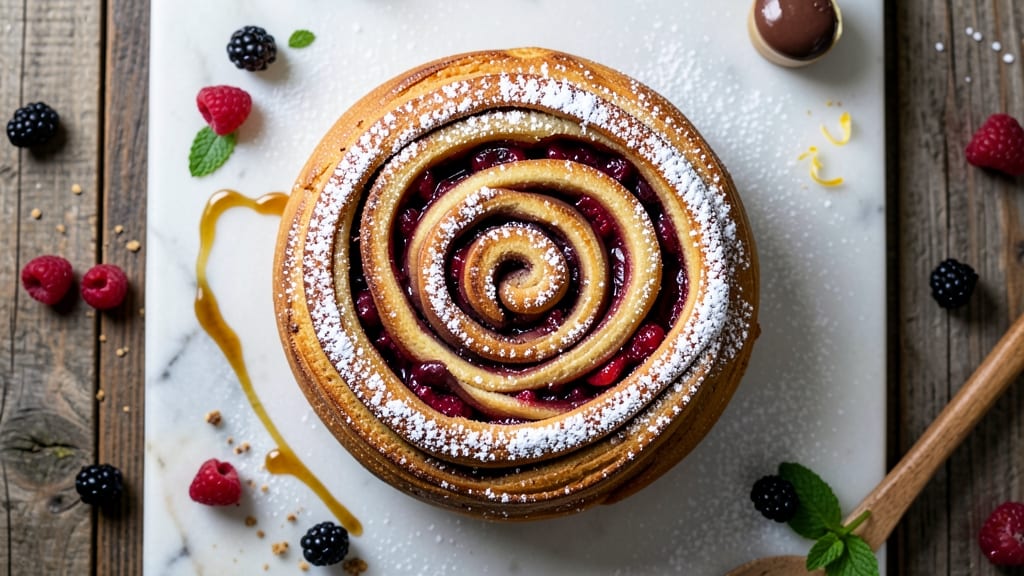
This babka sweet bread recipe transforms simple ingredients into layers of buttery swirls and golden crust that smell like nostalgia. The secret lies in a rich yeast dough infused with vanilla, wrapped around a sweet cinnamon filling that bakes into tender, flaky perfection.
I've perfected this version after years of trial and error—no more dense, dry babka that falls apart at the first slice.
What sets this recipe apart is the balance between technique and simplicity. The dough requires patience—resting times are critical for developing flavor and texture—but the process itself is straightforward.
You'll work with a slightly sticky dough that becomes manageable once chilled, and the filling's warmth contrasts beautifully with the cool butter swirls. The result? A loaf with a crisp, caramelized crust and a moist, tender crumb that holds its shape when sliced.
By the time it emerges from the oven, your kitchen will be filled with the intoxicating aroma of vanilla and cinnamon, and every bite will reveal layers of buttery dough and sweet filling.
This babka isn't just a dessert—it's a showstopper for brunch, holiday gatherings, or when you simply crave something indulgent. The key is precision in the folding technique, which creates those signature swirls without tearing the dough.
Whether you're a seasoned baker or trying this for the first time, the step-by-step instructions will guide you through shaping, proofing, and baking with confidence. The payoff?
A babka so rich and flavorful, it'll become your new go-to recipe for special occasions—or even spontaneous treats. Let's get started on creating this buttery masterpiece.
Ingredients for babka sweet bread
Buttery dough, vanilla swirls, and a cinnamon filling that bakes into golden perfection.
| Ingredient | Amount | Notes |
|---|---|---|
| Unsalted Butter 🧈 | 1 ½ cups | Cold, cubed for dough (room temp for filling) |
| All-Purpose Flour 🌾 | 5 cups | Sifted, plus extra for dusting |
| Granulated Sugar 🍚 | ½ cup | Plus 2 tbsp for dough and filling |
| Active Dry Yeast 🍞 | 2 ¼ tsp | 1 packet, dissolved in warm milk |
| Large Eggs 🥚 | 2 whole | Room temperature, lightly beaten |
| Whole Milk 🥛 | ¾ cup | Warm (110°F), not hot |
| Vanilla Extract 🌸 | 2 tsp | Pure, high-quality extract |
| Ground Cinnamon 🌿 | 2 tbsp | Plus 1 tbsp for filling |
| Salt 🧂 | ½ tsp | Fine sea salt preferred |
| Brown Sugar 🍚 | ¼ cup | Packed, for filling |
| Light Corn Syrup 🍯 | ¼ cup | Or honey for deeper flavor |
| Raisins 🍇 | ½ cup | Optional, soaked in warm water |
The butter is non-negotiable here—use European-style if you can find it (like Plugrá or Kerrygold), but any good unsalted works. I grab mine from Whole Foods or Trader Joe's when I'm doing a big batch, but regular grocery store brands are fine for a single loaf. For the flour, King Arthur is my go-to—it's got that perfect balance of protein for tender yet sturdy dough. The yeast is the secret to that light, airy crumb, so make sure it's fresh (test it by dissolving in warm milk first—it should foam in 5-10 minutes). The vanilla extract? Nothing but the good stuff—I splurge on McCormick Pure Vanilla or Lake Champlain for that authentic aroma.
No corn syrup? Honey or maple syrup works in a pinch, though it'll darken the filling slightly. The raisins are optional, but if you use them, soak them first—plump raisins make all the difference. For the cinnamon, ground is easiest, but if you've got whole sticks, toast and grind them fresh for a deeper flavor. The dough will feel sticky—that's normal! Don't panic, just chill it for 30 minutes before handling. And if you're worried about the butter melting too fast during folding, work quickly and keep everything cold. The filling can be made ahead and stored in the fridge for up to 3 days, saving you time on baking day.
This babka keeps for 3 days at room temperature wrapped in plastic, but honestly? It disappears faster than that. For longer storage, freeze the unbaked loaf (wrapped tightly in plastic and foil) for up to 3 months. Thaw overnight in the fridge before baking. The aroma while it bakes is worth the wait—fill your kitchen with vanilla and cinnamon and get ready for compliments. Leftovers? Toast them—they're even better the next day with a little extra crisp on the crust.
Why You'll Love This Recipe
- No-Knead Magic: I swear by this dough—just mix, let it rise, and fold. No stand mixer, no stress, and that buttery richness from the softened butter? It practically proofs itself.
- Sweet Swirl Bliss: That sugar-cinnamon filling wrapped in tender dough? It’s like a hug for your taste buds. The yeast gives it just enough lift so every bite has that perfect pull-apart texture.
- Breakfast or Dessert: Honestly, I serve it warm with jam for breakfast or dusted with powdered sugar for a weekend treat. My kids grab slices straight from the fridge—no judgment, just pure joy.
- Budget-Friendly Luxury: A loaf costs me pennies but feels like a bakery splurge. The yeast and eggs stretch the dough far, and those leftovers? Toasted with butter? Absolute perfection.
Step-by-step instructions for vanilla-infused swirls and buttery crust Magic
Here's how to create that signature babka swirl—rich dough wrapped around a sweet, vanilla-kissed filling.
Prepare the Yeast and Dough Base
In a small bowl, combine the 0.75 cup warm whole milk (about 110°F) with the 2.25 teaspoons active dry yeast. Let it sit for 5-10 minutes until frothy—this tells you your yeast is alive and ready to work. If it doesn't bubble, start over with fresh yeast.
In a large mixing bowl, whisk together the 5 cups all-purpose flour, 0.5 cup granulated sugar, 2 tablespoons ground cinnamon, and 0.5 teaspoon salt. Add the yeast mixture, 2 whole large eggs, and 1 teaspoon vanilla extract. Mix until combined, then gradually add 1 cup of the cold cubed unsalted butter, working it in until the dough begins to come together.
Knead the Dough to Perfection
Turn the dough onto a lightly floured surface and knead for 8-10 minutes until smooth and elastic. You'll know it's ready when it springs back slightly when pressed. If it feels sticky, add a little more flour, but don't overdo it—too much flour makes the babka dense.
Shape the dough into a ball, place it back in the bowl, cover with a clean kitchen towel, and let it rise in a warm place for 1 hour or until doubled in size. This resting period develops the gluten and helps create that tender, flaky texture we're after.
Make the Sweet Filling
In a small saucepan, combine the remaining 0.5 cup cold cubed unsalted butter, 0.25 cup brown sugar, 0.25 cup light corn syrup, 1 tablespoon ground cinnamon, and the remaining 1 teaspoon vanilla extract. Cook over low heat for 5-7 minutes, stirring constantly, until the butter melts and the mixture becomes smooth and fragrant.
Remove the pan from heat and stir in the 0.5 cup raisins (if using). Let the filling cool completely before using—this prevents it from melting too quickly when wrapped in the dough. The filling should be thick enough to hold its shape but still spreadable when warm.
Assemble and Shape the Babka
Roll the risen dough out on a lightly floured surface into a 12x16-inch rectangle, about ¼-inch thick. Spread the cooled filling evenly over the dough, leaving a ½-inch border around the edges. Starting from the long side, tightly roll the dough into a log, pinching the seam to seal.
Cut the log in half lengthwise, then twist the two halves together like a pretzel to create that classic babka swirl. Place the shaped babka on a parchment-lined baking sheet, cover with a towel, and let it rise for another 30-45 minutes until puffy. The dough should feel springy when pressed gently.
Bake to Golden Perfection
Preheat your oven to 350°F. Brush the babka generously with any remaining egg wash (if you saved some from earlier) or lightly beaten egg for a shiny, golden crust. Bake for 40-45 minutes until the top is deep golden brown and the internal temperature reaches 190°F.
Let the babka cool on a wire rack for at least 15 minutes before slicing—this prevents the filling from oozing out. The crust should be crisp and buttery, while the inside remains tender and moist. Slice into ½-inch thick pieces and serve warm for the ultimate experience.
Pro Tips For Making Babka Sweet Bread
- CHILL THE DOUGH: After the first rise, pop your babka dough in the fridge for 12-24 hours—yes, even if you’re eager to bake. I learned this the hard way when my first attempts collapsed like sad soufflés. The cold slows yeast activity, deepens flavor, and makes that signature swirl actually stay put when you shape it.
- CUT BUTTER COLD: Use unsalted butter straight from the fridge (or freeze it first) when cutting it into the dough. Warm butter = greasy mess = babka that’s more cake than bread. My grandmother swore by this, and she was right: small, pea-sized pieces (about 1/2-inch cubes) distribute better and melt just enough to create those luscious layers.
- DON’T OVERMIX THE YEAST: Once you add the yeast to the warm water and sugar, stir once and let it sit. Overmixing incorporates too much air, which can make your babka rise unevenly or even deflate during the first proof. I was skeptical until I tried it—now my dough rises smoothly, like a well-behaved child instead of a sugar-fueled tornado.
- BRUSH WITH EGG WASH: Skip the plain water glaze for the final brush—use a beaten egg (just the yolk if you’re feeling fancy) mixed with a splash of milk. This isn’t just for looks; it adds a subtle richness and helps the crust brown beautifully. (Your future self will thank you when the babka comes out looking like it belongs in a bakery window.)
Storing and reheating your leftovers
Room Temperature Storage
Your freshly baked babka stays fresh at room temperature for up to 3 days when wrapped tightly in plastic wrap or aluminum foil. I store mine in a cool, dark place—like a bread box—to preserve that perfect balance of crisp crust and tender crumb.
The key is to let it cool completely before wrapping to prevent condensation, which can make the crust soggy. 🌟
Refrigerator Revival
If you need to store babka longer than 3 days, pop it in the fridge for up to 5 days. To reheat, wrap a slice in a damp paper towel and microwave for 10-15 seconds on medium power.
For a crispier texture, I recommend warming slices in a 350°F oven for 5-7 minutes on a baking sheet. The filling stays gooey and delicious!
Freezer-Friendly Secrets
For maximum freshness, freeze your babka unbaked in a freezer bag with all air squeezed out. Wrap the bag tightly in plastic wrap and store for up to 3 months.
When ready to bake, thaw overnight in the fridge, then proceed with the original baking instructions. The freezer method preserves the dough's texture perfectly—no freezer burn in sight! ❄️
Leftovers Made Better
Toasted babka slices are even more irresistible! Pop them in a toaster or toaster oven until the crust turns golden brown. For a decadent twist, drizzle with melted chocolate or sprinkle with powdered sugar.
I also love serving leftover slices with a cup of hot coffee or chai tea for a cozy treat. The flavors only get richer over time!
Nutrition facts
Frequently asked questions
Why does my babka turn out dense instead of light and fluffy?
Over-kneading or adding too much flour are the most common culprits. The dough should be soft and slightly sticky—if it feels tough, you've overworked it. Also ensure your yeast is active (it should foam within 5-10 minutes in warm milk) and that you're using cold butter for the dough to prevent excessive melting during proofing.
Can I make babka without a stand mixer?
The dough just needs 8-10 minutes of vigorous kneading by hand on a floured surface. Work the dough until it springs back when pressed—this develops the gluten for that signature tender texture. A wooden spoon or dough whisk helps stretch and fold the dough efficiently if your arms get tired!
What's the best way to achieve those perfect swirls?
Chill the dough for 30 minutes before shaping to make it easier to handle. Roll it into a rectangle, spread the filling evenly, then roll tightly from the long side. Cut the log in half lengthwise and twist the pieces gently—don't force it! The twist should be loose enough to maintain shape during baking but tight enough to create those iconic layers.
How do I know when babka is fully baked?
Look for a deep golden brown color and an internal temperature of 190°F when tested with an instant-read thermometer. The crust should be crisp, and the filling should be warm but not runny. Let it cool for at least 15 minutes before slicing—this prevents the filling from oozing out and keeps the layers intact.
What are some creative filling variations?
Swap the cinnamon filling for chocolate by mixing ½ cup melted butter, ½ cup cocoa powder, ½ cup brown sugar, and 1 tsp vanilla. For citrus lovers, try zest of 2 lemons + ¼ cup lemon juice in the filling. You can also add chopped nuts or dried fruit to the dough for extra texture and flavor!