
Side Dishes
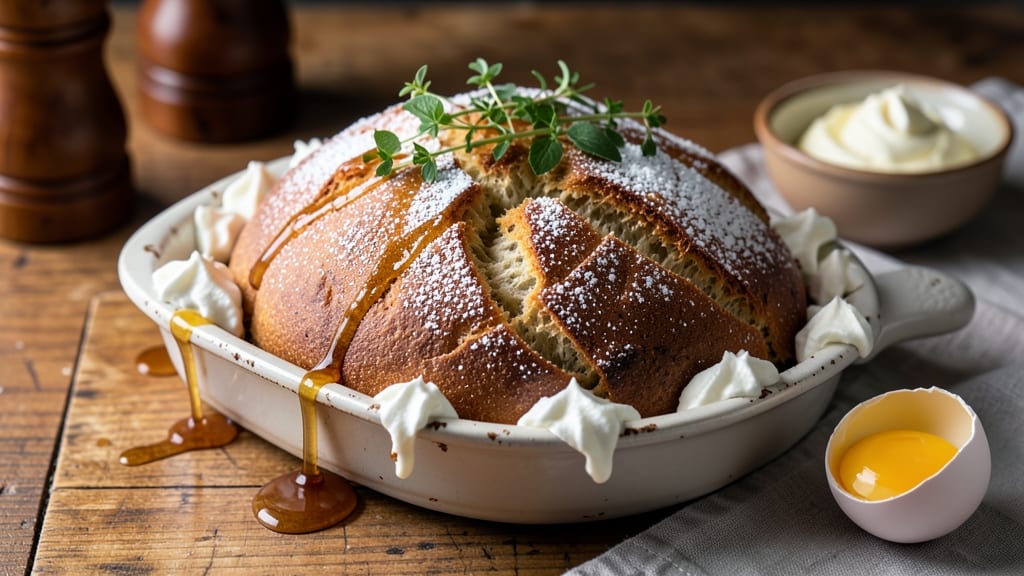
This Azores sweet bread recipe brings the sun-drenched islands of Portugal to your kitchen with its signature swirls of spiced rum and golden crust. 🌟 The traditional Portuguese-Azorean dessert, known as Pão Doce dos Açores, is a celebration of local flavors—anise seeds, citrus zest, and a touch of rum that infuses every bite with warmth.
What makes this recipe special is its balance of tender, slightly sweet dough and a crispy exterior that holds up perfectly for serving.
The secret to authentic flavor lies in the dough itself, where anise seeds and lemon zest create a fragrant base that pairs beautifully with the rum-infused swirls. Unlike many sweet breads, this recipe relies on simple ingredients—flour, butter, eggs, and sugar—without requiring advanced techniques.
The dough is rolled, filled with rum-soaked sugar, and baked until the crust turns a rich, golden brown, signaling it’s ready to be sliced and served.
Once baked, the bread delivers a harmonious blend of textures—soft, pillowy layers with a hint of crunch from the crust, all wrapped in the aromatic essence of anise and citrus. The rum swirls add a subtle depth, making this more than just dessert; it’s a taste of Azorean tradition.
Perfect for holidays, family gatherings, or as a special treat, this bread is sure to become a staple in your kitchen.
For those looking to adapt the recipe, a vegan version can be achieved by substituting butter with plant-based alternatives and using flax eggs, though the traditional version remains the most authentic. Let’s bring the flavors of the Azores to your table with this timeless recipe.
Ingredients for azores sweet bread
Sun-kissed Azorean flavors start with these simple yet essential ingredients for authentic sweet bread.
| Ingredient | Amount | Notes |
|---|---|---|
| All-Purpose Flour 🌾 | 5 cups | Sifted for light texture |
| Unsalted Butter 🧈 | 1 cup | Cold, cubed for even mixing |
| Granulated Sugar 🍚 | 1 ½ cups | Superfine preferred for smoothness |
| Large Eggs 🥚 | 2 whole | Room temperature for blending |
| Active Dry Yeast 🍞 | ½ tsp | Ensure freshness (test in warm water) |
| Whole Milk 🥛 | ¾ cup | Warmed to 110°F for activation |
| Anise Seeds 🌿 | 1 tbsp | Toasted lightly for aroma |
| Lemon Zest 🍋 | 1 tbsp | From organic lemon preferred |
| Spiced Rum 🍹 | ½ cup | For swirl filling (like Captain Morgan) |
| Fine Sea Salt 🧂 | ½ tsp | Diamond Crystal preferred |
| Pure Vanilla Extract 🌸 | 1 tsp | For subtle depth of flavor |
| Powdered Sugar 🍚 | 1 cup | For rum-soaked filling |
The anise seeds are non-negotiable—they're what gives this bread its signature Azorean warmth. Whole Foods or specialty spice shops carry the best quality, but the bulk bins at Trader Joe's work too if you're in a pinch. Toast them lightly in a dry pan for 30 seconds to wake up their flavor before grinding. The spiced rum should have actual spices listed on the bottle—Captain Morgan or Bacardi are safe bets. For the butter, Plugrá or Land O'Lakes unsalted work best, but any good-quality brand will do. The flour? King Arthur or Bob's Red Mill all-purpose are ideal—they're finely milled and give that perfect tender crumb.
No anise seeds? Fennel seeds at double the amount will mimic the flavor, though it's not identical. Substituting the spiced rum? Orange liqueur or triple sec works in a pinch, but the caramel notes from rum are unique. Short on powdered sugar? Granulated sugar processed in a food mill gives the same fine texture. The lemon zest can be dried and stored in the freezer if you want to prep ahead—just crush it lightly before using. For a gluten-free version, swap the flour for a 1:1 gluten-free baking blend, though the texture will differ slightly. The yeast must be active—test it in warm water with a pinch of sugar to ensure it foams within 5 minutes.
The dough keeps beautifully in the fridge for 3 days wrapped tightly in plastic, or you can freeze it for up to 3 months for make-ahead convenience. Once baked, the bread stays fresh at room temperature for 2 days if wrapped in a linen towel to maintain moisture. For the rum filling, store any leftover rum-soaked sugar in an airtight container in the fridge for up to 1 week—it's perfect for topping pancakes or French toast. The anise seeds and zest can be stored in the freezer for 6 months to preserve their potency.
Why You'll Love This Recipe
- No-Knead Magic: I swear by this dough—just mix, let it rise overnight, and wake up to something golden and flaky. The butter folds in like silk, and the yeast does all the heavy lifting while you sleep.
- Buttery-Sweet Bliss: That first bite of warm bread? Rich from the butter, just sweet enough from the sugar, with eggs binding it into a tender, almost cake-like crumb. Honestly, it’s the kind of treat that makes coffee taste better.
- Breakfast to Brunch: Toast it thick for French toast, slice it thin for jam sandwiches, or serve it warm with honey—this bread adapts to everything. I’ve even used it for garlic butter croutons in pasta. Versatile enough for lazy mornings or fancy gatherings.
- Leftovers That Last: A single batch keeps for days, whether wrapped in foil or frozen. My kids grab it straight from the fridge for school lunches, and I reheat slices in the toaster until they’re crisp again. Budget-friendly, foolproof, and always welcome.
Step-by-step instructions for Azores sweet bread
Here's the method for creating this iconic Azorean treat with its signature rum swirls and golden crust.
👨🍳 Step 1: Prepare the Yeast Mixture and Toast Aromatics
In a small bowl, combine the 0.75 cup warm whole milk (110°F) with the 0.5 tsp active dry yeast and let it sit for 5-10 minutes until frothy. This activates the yeast and ensures your bread rises properly. While waiting, toast the 1 tbsp anise seeds in a dry skillet over medium heat for 1-2 minutes until fragrant—this enhances their aroma without burning.
In a separate small bowl, whisk together the 1.5 cups granulated sugar, 1 tbsp lemon zest, and 1 tsp pure vanilla extract. Set aside—this sweet mixture will infuse the dough with bright citrus notes and depth. The toasted anise seeds should be ground lightly with a mortar and pestle or in a spice grinder before adding to the dough for even distribution.
👨🍳 Step 2: Mix the Dough and Incorporate the Rum Filling
In a stand mixer fitted with the paddle attachment, cream the 1 cup cold unsalted butter and 5 cups all-purpose flour on medium speed for 2-3 minutes until the mixture resembles coarse crumbs. This creates the perfect texture for the bread's tender crumb. Gradually add the yeast-milk mixture, eggs, and the sugar-zest-vanilla mixture, mixing on low speed until just combined.
In a small bowl, whisk together the 1 cup powdered sugar and 0.5 cup spiced rum to create the filling. This mixture should be thick but pourable. Divide the dough in half and roll each portion into a 12-inch circle on a floured surface. Spread half of the rum mixture evenly over one circle, leaving a 1-inch border around the edges.
🥘 Step 3: Assemble and Shape the Bread
Place the second dough circle on top of the first and gently press the edges together to seal, creating a pouch. Using a sharp knife or pizza cutter, make 8-10 cuts from the center outward to the edges, creating decorative swirls. This not only looks beautiful but also allows the rum filling to seep through during baking, creating those signature golden swirls.
Transfer the assembled bread to a parchment-lined baking sheet and cover loosely with plastic wrap. Let it rise in a warm place for 1-1.5 hours or until doubled in size. The dough should feel springy when gently pressed—this indicates it's ready for the oven. If the dough rises too quickly, place it in the refrigerator for 30 minutes to slow the process and prevent overproofing.
🔥 Step 4: Bake to Golden Perfection
Preheat your oven to 350°F and bake the bread for 40-45 minutes until the crust is deep golden brown and the internal temperature reaches 190°F. The bread is done when the swirls are golden and the edges pull away slightly from the pan. If the top browns too quickly, tent the bread with foil to prevent over-browning while it continues to bake.
For the best results, I like to brush the warm bread with a simple glaze made by mixing 2 tablespoons warm water with 1 tablespoon powdered sugar. This adds a subtle shine and enhances the sweetness. Let the bread cool for 10-15 minutes before slicing—this allows the filling to set slightly and makes for cleaner slices. Serve warm with a cup of coffee or tea to fully appreciate its aromatic complexity.
Pro Tips For Making Azores Sweet Bread
- Bloom the Yeast First: Skip mixing yeast directly into flour—it’s a recipe for flat bread. Instead, dissolve it in warm (not hot) water with a pinch of sugar first, then let it foam for 5-10 minutes. I learned this the hard way when my dough took hours to rise because the yeast was dormant. Trust the bubbles—they’re your guarantee the dough will lift.
- Soften Butter Properly: Cold butter makes tough dough; melted butter makes greasy dough. Beat the butter until it’s just soft enough to press into the flour with your fingers—like room temp, but with a slight resistance. My grandmother swore by this, and she was right: the crumb stays tender without turning into a butter log.
- Don’t Over-Knead: Azores sweet bread isn’t sourdough—you don’t need to work the dough until it’s silky. Knead just until the flour comes together and the surface is smooth (about 5-7 minutes by hand). I used to go overboard, and the bread turned out dense. Less effort, better texture.
- Proof in a Warm Spot: Your oven’s light-on setting is your friend here. Place the dough in a greased bowl, cover it loosely with a towel, and let it rise in the oven with the light on (or a proofing box if you have one). The warmth keeps it consistent—no cold kitchen slowdowns. I was skeptical until I tried it: even rise, no sagging.
Perfect pairings for this recipe
Coffee Pairings
Azores sweet bread pairs beautifully with a cup of Azorean coffee, traditionally brewed from beans grown on the islands. The bold, slightly smoky notes of a medium-roast Azores coffee complement the anise and citrus flavors perfectly.
For an extra touch, try a cortado—equal parts espresso and steamed milk—its creamy texture balances the bread's sweetness. 💛
Tea Complements
Herbal teas like chamomile or peppermint provide a refreshing contrast to the rich bread. The subtle floral notes of chamomile enhance the anise aroma, while peppermint's coolness cuts through the sweetness. For a traditional pairing, serve with Earl Grey tea—the bergamot citrus echoes the lemon zest in the bread.
Wine Synergies
A sweet Moscato d'Asti or Port wine elevates this dessert to new heights. The light effervescence of Moscato cleanses the palate between bites, while a tawny Port (20-year-old) adds caramel depth that mirrors the rum filling. Avoid heavy reds—they'll overpower the delicate anise and citrus notes. 🍷
Digestif Finisher
End the meal with a small glass of Azorean brandy or Pineau des Charentes (a French brandy-cognac blend). The caramel and spice notes in these digestifs harmonize with the bread's rum-infused swirls. For a non-alcoholic option, spiced apple cider with cinnamon sticks provides warmth without overpowering.
Creamy Contrasts
Serve with vanilla bean ice cream or mascarpone cream to create a textural contrast. The cool creaminess tempers the bread's warmth, while the vanilla echoes the extract in the dough. For a lighter option, coconut whipped cream adds tropical notes that pair surprisingly well with the anise.
Seasonal Variations
In summer, serve with fresh berries (raspberries or blackberries) to add tartness. During winter, pair with warm spiced cider or mulled wine to enhance the bread's cozy, aromatic qualities. The rum swirls become even more comforting against these warm beverages. ✨
Nutrition facts
Frequently asked questions
Can I make Azores sweet bread without rum?
Yes! For a non-alcoholic version, substitute the 0.5 cup spiced rum with 0.5 cup orange juice or 0.5 cup apple cider mixed with 1 tsp vanilla extract. The citrus notes will complement the anise and lemon zest beautifully. For extra depth, add 1 tsp cinnamon to the filling mixture.
Why does my dough not rise properly?
Check three things: yeast freshness (test it in warm water with sugar—it should foam in 5 minutes), milk temperature (should be 110°F, not hot), and rising environment. Place the dough in a warm spot (like a turned-off oven with a bowl of hot water) and cover it with a damp towel. Cold kitchens slow fermentation—never exceed 1.5 hours for rising.
How do I store leftover Azores sweet bread?
Wrap cooled slices tightly in plastic wrap or store in an airtight container at room temperature for 2-3 days. For longer storage, freeze slices for up to 3 months. To reheat, warm in a 350°F oven for 5-10 minutes or microwave for 10-15 seconds—this restores the soft texture.
What's the secret to the perfect golden crust?
Three keys: butter temperature (use cold cubed butter for flaky layers), oven preheating (wait 15 minutes after turning it on), and steam. Place a baking tray on the lower rack 10 minutes before baking to create steam, then remove it. Brush the crust with melted butter halfway through baking for extra shine.
Can I make this bread in a stand mixer?
Use the paddle attachment for mixing the dough (not the dough hook) to avoid overworking it. For the 12-inch circles, transfer dough to a floured surface—stand mixers can't roll dough. If your mixer has a dough scraper, use it to clean edges during mixing for a smoother texture.