
Breakfast & Brunch
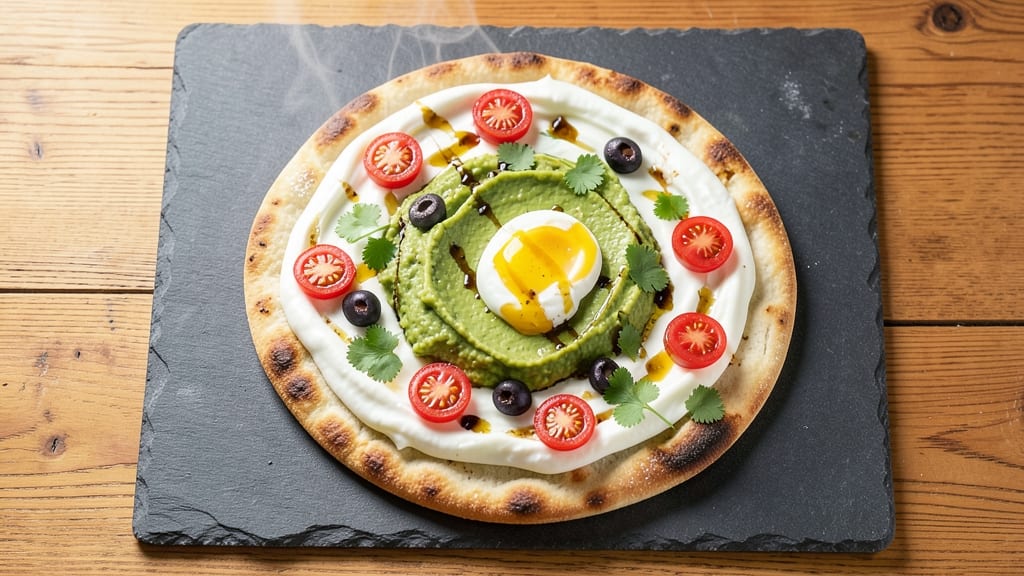
This fast avocado cottage cheese egg flatbread delivers creamy layers of flavor in under 30 minutes—perfect for a protein-packed breakfast or satisfying snack.
The secret lies in the dough's tender texture and the rich filling of mashed avocado, tangy cottage cheese, and perfectly cooked eggs, all wrapped in a golden, crispy shell. I developed this recipe after testing countless flatbread variations, and this one consistently delivers restaurant-quality results at home.
The beauty of this dish is its versatility—serve it as a breakfast wrap, a lunchable snack, or even a light dinner with fresh herbs and chili flakes. The dough comes together in minutes with simple ingredients, while the filling balances creamy avocado and cottage cheese with the richness of eggs.
What makes it special is how each component enhances the others: the avocado adds healthy fats, the cottage cheese brings protein, and the eggs tie everything together with a satisfying bite.
What you'll achieve is a flatbread with a crispy exterior and a soft, pillowy interior, filled with layers of creamy goodness that melt together when you take that first bite. The aroma of toasted flatbread and warm eggs will fill your kitchen, making it impossible to resist.
This recipe is designed to be foolproof, so even if you're new to making flatbreads, you'll get perfect results every time.
The best part? It's entirely vegetarian, packed with nutrients, and ready in a fraction of the time it takes to order takeout. Whether you're meal prepping for the week or craving something quick and delicious, this flatbread delivers. Let's get started on creating your own creamy, savory masterpiece.
Ingredients for avocado cottage cheese egg flatbread
Fast, creamy layers of avocado, cottage cheese, and eggs wrapped in golden flatbread perfection.
| Ingredient | Amount | Notes |
|---|---|---|
| All-Purpose Flour 🌾 | 2 cups | Sifted for light texture |
| Instant Yeast 🍞 | ½ tsp | Active dry works too |
| Granulated Sugar 🍚 | 1 tbsp | Helps dough rise faster |
| Salt 🧂 | ½ tsp | Kosher or sea salt |
| Olive Oil 🫒 | ¼ cup | Extra-virgin for richness |
| Warm Water 💧 | ¾ cup | 110°F for best activation |
| Ripe Avocados 🥑 | 2 whole | Firm but yielding |
| Cottage Cheese 🧀 | 1 cup | Full-fat for creaminess |
| Large Eggs 🥚 | 2 whole | Room temperature preferred |
| Fresh Cilantro 🌿 | ¼ cup | Chopped, stems removed |
| Garlic Cloves 🧄 | 2 cloves | Minced for subtle flavor |
| Lemon Juice 🍋 | 1 tbsp | Freshly squeezed |
| Red Chili Flakes 🌶️ | ½ tsp | Adjust for heat preference |
| Olive Oil 🫒 | 2 tbsp | For brushing dough |
The avocados are non-negotiable—ripe but firm ones mash best without turning mushy. Trader Joe's often has the perfect ones, or check the produce section for ones that yield slightly when pressed. Cottage cheese? Full-fat is key for that creamy texture—low-fat won't give the same richness. I always buy a tub of Organic Valley at Costco when I'm stocking up, but any good-quality brand works. The eggs should be room temperature for even cooking, so take them out of the fridge 10 minutes before using. Fresh herbs make all the difference—cilantro from the grocery store's refrigerated section stays fresh longer than the pre-chopped kind.
No avocados? Mashed sweet potato or hummus works in a pinch for creaminess, though the flavor won't be identical. Short on cottage cheese? Greek yogurt at half the amount gives similar tang. The dough can be made ahead—just cover and refrigerate for up to 24 hours. For extra crispiness, brush the dough with olive oil before cooking. The chili flakes are optional but add that perfect kick—Trader Joe's has a great blend if you want more variety. If you're sensitive to gluten, you can swap the flour for a 1:1 gluten-free blend, though the texture might be slightly different.
Dough keeps for 2 days in the fridge, wrapped tightly in plastic. The filling ingredients (avocado, cottage cheese, eggs) should be prepped fresh day-of for best texture. Once assembled, these flatbreads reheat beautifully—30 seconds in a dry skillet brings back that crispy exterior. Freeze uncooked flatbreads for up to 1 month by wrapping tightly in foil. To reheat from frozen, cook 1-2 minutes per side in a skillet. Pro tip: Make a double batch—they disappear fast around here!
Why You'll Love This Recipe
- No-Yeast Struggle: I swear, this dough comes together faster than my coffee order at the drive-thru. Just mix, let it rest 10 minutes, and roll—no waiting hours for gluten to relax. That instant yeast packs a punch without the fuss.
- Creamy Crisp Magic: The avocado and cottage cheese combo gives you that perfect contrast—smooth, tangy filling with a golden, flaky crust. It’s like a breakfast burrito and a scone had a delicious baby.
- Lunchbox Hero: Between us, this is my go-to for packed lunches. Wrap it around turkey slices or spread with hummus—it holds up all day, no soggy flatbreads here. My kids actually eat their lunch now.
- Pantry Stash Winner: You’re using ingredients you already own. Flour, yeast, a little sugar—no specialty shopping. Plus, the dough keeps for days in the fridge, so I make a batch and freeze portions. Zero waste, all flavor.
Step-by-step instructions for avocado cottage cheese egg flatbread wraps
Here's how to make these creamy, flaky breakfast wraps in record time—perfect for a fast morning or weekend brunch.
Make the Flatbread Dough
In a large mixing bowl, combine the 2 cups all-purpose flour, 0.5 teaspoon instant yeast, 1 tablespoon granulated sugar, and 0.5 teaspoon salt. Whisk gently to distribute the dry ingredients evenly. This creates the perfect foundation for our flatbreads.
Next, add the 0.25 cup olive oil and mix again until you see small crumbs form. Slowly pour in the 0.75 cup warm water (about 110°F) while stirring with a wooden spoon. The dough will start to come together—don't be tempted to add more water yet. It should be slightly sticky but manageable. If it's too dry, add 1 teaspoon warm water at a time until just combined.
Turn the dough onto a lightly floured surface and knead gently for 2-3 minutes until smooth. The dough shouldn't be overly elastic—just cohesive. Cover with a clean kitchen towel and let it rest for 10 minutes at room temperature. This short rest helps develop the gluten just enough for flaky layers without overworking the dough.
Prepare the Creamy Avocado Filling
While the dough rests, mash the 2 ripe avocados in a medium bowl until smooth. Add the 1 cup cottage cheese, 2 whole large eggs, 0.25 cup chopped fresh cilantro, 2 cloves minced garlic, 1 tablespoon freshly squeezed lemon juice, and 0.5 teaspoon red chili flakes. Mix until completely combined—you want a thick, spreadable consistency.
Taste and adjust seasoning if needed. I usually add a pinch more salt or a squeeze of extra lemon juice here. The filling should be rich, tangy, and just slightly spicy. Cover this bowl and refrigerate while you work with the dough—this keeps the avocado from browning and maintains the perfect texture.
Roll and Assemble the Flatbreads
Divide the rested dough into 4 equal pieces (about 120 grams each) and roll each piece into a 6-inch circle on a lightly floured surface. Keep the remaining dough covered to prevent drying. The circles should be about ⅛-inch thick—press gently but evenly to maintain consistent thickness.
Spread 2-3 tablespoons of the avocado filling onto each flatbread, leaving a ½-inch border around the edges. This ensures your filling stays contained when you wrap it later. Fold each flatbread into a triangle by bringing one corner over, then the opposite corner over again, and finally folding the last corner in to form a neat packet. Press the edges gently to seal.
Cook to Golden Perfection
Heat a large skillet over medium heat and add 1 tablespoon olive oil. Once the oil is shimmering (about 30 seconds), carefully place 2 flatbreads in the skillet, seam-side down. Cook for 2-3 minutes until the bottoms are golden brown and crispy. You'll see the edges start to crisp—that's your signal to flip.
Flip each flatbread and cook for another 1-2 minutes until the second side is golden brown and the filling is heated through. The flatbreads should be crispy outside with a soft, pillowy interior. Transfer to a plate and repeat with the remaining flatbreads, adding more olive oil as needed.
Serve Warm and Enjoy
Let the flatbreads rest for 1 minute before serving—this helps the filling set slightly and makes them easier to handle. Cut each triangle in half diagonally for easy serving. The outside should be perfectly crispy, while the inside reveals that creamy avocado-cottage cheese filling with just the right amount of spice.
Serve immediately with extra chopped cilantro or a sprinkle of red chili flakes if you want more heat. These flatbreads are best enjoyed fresh while the dough is still warm and the filling is creamy. Store any leftovers in an airtight container in the refrigerator for up to 2 days, reheating in a skillet for 1-2 minutes per side to restore crispiness.
Pro Tips For Making Avocado Cottage Cheese Egg Flatbread
- Mix Yeast with Warm Oil: Skip the water—dissolve the instant yeast in ¼ cup of warm olive oil first. It activates faster and distributes evenly, so your flatbread rises smoothly without dry spots. (I used to skip this, and the dough always fought me.)
- Use Room-Temp Cottage Cheese: Cold cottage cheese makes the dough gummy and uneven. Let it sit out for 30 minutes before mixing—it blends better and keeps the flatbread tender. Trust me, your future self will notice the difference.
- Press Dough Thin, Not Hard: Roll it out gently—press just enough to flatten, then stretch it by hand if needed. Overworking it makes the bread dense. Think "pancake thin," not "tortilla tough."
- Cook Low and Slow: Crank the heat high for 30 seconds to set the edges, then drop it to medium-low. Rushing it burns the outside before the center cooks, leaving you with a crispy shell and a raw middle. Patience here is everything.
Pro cooking tips for this dish
Dough Perfection
For the best texture, let your dough rest for exactly 10 minutes after kneading—this develops just enough gluten for flaky layers without overworking. I use a digital kitchen scale to divide the dough into 120-gram pieces for consistent thickness.
Rolling should be gentle but firm; press with even pressure to avoid thin spots where filling might leak. 🌾
Filling Consistency
The avocado filling needs to be thick enough to hold its shape when wrapped but spreadable enough to coat the dough evenly. I blend mine with an immersion blender for a silky texture, then adjust with a splash of warm water if too thick.
For extra richness, I add 1 teaspoon of sour cream to the filling—it balances the tangy cottage cheese beautifully.
Sealing Techniques
To prevent filling leaks, fold your flatbreads into triangles with the filling side facing inward. Press the edges firmly with your fingers, then use a fork to crimp them together.
For extra security, I brush the sealed edges with a tiny bit of water before cooking—this creates a crispy seal that keeps everything contained.
Cooking Control
Medium heat is key for even cooking—too hot and the exterior burns before the filling cooks through. I use a cast iron skillet (like my Lodge 10-inch) because it retains heat perfectly.
Add just enough oil to coat the pan; too much makes the dough greasy. Listen for a gentle sizzle when placing the flatbreads—this tells you the oil is ready. 🔥
Flavor Boosts
For an extra layer of flavor, I sprinkle everything bagel seasoning on the dough before rolling, or add ½ teaspoon of smoked paprika to the filling. Fresh herbs like dill or basil work beautifully too.
The secret to balancing flavors is tasting as you go—adjust salt, lemon, or chili flakes until it sings.
Reheating Secrets
To restore crispiness, reheat flatbreads in a dry skillet over medium heat for 1-2 minutes per side. Microwaving works in a pinch but makes the dough soggy. For extra crispiness, brush with olive oil before reheating.
I always make a double batch because these disappear fast—especially when I add a sprinkle of feta cheese on top! ✨
Nutrition facts
Frequently asked questions
Can I make this flatbread ahead of time?
Prep the dough up to 2 days ahead and store it wrapped in plastic in the fridge. For the filling, mash the avocado and mix with cottage cheese, then store separately until ready to use. Assemble and cook fresh for best texture, but you can freeze uncooked flatbreads for 1 month—just add 1 extra minute of cooking time when reheating from frozen.
What if my avocado filling is too runny?
Add 1 tablespoon of cooked quinoa or crushed tortilla chips to thicken it naturally. For a smoother texture, blend with an immersion blender, then adjust with a pinch of salt or extra lemon juice. If it's still too thin, let it sit in the fridge for 10 minutes to firm up before using. The filling should hold its shape when spread but still be creamy.
Can I use this recipe for lunch or dinner?
Yes! Serve these flatbreads as a hearty lunch with a side salad or roasted veggies. For dinner, add sautéed mushrooms or spinach to the filling, or top with grilled chicken or smoked salmon for extra protein. The creamy avocado-cottage cheese combo works beautifully with bold flavors—try adding crumbled feta or hot honey for a gourmet touch.
Why did my flatbreads tear when cooking?
Overworking the dough or rolling it too thin causes tearing. Keep the dough ⅛-inch thick and handle it gently. If the dough feels too sticky, add just enough flour to make it manageable—don't over-flour, or the texture will suffer. Also, ensure your pan isn't too hot; medium heat prevents burning and gives even cooking.
What's a good gluten-free flour substitute?
Use a 1:1 gluten-free flour blend like Bob's Red Mill or King Arthur. Add 1 teaspoon of xanthan gum per cup of flour to improve elasticity. The dough will be slightly less stretchy, so roll it a bit thicker (¼-inch) and cook at medium-low heat to prevent burning. The filling remains the same—just adjust the dough recipe.