
Desserts
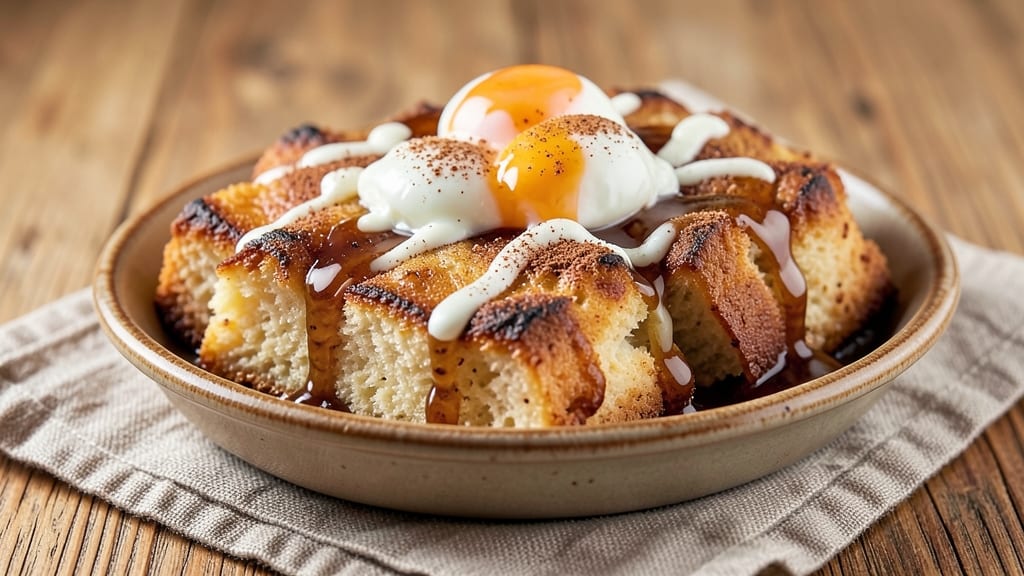
This authentic Puerto Rican bread pudding brings the warm, spiced flavors of the island straight to your kitchen table. 💛 The secret lies in using traditional pan de agua—a soft, slightly sweet Puerto Rican bread that soaks up the cinnamon-infused rum and evaporated milk mixture perfectly.
Every bite delivers a comforting blend of caramelized edges, tender crumb, and a hint of rum warmth that makes it unforgettable.
The recipe stays true to its roots with no shortcuts: raisins plump in the mixture, cinnamon adds depth, and vanilla enhances the natural sweetness of the bread.
What makes it special is the slow baking process—350°F for 45 minutes—that transforms the pudding into a golden, custardy masterpiece with a crispy top. This isn’t just dessert; it’s a taste of home for anyone who loves Puerto Rican flavors.
Serve it warm with a dusting of powdered sugar or a drizzle of caramelized sugar for that restaurant-quality finish. Pair it with a cup of strong Puerto Rican coffee for the full experience.
The texture is creamy yet firm, with pockets of gooey raisins and a subtle rum aroma that lingers. It’s the kind of dessert that feels like a hug in every bite.
Ready to make it? The process is straightforward—soaking, mixing, and baking—but the result is anything but ordinary. This bread pudding isn’t just a recipe; it’s a celebration of Puerto Rican tradition in every spoonful. Let’s get started!
Ingredients for authentic puerto rican bread pudding
Authentic Puerto Rican flavors start with these traditional ingredients—pan de agua, rum, and cinnamon work magic together.
| Ingredient | Amount | Notes |
|---|---|---|
| Pan de Agua 🍞 | 1 ½ lb | Traditional Puerto Rican bread, slightly stale |
| Large Eggs 🥚 | 6 whole | Room temperature preferred |
| Evaporated Milk 🥛 | 2 cups | Full-fat for creaminess |
| Dark Rum 🍹 | ½ cup | Aged 3-5 years preferred |
| Granulated Sugar 🍚 | 1 cup | White or light brown |
| Ground Cinnamon 🌿 | 2 tsp | Freshly ground for best flavor |
| Vanilla Extract 🌸 | 1 tbsp | Pure vanilla preferred |
| Seedless Raisins 🍇 | 1 cup | Soaked in warm water |
| Unsalted Butter 🧈 | ½ cup | Melted, full-fat preferred |
| Powdered Sugar 🍚 | ¼ cup | For dusting, optional |
| Salt 🧂 | ½ tsp | Fine sea salt |
| Ground Nutmeg 🌿 | ¼ tsp | Freshly grated preferred |
The heart of this recipe is the pan de agua. Look for it in the bakery section of Latin markets or Puerto Rican specialty stores—Supermercado San Juan in Miami or Bodega Boricua chains carry it reliably. If you can't find it, a slightly stale loaf of brioche or challah works in a pinch, but it won't be quite the same. The bread should be soft but not fresh—it needs to absorb the custard properly. For the rum, Don Q Añejo or Bacardi Carta Blanca are classic choices, but any aged rum will do. The cinnamon should be freshly ground if possible—pre-ground loses its punch quickly.
No pan de agua? Brioche or challah are the closest substitutes, but cut them into smaller cubes to speed up soaking. Running short on rum? Dark corn syrup plus vanilla extract mimics the depth, though it won't have that warm rum aroma. The raisins can be omitted if you prefer, but they add that classic Puerto Rican touch—soak them in warm water for 10 minutes to plump them up. For the butter, don't skimp on the full-fat version—it makes the pudding rich and velvety. If you're feeling adventurous, add a pinch of ground cloves to the cinnamon for extra depth, though it's traditional to keep it just cinnamon and nutmeg.
This pudding tastes even better the next day, so make it ahead if you can. Store leftovers in an airtight container in the fridge for up to 4 days. To reheat, cover with foil and warm at 300°F for 15 minutes—the edges will crisp up beautifully. For serving, dust with powdered sugar right before bringing it to the table. The texture is what makes it special: creamy in the center, with crispy edges that form as it bakes. Freeze portions for up to 3 months—just thaw overnight in the fridge before reheating.
Why You'll Love This Recipe
- Pan de Agua Magic: I’ll admit, I was skeptical about using stale bread—until I tried this. The pan de agua soaks up that rum and milk like a sponge, turning every bite into pure comfort. No fancy prep, just tear, soak, and bake.
- Rum-Infused Bliss: That dark rum isn’t just an afterthought—it’s the star. A splash in the custard and a drizzle on top turns this into something special, like dessert and breakfast had a lovechild. (Yes, even on a Tuesday night.)
- Weeknight Crowd-Pleaser: Between us, this feeds six for under $10 and takes less time than ordering takeout. The kids fight over the last slice, and honestly? That’s the real win.
- Leftovers? Better: If you bake it once, you’ll make it twice. The texture stays perfect for days—crispy edges, custardy center—so you can reheat slices straight from the fridge. My secret weapon for lazy mornings.
Step-by-step instructions for authentic Puerto Rican bread pudding
Transform simple ingredients into a rich, spiced dessert with this time-honored Puerto Rican technique.
👨🍳 Step 1: Prepare the Pan de Agua
Cut the 1.5 lb Pan de Agua into 1-inch cubes using a sharp serrated knife. The bread should be slightly stale—not completely dry, but not fresh either. If it's too fresh, let it sit uncovered at room temperature for 1-2 hours to dry out slightly. This ensures proper texture when baked.
Spread the bread cubes on a baking sheet and drizzle with the 0.5 cup Dark Rum. Toss gently to coat evenly, then let them soak for 10 minutes while you prepare the custard mixture. The rum will infuse the bread with deep, caramelized flavor—this is the soul of the dish. Don't skip this step; the rum's warmth will shine through in every bite.
👨🍳 Step 2: Mix the Custard Base
In a large mixing bowl, whisk together the 6 whole Large Eggs, 1 cup Granulated Sugar, 2 cups Evaporated Milk, 1 tbsp Vanilla Extract, 2 tsp Ground Cinnamon, 0.5 tsp Salt, and 0.25 tsp Ground Nutmeg until smooth and fully combined. The mixture should be pale yellow and slightly thickened—this ensures a creamy texture after baking.
Gently fold in the soaked bread cubes and 1 cup Seedless Raisins (previously drained from warm water). Be careful not to crush the bread—you want each piece to maintain its structure while absorbing the custard. The raisins add a pleasant chewiness that balances the soft bread. If the mixture feels too dry, add 1-2 tablespoons of the evaporated milk to loosen it slightly.
🥘 Step 3: Assemble and Bake
Preheat your oven to 350°F and grease a 9x13-inch baking dish with 0.25 cup Unsalted Butter, rubbing it evenly over the bottom and sides. Transfer the bread mixture to the prepared dish, pressing down gently to create an even layer. The butter ensures a golden crust and prevents sticking—this is non-negotiable for a perfect finish.
Bake uncovered for 45-50 minutes until the top is golden brown and the center is just set (a knife inserted should come out clean, but the center should still have a slight wobble). The edges should pull away from the pan easily, indicating it's ready. If the top browns too quickly, tent loosely with foil after 30 minutes to prevent over-browning while the center cooks through.
⏰ Step 4: Finish and Serve
Remove the bread pudding from the oven and let it cool for 10 minutes before dusting with 0.25 cup Powdered Sugar. This step is optional but adds a delicate sweetness that enhances the warm spices. Serve immediately while still warm for the best texture—each slice should be moist, custardy, and infused with that signature rum-cinnamon aroma.
For an authentic touch, pair with a scoop of Puerto Rican-style ice cream or a drizzle of caramelized condensed milk. The contrast of warm, spiced pudding with cool, creamy ice cream is pure comfort. Store leftovers in the refrigerator for up to 3 days, but I promise it won't last that long!
Pro Tips For Making Authentic Puerto Rican Bread Pudding
- SOAK THE PAN DE AGUA: Tear the bread into 1-inch chunks and drown them in the rum-milk mixture overnight—yes, overnight. I used to rush this, thinking 2 hours would do, but the bread stays dense and dry. The longer soak lets the rum infuse and the crumb soften properly, giving you that melt-in-your-mouth texture.
- USE ROOM-TEMP EGGS: Cold eggs from the fridge won’t blend smoothly and can curdle your custard. Crack them into a bowl first, let them sit for 30 minutes, then whisk vigorously. Trust me, your pudding will be lighter and creamier—no one wants a lumpy dessert.
- BAKE LOW AND SLOW: Skip the high-heat rush—325°F (160°C) for 45-55 minutes is non-negotiable. I learned this after watching my first batch turn rubbery on top while staying undercooked inside. A water bath (pan in a larger roasting pan with hot water halfway up) guarantees even cooking without drying out the edges.
- TOAST THE BREAD FIRST: Lightly toast the Pan de Agua chunks in a dry pan for 2-3 minutes before soaking. This crisps the edges just enough to add texture without making the pudding gummy. Sounds counterintuitive, but it’s the thing that makes your version stand out from the mushy crowd.
Regional styles of this dish
San Juan-Style
In San Juan, this bread pudding often includes a touch of coquito—a Puerto Rican eggnog made with coconut milk and cinnamon. For a San Juan twist, replace ½ cup of evaporated milk with ½ cup coconut milk and add ½ tsp ground cinnamon to the custard base.
The coconut milk adds a subtle tropical note that locals love, while the extra cinnamon deepens the spice profile. Serve with a sprinkle of toasted coconut flakes on top for that island vibe. 🌴
Mountain Region
In the mountainous regions like Jayuya or Utuado, where the air is cooler, the pudding often features more nutmeg—up to ½ tsp—to complement the crisp mountain climate. The higher elevation also means baking times may need adjustment; check for doneness at 40 minutes instead of 45.
Locals there also love adding a pinch of ground cloves (about ⅛ tsp) to the cinnamon for warmth, giving it a cozy, almost spiced-wine aroma. Pair it with strong café con leche for a hearty dessert.
Coastal Variations
Near the coast, like in Ponce or Fajardo, the pudding sometimes incorporates orange zest (about 1 tsp) to reflect the island’s citrus abundance. The zest brightens the rum and cinnamon flavors, creating a refreshing contrast.
For extra coastal flair, drizzle with caramelized condensed milk (made by heating ½ cup sweetened condensed milk with 1 tbsp butter until golden) before serving. This variation is lighter and perfect for warm beachside gatherings. 🍊
Modern Twists
For a contemporary take, swap the raisins for dried mango chunks (soaked in warm water for 10 minutes) to add a tropical sweetness. Or, infuse the rum with vanilla bean by adding 1 split vanilla bean while heating the rum (simmer for 5 minutes, then strain).
This elevates the dessert to a restaurant-worthy level while keeping it rooted in tradition. Garnish with toasted pecans for crunch and a touch of elegance.
Holiday Adaptations
During Christmas season, Puerto Ricans often enrich the pudding with dried figs (chopped and soaked) alongside raisins, adding a jammy depth. For Three Kings Day (Día de los Reyes), top with crushed meringue cookies and serve with hot chocolate spiked with rum.
The figs and extra spices make this version feel festive and indulgent—perfect for celebrations. 🎄
Nutrition facts
Frequently asked questions
What makes this bread pudding authentically Puerto Rican?
The key elements are pan de agua (traditional Puerto Rican bread), aged rum, and cinnamon-nutmeg spice blend. The rum soaking step is essential for that signature warmth, while evaporated milk and raisins add the classic texture. Many recipes skip the rum or use regular bread—those miss the true island flavor!
Can I substitute pan de agua with regular bread?
You can use brioche or challah as substitutes, but cut them into smaller cubes to speed up soaking. For best results, let the bread sit uncovered for 1-2 hours to dry slightly first. The texture won't be identical, but it'll still be delicious. For authenticity, seek out pan de agua at Latin markets or Puerto Rican bakeries.
Why does the recipe call for evaporated milk instead of regular milk?
Evaporated milk adds a richer, slightly caramelized depth that regular milk can't match. It also thickens the custard naturally, creating that perfect creamy-yet-firm texture. If you must substitute, use whole milk + 1 tbsp cornstarch to mimic the thickness, but the flavor won't be quite the same.
How do I know when the bread pudding is fully cooked?
The pudding is done when the top is golden brown and a knife inserted in the center comes out clean (with just a slight wobble). The edges should pull away from the pan easily. If the top browns too quickly, tent with foil after 30 minutes to prevent over-browning while the center cooks through.
Can I make this ahead of time for a gathering?
This pudding tastes even better the next day. Bake it 1 day ahead, then store in an airtight container in the fridge. Reheat covered at 300°F for 15 minutes—the edges will crisp up beautifully. For parties, you can even assemble it the night before and bake it fresh in the morning. The flavors meld beautifully overnight!