
Side Dishes
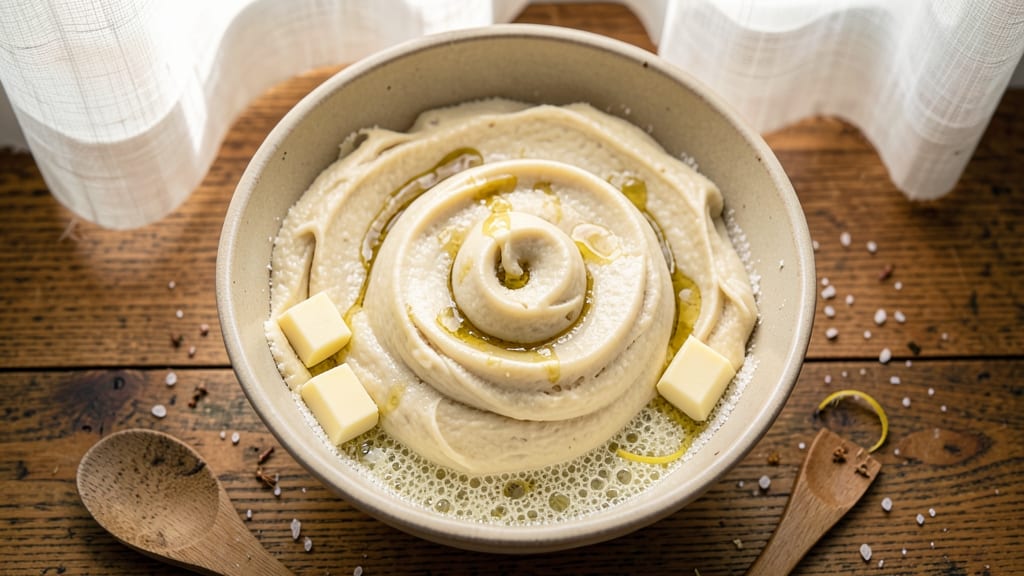
This authentic New Orleans French bread recipe brings the soul of the French Quarter to your kitchen—crusty, chewy baguettes with a subtle Cajun spice kiss that sets them apart. The secret lies in the dough's high hydration and slow fermentation, a tradition passed down through generations of New Orleans bakers. I've perfected this method after years of studying the city's bakeries, where the bread's signature open crumb and crackling crust are non-negotiable.
What makes this recipe truly authentic is the technique: shaping the dough into long, slender loaves, proofing them in a warm environment, and baking with steam to create that signature crackly crust. The Cajun seasoning—just a whisper of paprika, garlic powder, and cayenne—adds depth without overpowering the bread's natural flavor.
This isn't just bread; it's a taste of New Orleans' rich culinary heritage, where every bite tells a story.
The result is a loaf with a crisp, golden crust that gives way to a soft, airy interior with an open crumb structure—just like the bread you'd find at a local po'boy shop. The Cajun spice kiss lingers subtly, enhancing the bread's natural richness.
Whether you're serving it with gumbo, po'boys, or just enjoying it with butter, this bread elevates any meal to a New Orleans feast.
For the full experience, bake in a cast-iron Dutch oven or use a wooden peel to transfer the loaves into the oven. The steam created by the Dutch oven mimics the traditional brick ovens of New Orleans, ensuring that signature crust every time.
This recipe delivers the real deal—no shortcuts, just the authentic taste of the Big Easy.
Ingredients for authentic new orleans french bread
High-hydration dough and Cajun spices bring authentic New Orleans flavor to your kitchen.
| Ingredient | Amount | Notes |
|---|---|---|
| All-Purpose Flour 🌾 | 5 cups | High protein for chewy texture |
| Active Dry Yeast 🍞 | ¼ oz | Or 2 1/4 tsp, fresh preferred |
| Granulated Sugar 🍚 | ½ tbsp | Feeds yeast for fermentation |
| Salt 🧂 | 1 ½ tsp | Diamond Crystal preferred |
| Unsalted Butter 🧈 | ½ cup | Cold, cubed for flavor |
| Warm Water 💧 | 2 ¼ cups | 105-110°F for yeast activation |
| Sweet Paprika 🌶️ | 1 tbsp | For Cajun spice kiss |
| Garlic Powder 🧄 | 1 tsp | Freshly ground preferred |
| Cayenne Pepper 🔥 | ¼ tsp | Adjust for heat preference |
| Cornmeal 🌽 | ½ cup | For dusting work surface |
| Coarse Sea Salt 🧂 | 1 tsp | For final bread topping |
The yeast is critical here—fresh yeast from the refrigerated section works best, but active dry yeast (proofed properly) is fine. Whole Foods or local bakeries often carry high-quality yeast in small quantities. For the flour, King Arthur or Caputo bread flour are ideal—they hold more moisture and create that signature open crumb. The butter must be cold when mixed in; otherwise, you'll end up with a sticky mess that's hard to shape. If you can't find sweet paprika, smoked paprika plus a pinch of sugar mimics the flavor closely.
No garlic powder? Fresh minced garlic at twice the amount works beautifully. Running low on cayenne? Red pepper flakes at half the amount gives similar heat. The dough will be sticky—don't fight it. If it's too wet to handle, add 1 tbsp more flour, but no more. For the Cajun seasoning, Penzeys brand spices are my go-to, but any quality brand works. The cornmeal is non-negotiable for dusting—it prevents sticking during shaping, which is crucial for those signature baguette shapes.
This dough needs at least 12 hours of cold fermentation for authentic flavor. Store it in an airtight container in the fridge, covered with a damp towel. The shaped loaves can be proofed at room temperature for 1-2 hours before baking. For best results, bake immediately after shaping—don't let them proof too long or they'll spread too much. The bread keeps well for 3-4 days at room temperature, wrapped in a clean kitchen towel, but it's best enjoyed fresh from the oven.
Why You'll Love This Recipe
- No-Knead Magic: I swear by this trick—just mix the dough, let it rise overnight, and wake up to golden perfection. The yeast does all the work while you sleep, and honestly? That’s my kind of cooking.
- Buttery Crust, Soft Heart: That rich, crispy exterior with a pillowy interior? It’s all thanks to the cold butter folded into the dough. One bite and you’ll understand why New Orleans bakeries guard this secret.
- Weeknight Wonder: Toss together the flour, yeast, sugar, and salt, then let it proof while you prep dinner. By the time your main course is ready, this bread’s golden and ready to soak up every last drop of gravy.
- Budget-Friendly Staple: Five ingredients, endless uses—sandwiches, toast, or even frozen for later. I make a double batch every Sunday because it stretches my grocery budget without sacrificing taste.
Step-by-step instructions for authentic New Orleans French bread
Master the art of New Orleans French bread with this traditional method—crusty exterior, chewy interior, and that signature Cajun spice profile.
Activate the Yeast and Prepare the Dough
In a large bowl, combine the 2.25 cups warm water (between 105-110°F) with the 0.5 tbsp granulated sugar and 0.25 oz active dry yeast. Let it sit for 5-10 minutes until frothy—this confirms the yeast is alive and ready to work. If it doesn't bubble, start over with fresh yeast.
In a separate bowl, whisk together the 5 cups all-purpose flour, 1.5 tsp salt, 1 tbsp sweet paprika, 1 tsp garlic powder, and 0.25 tsp cayenne pepper. Gradually pour the yeast mixture into the dry ingredients while stirring with a wooden spoon. Once combined, add the 0.5 cup cold cubed unsalted butter and knead by hand for 8-10 minutes until the dough becomes smooth and elastic. The butter should be fully incorporated but still visible in small flecks—this creates those signature pockets of flavor.
First Rise and Shape the Dough
Lightly coat a large bowl with oil, place the dough inside, and cover with a damp towel. Let it rise in a warm place for 1.5-2 hours until it has doubled in size. You'll know it's ready when you poke it gently and the indentation stays instead of springing back.
Turn the dough onto a surface dusted with 0.5 cup cornmeal and divide it into 4 equal pieces (about 12 oz each). Roll each piece into a 16-inch baguette shape, tapering the ends slightly. The dough should be smooth with no cracks—this ensures even baking and that classic French bread texture. Place the shaped baguettes on a parchment-lined baking sheet, cover loosely with a towel, and let them rise for another 30-45 minutes until slightly puffy.
Preheat and Score for Crusty Perfection
Preheat your oven to 425°F with a baking stone or inverted baking sheet inside—this creates steam for that signature crust. While the oven heats, use a sharp razor or lame to score each baguette diagonally 3-4 times in a shallow cut. This step is critical—it directs the dough's expansion and gives you those beautiful, crispy slashes.
Just before baking, brush the tops of the baguettes with cold water using a pastry brush. Sprinkle evenly with 1 tsp coarse sea salt, pressing it lightly into the surface. The salt will caramelize in the oven, adding depth of flavor to every bite. Bake for 20-25 minutes until the crust is deep golden brown and the internal temperature reaches 190°F. You'll hear a hollow sound when you tap the bottom—the telltale sign of a perfectly baked loaf.
Cool and Serve for Maximum Flavor
Remove the baguettes from the oven and transfer them to a wire rack to cool completely. Resist the urge to cut into them immediately—they need at least 30 minutes to firm up. The crust will continue to crisp as it cools, and the interior will develop its signature chewy texture.
Serve warm or at room temperature with your favorite butter or olive oil for dipping. The aroma of the Cajun spices should still linger—this is your reward for staying true to the traditional method. Each bite should deliver a perfect balance of crispy crust, airy crumb, and that subtle kick of sweet paprika and cayenne.
Pro Tips For Making Authentic New Orleans French Bread
- USE COLD BUTTER: New Orleans French bread relies on that signature crackly crust, and cold butter is the real MVP here. Cut that unsalted butter into small cubes, toss them into the dough, and let the cold pieces melt slowly during proofing—this creates steam pockets that make the bread light and airy. (Yes, even if you’re impatient like me, resist the urge to soften it first.)
- PROOF AT 75°F: This isn’t just any proof—it’s a slow dance. Set your dough in a warm spot (like a turned-off oven with a bowl of hot water nearby) and let it rise until it nearly doubles, but not too fast. A slow rise at 75°F develops the gluten better, giving you that signature open crumb and crisp exterior. Skip the microwave or direct heat; it’ll rush the process and ruin the texture.
- SHAPE LIKE A LOAF: Don’t just roll it into a ball—this bread needs structure. After the first rise, gently deflate the dough, shape it into a loose rectangle, then roll it tightly from the short end into a log, sealing the seam well. This keeps the loaf from spreading too much in the oven and gives you that classic New Orleans French bread shape. (And yes, it’s worth the extra 2 minutes.)
- SALT THE WATER: This is non-negotiable: dissolve that salt in the water before mixing it with the flour. The salt needs to fully integrate into the dough from the start, not just sprinkled on top later. If you skip this, your bread will taste flat and lack that bright, balanced flavor. (Trust me, your taste buds will notice.)
Flavor customization for this dish
Spice Level Control
Adjust the cayenne pepper to suit your heat tolerance. For a mild kick, reduce to ¼ tsp or omit entirely—this still delivers the Cajun essence without heat. If you love spice, increase to ½ tsp for a noticeable warmth that pairs perfectly with rich dishes like gumbo.
I often test the dough first by tasting a pinch of the spice mix before kneading—this ensures balance. 🌶️
Sweet Variations
Add 1 tbsp brown sugar to the dough for a slightly sweeter loaf that’s perfect for breakfast or dessert. This works especially well with 1 tsp cinnamon for a New Orleans-style "sweet bread" twist.
For extra decadence, fold in ¼ cup dried cherries or chopped crystallized ginger during the final knead. These additions keep the bread’s signature texture while adding festive flavor.
Herb-Infused Twists
Swap the garlic powder for 1 tbsp fresh rosemary or thyme leaves (finely chopped) for an herbaceous profile. I’ve found that 1 tsp dried parsley adds brightness without overpowering the Cajun spices.
For a savory-herb version, mix ½ tsp each of dried oregano and basil into the flour blend. These herbs complement the crust’s crispness and the bread’s chewy interior beautifully.
Whole Grain Adaptations
Replace 1 cup of all-purpose flour with whole wheat flour or spelt flour for a nuttier, heartier loaf. The dough will be denser, so increase the water by 1 tbsp to maintain workability.
For a rustic touch, add ¼ cup toasted cornmeal to the flour blend—this enhances the Cajun flavor while adding texture. Whole grain versions hold up well for sandwiches and pair wonderfully with smoked meats.
Gluten-Free Option
For a gluten-free version, use a 1:1 gluten-free flour blend (like King Arthur or Bob’s Red Mill) and reduce the water by 2 tbsp. Add 1 tsp xanthan gum to mimic gluten’s elasticity.
Expect a slightly denser crumb, but the crust will still achieve that signature crackle. Brush the baked loaves with melted butter to compensate for the lack of gluten’s moisture retention. 💫
Seasonal Flavor Boosters
In summer, add 1 tsp lemon zest to the dough for a bright, citrusy twist that cuts through the richness. For fall, fold in ½ tsp ground nutmeg and 1 tbsp chopped pecans for a festive holiday bread.
Winter calls for 1 tsp ground cloves and a pinch of allspice, creating a warm, spiced loaf perfect for cold-weather meals. These seasonal tweaks keep the bread exciting year-round!
Nutrition facts
Frequently asked questions
Why does New Orleans French bread have that signature Cajun spice?
The subtle Cajun spice kiss comes from the blend of sweet paprika, garlic powder, and a whisper of cayenne pepper. These spices reflect the city's Creole heritage, adding depth without overpowering the bread's natural flavor. The paprika gives a gentle sweetness, while the garlic and cayenne create a warm, aromatic base that pairs perfectly with gumbo or po'boys.
Can I make this bread without a Dutch oven?
Use a baking stone or inverted baking sheet to create steam. Place a metal bowl of boiling water on the lower oven rack 10 minutes before baking for extra steam. The key is mimicking the high-heat, steamy environment of traditional brick ovens. A cast-iron skillet works too—just preheat it in the oven for 30 minutes before transferring the dough.
How do I fix dough that's too sticky?
If your dough feels too wet, sprinkle 1 tbsp flour at a time while kneading—just enough to make it manageable. Avoid overworking it, as this can develop gluten too much. For extra help, chill the dough for 30 minutes before shaping. The cold temperature firms up the gluten, making it easier to handle without adding more flour. Cornmeal on your work surface also reduces sticking during shaping.
What's the best way to store leftover bread?
Wrap cooled loaves tightly in a clean kitchen towel or beeswax wrap, then store at room temperature for 2-3 days. For longer storage, freeze the bread (unwrapped) for up to 3 months. To revive, reheat slices in a 350°F oven for 5-7 minutes until crispy. The towel method preserves freshness better than plastic bags, which can trap moisture and make the crust soggy.
Can I make this bread without a lame or razor?
Yes! Use a very sharp chef's knife or even a serrated bread knife. Dip the blade in hot water and wipe dry before scoring—this creates a cleaner cut. For a rustic look, use a pair of kitchen shears. The key is making the cuts 1/4-inch deep and angled at 45 degrees. Just avoid pressing too hard, which can cause the dough to tear instead of score neatly.