
Side Dishes
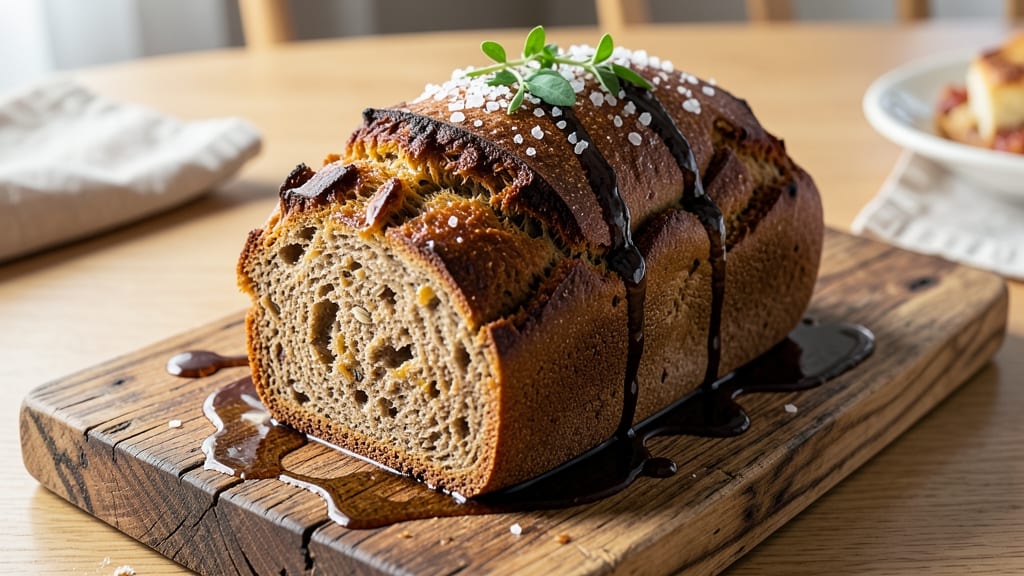
Austrian rye bread delivers the perfect balance of dark molasses sweetness and crusty crunch that makes every slice unforgettable. 🌟 The secret lies in a traditional sour rye starter, which develops deep, tangy complexity over time—something you can't replicate with instant yeast.
This recipe preserves authentic Austrian techniques while adapting for modern home bakers, ensuring you get that signature dense crumb and caramelized crust without specialized equipment.
The process begins with a sour rye starter that ferments for 24 hours, building rich flavor and acidity. From there, we incorporate whole grains like rye flour and seeds (caraway or linseed for authenticity) to create a dough that's both hearty and tender.
The shaping technique—rolling the dough into a tight log—gives it that iconic cylindrical form, while the long bake at high heat develops the signature crusty exterior and moist interior.
What you'll end up with is a deeply flavorful loaf that pairs beautifully with sharp cheeses, smoky sausages, or simply slathered with butter. The molasses adds a subtle sweetness that balances the rye's earthiness, while the seeds contribute a satisfying crunch in every bite.
This bread isn't just a side—it's the star of the meal, bringing a taste of Austria to your kitchen.
Ready to bake? The key is patience—letting the starter ferment fully and baking at the right temperature ensures that crusty crunch and molasses depth you're craving. Whether you're serving it at a holiday table or enjoying a slice with lunch, this recipe delivers professional-quality results at home. Let's get started!
Ingredients for austrian rye bread
Four cups of rye flour kickstart this Austrian classic's deep molasses sweetness and signature crunch.
| Ingredient | Amount | Notes |
|---|---|---|
| Rye Flour 🌾 | 4 cups | Dark rye for authentic flavor |
| All-Purpose Flour 🌾 | 1 cup | For lighter texture balance |
| Molasses 🍯 | ½ cup | Dark, unsulphured preferred |
| Active Dry Yeast 🍞 | ¼ oz | Or 2 1/4 tsp (1 package) |
| Sour Rye Starter 🍞 | 1 ½ cups | Fully fermented, bubbly |
| Warm Water 💧 | 2 ¼ cups | 110°F for yeast activation |
| Honey 🍯 | 1 tbsp | For yeast feeding |
| Salt 🧂 | 1 ½ tsp | Diamond Crystal preferred |
| Caraway Seeds 🌿 | 1 ½ tsp | Toasted for aroma |
| Linseed 🌱 | 1 ½ tsp | Ground for texture |
| Cornmeal 🌽 | ¼ cup | For dusting work surface |
| Coarse Sea Salt 🧂 | 1 tsp | For crust enhancement |
| Ice Water ❄️ | ¼ cup | For final dough shaping |
The rye flour is non-negotiable here—King Arthur or Bob's Red Mill dark rye delivers that authentic Austrian earthiness. Whole Foods bulk section often carries the best quality, but any reputable grocery store's baking aisle will work. The molasses? Groschopp's unsulphured is my go-to for that rich, complex flavor, but any dark molasses will do. Caraway seeds can be tricky to find—Penzeys or local spice shops usually have them, or order online if you're in a pinch. Toast them lightly in a dry pan before adding to wake up their aroma. The linseed adds that satisfying crunch, but if you can't find it, ground flaxseed works just as well.
No dark rye flour? Substitute with whole wheat flour plus 1 tsp extra molasses—it won't be identical, but you'll still get that hearty texture. Running short on caraway? Celery seeds at half the amount give a similar earthy note. The sour rye starter is the soul of this bread—if you don't have one, substitute with 1 cup plain yogurt plus 1 cup water, but it won't have the same depth. For the yeast, instant yeast works too—just mix it directly with the flour. The cornmeal is for dusting, but semolina or all-purpose flour will do in a bind. Just don't skip it—it prevents sticking during shaping.
This dough needs time to rest—cover with a damp towel and let it rise at room temp for at least 2 hours. For best results, shape the loaf the night before and refrigerate overnight—the cold slows fermentation and intensifies flavor. Once baked, store wrapped at room temp for 3 days or freeze for up to 3 months. The crust gets crunchier as it cools, so let it sit for at least 1 hour before slicing. For serving, toast slices until golden—that's when the magic really happens.
Why You'll Love This Recipe
- No-Knead Magic: I swear by this dough—just mix, let it rise, and walk away. The sour rye starter does all the heavy lifting while you sip coffee or scroll through memes. Honestly, my hands stay cleaner than when I try fancy kneading.
- Molasses-Kissed Richness: That deep, caramelized molasses punch? It’s the secret weapon. One bite and you’ll forget sad supermarket loaves—this tastes like a bakery’s forgotten treasure, but with zero guilt.
- Leftover Goldmine: Slice it thick for breakfast toast, pack it in lunches, or freeze slices for lazy mornings. Between us, I’ve revived day-old rye with butter and jam and pretended it was intentional. Works every time.
- Budget Bakery Feel: Rye flour’s cheap, yeast is a steal, and a small starter lasts weeks. You’re basically making artisanal bread for pennies—crusty, dense, and way more impressive than store-bought. My wallet and taste buds thank me.
Step-by-step instructions for Austrian rye bread
Here's how to craft that signature dark molasses depth and satisfying crusty crunch.
👨🍳 Step 1: Mix the Fermented Dough Base
In a large mixing bowl, combine the 4 cups rye flour, 1 cup all-purpose flour, 1.5 tsp salt, 1.5 tsp caraway seeds, and 1.5 tsp linseed. I like to toast the caraway seeds in a dry pan for 1 minute first—this intensifies their aroma and prevents them from sinking to the bottom. Let them cool completely before adding to the flour mixture.
Make a well in the center and add the 0.25 oz active dry yeast, 1.5 cups sour rye starter, 1 tbsp honey, and 2.25 cups warm water (around 110°F). The honey helps feed the yeast while balancing the molasses' intensity. Mix with a wooden spoon until just combined—you'll see a shaggy, sticky dough form. Here's the thing—don't overmix. You want to preserve the gluten structure without developing too much elasticity, which would make the bread too light for authentic rye character.
🥘 Step 2: Incorporate Molasses and Rest
Add the 0.5 cup molasses to the dough and mix thoroughly. The molasses will darken the dough immediately, giving it that signature depth of flavor. Cover the bowl with a damp kitchen towel and let it rest at room temperature for 30 minutes. This initial rest allows the flour to hydrate and the gluten to begin relaxing, making the dough easier to handle.
After resting, you'll notice the dough has become slightly more cohesive. Use your hands to gently knead it on a lightly floured surface for about 5 minutes. The dough should be smooth but still slightly sticky—this stickiness is normal and essential for that dense, moist crumb. If it feels too dry, add 1 tablespoon of warm water at a time until it reaches the right consistency. Don't be tempted to add too much flour; it'll make the bread too light and dry.
🔥 Step 3: Shape and Proof the Dough
Divide the dough into 4 equal portions (about 1 pound each) and shape them into rounds. To shape, cup your hands over the dough and gently press down while rotating your hands to create a smooth, taut surface. The tension in the dough skin is what creates that beautiful oven spring and crispy crust. Place the shaped dough on a baking sheet dusted with 0.25 cup cornmeal—this prevents sticking and adds a subtle crunch to the bottom crust.
Cover the baking sheet with a damp towel and let the dough proof at room temperature for 1-2 hours, or until the dough has visibly risen by about 50%. You'll know it's ready when the dough springs back slowly when gently pressed with a finger. Here's a pro tip: place the baking sheet in a warm spot, like near the oven with the light on, to help speed up the proofing process without overproofing the dough.
⏰ Step 4: Score and Bake for Crusty Perfection
Preheat your oven to 425°F with a baking stone or inverted baking sheet on the middle rack. This creates steam that's crucial for developing that crispy crust. Once the oven is fully preheated, carefully transfer the proofed dough to the baking stone. Using a sharp razor blade or very sharp knife, score each loaf with a ½-inch deep cross—this allows the bread to expand properly and creates that beautiful, crispy crust pattern.
Bake for 25-30 minutes until the crust is deep golden brown and the internal temperature reaches 205°F. The bread should sound hollow when tapped on the bottom. Immediately after removing from the oven, brush the tops with a mixture of 2 tablespoons water and 1 teaspoon coarse sea salt to enhance the crust's crispiness. Let the bread cool on a wire rack for at least 1 hour before slicing—this ensures clean cuts and prevents the bread from becoming gummy.
🍞 Step 5: Enhance with Molasses Glaze (Optional)
For an extra touch of authenticity, brush the cooled loaves with a glaze made from 2 tablespoons molasses and 1 tablespoon water, then sprinkle with additional coarse sea salt. This step adds a glossy finish and intensifies the molasses flavor. The glaze should be applied just before serving to maintain the bread's freshness and texture.
Slice the bread with a serrated knife for clean cuts and serve warm or at room temperature. Each slice should have a dense, moist crumb with a crispy crust that crackles satisfyingly. The flavor should be rich with notes of molasses and caraway, balanced by the subtle sweetness of the honey and the depth of the rye flour. This bread pairs beautifully with sharp cheeses, smoked meats, or simply slathered with butter.
Pro Tips For Making Austrian Rye Bread
- Hydrate the Rye First: Mix your rye flour with warm water (or starter) before adding other ingredients—this prevents gummy dough. I learned this the hard way when my first batch turned into a dense brick; rye absorbs moisture differently than wheat.
- Weigh Your Molasses: Molasses is heavy—use a scale, not volume. Two tablespoons of thick, dark molasses weighs about 40g, not 30g. I used to eyeball it and ended up with either too sweet or too bitter loaves.
- Don’t Overknead the Starter: Your sour rye starter should look shaggy, not smooth. Overmixing develops gluten and kills the tangy flavor. Just fold it gently until combined—like fluffing a pillow, not beating a rug.
- Steam the First 15 Minutes: Place a metal bowl of boiling water in your oven before baking, then remove it right away. This gives your dense rye crust the crack it needs without burning. I skipped this once and got a sad, flat top.
Flavor customization for austrian rye bread
Sweet & Spiced Variations
Swap the caraway seeds for 1.5 tsp cinnamon and add ½ tsp ground ginger for a warm, spiced twist. The molasses already provides sweetness, so this works beautifully with ½ cup chopped dried apricots mixed into the dough.
I’ve made this version for holiday breakfasts—it pairs perfectly with whipped cream and sliced almonds for a dessert-like treat. 🍯
Herb-Infused Twist
Replace caraway with 1 tbsp fresh rosemary or 1 tsp dried thyme for an herbaceous profile. I like to finely chop the rosemary and mix it into the dough along with the linseed.
This version works well with garlic butter for dipping or as a side for roasted lamb. The herbs brighten the molasses depth, creating a more complex flavor. 🌿
Nutty Crunch Additions
Add ½ cup chopped walnuts or pecans to the dough for texture and richness. Toast the nuts lightly in a dry pan first to enhance their flavor. I’ve also tried adding 1 tbsp poppy seeds for a subtle floral note.
These additions work especially well when the bread is sliced and toasted—each bite delivers a satisfying crunch. 🌰
Savory Rye Adaptation
For a completely different take, reduce the molasses to ¼ cup and add 1 tbsp apple cider vinegar to the dough. This creates a tangier, more savory loaf that pairs well with sharp cheddar cheese or smoked salmon.
The vinegar also helps balance the rye’s earthiness. Skip the honey in this version—it’s all about the bold flavors. 🧀
Seed Blend Experiment
Create your own seed blend by mixing 1 tsp caraway seeds, 1 tsp flaxseed, and ½ tsp sesame seeds. Toast the blend in a dry pan for 1 minute to deepen the flavors.
This combination adds layers of texture and aroma, making each slice more dynamic. I’ve also tried adding 1 tsp pumpkin seeds for extra crunch. 🌱
Nutrition facts
Frequently asked questions
Can I make Austrian rye bread without a sour rye starter?
Yes, you can substitute with 1 cup plain yogurt plus 1 cup water, but the flavor won't be as authentic. For best results, create a starter by mixing 1 cup rye flour and 1 cup water, letting it ferment at room temperature for 24 hours until bubbly. This builds the signature tang and depth.
Why does my Austrian rye bread turn out dense but dry?
Overmixing the dough or adding too much flour can create dry bread. Keep the dough sticky—it should feel slightly tacky to the touch. Also, ensure your molasses is dark and unsulphured (light molasses burns easily). For moisture, brush the baked loaf with melted butter while still warm.
How do I store Austrian rye bread to keep it fresh?
Wrap cooled loaves tightly in plastic wrap or place in an airtight container. Store at room temperature for 3-4 days or freeze for up to 3 months. For extra freshness, toast slices before serving—the heat reactivates the crust's crunch. The crust gets crunchier as it cools, so slice after 1 hour of resting.
What’s the best way to reheat sliced Austrian rye?
Toast slices in a 375°F oven for 5-7 minutes until golden and crispy. For sandwiches, warm in a dry skillet over medium-low heat for 1-2 minutes per side until fragrant. Avoid microwaving—it makes the crust soggy.
Can I substitute caraway seeds with something else?
Yes! Try celery seeds (½ tsp) for a similar earthy note or dill seeds (1 tsp) for a brighter flavor. For a sweeter twist, use cinnamon (1.5 tsp) or cardamom (½ tsp). Toast seeds first to enhance aroma—this makes a big difference in flavor depth.