
Side Dishes
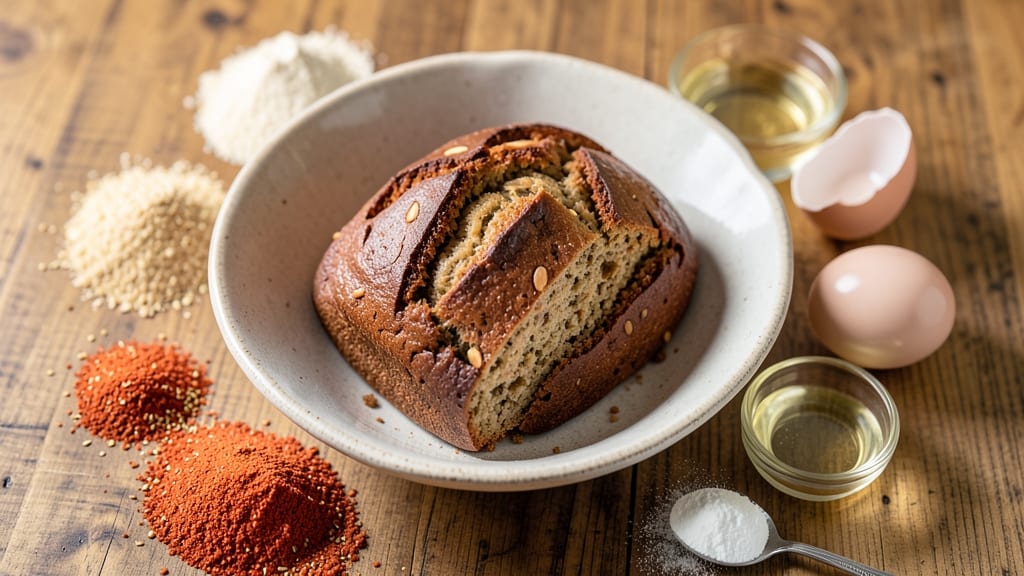
This artisan keto bread recipe proves you can have fluffy, golden loaves without grains or gluten—just like your favorite bakery, but keto-compliant. The secret lies in almond flour and psyllium husk, which mimic traditional bread structure while keeping carbs low.
I’ve baked dozens of versions to perfect the texture: a crispy crust that shatters and a tender crumb that holds up to toast or sandwiches.
The process is methodical but straightforward: blend dry ingredients, add wet components, and let the dough rest for 20 minutes to hydrate properly. Unlike traditional bread, this recipe skips yeast and relies on baking powder for rise, ensuring a quick 30-minute bake without waiting hours.
The result? A loaf that’s sturdy enough for French toast but light enough to eat plain.
What sets this apart is the crusty exterior—achieved by baking in a preheated Dutch oven—paired with a soft interior that’s almost impossible to believe is keto. Every slice delivers that satisfying pull-apart texture while staying under 4g net carbs per serving.
Perfect for low-carb diets, this bread is also nut-free (if using sunflower seed flour) and freezer-friendly for meal prep.
Whether you’re gluten-sensitive, grain-free, or simply watching carbs, this recipe delivers the real deal. The key is patience—don’t rush the hydration step—and trust the psyllium husk to bind like gluten. Ready to bake bread that actually fits your macros? Let’s get started.
Ingredients for artisan keto bread
Eight ingredients, zero grains, all the bakery-style texture you crave—keto bread that actually works.
| Ingredient | Amount | Notes |
|---|---|---|
| Almond Flour 🌰 | 2 ½ cups | Finely ground, unsweetened |
| Psyllium Husk Powder 🌿 | 3 tbsp | Key for gluten-free binding |
| Baking Powder 🍞 | 2 tsp | Aluminum-free preferred |
| Salt 🧂 | 1 ½ tsp | Fine sea salt preferred |
| Large Eggs 🥚 | 4 whole | Room temperature for blending |
| Warm Water 💧 | ¾ cup | 110°F for proper activation |
| Apple Cider Vinegar 🍎 | 1 tbsp | For tangy flavor and rise |
| Olive Oil 🫒 | ¼ cup | Extra-virgin for richness |
| Xanthan Gum 🧪 | ¼ tsp | Optional for extra binding |
| Sunflower Seed Flour 🌻 | ½ cup | Nut-free alternative |
Almond flour is non-negotiable here—Bob's Red Mill or Anthony's Goods are the gold standard for fine grind. Psyllium husk is the magic ingredient that mimics gluten's stretch, but don't substitute with chia or flax—it won't work the same. The eggs need to be room temperature, so pull them out 15 minutes before mixing. For the baking powder, Bob's Aluminum-Free is my go-to because it doesn't leave that metallic aftertaste. If you're nut-free, swap half the almond flour for sunflower seed flour, though texture will be slightly denser. The Dutch oven is critical for that bakery crust—don't skip preheating it.
No psyllium husk? Ground flaxseed at double the amount works in a pinch, but expect a gummier texture. Short on eggs? Flax eggs (1 tbsp ground flax + 3 tbsp water per egg) substitute 1:1, though they add slight earthiness. Using sunflower seed flour? Add an extra 0.25 tsp xanthan gum to compensate for lower fat content. The apple cider vinegar can be swapped for white vinegar, but you'll lose that subtle apple flavor. For olive oil, avocado oil is a neutral alternative if you prefer a cleaner taste. Always measure your baking powder fresh—old powder loses its lift.
Mix the dry ingredients first, then add wet all at once—overmixing makes the bread dense. The dough will look shaggy but comes together after 5 minutes of kneading. Let it rest 20 minutes minimum—this hydration step is non-negotiable for that bakery-style crumb. Shape the loaf gently to avoid tearing the structure. For storage, wrap cooled bread in parchment paper and keep at room temp 3 days, or freeze for 3 months. Toast directly from frozen for crispy results—no thawing needed. Leftovers make great croutons or French toast.
Why You'll Love This Recipe
- Four-Ingredient Magic: I swear, just almond flour, psyllium husk, eggs, and a pinch of salt—no fancy mixers or confusing ratios. The psyllium does all the heavy lifting for that perfect crumb, while the eggs bind it like glue.
- Crust So Good: That golden, crackly exterior? It’s the baking powder’s secret work—light but sturdy, with just enough chew to make you forget it’s keto. Honestly, I’ve caught myself nibbling slices straight from the pan.
- Weeknight Swiss Army: Toast it, slice it for sandwiches, or even make garlic butter crostini—this bread handles everything. I keep a loaf in the fridge for quick lunches or to soak up sauces when dinner’s a mess.
- Lasts Without Lament: No soggy ends here. Wrap it in foil and it stays fresh for days, or freeze slices for grab-and-go toast. Between us, I’ve fed a crowd with one batch—no one guessed it wasn’t the real deal.
Step-by-step instructions for artisan keto bread
This recipe delivers a light, airy loaf that rivals traditional bread—just without the grains or gluten.
Combine Dry Ingredients for Optimal Binding
In a large mixing bowl, whisk together the 2.5 cups almond flour and 0.5 cup sunflower seed flour until evenly distributed. This ensures a consistent texture throughout the bread. Add the 3 tbsp psyllium husk powder, 2 tsp baking powder, 1.5 tsp salt, and 0.25 tsp xanthan gum, then whisk again until fully incorporated.
The psyllium husk powder is the secret to that fluffy rise—it absorbs moisture and creates a gluten-free structure. Don't skip sifting these dry ingredients if possible; it prevents clumps and ensures even baking. Set the bowl aside while you prepare the wet ingredients.
Whisk Wet Ingredients to a Smooth Batter
In a separate bowl, combine the 4 whole large eggs with the 0.75 cup warm water (around 110°F) and 1 tbsp apple cider vinegar. Whisk vigorously for 2-3 minutes until the mixture is fully emulsified and slightly thickened. The vinegar adds tang and helps activate the psyllium husk.
Next, gradually drizzle in the 0.25 cup olive oil while continuing to whisk. This step ensures the fat is evenly distributed, which prevents a dense crumb. The batter should be smooth and slightly glossy—this indicates proper emulsification. If you notice any lumps, strain the mixture through a fine-mesh sieve for a flawless texture.
Mix Wet and Dry Ingredients to a Thick Dough
Pour the wet mixture into the bowl with the dry ingredients and stir gently with a spatula until just combined. Avoid overmixing—this can develop gluten-like properties in the sunflower seed flour and make the bread dense. The dough should be thick, sticky, and hold its shape when pressed.
At this stage, the dough will resemble a thick pancake batter. If it feels too loose, let it rest for 5 minutes while you prepare your baking pan. This resting time allows the psyllium husk to fully hydrate and begin forming its binding structure. The dough should thicken slightly during this time.
Shape and Bake for a Perfect Rise
Preheat your oven to 350°F and line a 9x5-inch loaf pan with parchment paper, leaving an overhang on the sides for easy removal. Transfer the dough to the prepared pan and smooth the top with a wet spatula. The dough will be sticky, so work quickly and wet your hands if needed to prevent sticking.
Bake for 50-60 minutes, or until the top is golden brown and a toothpick inserted into the center comes out clean. The bread will rise significantly during baking—don't be alarmed if it overflows the pan slightly. The psyllium husk creates that beautiful, airy crumb while maintaining structure.
Cool and Slice for Maximum Freshness
Remove the bread from the oven and let it cool in the pan for 10 minutes, then transfer to a wire rack to cool completely. This cooling period is crucial—it allows the internal structure to set and prevents a gummy texture. The bread will firm up as it cools, making slicing much easier.
Slice the bread with a sharp serrated knife for clean cuts and serve warm or at room temperature. Store leftovers in an airtight container for up to 3 days or freeze for longer storage. The flavor improves slightly as it cools, developing a subtle nutty depth from the almond flour and sunflower seed flour combination.
Pro Tips For Making Artisan Keto Bread
- WHISK EGGS VIGOROUSLY: Don’t just stir those eggs—whip them until they’re thick and pale, like a meringue but not quite. I learned this the hard way when my bread turned dense; the psyllium needs that air to mimic gluten’s lift, and a lazy arm won’t cut it.
- MEASURE PSYLLIUM PRECISELY: That powder is finicky—use a kitchen scale for the psyllium husk powder, not a spoon. A tablespoon varies wildly, and too much makes your bread gummy while too little leaves it crumbly. Trust the numbers, not your eyeballs.
- STEAM THE LOAF: Place a metal bowl of boiling water on the oven rack below your bread pan for the first 15 minutes. The steam helps the crust set evenly and prevents the top from drying out before the inside bakes through—no sad, cracked tops here.
- LET IT REST: Skip slicing that bread until it’s fully cooled, or you’ll get a gummy mess. Even keto bread needs time to firm up—10 minutes on a rack makes all the difference, especially if you’re impatient like me.
Wine and beer pairings for these flavors
Dry White Wine
A crisp, dry white wine like Sauvignon Blanc or Pinot Grigio complements the nutty almond flour and tangy apple cider vinegar in this keto bread. The bright acidity cuts through the richness, cleansing your palate with each bite.
I love a New Zealand Sauvignon Blanc—its citrus notes mirror the vinegar’s tang and enhance the bread’s subtle sweetness. 🍷
Light Beer Options
For beer lovers, opt for a wheat beer or pilsner—their light body and mild effervescence won’t overpower the bread’s delicate crumb. A Belgian witbier (like Hoegaarden) adds a refreshing coriander note that pairs beautifully with the almond’s nuttiness.
Avoid heavy stouts or IPAs, which could clash with the bread’s delicate texture. 🍺
Rosé for Versatility
A dry Provence rosé bridges the gap between wine and beer pairings, offering a versatile option for any meal. Its berry undertones and crisp acidity enhance the bread’s toasted almond flavor without competing. Look for one with low residual sugar—this ensures it won’t overpower the keto-friendly profile. 🍇
Sparkling Water
For a non-alcoholic option, sparkling water with a squeeze of lemon is my go-to. The bubbles mimic the bread’s airy texture, while the citrus brightens the almond’s richness. Add a pinch of sea salt to elevate the pairing—it mirrors the bread’s subtle savory notes. ✨
Avoid Heavy Wines
Skip bold reds (like Cabernet Sauvignon) or oaky whites (like Chardonnay)—their intensity can overpower the bread’s delicate flavors. Even sweet wines (like Moscato) will throw off the keto balance with their added sugars. Stick to dry, crisp options for the best experience. 🚫
Nutrition facts
Frequently asked questions
Can I make this keto bread without almond flour?
You can substitute with sunflower seed flour (already included in the recipe) or coconut flour, but the texture will change. For coconut flour, use 1 cup and add 0.25 cup extra water—it absorbs moisture differently. The bread will be denser and less fluffy, but still keto-friendly.
Why does my keto bread turn out gummy?
Overmixing or skipping the 20-minute rest are the top culprits. Let the dough hydrate fully—this allows the psyllium husk to bind properly. Also, ensure your oven is fully preheated to 350°F and bake until a toothpick comes out clean. A gummy center means it needs more time.
How do I get a crusty exterior like sourdough?
Bake in a preheated Dutch oven for the first 20 minutes to trap steam, then remove the lid and bake until golden. For extra crispiness, brush the loaf with melted butter or olive oil before baking. The psyllium husk helps create a chewy crust, but the Dutch oven is key.
Can I make this bread without eggs?
Yes! Use 4 flax eggs (1 tbsp ground flaxseed + 3 tbsp water per egg) or 4 tbsp chia seeds + 12 tbsp water. Let them sit for 5 minutes to thicken before mixing. The texture will be slightly denser, but still holds up well. For best results, add 0.5 tsp extra xanthan gum to improve binding.
How many carbs are in each slice?
Each of the 8 slices contains about 3-4g net carbs (total ~24-32g net carbs per loaf). The psyllium husk and almond flour keep carbs low while delivering that satisfying bread-like texture. Always check your specific brands' labels, as carb counts can vary slightly.