
Beverages
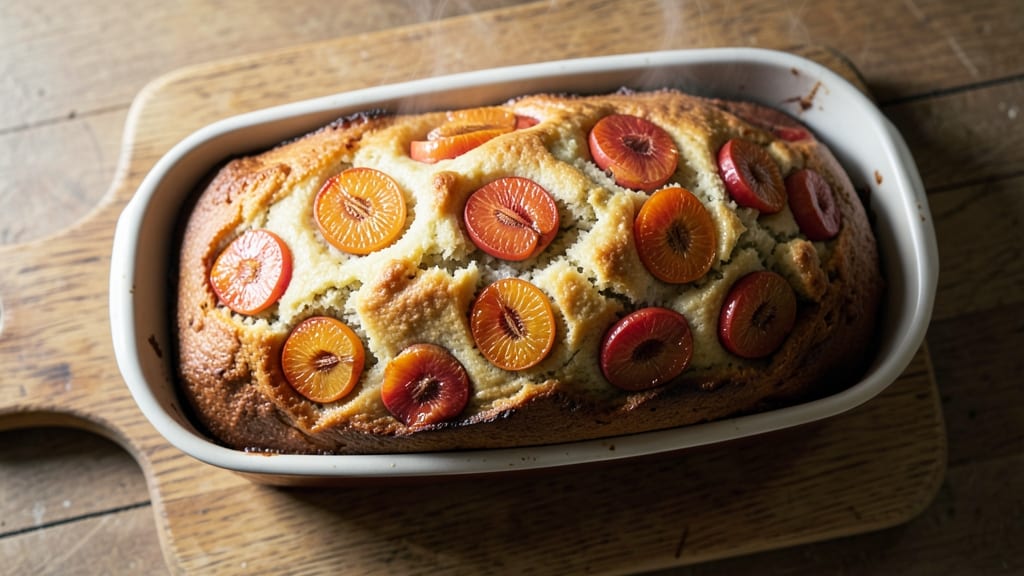
This apricot tea bread recipe delivers the perfect balance of tender crumb and fragrant spice, infused with the subtle depth of black tea and sweet-tart apricots. The secret lies in activating the yeast with warm tea—Earl Grey or chai work beautifully—while the apricot swirls add bursts of jammy richness.
Every slice stays moist for days, thanks to a simple trick that keeps the texture ultra-tender without drying out.
The dough comes together in just 15 minutes of mixing, then rests while you prep the apricot filling—whether you use fresh fruit, jam, or dried apricots chopped fine. Proofing at room temperature ensures a light, airy crumb, while baking at 350°F guarantees a golden top with just the right crispness.
The tea infusion elevates the flavor, giving it a sophisticated warmth that pairs perfectly with morning coffee or afternoon tea.
What sets this bread apart is its foolproof moisture—no dry, crumbly results here. The butter and brown sugar create a velvety texture, while the tea keeps it from becoming too sweet.
Top with a simple glaze or leave it as-is for a rustic finish; either way, the apricot swirls melt into every bite, delivering that perfect balance of spice and fruit.
Best of all, this bread improves with time—if you can resist eating the whole loaf fresh from the oven, it’ll keep beautifully wrapped at room temperature for 3 days or frozen for up to 3 months.
Perfect for gifting, meal prep, or simply enjoying a slice with your favorite tea.
Ingredients for apricot tea bread
The secret to ultra-moist apricot tea bread starts with these 14 ingredients—simple yet magical.
| Ingredient | Amount | Notes |
|---|---|---|
| All-Purpose Flour 🌾 | 4 cups | Sifted for light texture |
| Granulated Sugar 🍚 | ½ cup | For sweetness balance |
| Packed Brown Sugar 🍚 | ½ cup | For moisture and caramel flavor |
| Unsalted Butter 🧈 | ¾ cup | Cold, cubed for flaky layers |
| Active Dry Yeast 🍞 | 2 ¼ tsp | Freshly checked for viability |
| Earl Grey Tea ☕ | 1 ½ cups | Brewed and cooled to 110°F |
| Large Eggs 🥚 | 2 whole | Room temperature for even mixing |
| Vanilla Extract 🌸 | 1 tbsp | Pure, not imitation |
| Ground Cinnamon 🌿 | 1 ½ tsp | For warm spice depth |
| Salt 🧂 | ½ tsp | Kosher or sea salt |
| Apricot Jam 🍑 | ½ cup | Sweet-tart variety preferred |
| Dried Apricots 🍇 | ½ cup | Chopped fine for texture |
| Powdered Sugar 🍚 | ¼ cup | For glaze, optional |
| Milk 🥛 | ¼ cup | Warmed for glaze |
The tea is non-negotiable—Earl Grey or chai work best, but any black tea will do. Brew it strong, then cool it to 110°F to activate the yeast without killing it. Whole Foods or local tea shops often carry high-quality loose-leaf options that elevate the flavor. For the dried apricots, Trader Joe's has the best chopped variety—no need to chop yourself. The butter should be cold when you mix it in; Land O'Lakes or Plugrá brands hold their shape perfectly. If you're using fresh apricots, chop them finely and mix them into the jam for extra moisture.
No Earl Grey? English Breakfast tea works in a pinch—just double the amount to match the strength. Jam too sweet? Mix in a splash of lemon juice (1 tsp) to balance it. Short on dried apricots? Chopped dates or figs add a similar chewy texture. The yeast is crucial—if it's old, proof it first in warm water with sugar to check if it's active. For the glaze, you can skip it entirely if you prefer a rustic finish, but trust me, the powdered sugar drizzle makes it look (and taste) like you spent hours baking.
This bread keeps beautifully—wrap it in parchment paper and store at room temperature for 3 days, or freeze for 3 months for freshness anytime. The tea-infused dough stays moist for days, but if you want to revive stale slices, warm them in the oven at 300°F for 5 minutes. I always make a double batch—one loaf for the family, one to freeze for lazy mornings. The glaze sets quickly, so work fast if you're adding it fresh from the oven.
Why You'll Love This Recipe
- No Yeast Nightmares: I’ve ruined bread before—this isn’t one of those. The yeast mix is forgiving, and the dough comes together in five minutes of stirring. Honestly, even if my hands are cold or the kitchen’s drafty, that butter and brown sugar combo keeps things smooth.
- Apricot Butter Bomb: That jam swirled into the crumb? It’s not just sweet—it’s buttery from the brown sugar, with a caramelized edge that makes every slice taste like a hug. (Yes, even on a Tuesday night.)
- Weeknight Workhorse: Slice it warm for breakfast, pack it for lunches, or serve it at a picnic—this bread handles it all. The texture stays soft for days, and the tea-infused richness makes it feel special without the fuss.
- Budget-Friendly Staple: Flour, sugar, butter—these are pantry basics you already own. A single batch stretches to six servings, and the leftovers? Toast them for crunchy French toast or crumbs for meatballs. Waste? None.
Step-by-step instructions for apricot tea bread
Here's how to craft this ultra-moist, fragrant loaf with perfect swirls every time.
Activate the Yeast with Earl Grey Tea
In a small bowl, combine the 1.5 cups Earl Grey Tea that's been brewed and cooled to 110°F with the 2.25 tsp Active Dry Yeast. Let this sit for 5-7 minutes until you see frothy bubbles forming on the surface—this tells you your yeast is alive and ready to work. I always check my yeast first by dropping a pinch in warm water with a pinch of sugar; if it bubbles within 3-5 minutes, it's good to go.
While you wait, whisk together the 4 cups All-Purpose Flour, 0.5 cup Granulated Sugar, 0.5 cup Packed Brown Sugar, 1.5 tsp Ground Cinnamon, and 0.5 tsp Salt in a large mixing bowl. Sift the flour first to aerate it—this creates a lighter texture in the final bread. Set this mixture aside for now; you'll add it to the yeast mixture in the next step. The reason we use both granulated and brown sugar is that the brown sugar adds moisture while the granulated sugar helps create that perfect balance of sweetness.
Mix the Dough Until Just Combined
Add the 2 whole Large Eggs (room temperature) and 1 tbsp Vanilla Extract to the yeast-tea mixture. Stir gently to combine, then pour this into your dry ingredients. Using a wooden spoon or dough whisk, mix just until the ingredients come together—you should still see some flour streaks. This prevents overdevelopment of gluten, which would make the bread tough.
Now, cut in the 0.75 cup Unsalted Butter (cold, cubed) using a pastry cutter or your fingers. Work quickly but gently to incorporate the butter without melting it completely—you want to maintain those flaky layers. The dough will be shaggy at this point, but don't worry. Once you add the 0.5 cup Apricot Jam and 0.5 cup Dried Apricots (chopped fine), the dough will come together more easily. The jam adds natural sweetness and moisture, while the dried apricots contribute texture and depth of flavor.
Knead Until Smooth and Elastic
Turn the dough out onto a lightly floured surface and knead for 8-10 minutes until smooth and elastic. You'll know it's ready when it springs back slowly when poked. I like to use the "windowpane test"—stretch a small piece of dough thin enough to see light through it without tearing. This ensures proper gluten development for a good rise.
Divide the dough into two equal pieces, then roll each piece into a 12-inch log, about 2 inches in diameter. Wrap each log tightly in plastic wrap and refrigerate for at least 1 hour (or up to 24 hours). Chilling helps the flavors meld and makes shaping easier. Here's the thing—don't skip this step. The cold dough handles better when you go to create those beautiful swirls, and it prevents the jam from leaking out during baking.
Create the Signature Swirls
Preheat your oven to 350°F and line two 9x5-inch loaf pans with parchment paper. Remove one dough log from the refrigerator and unwrap it. Using a sharp serrated knife, cut the log diagonally into ½-inch thick slices. You'll have about 24 slices—keep them covered with a clean kitchen towel to prevent drying.
Place one slice of dough in the bottom of a prepared loaf pan. Spread 2 teaspoons of the 0.5 cup Apricot Jam on top, then add another slice of dough. Repeat this layering process until you've used all the dough and jam, finishing with a layer of dough on top. Press down gently to create a smooth surface. The jam will bubble up during baking, creating those gorgeous swirls we all love. Real talk: if you're nervous about the jam leaking, you can brush the top of the dough with a little milk before baking to help seal it.
Bake to Golden Perfection
Bake the loaves for 50-55 minutes until the tops are golden brown and a toothpick inserted into the center comes out clean. The bread should have a beautiful, even rise and those enticing jam swirls peeking through. If the tops brown too quickly, tent the loaves with aluminum foil after 30 minutes to prevent over-browning while allowing them to cook through.
Remove the bread from the oven and let them cool in the pans for 10 minutes, then transfer to a wire rack to cool completely. For that professional finish, brush the tops with a simple glaze made by whisking together the 0.25 cup Powdered Sugar and 0.25 cup Milk. This adds a beautiful sheen and enhances the sweetness. Serve warm with a pat of butter or a sprinkle of powdered sugar—each slice will be moist, fragrant, and bursting with apricot flavor. The secret to maintaining that ultra-moist crumb? Don't overbake, and always let the bread cool slightly before slicing so it holds together better.
Pro Tips For Making Apricot Tea Bread
- Proof Until Doubled: Don’t rush this—your bread’s rise depends on it. The yeast needs time to work through the dense apricot mixture, so give it 1.5 to 2 hours (or until it hits the top of the bowl). Cold weather? Add 30 minutes. Trust me, a flat loaf is a sad loaf.
- Soften the Butter First: Room-temperature butter mixes better and creates a lighter crumb. Stick it in the fridge for 10 minutes before measuring, then press it with a fork until it’s soft but not melted. I learned this the hard way—lumpy dough = dense bread.
- Skip the Overmixing: Once you fold in the apricots, stop mixing when the fruit is just barely incorporated. Overworking the dough kills the gluten and makes the texture dense. A few streaks of fruit? That’s fine—it’s tea bread, not a showpiece.
- Use Warm Water for Yeast: Dissolve the yeast in warm (not hot) water—think lukewarm bathwater. If it’s too hot, you’ll kill it; too cold, and it’ll take forever to activate. Stir in the sugar first, then wait 5 minutes for frothy action before adding to the dough. No froth? Start over.
Make-ahead tips for this recipe
Prep Ahead
Mix the dough up to 24 hours ahead and refrigerate the shaped logs. The flavors deepen overnight, and chilled dough is easier to handle when creating those signature swirls.
I always make my dough the night before—it saves morning stress and guarantees perfect texture. Wrap the logs tightly in plastic wrap to prevent drying. 💫
Jam Prep Shortcut
Save time by prepping the apricot jam mixture the day before. Mix the 0.5 cup apricot jam with 0.5 cup chopped dried apricots and store in an airtight container in the fridge.
This keeps everything ready to layer when you're ready to bake. The dried apricots soften slightly overnight, making them easier to incorporate into the dough.
Freezer-Friendly Dough
For ultimate convenience, divide and freeze the shaped dough logs. Wrap each log individually in plastic wrap, then place them in a freezer bag with parchment paper between layers. Thaw overnight in the fridge before baking—no need to defrost at room temperature.
This method works perfectly for meal prep or gifting. Just add the jam when you're ready to bake fresh.
Glaze Prep
Make the powdered sugar glaze ahead of time and store it in a small jar. Combine the 0.25 cup powdered sugar with 0.25 cup milk and stir until smooth. The glaze keeps well in the fridge for up to 5 days—just whisk before using.
I keep a jar in my pantry for quick finishing touches on any baked goods. 🍯
Storage Solutions
Wrap cooled loaves in parchment paper, then store in an airtight container at room temperature for up to 3 days. For longer storage, slice the bread and freeze individual portions between parchment paper.
Reheat slices in a 300°F oven for 5 minutes to restore freshness. The tea-infused dough stays moist even after freezing, making this perfect for make-ahead breakfasts.
Jam Variations
Prep different fruit fillings ahead of time and store them separately. Try mixing blueberry jam with chopped almonds or raspberry jam with white chocolate chips. The possibilities are endless—just keep the fillings refrigerated until ready to use.
I often make extra jam mixtures to experiment with different flavor combinations throughout the week. 🍓
Nutrition facts
Frequently asked questions
Can I use any type of tea in this recipe?
While Earl Grey or chai tea work best for their robust flavors, any black tea will do. Avoid herbal teas—they lack the tannins that help activate the yeast properly. For a stronger flavor, use 2 tea bags per cup of water. Green or white teas can work in a pinch, but they may make the bread taste more delicate.
What if my dough doesn't rise properly?
Check your yeast first—it might be old. Test it by mixing 1 tsp yeast with 2 tbsp warm water and 1 tsp sugar. If it doesn't bubble within 5-10 minutes, replace it. Also ensure your tea is 110°F (not too hot) and your dough is in a warm place (like a turned-off oven with light on) while proofing. Cold kitchens slow yeast activity.
How do I prevent the jam from leaking during baking?
Brush the top of each dough layer with a thin layer of milk or egg wash before baking to create a seal. Also, chill the assembled loaves in the fridge for 15-20 minutes before baking—this helps the jam set slightly. For extra insurance, use less jam (start with 3 tbsp per loaf) and add more if needed after your first try.
Can I make this bread without dried apricots?
Swap them for chopped fresh apricots, dates, or even raisins. For texture, try chopped nuts like walnuts or pecans. If using fresh fruit, pat it dry first to prevent excess moisture in the dough. The key is maintaining ½ cup total fruit to keep the balance right.
Why does my bread taste bitter?
Bitter flavor usually comes from overproofed yeast or burnt sugar. Check your yeast activation time—it should bubble within 5-7 minutes. Also, ensure your oven isn't too hot (use an oven thermometer if needed). If the bread tastes bitter, try reducing the baking time by 5 minutes next time and check at 45 minutes. The tea shouldn't be bitter either—use high-quality loose-leaf tea for best results.