
Desserts
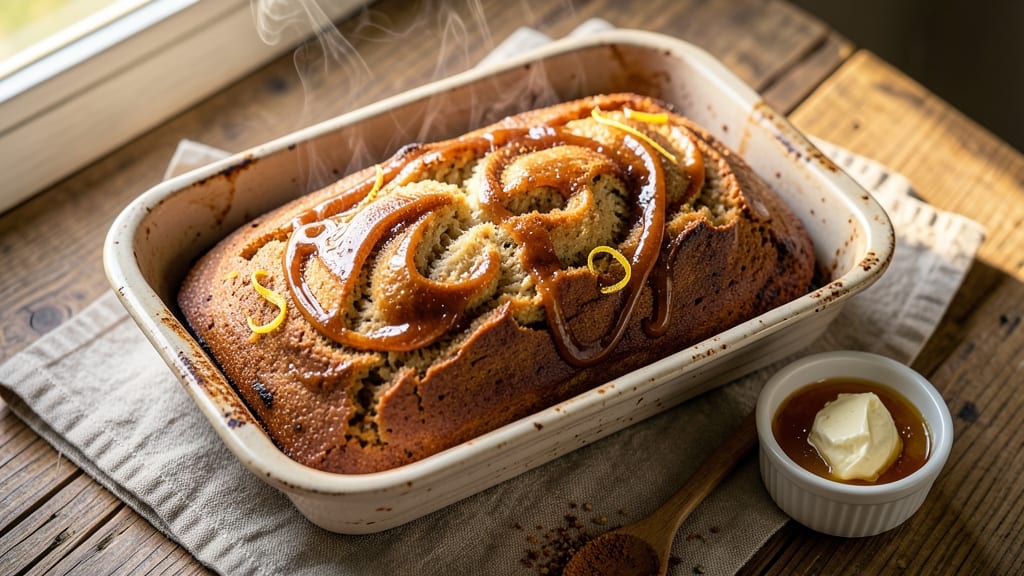
Apple cider cinnamon bread transforms a simple loaf into a cozy, spice-drenched masterpiece that smells like autumn in every slice. The secret lies in swirling apple cider into the dough—its natural sweetness and acidity create a tender crumb while balancing the warm cinnamon notes. This recipe delivers a soft crust and moist interior that stays fresh for days, making it perfect for breakfast or dessert.
What sets this bread apart is the apple cider infusion, which adds depth beyond vanilla or butter alone. You'll mix a simple yeast dough, then fold in a cinnamon-sugar swirl that releases aromatic steam as it bakes.
The result? A loaf with a golden crust and a crumb so tender it practically melts in your mouth, all while keeping the signature cinnamon warmth you crave.
Baking at 350°F for 45-50 minutes ensures even browning and perfect rise, while the cider evaporates just enough to concentrate its flavor without drying the bread. Serve warm with butter, jam, or whipped cream for a dessert that feels like a hug—ideal for holiday mornings or spontaneous cravings.
This recipe scales beautifully for gifts or gatherings, and the dough can be prepped ahead for overnight rising. The combination of apple cider and cinnamon creates a flavor profile that's both comforting and sophisticated, proving homemade bread can be both impressive and foolproof.
Ingredients for apple cider cinnamon bread
Four cups flour, a splash of cider, and cinnamon that'll make your kitchen smell like fall.
| Ingredient | Amount | Notes |
|---|---|---|
| Apple Cider 🍎 | ½ cup | Unpasteurized for best flavor |
| All-Purpose Flour 🌾 | 4 cups | Plus 2 tbsp for dusting |
| Granulated Sugar 🍚 | ½ cup | White or light brown |
| Instant Yeast 🍞 | 2 ¼ tsp | Or 1 packet active dry |
| Unsalted Butter 🧈 | ½ cup | Cold, cubed for dough |
| Large Eggs 🥚 | 1 whole | Room temperature |
| Milk 🥛 | ½ cup | Warm for activation |
| Ground Cinnamon 🌿 | 2 tbsp | Freshly ground preferred |
| Light Brown Sugar 🍚 | ½ cup | Packed, for swirl |
| Salt 🧂 | 1 tsp | Fine sea salt |
| Vanilla Extract 🍯 | 1 tsp | Pure vanilla preferred |
| Turbinado Sugar 🍚 | 2 tbsp | For topping (optional) |
The apple cider is the magic here—unpasteurized is best, but pasteurized works in a pinch. Local orchard cider has the deepest flavor, but any good-quality bottle from Trader Joe's or Whole Foods will do. If you can't find unpasteurized, warm it slightly to concentrate the flavor. The flour? King Arthur or Gold Medal are my go-tos—they give that perfect tender crumb. And don't skip the instant yeast; it activates faster and makes the dough rise smoother. Keep it in the fridge until ready to use, though—it's more potent than you think.
No apple cider? Apple juice works in a bind, but you'll lose some depth. Swap the brown sugar for white if that's what you've got, though the molasses in brown sugar adds that extra richness. Want more cinnamon warmth? Add 1/2 tsp cinnamon to the dough itself. The butter needs to be cold for that flaky texture, but if it's too hard to mix, let it sit at room temp for 10 minutes. And if you're out of vanilla extract, vanilla bean paste is a perfect upgrade—just use half the amount. The turbinado sugar topping? Totally optional, but it gives that gorgeous crunchy crust that everyone loves.
This dough is a dream to prep ahead—make it the night before and let it rise overnight in the fridge. The flavors meld beautifully that way. Once baked, it stays fresh for 3-4 days at room temp, wrapped in a towel. For longer storage, slice and freeze portions—up to 3 months. I always make two loaves; one for the morning and one to freeze for lazy weekends. Trust me, the second day is even better when the cider flavors have had time to settle.
Why You'll Love This Recipe
- No-Fuss Dough: I swear by this recipe because it’s actually simple—just mix, let it rise, and bake. No kneading, no fuss, and the apple cider does half the work by adding natural sweetness and moisture.
- Spiced Perfection: That warm cinnamon-sugar swirl? It’s like autumn in every bite, but the real magic is the apple cider’s tang cutting through the sweetness. Honestly, it’s the kind of flavor that makes you want to bake it twice in one weekend.
- Weekend Crowd-Pleaser: Bring this to a picnic, holiday gathering, or just for your own family—it’s always a hit. Between us, my kids fight over the last slice, and my partner sneaks extra when he thinks I’m not looking.
- Budget-Friendly Staple: A loaf costs less than takeout, keeps for days, and turns into toast, French toast, or even breadcrumbs. I’ll be real: this recipe saved me from ordering pizza last month.
Step-by-step instructions for apple cider cinnamon bread
Here's how to make this cozy, spiced loaf with a perfectly moist crumb and caramelized swirl.
Activate the Yeast with Warm Apple Cider
In a small bowl, combine the 0.5 cup apple cider with the 0.5 cup warm milk (about 110°F—too hot kills yeast). Sprinkle the 2.25 tsp instant yeast over the top and let sit for 5 minutes until frothy. You'll see tiny bubbles forming—that's your yeast waking up and getting ready to work.
If nothing happens after 5 minutes, your yeast might be old. In that case, start fresh with new yeast. This step is crucial because active yeast creates the air pockets that make your bread light and fluffy. Don't skip the warm temperature check—lukewarm is perfect, not hot.
Mix the Dough and Knead Until Smooth
In a large mixing bowl, whisk together the 4 cups all-purpose flour, 0.5 cup granulated sugar, 2 tbsp ground cinnamon, 1 tsp salt, and 1 tsp vanilla extract. Make a well in the center and pour in the yeast mixture, the 1 whole egg, and 0.5 cup cold cubed butter. Mix with a wooden spoon until a shaggy dough forms.
Turn the dough onto a lightly floured surface and knead for 8-10 minutes until smooth and elastic. You'll know it's ready when it springs back slowly when poked. If the dough feels too sticky, add 1-2 tbsp more flour. The goal is a soft, pliable dough that won't tear when you handle it.
Create the Cinnamon Swirl and First Rise
On a clean surface, roll the dough into a 12x16-inch rectangle about ½-inch thick. In a small bowl, mix the 0.5 cup light brown sugar and remaining 1 tbsp cinnamon (if needed). Spread this mixture evenly over the dough, leaving a ½-inch border around the edges. Starting from the long side, tightly roll the dough into a log, pinching the seam to seal.
Place the log seam-side down in a greased 9x5-inch loaf pan. Cover with a clean kitchen towel and let rise in a warm place for 1 hour until doubled in size. You'll see it puff up noticeably—this is where all that yeast activity creates air pockets for that light texture we're after.
Shape and Second Rise Before Baking
Gently remove the dough from the pan and place it on a lightly floured surface. Reshape into a loaf and return it to the greased pan, seam-side down. Sprinkle the 2 tbsp turbinado sugar (if using) evenly over the top for that beautiful caramelized crust. Let rise again for 30-45 minutes until just puffy—it shouldn't quite double this time.
Preheat your oven to 375°F while the bread rises. The sugar topping will create a gorgeous crackly crust while keeping the inside moist. If you're worried about burning, you can bake it for 5 minutes at 400°F first, then reduce to 375°F for the rest of the baking time.
Bake to Golden Perfection
Bake the bread for 45-50 minutes until the top is deep golden brown and the internal temperature reaches 190°F. Tap the loaf gently—the sound should be hollow, not dull. If the top browns too quickly, tent with foil to prevent over-browning while it finishes cooking inside.
Remove from the oven and let cool in the pan for 10 minutes, then transfer to a wire rack. The bread will be warm and fragrant, with that perfect balance of moist crumb and caramelized cinnamon swirl. Slice while still warm for the best texture—each bite should be soft, spiced, and just slightly chewy.
Pro Tips For Making Apple Cider Cinnamon Bread
- Warm the Cider First: Pour your apple cider into a small saucepan and heat it to just under a simmer—around 100°F—before mixing it into the dough. Cold cider shocks the yeast and slows fermentation, leaving you waiting longer for that perfect rise. Trust me, your bread will thank you with a better flavor and texture.
- Use Room-Temp Butter: Let that unsalted butter sit out for 30-45 minutes until it’s soft but not melted. Cold butter creates pockets in the dough that don’t break down properly, leaving you with dense, uneven crumb. Soft butter blends smoothly and gives you that tender, flaky layer you actually want.
- Don’t Overmix the Dough: Once you’ve combined the wet and dry ingredients, stop mixing the second the flour is just incorporated. Overworking the dough develops too much gluten, and your bread will turn out tough instead of light and airy. A quick 30 seconds with a wooden spoon or dough hook does the trick.
- Proof in a Draft-Free Spot: Place your shaped dough in a bowl, cover it loosely with a kitchen towel, and let it rise in a spot that’s warm but not near a drafty window or AC vent. I learned this the hard way—my first batch took hours to rise because I left it by the back door. Aim for 75-80°F for the best, consistent proof.
Common mistakes when making perfect results
Overmixing the Dough
I’ve seen this happen more times than I can count—dough that turns tough and chewy instead of tender and fluffy. The moment you start overmixing, gluten develops too much, and your bread becomes dense.
Stop mixing as soon as the dough pulls away from the bowl sides and forms a smooth ball. If it’s still sticky, add just 1 tablespoon of flour at a time. Overworking the dough is especially risky with apple cider, which can make the mixture extra wet.
Trust your instincts: the dough should feel soft but not gummy. 🌾
Skipping the Yeast Test
This is a classic rookie mistake that can ruin your whole batch. If your yeast doesn’t foam after 5 minutes in the warm cider-milk mixture, it’s dead—likely because it was old or the liquid was too hot.
Always check the expiration date on your yeast packet, and use a thermometer to confirm the liquid is between 105-115°F. Pro tip: I keep a small jar of yeast in the fridge and use it within 3 months for maximum potency.
A failed yeast test means starting over, but it’s better than baking a brick! 🍞
Underestimating the Cider’s Moisture
The apple cider adds more moisture than you might expect, and this can lead to a gummy loaf if you’re not careful. If your dough feels too wet to handle, resist the urge to add extra flour—it’ll throw off the balance.
Instead, let it rest for 10 minutes covered with a damp towel while you prep the cinnamon swirl. The gluten will relax, making it easier to shape.
I’ve also had success adding 1 extra tablespoon of cinnamon to the dough itself (not the swirl) to help absorb some of that moisture. 🍎
Baking at the Wrong Temperature
Your oven might read 375°F, but that doesn’t mean it’s accurate! Many home ovens run 25-50°F hotter or cooler than they should. Invest in an oven thermometer to double-check—it’s a game-changer.
If your bread browns too quickly but the center stays doughy, lower the temp to 350°F and bake for 10-15 minutes longer. Conversely, if the top stays pale, increase to 400°F for the last 5 minutes to get that perfect caramelized crust. 🌡️
Not Letting the Bread Cool Properly
I can’t tell you how many times I’ve sliced bread too soon and ended up with a sad, gummy mess. The steam inside needs time to escape, and cutting too early traps moisture, making the crumb soggy.
Always let the bread cool in the pan for 10 minutes, then transfer to a wire rack for another 20 minutes before slicing. Patience here pays off—each slice will hold its shape and have that perfect balance of softness and structure. 💪
Ignoring the Swirl Technique
The cinnamon swirl is what makes this bread special, but a sloppy roll can lead to uneven distribution or even a broken seam. Roll the dough into a 12x16-inch rectangle with even pressure—don’t press too hard or you’ll flatten it.
When rolling up, keep the seam tight and pinch it closed so the filling doesn’t leak out during baking. If the dough resists, let it rest for 5 minutes before shaping again. A well-sealed swirl ensures every bite has that perfect cinnamon-sugar burst. ✨
Nutrition facts
Frequently asked questions
Can I use apple juice instead of apple cider?
Apple juice works in a pinch, but you'll lose some depth of flavor since cider has more natural sweetness and acidity. For best results, use unpasteurized cider—it adds that rich, caramel-like depth that makes this bread special. If you must substitute, add 1 extra tablespoon of brown sugar to compensate for the lack of molasses notes.
How do I store leftover apple cider bread?
Wrap cooled slices in plastic wrap or store in an airtight container to keep them fresh for 3-4 days at room temperature. For longer storage, slice and freeze portions for up to 3 months. To reheat, wrap slices in foil and warm in a 350°F oven for 5-10 minutes until toasty again.
Why does my bread taste bland?
Bland flavor usually means the cinnamon wasn't distributed well or the cider wasn't concentrated enough. Double-check that you mixed the cinnamon-sugar thoroughly into the dough before rolling. For extra warmth, add ½ teaspoon more cinnamon to the dough itself (not just the swirl). Also ensure your cider was warm enough when activating the yeast—this helps release its natural sweetness.
Can I make this bread in a different pan shape?
Yes! While the recipe calls for a 9x5-inch loaf pan, you can adapt it to other shapes. For a round loaf, use a 9-inch cake pan and shape the dough into a ball. For a free-form loaf, bake on a parchment-lined sheet at 350°F for 30-35 minutes until golden. Just be prepared for a shorter baking time in smaller pans.
What's the best way to add extra cinnamon flavor?
For maximum cinnamon warmth, try these upgrades: Add ½ teaspoon ground cinnamon to the dough itself, or use cinnamon sticks in the swirl for a festive look. You can also brush the baked loaf with a mix of melted butter and cinnamon sugar while still warm for an extra aromatic touch.