
Desserts
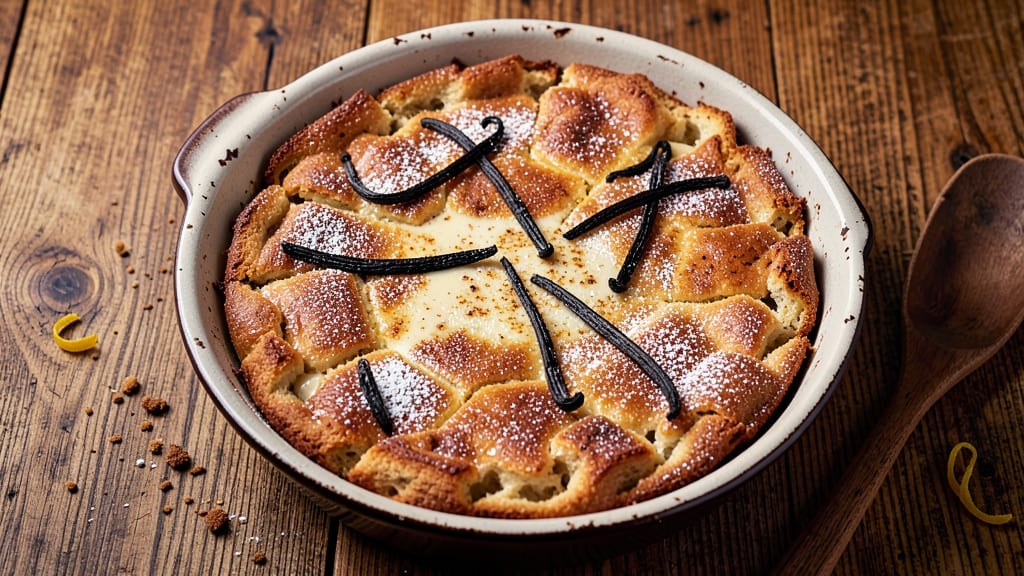
Antoine's bread pudding recipe delivers the ultimate dessert experience with its signature bourbon-infused vanilla depth and perfectly caramelized top. This classic dessert transforms stale bread into a creamy, custardy masterpiece that's impossible to resist.
The secret lies in the balance of warm spices, rich custard, and the subtle kick of bourbon that elevates every bite.
The magic begins with cubed bread soaked in a velvety custard made from eggs, milk, and vanilla, then baked until golden and set. The addition of bourbon adds complexity while keeping the dessert approachable for any occasion.
This recipe maintains traditional techniques while offering flexibility for modern twists like adding chocolate chips or fresh berries.
What you'll achieve is a bread pudding with a tender, moist interior and a crisp caramelized crust that's perfect for serving warm with vanilla ice cream. The bourbon infusion creates layers of flavor that make this dessert stand out from basic versions.
Each bite delivers creamy custard, toasted bread notes, and warm spice undertones.
This version scales beautifully for gatherings or meal prep, making it a reliable crowd-pleaser. The custard mixture can be prepared ahead, allowing you to assemble and bake at your convenience.
Whether you're serving it at a holiday dinner or enjoying a simple dessert night, this bread pudding delivers restaurant-quality results every time.
Ingredients for antoine's bread pudding
These simple yet transformative ingredients turn stale bread into a decadent dessert masterpiece.
| Ingredient | Amount | Notes |
|---|---|---|
| Day-Old Bread 🍞 | 12 cups | Cubed into 1-inch pieces |
| Large Eggs 🥚 | 6 whole | Room temperature preferred |
| Whole Milk 🥛 | 4 cups | Full-fat for creaminess |
| Vanilla Extract 🌿 | 2 tbsp | Pure vanilla preferred |
| Bourbon 🍸 | ½ cup | 80-proof minimum |
| Granulated Sugar 🍚 | 1 ½ cups | Light brown sugar works too |
| Salt 🧂 | 1 tsp | Diamond Crystal preferred |
| Ground Cinnamon 🌶️ | 1 tsp | Freshly ground preferred |
| Ground Nutmeg 🌶️ | ½ tsp | Freshly grated nutmeg |
| Unsalted Butter 🧈 | ½ cup | Melted, for topping |
| Chopped Walnuts 🥜 | ½ cup | Optional for crunch |
| Fresh Berries 🍓 | 2 cups | Optional garnish |
The bread is everything here. Day-old loaves from the bakery section at Whole Foods or your local bakery work best—they're just dry enough to soak up custard perfectly. French bread or brioche adds texture, but basic white or sourdough works too. Cube it consistently (about 1-inch pieces) for even baking. If you're using stale bread from home, toast it lightly first to revive texture. The bourbon? Buffalo Trace or Maker's Mark add depth, but any 80-proof bourbon will do. Pro tip: warm the milk slightly before mixing for a smoother custard.
No bourbon? Brandy or rum work in a pinch, though bourbon's caramel notes are unique. Short on vanilla? Vanilla bean paste adds flecks, or scrape seeds from a real bean. The sugar can be swapped for maple syrup or honey (reduce other liquids slightly). For extra richness, stir in 1/4 cup sour cream with the eggs. The nutmeg is non-negotiable—it's what makes this taste like Antoine's. If you can't find freshly grated, pre-ground is fine. And those optional walnuts? Toast them first—they make all the difference.
Prep ahead like a pro: mix the custard the night before and refrigerate. Assemble the bread pudding up to 4 hours ahead of baking. The custard thickens as it chills, so whisk vigorously before pouring. Bake at 350°F until the top is golden and set. Leftovers? Reheat in a 350°F oven for 10 minutes—it's even better the second day. Store any extra in an airtight container for 3 days. Freeze portions for up to 2 months—just thaw overnight in the fridge before reheating.
Why You'll Love This Recipe
- Here’s the real talk: this tastes better the second day. The custard thickens just right, and the bourbon aroma gets even more inviting. I’ve reheated slices in the oven until golden, and no one’s ever questioned why I “made it fresh” when I clearly made it last week.
- No-Waste Magic: I swear by this trick—day-old bread that would’ve gone stale? This saves it. Tear it up, mix it in, and suddenly you’ve got a dessert that tastes like it was baked yesterday. (Between us, I’ve used everything from sourdough crusts to that half-eaten loaf in the back of the freezer.)
- Bourbon-Kissed Comfort: That splash of bourbon? It’s not just flavor—it’s transformation. Warm vanilla and rich milk get a deep, smoky lift, like a hug from a cozy kitchen. Honestly, I’ll take this over vanilla pudding any day, even when I’m pretending to be fancy.
- Weeknight to Dinner Party: Make it once, eat it three ways. Serve it warm with ice cream for a lazy night, or chill it overnight and slice it for a brunch crowd. My in-laws think it’s homemade (they don’t know it’s my secret weapon for when I skip the grocery store).
Step-by-step instructions for Antoine's bread pudding
This classic dessert comes together with rich layers of flavor and texture—let's make it.
Prepare the Bread and Mix the Custard
Tear the 12 cups day-old bread into 1-inch cubes and spread them evenly in a 9x13-inch baking dish. This size ensures even baking without overcrowding. In a large bowl, whisk together the 6 whole large eggs, 4 cups whole milk, 2 tablespoons vanilla extract, 0.5 cup bourbon, 1.5 cups granulated sugar, 1 teaspoon salt, 1 teaspoon ground cinnamon, and 0.5 teaspoon ground nutmeg until completely smooth. The bourbon adds depth, so don’t skip it—it’s what makes this pudding special.
Pour the custard mixture evenly over the bread cubes, pressing down gently to help them absorb the liquid. Let it sit for 10 minutes while you preheat the oven to 350°F. This resting time ensures the bread soaks up the custard fully, preventing a dry texture later. If you’re using the 0.5 cup chopped walnuts, sprinkle them evenly over the top now—they’ll add a delightful crunch.
Bake Until Golden and Set
Bake the bread pudding for 45-50 minutes until the edges are golden brown and the center is just set. A toothpick inserted should come out clean or with a few moist crumbs—this means it’s fully cooked but still tender. If the top browns too quickly, tent it loosely with foil after 30 minutes to prevent over-browning while the center finishes cooking.
I like to check the pudding at the 40-minute mark—this is when it’s usually ready, but ovens vary. The key is patience; rushing it can leave the center undercooked. Once it’s done, remove it from the oven and let it cool for 10 minutes before serving. This resting time allows the flavors to meld and the texture to firm up slightly.
Top with Melted Butter and Fresh Berries
While the pudding cools, melt the 0.5 cup unsalted butter in a small saucepan over low heat until it’s fully liquid but not browned. Drizzle this over the warm pudding, letting it soak into the top layer. The butter adds richness and helps create a caramelized crust when served. If you’re using the 2 cups fresh berries, arrange them artistically on top just before serving—they’ll add a bright contrast to the warm, spiced pudding.
Serve the bread pudding warm, straight from the oven, with a scoop of vanilla ice cream or a dollop of whipped cream. The combination of the bourbon-infused custard, the crunch of walnuts, and the fresh berries makes this dessert unforgettable. Enjoy it while it’s still warm—every bite is pure comfort.
Pro Tips For Making Antoine'S Bread Pudding
- SOAK THE BREAD IN BATCHES: Pour the milk-bourbon-vanilla mix over the bread in the dish, but don’t drown it—work in 2-3 sections. Let it sit for 10 minutes, then flip the soaked chunks to coat the undersides. This prevents a soggy center while keeping every bite moist. (I learned this the hard way after pulling out a dense, undercooked middle.)
- USE ROOM-TEMPERATURE EGGS: Cold eggs won’t blend smoothly and can curdle the custard. Take them out of the fridge 30 minutes before mixing—just long enough to reach room temp. If you’re in a rush, place the eggs in warm (not hot) water for 10 minutes. Trust me, the texture difference is noticeable.
- BAKE UNTIL THE CENTER JIGGLES: This isn’t a cake—it needs to wobble like Jell-O before it’s done. Test with a skewer: it should come out slightly wet, not dry. If the edges are golden but the middle’s still loose, tent with foil and bake 5 more minutes. Overbaking turns it gummy, and nobody wants that.
- TOAST THE BREAD FIRST: Skip the stale-bread myth—lightly toast your day-old slices in a 350°F oven for 5 minutes before assembling. The extra crispness adds structure, so the pudding holds together better. (Yes, even if you’re using brioche or challah.) It also cuts down on the soaking time needed.
Troubleshooting your antoine's bread pudding
Dry Top Layer
If your bread pudding emerges with a dry, cake-like top instead of a creamy custard, the bread likely absorbed too much custard before baking.
To fix this, reduce the milk by ¼ cup next time or soak the bread in just enough custard to lightly moisten it—about 2 cups instead of pouring the full mixture.
For a quick fix, drizzle warm custard over the top after baking and let it soak in for 5 minutes before serving. 🌟
Undercooked Center
An undercooked center (jiggly or rubbery) usually means the pudding didn’t bake long enough. Extend baking by 5-10 minutes and check again—it should be just set with a slight wobble. If it’s still undercooked, tent with foil and bake at 325°F for another 10 minutes.
Avoid overmixing the custard, as this can make it tough. For future batches, whisk the eggs and milk separately before combining to prevent curdling.
Custard Too Thin
A runny custard often results from too much liquid or underbaked pudding. If this happens, bake it longer at 350°F until set. For next time, reduce the milk by ¼ cup or add 1 tablespoon cornstarch to the custard mixture.
If the pudding is already baked, chill it for 1 hour—it will firm up as it cools. Stirring in 2 tablespoons sour cream with the eggs can also thicken the custard slightly.
Bread Not Soaking Up Custard
If the bread stays dry and floats on top, it’s likely too fresh or not cubed small enough. Use day-old bread and cube it into 1-inch pieces for even soaking. For extra insurance, toast the bread lightly before cubing to revive texture.
If the custard isn’t absorbing, let the bread sit in the mixture for 15 minutes before baking. Press down gently with a spatula to help it soak up more liquid.
Burnt Top, Raw Center
This classic issue happens when the top browns too quickly while the center stays undercooked. To prevent it, tent the pudding loosely with foil after 30 minutes of baking. If it’s already burnt, cover the top with foil immediately and bake at 325°F until the center is done.
For future batches, lower the oven temperature to 325°F and bake for 55-60 minutes. A water bath (placing the baking dish in a larger pan with 1 inch of hot water) can also help distribute heat evenly.
Bourbon Flavor Too Strong
If the bourbon taste overpowers the dessert, reduce it to ¼ cup next time or swap for brandy or rum. For a milder flavor, let the custard sit for 30 minutes before pouring it over the bread—this allows some of the alcohol to evaporate.
If the pudding is already made, balance the flavor with extra vanilla or a sprinkle of cinnamon. A dollop of whipped cream on top can also help mellow the intensity.
Nutrition facts
Frequently asked questions
Can I make this bread pudding without bourbon?
The bourbon adds depth, but you can substitute ½ cup brandy or rum for a similar richness. For a non-alcoholic version, use ½ cup apple cider or extra vanilla extract. The flavor will be milder but still delicious. If you skip the alcohol entirely, increase the vanilla to 3 tablespoons to compensate.
What type of bread works best for this recipe?
Day-old French bread, brioche, or challah are ideal—they soak up custard beautifully and add texture. Basic white or sourdough bread works too, but avoid dense breads like whole wheat, which can make the pudding too heavy. If using fresh bread, lightly toast it first to mimic day-old texture.
How do I know when the bread pudding is fully baked?
Look for a golden-brown top and insert a toothpick into the center—it should come out clean or with a few moist crumbs. If it’s still jiggly after 50 minutes, tent with foil and bake 5-10 minutes more at 325°F. Overbaking can dry it out, so aim for just-set, not firm.
Can I prepare this ahead of time?
Mix the custard the night before and refrigerate. Assemble the pudding up to 4 hours ahead of baking—cover and refrigerate until ready to bake. For best results, bake straight from the fridge (add 10-15 minutes to baking time). Leftovers keep for 3 days in an airtight container or 2 months frozen.
Why did my bread pudding turn out dry?
A dry pudding usually means the bread absorbed too much custard. Next time, reduce the milk by ¼ cup or soak the bread in just 2 cups custard instead of pouring the full mixture. For a quick fix, drizzle warm custard over the top after baking and let it soak in for 5 minutes before serving.