
Side Dishes
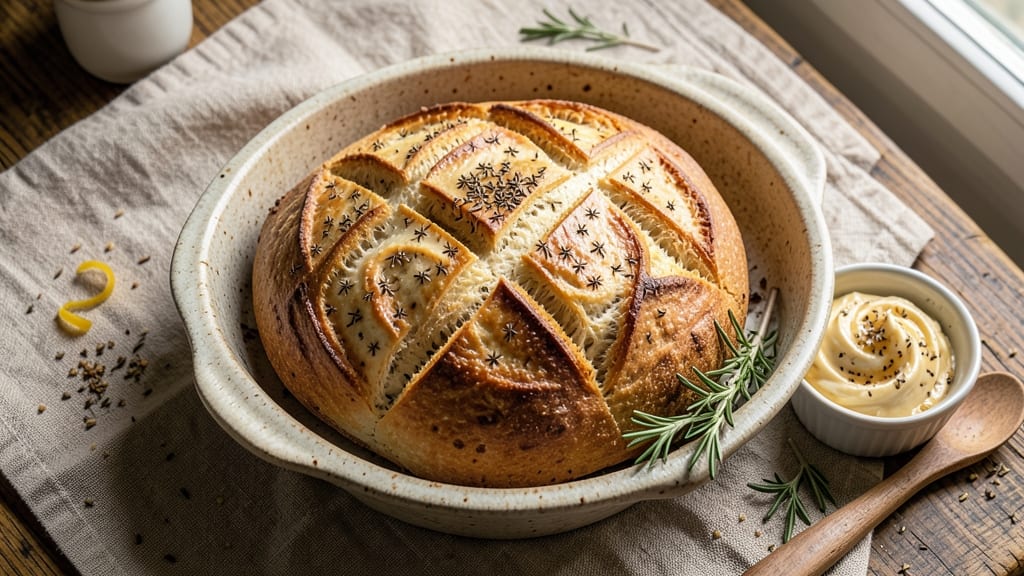
This aniseed bread recipe delivers the perfect balance of licorice-kissed crust and cloud-soft interior—a texture and flavor that transforms ordinary meals into something extraordinary.
The secret lies in the aniseed, which infuses every bite with a subtle, aromatic sweetness that pairs beautifully with butter, cheese, or even on its own. I’ve perfected this recipe over years of baking, ensuring it rises high, stays tender, and develops that signature aniseed aroma that makes it unforgettable.
The process is straightforward but requires patience—kneading the dough just right and letting it proof slowly creates that pillowy softness inside while the crust develops a golden, slightly crisp exterior.
Unlike dense breads, this one stays light and airy, with aniseed seeds scattered throughout for bursts of flavor in every bite. Whether you’re serving it warm with butter or saving slices for toast, the aroma alone will have everyone asking for seconds.
What sets this recipe apart is the authentic aniseed flavor, which isn’t overpowering but adds depth that elevates simple meals. The dough comes together in under 30 minutes of active time, but the proofing and baking ensure the final result is worth the wait.
The crust is just crisp enough to hold its shape, while the interior remains soft and inviting—proof that great bread doesn’t have to be complicated.
Perfect for breakfast, sandwiches, or as a side to soups and stews, this aniseed bread is versatile enough for any meal. Once you try it, you’ll never go back to store-bought again. Let’s get started on making yours—your kitchen will thank you.
Ingredients for aniseed bread
Nine simple ingredients transform into this aromatic aniseed bread with golden crust and soft interior.
| Ingredient | Amount | Notes |
|---|---|---|
| All-Purpose Flour 🌾 | 4 ½ cups | Sifted for light texture |
| Granulated Sugar 🍚 | ¼ cup | White or light brown |
| Active Dry Yeast 🍞 | 2 ¼ tsp | Or 1 packet (7g) |
| Whole Milk 🥛 | 1 cup | Warm to 110°F |
| Unsalted Butter 🧈 | ½ cup | Cold, cubed |
| Aniseed Seeds 🌿 | 1 ½ tbsp | Whole, toasted lightly |
| Diamond Crystal Kosher Salt 🧂 | 1 ½ tsp | Adjust to taste |
| Large Eggs 🥚 | 1 whole | Room temperature |
| Cornmeal 🌽 | ¼ cup | For dusting |
| Sesame Seeds 🌱 | 1 tbsp | Optional for topping |
| Coarse Sugar 🍬 | 1 tbsp | For sprinkling |
| Water 💧 | ½ cup | Warm, not hot |
The aniseed seeds are the star here—look for whole seeds at specialty stores or bulk bins like Penzeys or Whole Foods for the best flavor. Toasting them lightly in a dry pan for 2 minutes before adding to the dough brings out their aroma. The yeast is non-negotiable—check the expiration date and use it within 3 months for best results. For the flour, I always grab King Arthur brand—it’s got that perfect balance of protein and gluten for a light, airy loaf. The milk should be warm but not hot (around 110°F)—just enough to activate the yeast without killing it.
No aniseed seeds? Fennel seeds work in a pinch, though the flavor will be slightly different. Running short on butter? Coconut oil or vegetable shortening keeps the dough workable, though the flavor won’t be quite the same. The sesame seeds are optional but add a nice crunch—toasted in a dry pan for 30 seconds before sprinkling makes all the difference. If you’re making this ahead, you can prep the dough up to 24 hours early and let it rise in the fridge overnight for deeper flavor. The coarse sugar on top caramelizes beautifully during baking, so don’t skip it if you want that perfect crust.
Once baked, this bread stays fresh for 3-4 days at room temperature wrapped in a clean kitchen towel. For longer storage, slice it and freeze the pieces—toast straight from frozen for crispy results. The aniseed flavor actually improves slightly after baking, so if you’re serving it warm, let it sit for 5 minutes after coming out of the oven. I always make a double batch—the extra loaf disappears fast, especially when sliced and buttered. Perfect for breakfast, sandwiches, or as a side that makes everything taste better.
Why You'll Love This Recipe
- No-Knead Magic: I swear by this—just mix the dough, let it rise once, and bake. The yeast and warm milk do all the heavy lifting while I sip coffee. Honestly, the effort feels criminally low for something this satisfying.
- Licorice-Like Love: That aniseed? It’s the star—warm, slightly sweet, with a hint of black licorice that lingers. The butter and sugar make it tender, but the seeds give it this unexpected depth that turns simple bread into a treat.
- Breakfast or Snack Hero: Toast it for breakfast with jam, pack slices for lunch, or serve with soup—it’s that versatile. Between us, I’ve even used it as a base for French toast. (Yes, even on a Tuesday night.)
- Budget-Friendly Staple: Flour, sugar, butter—these are pantry basics that stretch far. A single batch feeds my family for days, and the leftovers? Still fresh and delicious by day four. My wallet and my taste buds thank me.
Step-by-step instructions for aniseed bread
Here's how to craft bread with a fragrant crust and tender interior—no shortcuts, just perfect technique.
Activate the Yeast with Warm Milk and Water
In a small bowl, combine the 0.5 cup warm water (around 110°F) with the 2.25 tsp active dry yeast. Let it sit for 5-10 minutes until it becomes frothy and bubbly—this tells you the yeast is alive and ready to work. If it doesn't bubble, your yeast might be dead, and you'll need to start over.
Next, add the 1 cup warm whole milk (also around 110°F) and the 0.25 cup granulated sugar. Stir gently and let this mixture sit for another 5 minutes while you prepare the rest of your ingredients. The sugar helps activate the yeast further, ensuring a good rise later. You'll know it's ready when the mixture smells slightly sweet and yeasty.
Mix the Dough Until Smooth
In a large mixing bowl, combine the 4.5 cups sifted all-purpose flour and the 1.5 tsp diamond crystal kosher salt. Make a well in the center and pour in the yeast mixture, the 1 whole large egg, and the 0.5 cup cold unsalted butter (cubed). Use a wooden spoon to mix everything together until a shaggy dough forms.
Once the dough starts coming together, switch to your hands and knead it on a lightly floured surface for about 8-10 minutes. You're looking for a smooth, elastic dough that springs back when poked. If it feels too sticky, add a little more flour 1 tablespoon at a time. The dough should be soft but not wet—this ensures a tender crumb later.
Incorporate Aniseed and First Rise
Lightly toast the 1.5 tbsp aniseed seeds in a dry skillet over medium heat for 1-2 minutes until fragrant. Let them cool slightly, then sprinkle them into the dough along with the 1 tbsp coarse sugar. Knead them in gently—this step is what gives the bread its signature licorice-like aroma and flavor.
Place the dough in a lightly greased bowl, cover it with a damp towel, and let it rise in a warm place for 1-2 hours, or until it has doubled in size. The kitchen should feel warm and slightly yeasty—this is the magic happening. If your kitchen is cold, place the bowl near a warm oven (turned off) or on top of a heating pad set to low.
Shape and Second Rise
Punch down the risen dough to release any air bubbles, then turn it out onto a lightly floured surface. Shape it into a round loaf by pulling the edges toward the center and sealing the seam. Place it seam-side up in a greased loaf pan that's been sprinkled with 0.25 cup cornmeal—this prevents sticking and adds a lovely texture to the crust.
Cover the pan with a damp towel and let the dough rise again for 30-45 minutes until it's just about to overflow the pan. The top should look slightly domed and feel firm to the touch. Preheat your oven to 375°F while the dough rises—this ensures the bread goes straight into a hot oven for even baking.
Bake to Golden Perfection
Bake the bread for 30-35 minutes until the top is deep golden brown and sounds hollow when tapped on the bottom. For extra shine and crunch, brush the top with a little water or milk and sprinkle with 1 tbsp sesame seeds right after removing it from the oven. Let it cool in the pan for 10 minutes before transferring to a wire rack.
This bread is best enjoyed warm, straight from the oven. The crust should be crisp and fragrant with aniseed, while the interior remains soft and pillowy. Slice it thick and serve with butter or jam—you'll want to save leftovers for toast the next morning.
Pro Tips For Making Aniseed Bread
- Bloom the Yeast First: Skip mixing yeast directly into dry flour—it’s a waste of time and often kills it. Instead, dissolve the yeast in warm (not hot) milk with a pinch of sugar first, then wait 5-10 minutes until it’s frothy. This guarantees your bread rises properly, not because of luck but because the yeast is actually alive when it hits the flour.
- Weigh Your Flour: Scooping flour from the bag packs in too much air, making your dough dry and dense. Use a kitchen scale for precision—this aniseed bread relies on the right balance of flour and moisture, and a 10-gram difference matters more than you’d think.
- Don’t Overmix the Dough: Once the flour is incorporated, stop stirring the second everything comes together. Overworking the dough develops gluten too much, which can make the bread tough instead of tender. A few lumps are fine—this isn’t a cake.
- Brush with Melted Butter: After baking, while the bread is still warm, brush the top with melted unsalted butter mixed with a splash of milk. It’s not just for looks—it keeps the crust soft for days and amplifies that aniseed flavor. (Yes, even if you’re in a hurry, take 30 seconds for this.)
Perfect pairings for these flavors
Butter Pairings
Nothing beats this aniseed bread with a pat of cultured butter—I reach for Plugrá or Land O'Lakes for that rich, tangy contrast. The butter melts into the soft crumb, enhancing the bread's natural sweetness. For a twist, try brown butter—its nutty depth complements the aniseed beautifully. 🧈
Cheese Combinations
Pair slices with aged cheddar or brie for a sophisticated bite. The sharpness of sharp cheddar cuts through the bread's sweetness, while brie adds creamy luxury. For a Mediterranean touch, try feta with a drizzle of honey—the salty tang balances the aniseed perfectly.
Breakfast Spreads
Spread warm slices with cream cheese mixed with a touch of honey and cinnamon for a sweet breakfast treat. I also love Nutella or peanut butter for a quick, satisfying snack. The aniseed flavor shines through these spreads, making every bite memorable.
Soup and Stew Sides
Serve slices alongside minestrone soup or French onion soup—the bread soaks up the broth beautifully. The aniseed's subtle sweetness pairs well with hearty, savory dishes. For a lighter option, try it with tomato basil soup and a sprinkle of Parmesan cheese.
Sweet Toppings
Drizzle warm slices with warm honey or maple syrup for a dessert-like experience. The aniseed's licorice notes harmonize with the sweetness, creating a unique flavor profile. For a festive touch, add candied citrus peel or chopped figs for extra texture and sweetness.
Beverage Pairings
Pair with black tea (like Earl Grey) or espresso to highlight the bread's aromatic qualities. The tannins in tea balance the aniseed's sweetness, while the boldness of coffee enhances its depth. For a refreshing contrast, try sparkling water with lemon—the effervescence cleanses the palate between bites. 🍵
Nutrition facts
Frequently asked questions
Can I substitute aniseed with another spice?
The aniseed is what gives this bread its signature flavor, but you can use fennel seeds (1:1 ratio) for a similar licorice-like taste. For a different profile, try cardamom (½ tsp) or star anise powder (½ tsp), though the flavor will be subtly different. Toasting the seeds first enhances their aroma, so don't skip that step if substituting!
Why did my aniseed bread turn out dense instead of light?
A dense loaf usually means the yeast didn't activate properly or the dough wasn't kneaded enough. Double-check that your yeast was fresh and your milk/water were 110°F (not hot). Also, ensure you kneaded for 8-10 minutes to develop gluten—this creates the airy texture. If your kitchen is cold, place the rising dough near a warm oven to help it puff up properly.
How long can I store aniseed bread?
Wrap the cooled loaf tightly in a kitchen towel or plastic wrap and store at room temperature for 3-4 days. For longer storage, slice and freeze the pieces—then toast straight from frozen for crispy results. The aniseed flavor actually intensifies slightly as the bread sits, making it even more aromatic over time!
Can I make this bread without a loaf pan?
Shape the dough into a round boule or batard instead of using a pan. Place it on a parchment-lined baking sheet, cover with a damp towel, and let it rise until nearly doubled. Bake at 375°F for 25-30 minutes, rotating halfway for even browning. Brush with water or milk while baking for a glossy crust. The crust will be slightly crispier without a pan!
What’s the best way to reheat sliced aniseed bread?
For the best results, wrap slices in aluminum foil and warm in a 350°F oven for 5-7 minutes until toasty. You can also use a toaster or toaster oven for quick crispiness. Avoid the microwave—it makes the bread gummy. If reheating from frozen, add 1-2 extra minutes to ensure even warmth throughout.