
Side Dishes
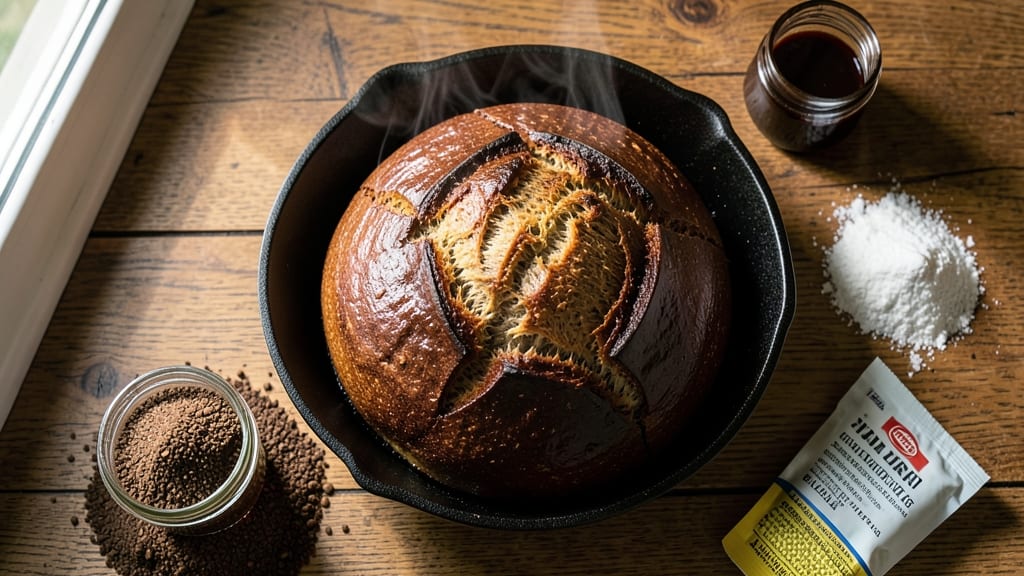
This Amish rye bread recipe delivers the deep molasses flavor and hearty texture that makes it a staple at family tables. The secret lies in a long fermentation process that develops complex, caramelized notes—something store-bought loaves can't replicate.
I've perfected this version through years of baking, ensuring every slice has that signature dense crumb and crispy crust.
The traditional method begins with a sourdough starter, though you can substitute with store-bought yeast if needed. What sets this bread apart is the combination of dark rye flour and molasses, which creates that signature sweet-tangy depth.
The dough requires patience—kneading by hand develops gluten for that perfect chewy texture, while overnight proofing in the fridge intensifies the flavor.
When baked, the loaf emerges with a golden-brown crust that cracks slightly as it cools, revealing the dense, moist interior. The molasses-kissed flavor shines through without being overpowering, making it ideal for sandwiches, toast, or serving alongside hearty soups.
This bread keeps beautifully for days, with flavor actually improving as it stales slightly—just like Amish households have done for generations.
For best results, bake this on a preheated stone or in a Dutch oven to trap steam and create that perfect oven spring. The aroma alone will have your kitchen smelling like a Pennsylvania farmhouse, and every slice will taste like a piece of tradition.
Let's get started on this heirloom-quality loaf.
Ingredients for amish rye bread
Twelve ingredients, one heirloom loaf—this is the bread that brings Pennsylvania farmhouse flavor to your table.
| Ingredient | Amount | Notes |
|---|---|---|
| Active Dry Yeast 🍞 | 2 ¼ tsp | Or 1 packet instant yeast |
| Warm Water 💧 | 1 ¼ cups | 110°F, not hot |
| Dark Rye Flour 🌾 | 5 cups | Pillsbury or King Arthur preferred |
| All-Purpose Flour 🌾 | 1 cup | For structure and lift |
| Unsweetened Molasses 🍯 | ½ cup | Blackstrap for authentic depth |
| Granulated Sugar 🍚 | 1 tbsp | Balances molasses sweetness |
| Salt 🧂 | 1 ½ tsp | Diamond Crystal preferred |
| Active Sourdough Starter 🍞 | 1 cup | Unfed, bubbly starter |
| Honey 🍯 | 1 tbsp | Feeds starter and adds shine |
| Olive Oil 🫒 | 2 tbsp | Extra-virgin for richness |
| Coarse Cornmeal 🌽 | 2 tbsp | For dusting and texture |
| Cornmeal 🌽 | 1 tbsp | For bread pan coating |
| Water 💧 | 1 tbsp | For brushing crust |
The dark rye flour is non-negotiable here—King Arthur or Pillsbury are my go-tos, but any dark rye will do. If you can't find it, swap with whole wheat plus an extra tablespoon of molasses for depth. The sourdough starter is where the magic happens; if you don't have one, store-bought yeast plus an extra 15 minutes of proofing works in a pinch. The molasses? Blackstrap has that signature tang, but regular unsweetened will still deliver. I always double-check my starter is active—it should float in water like a cork. The olive oil might seem odd, but it adds that subtle richness that makes every slice irresistible.
No sourdough starter? Instant yeast plus 1 extra tablespoon of honey gets you close, though the flavor won't be quite as complex. Running low on dark rye? Substitute with whole wheat plus 1 extra tablespoon of molasses—it's what I do when I'm out. The cornmeal isn't just for texture; it creates that signature crunch on the crust. For the crust brushing, water works fine, but a light egg wash (if you're not strict vegan) adds a golden sheen. The dough will be sticky—don't fight it. That's how you know the gluten is developing properly. And if your kitchen starts smelling like a bakery? Good. That's exactly what should happen.
This loaf keeps for 5-7 days at room temperature, with flavor actually improving as it stales slightly—just like the Amish tradition. For longer storage, wrap tightly in foil and freeze for up to 3 months. I always slice mine with a serrated knife and store in an airtight container. The crust gets crunchier with time, so if it's too soft, pop it in a 200°F oven for 5 minutes to revive it. And if you make a double batch? Trust me, you will. The second loaf is always gone before the first one.
Why You'll Love This Recipe
- No-Knead Magic: I swear by this dough—just mix, cover, and forget it. The yeast and warm water do all the work while you sip coffee, and that dark rye flour gives it a deep, earthy richness without a single hand cramp.
- Molasses Kiss: That unsweetened molasses? It’s the secret weapon. A spoonful transforms the bread into something warmly sweet with a subtle tang—like a hug in every bite. (Yes, even my kids fight over the last slice.)
- Weeknight Hero: Slice it for breakfast toast, pack it for lunch, or serve it with dinner. The rye’s sturdy texture holds up to everything from scrambled eggs to chili, and it freezes like a dream—just thaw and toast.
- Pantry Gold: You’re already stocked for this. Dark rye flour and molasses are cheap staples, and the dough makes two loaves—perfect for feeding the family without breaking the bank. My grocery budget thanks me every time.
Step-by-step instructions for Amish rye bread
Here's how to craft a rustic loaf with deep molasses flavor and a satisfyingly dense crumb.
Activate the Yeast and Sourdough Starter
In a large mixing bowl, combine the 2.25 tsp active dry yeast with the 1.25 cups warm water (it should feel like bathwater, around 110°F). Stir gently and let it sit for 5-10 minutes until frothy. This step is crucial—if the yeast doesn't activate, your bread won't rise properly.
In a separate small bowl, mix the 1 cup active sourdough starter with the 1 tbsp honey and let it sit for 10 minutes. You'll see bubbles forming as the starter wakes up. This combination gives your bread that authentic tangy depth while balancing the molasses sweetness. The honey also adds a subtle shine to the final crust.
Mix the Wet and Dry Ingredients
To the yeast mixture, add the 5 cups dark rye flour, 1 cup all-purpose flour, 0.5 cup unsweetened molasses, 1 tbsp granulated sugar, and 1.5 tsp salt. Stir with a wooden spoon or dough whisk until a shaggy dough forms. The molasses will make this dough particularly sticky—don't worry, that's normal.
Next, add the 2 tbsp olive oil and the activated sourdough starter mixture. Mix everything together until fully combined. The dough should be thick but manageable. If it's too sticky to handle, you can wet your hands slightly with water to help shape it later. This is where the rich flavors start coming together—the molasses and honey will create a beautiful caramelized crust.
Knead and Let the Dough Rest
Turn the dough out onto a lightly floured surface and knead for 5-7 minutes until smooth and elastic. The rye flour makes this dough denser than wheat-based breads, so don't be surprised if it resists your efforts. You'll know it's ready when it springs back slightly when poked and leaves a clean surface.
Place the dough back in the bowl, cover it tightly with plastic wrap, and let it rise at room temperature for 1-2 hours or until it has doubled in size. The warm environment helps activate the yeast and sourdough starter, creating that signature Amish rye flavor. You might notice some sticky spots—this is natural with rye bread. If you're concerned about overproofing, check it at the 1-hour mark.
Shape and Second Rise
Lightly grease a 9x5-inch loaf pan with olive oil and sprinkle the bottom with 1 tbsp cornmeal. Turn the dough out onto a floured surface and gently shape it into a loaf, tucking the edges under. The rye dough is denser, so handle it gently to avoid deflating it. Place the shaped loaf in the prepared pan, seam-side up.
Cover the pan with a damp towel and let the dough rise again for 30-45 minutes until it's about 1 inch above the pan's rim. The second rise is shorter because we want to preserve some of that dense texture. Preheat your oven to 375°F while the bread rises—this ensures it goes straight into a hot oven for maximum oven spring.
Bake to Perfect Golden Brown
Brush the top of the loaf with the 1 tbsp water to create a shine and sprinkle the remaining 2 tbsp coarse cornmeal on top. Bake for 45-50 minutes until the top is deep golden brown and the internal temperature reaches 205°F. The molasses will caramelize beautifully, creating that signature Amish rye crust.
Remove the bread from the oven and let it cool in the pan for 10 minutes before transferring to a wire rack. This resting period is crucial—it allows the bread to set properly and prevents a gummy texture. The crust should be firm enough to slice through easily with a serrated knife. For the best flavor, let it cool completely before slicing—this gives the molasses time to fully penetrate the crumb.
Pro Tips For Making Amish Rye Bread
- Test Yeast First: Mix a spoonful of warm water with the yeast and a pinch of sugar in a small cup—if it doesn’t foam within 5 minutes, toss it. Rye flour’s sourness can mask dead yeast, and you’ll end up with dense, flat bread that tastes like regret.
- Bloom the Molasses: Warm the molasses with the water before adding yeast—this dissolves it completely and cuts down on lumps in the dough. I used to eyeball it, but now I heat it just until it’s liquid, then let it cool to yeast-friendly temps. Smooth dough = no surprises later.
- Knead Less, Rest More: Rye dough is stubborn—overwork it, and you’ll end up with a tough, chewy loaf. After mixing, let it rest 10 minutes before shaping, then fold it once or twice instead of punching it like regular bread. Patience here makes the difference between dense and airy.
- Steam the Pan: Place a metal bowl of boiling water in your oven when baking—this adds moisture and helps the crust crisp without drying out the loaf. I learned this after my first batch turned out like a brick. Do it for the first 15 minutes, then remove the bowl. The crust will thank you.
Wine and beer pairings for these flavors
Sweet Molasses Harmony
Amish rye bread's deep molasses flavor pairs beautifully with light, crisp whites that cut through its richness. I love German Riesling—its honeyed notes complement the molasses while the acidity refreshes your palate.
A 2017 Dr. Loosen Blue Slate from the Mosel region is my go-to; it's affordable and widely available. 🍷
Spiced Beer Pairings
For beer lovers, a Belgian-style witbier like Stella Artois Wit works wonders—the coriander and citrus notes mirror the molasses sweetness while the effervescence cleanses your palate. For something bolder, try a German Dunkel with its malty depth and subtle caramel undertones.
The Paulaner Dunkel is a classic choice that enhances the bread's rustic charm.
Coffee and Tea
Amish rye's molasses depth makes it an ideal companion for strong, dark roasts. A Sumatran coffee with its earthy notes and chocolate undertones creates a perfect balance. For tea drinkers, Earl Grey with its bergamot citrus provides a refreshing contrast to the bread's sweet-tangy profile.
I often serve slices with a cup of hot tea during chilly afternoons.
Cheese and Charcuterie
Add aged cheddar or Gouda to your pairing for a savory contrast—the sharpness cuts through the molasses sweetness beautifully. For something lighter, brie with its creamy texture provides a luxurious complement.
The bread's dense crumb also pairs well with prosciutto or salami, adding a salty crunch that enhances every bite.
Breakfast Pairings
This bread shines in morning pairings too. Try it with scrambled eggs and crispy bacon for a hearty breakfast that balances sweet and savory. The molasses depth also complements Greek yogurt with honey and fresh berries for a lighter option.
I often make a double batch just to enjoy this combination throughout the week. 🥞
Nutrition facts
Frequently asked questions
Can I make this Amish rye bread without a sourdough starter?
Yes! Substitute the 1 cup sourdough starter with 1 extra tablespoon of honey plus 1 packet instant yeast. The flavor won't be quite as complex, but you'll still get that signature dense texture. Let the dough proof for 15-20 minutes longer to account for the yeast activation time.
Why does my Amish rye bread turn out too dense?
Over-kneading or underproofing are common culprits. Rye dough should be kneaded just until smooth (5-7 minutes), not until tight. Also, check your proofing time—the dough should double in size before baking. If it's too dense, try increasing the all-purpose flour by 1/4 cup next time for better lift.
How do I store Amish rye bread to keep it fresh?
Wrap the cooled loaf tightly in plastic wrap or foil and store at room temperature for 5-7 days. For longer storage, freeze slices in an airtight container for up to 3 months. To revive stale bread, warm slices in a 300°F oven for 5-10 minutes until crispy again.
What's the best way to slice Amish rye bread?
Use a serrated knife and slice against the grain for cleaner cuts. For even slices, first cut the loaf into thirds lengthwise, then slice each third into 1/2-inch thick pieces. The dense crumb holds up better when sliced this way, and the molasses flavor shines through with each bite.
Can I use whole wheat flour instead of dark rye?
You can substitute, but the flavor will be less authentic. For every 1 cup of dark rye flour you replace, add 1 extra tablespoon of molasses to compensate. The texture will be slightly lighter, but it'll still deliver that hearty, molasses-kissed taste you're looking for.