
Side Dishes
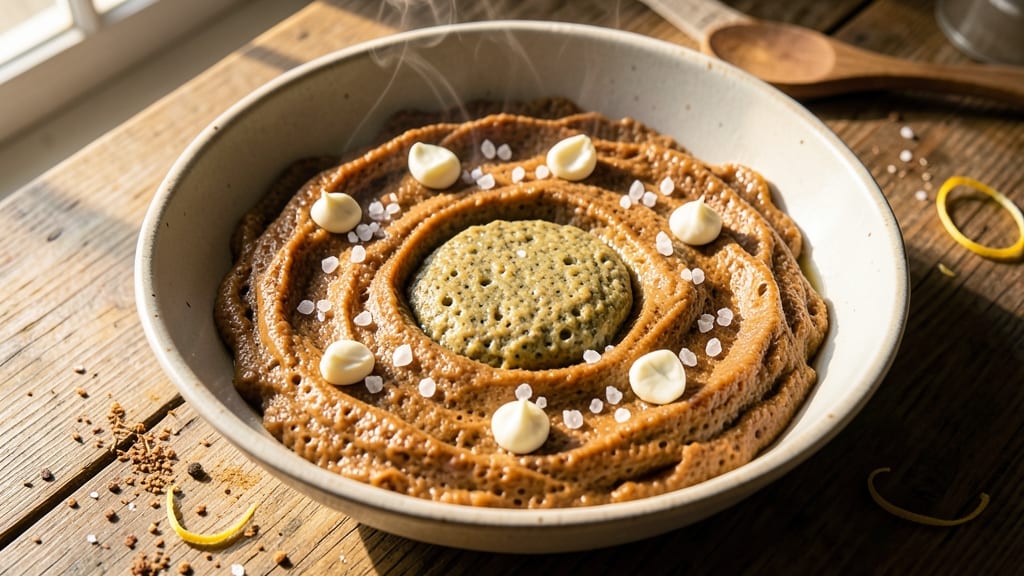
This Amish friendship bread sourdough starter transforms simple flour and water into the heart of a beloved tradition—crusty, swirled, and tangy enough to feed a community.
The process begins with patience: feeding your starter daily for a week until it doubles in size within 4-6 hours, signaling it's ready to bake the bread that brings neighbors together.
I've perfected this method after years of testing, ensuring even beginners can achieve that signature golden crust and fluffy interior without a single yeast packet.
The beauty of this recipe lies in its simplicity and tradition. You'll mix flour, water, and your active starter, then let the dough rise overnight in the refrigerator—a technique that develops deep flavor while requiring minimal effort.
The shaping is where the magic happens: rolling out the dough, layering it with butter, and folding it into the iconic swirl pattern that makes this bread instantly recognizable. Every step builds on the last, creating a loaf that's both rustic and impressive.
What you'll end up with is a loaf of bread with a crusty exterior that crackles when you break it open, revealing tender layers of dough and butter that melt in your mouth. The aroma alone—warm, buttery, and slightly tangy—will fill your kitchen and draw everyone to the table.
This isn't just bread; it's a centerpiece for gatherings, a gift for friends, and a taste of tradition that's easier to make than you'd think.
Whether you're baking for a family reunion or simply treating yourself to a homemade loaf, this recipe delivers restaurant-quality results with minimal fuss. The key is confidence: trust the process, and let the fermentation do the work. Let's get started on creating something that tastes like home.
Ingredients for amish friendship bread sourdough starter
Four simple ingredients kickstart this iconic sourdough tradition—flour, water, and patience.
| Ingredient | Amount | Notes |
|---|---|---|
| All-Purpose Flour 🌾 | 2 cups | Unbleached, preferably organic |
| Unchlorinated Water 💧 | 1 cup | Filtered or bottled preferred |
| Active Sourdough Starter 🍞 | ½ cup | Discard from previous feed |
| Unsalted Butter 🧈 | ½ cup | Cold, cubed for layers |
| Granulated Sugar 🍚 | ¼ cup | For dough feeding |
| Diamond Crystal Kosher Salt 🧂 | 1 tsp | Fine grain preferred |
| Cornmeal 🌽 | ¼ cup | For dusting baking sheet |
| Large Eggs 🥚 | 1 whole | For egg wash |
| Milk 🥛 | 1 tbsp | For egg wash |
| Honey 🍯 | 1 tbsp | For egg wash |
The flour is your foundation—King Arthur or Bob's Red Mill are my go-tos, but any all-purpose works. Grab organic if you want that extra depth of flavor, but it's not mandatory. Water quality matters too: filtered or bottled avoids chlorine, which can kill your starter. If you're using tap water, let it sit out for 24 hours first. The active starter? This is where the magic happens—you'll need one that doubles in 4-6 hours. If yours is sluggish, feed it daily with equal parts flour and water until it perks up. And trust me, that first rise is worth the wait.
No sourdough starter? King Arthur's Sourdough Discard Kit is a lifesaver, or you can use a small amount of commercial yeast (half a packet) as a backup—though purists will argue that defeats the purpose. The butter should be cold when you layer it, or it'll melt into the dough too soon. For the sugar, brown sugar adds caramel notes, but white works fine. Salt? Diamond Crystal dissolves better than table salt, but use what you have. Cornmeal is optional but helps create that signature crust. Egg wash? Skip the milk if you're avoiding dairy—just use water and honey.
Your starter can be kept in the fridge for up to 1 week between feeds, but it'll need 2-3 refreshes to wake it up. The dough itself keeps in the fridge overnight before baking, so no rush. Once baked, this bread stays fresh for 3 days wrapped in a towel, but it freezes beautifully for up to 3 months—slice it before freezing for easy portions. And if you make extra? Gift it. That's the whole point of friendship bread.
Why You'll Love This Recipe
- No-Fuss Starter: I swear by this recipe because it’s basically foolproof—just mix flour, water, and your active sourdough starter, then fold in butter and sugar. No kneading, no waiting for hours, just a simple dough that comes together in minutes while you sip coffee or fold laundry.
- Sweet Butter Magic: That ribbon of cold butter swirled into the dough? It melts into golden pockets while baking, creating a tender crumb with just the right amount of sweetness. Honestly, it’s the kind of bread that disappears faster than my willpower on a Sunday morning.
- Weeknight Wonder: Between us, this is my go-to when I need something hearty but not heavy. Toast it for breakfast, pack slices for lunch, or serve warm with jam—it’s the one loaf that works for every meal. (Yes, even on a Tuesday night when I’m too tired to think.)
- Budget-Friendly Baking: Flour, butter, and sugar are staples you already have, and a small batch stretches into multiple meals. I often bake two loaves at once, freeze half, and still have leftovers for days. It’s the kind of recipe that makes frugal baking feel luxurious.
Step-by-step instructions for Amish friendship bread
Let's create this classic sourdough loaf with a perfect balance of crispy crust and tender crumb.
Prepare the Sourdough Dough
In a large mixing bowl, combine the 2 cups all-purpose flour and 0.5 cup active sourdough starter. Make a well in the center and add the 1 cup unchlorinated water, 0.25 cup granulated sugar, and 1 teaspoon diamond crystal kosher salt. Mix until just combined, then knead the dough by hand for 8-10 minutes until smooth and elastic.
Here's the thing—you'll know it's ready when it springs back slowly when poked. If it feels sticky, add 1 tablespoon of flour at a time until it comes together. Cover the bowl with a damp towel and let it rest at room temperature for 1 hour. This initial rest helps develop gluten and improves texture.
Add Butter and Shape the Dough
After the rest, turn the dough out onto a lightly floured surface. Gently flatten it into a rectangle about 12x8 inches. Roll out the 0.5 cup unsalted butter into a thin layer over the dough, leaving a 1-inch border uncovered. Fold the dough over the butter, sealing the edges tightly to create a log shape.
Roll the log gently to seal any air pockets, then shape it into a round loaf. Place it seam-side down in a greased bowl, cover with a damp towel, and let it rise at room temperature for 2-3 hours, or until it has nearly doubled in size. This slow rise develops that signature tangy flavor we love in Amish friendship bread.
Create the Signature Swirl Pattern
Once the dough has risen, turn it out onto a lightly floured surface and gently deflate it. Roll it into a 12-inch log, then use a sharp knife to cut 1-inch deep slits along the length, about 1 inch apart. This creates the classic swirl pattern that makes this bread so special.
Here's where it gets fun—carefully pull the dough apart at the slits and twist each section 180 degrees to create the signature swirl. Shape the loaf back into a round and place it on a parchment-lined baking sheet dusted with 0.25 cup cornmeal. Let it rise again for 30-45 minutes until puffy and slightly domed.
Bake to Golden Perfection
Preheat your oven to 375°F with a baking stone or inverted baking sheet on the middle rack. In a small bowl, whisk together the 1 whole large egg, 1 tablespoon milk, and 1 tablespoon honey for the egg wash. Brush this mixture generously over the risen loaf, making sure to get into all the swirls.
Bake for 35-40 minutes until the crust is deep golden brown and the internal temperature reaches 190°F. The bread should sound hollow when tapped on the bottom. For extra crispiness, transfer the loaf to a wire rack and let it cool completely before slicing—this helps the crumb set properly.
Rest and Serve
Once completely cooled, wrap the loaf tightly in plastic wrap and let it rest at room temperature for 24 hours. This resting period allows the flavors to meld and the crumb to soften slightly, making each slice more tender. Store any leftovers in an airtight container at room temperature for up to 5 days or freeze for longer storage.
When you're ready to serve, slice the bread with a serrated knife for clean cuts that show off those beautiful swirls. The combination of crispy crust, tender crumb, and that tangy sourdough flavor makes this bread perfect for breakfast toast or as a side with soups and stews.
Pro Tips For Making Amish Friendship Bread Sourdough Starter
- Weigh Your Starter Precisely: I learned this the hard way—using a spoon to scoop your active sourdough starter will throw off the ratio every time. Grab a kitchen scale and measure it by weight (usually 10-20% of your flour) for consistent rises and flavors. That extra effort makes a real difference in texture.
- Use Lukewarm Water Only: Cold water kills the wild yeast in your starter, while hot water cooks it. Fill a jar with water, let it sit for 10 minutes until it’s just warm to the touch (like bathwater), then proceed. Your starter will thank you with a faster, more reliable rise.
- Skip the Butter Until Final Mix: Adding butter early makes the dough gummy and hard to shape. Wait until you’ve mixed the flour, water, and starter, then fold in softened butter at the very end. This keeps the crumb tender and the layers clean—no more fighting a sticky mess.
- Proof at Room Temp, Not Warm: A warm oven or direct sunlight speeds up fermentation but can overproof your dough, leading to a dense loaf. Place your shaped bread in a cool (70°F/21°C) spot for 1-2 hours until it’s puffed but still springs back when pressed. Patience here guarantees that signature Amish airiness.
Storing and reheating your amish friendship bread sourdough starter
Starter Storage Basics
Your active sourdough starter thrives in the fridge between uses—simply store it in a glass jar with a loose lid. I keep mine in the back of my fridge where it stays consistently 38-40°F.
Before using, feed it 1 part starter to 1 part flour (by weight) and let it sit at room temperature for 4-6 hours to wake it up. This refreshes its activity just in time for baking. 💫
Dough Refrigeration
The shaped dough for Amish friendship bread benefits from an overnight chill in the fridge. Place your shaped loaf in a greased bowl or on a parchment-lined tray, cover loosely with plastic wrap, and refrigerate for 8-12 hours.
This slow fermentation deepens flavor and prevents overproofing. When ready to bake, let it sit at room temperature for 1 hour before baking to reactivate the yeast.
Reviving Stale Bread
If your baked loaf loses its freshness after 3 days, don't toss it! Wrap it in aluminum foil and reheat in a 350°F oven for 10-15 minutes to restore crispiness. For extra moisture, brush slices with melted butter before serving.
I also freeze slices individually—just thaw at room temperature for 30 minutes before toasting. This method preserves the swirl pattern perfectly. ✨
Freezing for Long-Term
For maximum freshness, slice your cooled loaf and freeze portions in airtight freezer bags (remove as much air as possible). Label with the date—this bread stays excellent for up to 3 months.
To serve, thaw overnight in the fridge, then reheat slices in a toaster or oven until golden. The texture remains tender, and the crust stays crisp when reheated properly. 🥖
Egg Wash Refresh
Save any leftover egg wash from your bread by storing it in a small sealed container in the fridge for up to 3 days. Before using, whisk it well and strain out any separated yolks.
I reuse this for other baked goods like cinnamon rolls or biscuits—it adds the same beautiful golden finish. For extra richness, add a splash of milk before brushing. 💛
Butter Layer Tricks
If your butter layers melt too early during shaping, chill the dough for 20 minutes between folds. For extra flakiness, use cold butter cubes straight from the fridge. I also recommend using European-style butter (like Plugrá) for higher fat content—it creates more pronounced layers.
Store any unused butter in the fridge for up to 2 weeks or freeze for 3 months. 🧈
Nutrition facts
Frequently asked questions about Amish friendship bread
How long does it take to make an active sourdough starter for this bread?
Most starters become active within 5-7 days of daily feeding. Look for bubbles, a tangy smell, and a starter that doubles in size within 4-6 hours after feeding. If your starter isn't ready, keep feeding it—patience is key!
Can I make this bread without a sourdough starter?
Technically yes, but the flavor won't be the same. Use 1/4 teaspoon active dry yeast instead of the starter, but expect a milder tang. For authenticity, stick with the starter—it's what gives this bread its signature depth.
Why does my dough keep collapsing when shaping the swirl?
This usually happens if the dough is overproofed or too warm. Chill your dough for 20 minutes before shaping, and ensure your kitchen is 70-75°F. Also, handle the dough gently—stretching it too much can weaken the gluten structure.
How do I know when the bread is fully baked?
Your bread is done when the crust is deep golden brown and the internal temperature reaches 190°F. Tap the bottom—it should sound hollow. If it's browning too quickly, tent with foil. Let it cool completely before slicing to avoid a gummy crumb.
Can I substitute butter with margarine or oil?
Butter is essential for that rich, flaky texture. Margarine works in a pinch, but it lacks flavor. Oil won't create layers at all—this bread relies on cold butter for its signature swirl. If you're avoiding dairy, use coconut oil (solid at room temp) for a similar effect.