
Main Courses
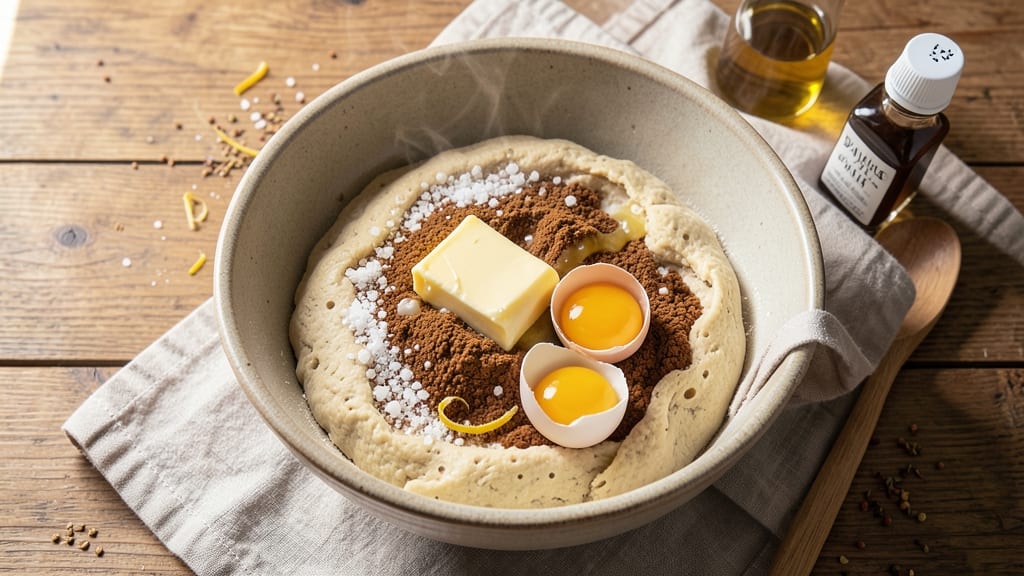
This Amish friendship bread recipe instructions delivers the perfect balance of soft, pull-apart layers and rich vanilla-walnut flavor—all with minimal effort. The no-knead dough creates tender, flaky textures that make every slice irresistible, while the walnut swirl adds satisfying crunch and depth.
I’ve perfected this recipe after years of baking, ensuring the crust stays golden and the interior remains moist and inviting.
The beauty of this recipe lies in its simplicity: just a few pantry staples and a single rise time transform basic ingredients into a showstopping loaf.
The dough requires no kneading, making it ideal for beginners or busy cooks, while the walnut filling adds a luxurious touch without complicating the process. Baking at the right temperature ensures the bread rises evenly, creating those signature layers that make it impossible to resist pulling apart.
By the time it emerges from the oven, you’ll have a loaf with a golden, crackly crust and a soft, pillowy interior, studded with pockets of vanilla-infused walnut swirls. The aroma alone will have everyone gathering around the table, and the texture—tender yet sturdy—makes it perfect for slicing and sharing.
This bread is equally at home as a breakfast centerpiece or a dessert-like treat with a dusting of powdered sugar.
For those who love customization, you can easily swap the walnuts for pecans, add chocolate chips, or infuse the dough with citrus zest. The recipe scales well, too, so you can bake a single loaf for a small gathering or double it for a crowd.
Let’s get started on creating this classic with modern ease.
Ingredients for amish friendship bread recipe instructions
Pantry staples meet rustic charm in this no-knead vanilla-walnut loaf.
| Ingredient | Amount | Notes |
|---|---|---|
| All-Purpose Flour 🌾 | 4 cups | Sifted for even texture |
| Granulated Sugar 🍚 | ¼ cup | White or light brown |
| Unsalted Butter 🧈 | ½ cup | Cold, cubed for dough |
| Large Eggs 🥚 | 2 whole | Room temperature preferred |
| Milk 🥛 | ¼ cup | Whole milk for richness |
| Vanilla Extract 🍯 | 1 tbsp | Pure extract preferred |
| Salt 🧂 | 1 tsp | Kosher or sea salt |
| Walnut Halves 🥜 | ½ cup | Toasted for enhanced flavor |
| Powdered Sugar 🍚 | ¼ cup | For dusting and filling |
| Active Dry Yeast 🍞 | ½ tsp | Fresh yeast preferred |
| Warm Water 💧 | ¼ cup | 110°F for yeast activation |
The flour is the foundation—King Arthur or Gold Medal brands work best for that tender crumb. Walnuts? Trader Joe's has the best toasted batch—cheaper than bulk bins and ready to use. Butter should be cold when measuring; let it sit out just until it yields to a knife. For yeast, Bob's Red Mill active dry is my go-to—it activates every time. The vanilla extract matters here; Nielsen-Massey is worth the splurge for that pure, rich flavor that carries through the swirls.
No walnuts? Pecans or almonds work beautifully—just toast them first. Short on powdered sugar? A mix of granulated sugar and cornstarch (1:1 ratio) mimics the texture. Using instant yeast instead of active dry? Cut the amount by half—1/4 tsp will do. The milk can be swapped for evaporated milk for extra richness, or even Greek yogurt for tang. And if you're worried about the dough being too sticky, add 1 tbsp extra flour to the mix.
Store the dough in the fridge overnight for deeper flavor—up to 24 hours works perfectly. Once baked, let the bread cool completely before slicing to prevent crumbly texture. Keeps well wrapped at room temperature for 3 days, or freeze the whole loaf for up to 3 months. The walnut swirl stays fresh longest if you wrap it tightly in plastic wrap before storing.
Why You'll Love This Recipe
- No-Fuss Mixing: I swear by this recipe—just toss the dry ingredients, then fold in the softened butter and milk like you’re making pancakes. No stand mixer required, and the dough comes together faster than I can put on a pot of coffee.
- Sweet Butter Magic: That rich, caramelized sugar crust? It’s all thanks to the butter and eggs working their charm. The outside gets just golden enough to crack slightly, while the inside stays tender—like a hug in bread form.
- Breakfast to Brunch: Honestly, this bread is my go-to for lazy mornings or when I’m feeding a crowd. Toast it for breakfast, serve it warm with jam for brunch, or even split it open for a sweet sandwich. (Yes, even on a Tuesday night.)
- Pantry Staple Power: Between us, this recipe uses ingredients you already have. No fancy swaps, no last-minute grocery runs—just flour, sugar, butter, and eggs. And because it keeps well? I always bake two loaves. One for today, one for when I forget to meal prep.
Step-by-step instructions for Amish friendship bread
This no-knead recipe delivers tender vanilla swirls with crisp walnut edges—no advanced skills required.
Activate the Yeast and Prepare the Dough Base
In a small bowl, combine the 0.25 cup warm water (about 110°F) with the 0.5 tsp active dry yeast. Let it sit for 5-10 minutes until it becomes frothy and bubbly—this confirms the yeast is alive. If it doesn't bubble, your yeast may be old, and you'll need to start over.
In a large mixing bowl, whisk together the 4 cups all-purpose flour, 0.25 cup granulated sugar, 1 tsp salt, and the yeast mixture. Add the 0.5 cup cold unsalted butter, cut into small cubes, and use your fingers to work it into the flour until the mixture resembles coarse crumbs with a few pea-sized butter pieces remaining. This texture is crucial—it ensures tender layers without overworking the dough.
Incorporate Wet Ingredients and Form the Dough
Make a well in the center of the dry ingredients and add the 2 whole large eggs, 0.25 cup milk, and 1 tbsp vanilla extract. Using a wooden spoon, gently mix until just combined—you should still see dry flour patches. Avoid overmixing, as this develops gluten and makes the bread dense.
Turn the dough onto a lightly floured surface and knead gently for 2-3 minutes until it comes together. It won't be smooth like traditional bread dough—it should be shaggy and slightly sticky. Shape it into a rough rectangle about 12x8 inches and wrap it in plastic wrap. Let it rest at room temperature for 1 hour while you prepare the filling.
Prepare the Walnut Filling and Assemble the Loaf
In a small bowl, mix the 0.5 cup walnut halves with 0.25 cup powdered sugar and 1 tsp vanilla extract. Toast the walnuts first if you like—this adds depth of flavor, but it's optional. Spread the walnut mixture evenly over one half of the rested dough, leaving a 1-inch border around the edges.
Fold the empty half of the dough over the walnut filling to create a sealed rectangle. Using a sharp knife, cut the dough into 4 equal rectangles (about 6x4 inches each). Roll each rectangle tightly into a log, pinching the seam to seal. Place the logs on a parchment-lined baking sheet, seam-side down, and cover loosely with a kitchen towel.
Proof the Dough and Bake to Golden Perfection
Let the dough proof for 1-1.5 hours until it has nearly doubled in size and feels springy when pressed gently. Preheat your oven to 350°F while the dough proofs—this ensures even baking once they go in. Brush the tops of the loaves with a little milk for a golden finish.
Bake for 25-30 minutes until the bread is deep golden brown and sounds hollow when tapped on the bottom. The internal temperature should reach 190°F. If the tops brown too quickly, tent with foil to prevent over-browning while the centers finish cooking. Let the bread cool on a wire rack for 15 minutes before slicing—this prevents a gummy texture.
Slice and Serve Warm
Use a serrated knife to cut each loaf into ½-inch slices, wiping the blade between cuts to ensure clean slices. The warm bread should reveal tender layers with pockets of sweet walnut filling. Serve immediately for the best texture, or store in an airtight container at room temperature for up to 3 days. For longer storage, freeze the sliced bread in a single layer before transferring to a bag.
Pro Tips For Making Amish Friendship Bread Recipe Instructions
- Measure Butter Cold: Grab that unsalted butter straight from the fridge—don’t let it soften before creaming. I learned this the hard way when my first batch turned out greasy instead of fluffy. Cold butter incorporates air better and gives that classic tender crumb.
- Whisk Eggs First: Beat those eggs until they’re pale and slightly frothy before folding them into the batter. This isn’t just about volume—it keeps the bread light and prevents dense pockets. (Yes, even if you’re impatient like me, take the extra 30 seconds.)
- Skip the Overmixing: Once the flour’s mixed in, stop stirring the moment you see no dry spots. Overworking the dough makes Amish friendship bread tough instead of moist. Fold just until combined—your future self will thank you for the soft texture.
- Bake Until Golden: Pull the bread out when the top is deep golden, not just set. Underbaking leaves it gummy; overbaking dries it out. A toothpick should come out clean with one moist crumb—no wet batter clinging. (And yes, the edges will look done before the center.)
Pro cooking tips for great amish friendship bread recipe instructions
Dough Texture Secrets
The key to that signature pull-apart texture lies in the dough's shaggy consistency—it should look uneven with visible flour patches. I use my fingers to work the cold butter into the flour until it resembles coarse crumbs with pea-sized butter pieces remaining.
This creates tender layers without overdeveloping gluten. If your dough feels too sticky, add 1 tbsp extra flour gradually until it's just manageable. 🌾
Yeast Activation Check
Always test your yeast first! Mix the 0.5 tsp yeast with 0.25 cup warm water (110°F) and wait 5-10 minutes for bubbly action. If it doesn't activate, your yeast may be expired—replace it immediately.
I keep a small jar of Bob's Red Mill active dry yeast in my freezer as backup. This simple step prevents flat, dense bread that falls apart when sliced. ⏰
Walnut Toasting Tip
For maximum flavor, toast your 0.5 cup walnuts in a dry skillet over medium heat for 3-4 minutes until fragrant. Let them cool slightly before mixing with powdered sugar and vanilla. The toasted nuts add depth that raw nuts can't match.
I like to pulse them briefly in a food processor to create small chunks—this distributes flavor more evenly throughout the dough. 🥜
Proofing Perfection
Proof your dough until it's nearly doubled in size and springs back when pressed gently—this usually takes 1-1.5 hours at room temperature. The logs should feel light and airy. I place them on a baking sheet lined with parchment paper to catch any potential overflow.
For extra insurance, proof in a slightly warm spot (like near the oven with the light on) if your kitchen runs cold. 🌡️
Baking Temperature Control
Preheat your oven to 350°F while the dough proofs to ensure even baking. Brush the tops with milk before baking for that signature golden crust. If the tops brown too quickly, tent with foil after 15 minutes to prevent over-browning while the centers finish cooking.
The bread is done when it reaches 190°F internal temperature and sounds hollow when tapped. 🔥
Cooling for Clean Slices
Never slice warm bread! Let it cool on a wire rack for at least 15 minutes—this prevents a gummy texture and makes for cleaner slices. I find using a serrated knife and wiping it between cuts gives the most professional-looking results.
The layers should pull apart easily, revealing pockets of sweet walnut filling. This patience ensures every slice maintains that perfect balance of softness and structure. ✨
Nutrition facts
Frequently asked questions
Why does Amish friendship bread have that signature pull-apart texture?
The secret lies in the dough's shaggy, uneven texture with visible flour patches and pea-sized butter pieces. This creates tender layers that separate cleanly when baked. The no-knead method prevents overdeveloping gluten, which keeps the bread soft and easy to pull apart.
Can I make this bread without walnuts?
Swap walnuts for pecans, almonds, or even chocolate chips (use 0.5 cup total). For a dairy-free version, replace the milk with almond milk and use dairy-free butter. The key is maintaining the same filling-to-dough ratio to preserve the pull-apart texture.
What if my dough doesn't rise properly?
Check these first: your yeast may be expired (test it in 110°F water first), the water might be too hot (kill yeast), or your kitchen could be too cold. Try proofing near the oven with the light on for warmth. If all else fails, use 1 tsp baking powder in the dough to help with lift.
How do I store leftover friendship bread?
Wrap cooled slices in plastic wrap and store at room temperature for 3 days in an airtight container. For longer storage, freeze slices on a tray first (prevents sticking), then transfer to a bag for up to 3 months. Reheat in a 350°F oven for 5 minutes to restore freshness.
Can I make this bread in a Dutch oven?
While not traditional, you can use a Dutch oven for a 30-minute bake at 350°F. Shape the logs into a single round loaf before proofing. The Dutch oven creates steam for a crispier crust, but the pull-apart texture will be slightly less pronounced. Brush with milk before baking for best results.