
Desserts
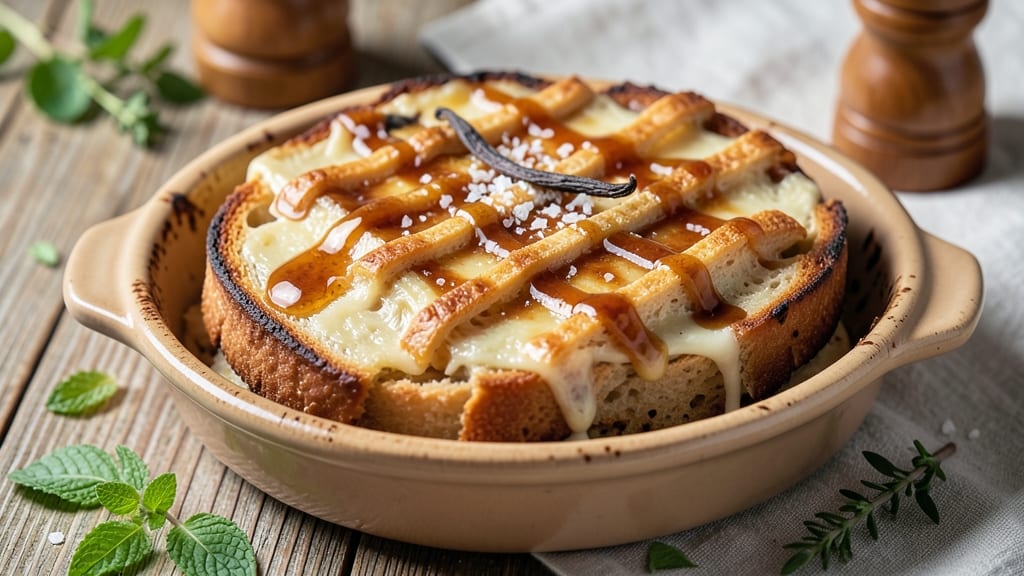
America's Test Kitchen bread pudding recipe delivers the perfect balance of caramelized vanilla custard and a crispy, golden top that's impossible to resist. 💛 The secret lies in precise custard consistency and slow baking—no more soggy centers or overly custardy results.
This method transforms day-old bread into a rich, velvety dessert with a texture that's both comforting and impressive.
What sets this recipe apart is the two-stage baking process: first, a gentle bake to develop deep custard flavors, then a broil for that coveted crispy top.
We use a combination of vanilla bean paste and brown sugar for caramelized depth, while a touch of cornstarch ensures the custard sets perfectly without curdling. The result? A dessert that's restaurant-quality but achievable at home.
By the time it emerges from the oven, you'll have a bread pudding with a silky custard core, a crunchy exterior, and an aroma that fills your kitchen with warmth.
The vanilla flavor shines through, balanced by the buttery richness of the bread and custard. This is the kind of dessert that feels like a hug in every bite.
Serve it warm with a scoop of vanilla ice cream or a drizzle of caramel sauce for the full experience. The crispy top holds up beautifully, making it perfect for sharing—or not. Let's get baking!
Ingredients for america's test kitchen bread pudding
Twelve ingredients transform day-old bread into a velvety custard with a crispy, golden crown—restaurant-quality at home.
| Ingredient | Amount | Notes |
|---|---|---|
| Day-Old Bread 🍞 | 8 cups | French or brioche preferred, cubed |
| Large Eggs 🥚 | 6 whole | Room temperature for even mixing |
| Heavy Cream 🥛 | 2 cups | Full-fat for richness |
| Whole Milk 🥛 | 1 cup | Warmed slightly for smooth custard |
| Vanilla Bean Paste 🌿 | 2 tbsp | High-quality for authentic flavor |
| Light Brown Sugar 🍯 | ¾ cup | Packed for caramel depth |
| Cornstarch 🌾 | 2 tbsp | Ensures silky texture |
| Unsalted Butter 🧈 | ½ cup | Cold, cubed for even distribution |
| Diamond Crystal Kosher Salt 🧂 | ½ tsp | Fine grain preferred |
| Ground Cinnamon 🌶️ | 1 tsp | Freshly ground for warmth |
| Granulated Sugar 🍚 | ¼ cup | For balancing sweetness |
| Pure Vanilla Extract 🍯 | 1 tsp | Bottled for consistency |
The bread selection is non-negotiable. French or brioche loaves yield the best texture—stale bread absorbs custard perfectly while maintaining structure. For the vanilla bean paste, look for brands like Madagascar Bourbon at specialty stores or online; the paste delivers authentic depth that extract can't match. Trader Joe's often carries a solid version if you're short on time. Brown sugar should be packed—this ensures proper caramelization during the slow bake. Pre-cubing the bread (about 1.5-inch pieces) is crucial for even cooking, so take the time to do this step thoroughly.
No vanilla bean paste? Double the vanilla extract—though you'll miss the specks of vanilla bean. Substituting heavy cream with half-and-half lightens the texture but sacrifices richness. For a dairy-free adaptation, coconut cream works but alters the flavor profile significantly. The cornstarch is essential—it prevents curdling while ensuring the custard sets properly. If you're concerned about gluten, gluten-free bread can be used, though texture will differ slightly. For the butter, European-style unsalted (like Plugrá) adds extra flavor, but any good-quality brand works. The cinnamon should be freshly ground—pre-ground often loses potency quickly.
This dessert peaks when served immediately, but the crispy top holds for 2-3 hours at room temperature. Store leftovers in an airtight container for up to 4 days in the fridge—reheat in a 350°F oven for 10-15 minutes until warmed through. For make-ahead convenience, assemble the pudding the night before and refrigerate uncovered; the crust will form naturally overnight. Freeze for up to 3 months in a single layer before transferring to a sealed container. The custard reheats beautifully from frozen, though the top may need a quick broil to restore crispiness.
Why You'll Love This Recipe
- Uses Stale Bread: I swear by this trick—tossing in day-old bread means no waste, just better texture. That crispy crust soaks up the custard perfectly, and honestly? My kids don’t even notice the bread’s been sitting out.
- Creamy Vanilla Magic: The vanilla bean paste isn’t just an add-on; it’s the star. That deep, aromatic swirl cuts through the richness of the heavy cream and milk, making every bite taste like a bakery’s secret. (Yes, even on a Tuesday night.)
- One-Pan Wonder: No fancy layers, no stress—just cube the bread, mix the custard, and bake. The eggs bind everything together while the cream makes it silky, and between us? I’ve never had a bread pudding that’s not perfect the first time.
- Budget Breakfast Win: This recipe turns cheap ingredients into a dessert that feels luxurious. A few eggs, some milk, and a vanilla bean make it taste like a splurge, but the grocery bill stays low. My college-fund stash thanks me every time.
Step-by-step instructions for caramelized vanilla bread pudding
Master this technique and you'll achieve a perfectly balanced dessert with a custardy center and caramelized crust every time.
👨🍳 Step 1: Prepare the Bread and Mix the Custard Base
Tear the 8 cups day-old bread into 1-inch cubes, discarding any hard crusts. Spread them evenly on a rimmed baking sheet and toast in a 350°F oven for 8-10 minutes until lightly golden and completely dry. This step prevents a gummy texture by removing excess moisture from the bread.
While the bread toasts, whisk together the 6 whole large eggs, 2 cups heavy cream, 1 cup whole milk, 2 tbsp vanilla bean paste, 0.75 cup packed light brown sugar, 2 tbsp cornstarch, 0.5 tsp kosher salt, 1 tsp ground cinnamon, and 0.25 cup granulated sugar in a large bowl until smooth and fully combined. The mixture should be thick but pourable—this ensures a rich, velvety custard. I like to use a whisk for even distribution of the cornstarch, which prevents lumps that can make the pudding grainy.
🥘 Step 2: Assemble and Bake for Initial Setting
Transfer the toasted bread cubes to a 9x13-inch baking dish, arranging them in an even layer. Pour the custard mixture evenly over the bread, pressing down gently to ensure the cubes absorb the liquid. The bread should be completely saturated but not swimming in custard—this creates the perfect balance of texture.
Bake uncovered at 350°F for 40-45 minutes until the edges are golden brown and the center still jiggles slightly when shaken. Here's the thing—underbaking slightly at this stage prevents the custard from becoming rubbery. You'll finish the cooking process later, so don't overbake here.
🔥 Step 3: Add Butter and Caramelize the Top
Remove the baking dish from the oven and immediately sprinkle the 0.5 cup cold cubed unsalted butter evenly over the surface. Return to the oven and bake for an additional 10-12 minutes at 350°F until the butter melts and the top becomes golden brown and caramelized. This step creates the signature crispy crust while keeping the interior custardy.
Watch carefully during these final minutes—the butter should bubble and turn a deep golden color. If it browns too quickly, tent loosely with foil to prevent burning. The key is even distribution of the butter cubes so every bite gets that perfect crunch.
⏰ Step 4: Rest and Finish with Vanilla Extract
Let the bread pudding cool in the oven for 10 minutes with the door slightly ajar. This gradual cooling helps set the custard properly. Remove from the oven and stir in the 1 tsp pure vanilla extract, pressing down gently on the top to redistribute any settled custard. The extract enhances the vanilla flavor without overpowering the caramelized notes.
Allow the pudding to cool completely at room temperature for at least 1 hour before serving. This resting period lets the flavors meld and the texture firm up just enough to hold its shape when sliced. I know it's tempting to dig in immediately, but patience here makes all the difference in the final texture.
Pro Tips For Making America'S Test Kitchen Bread Pudding
- TOAST THE BREAD FIRST: I learned this the hard way—skipping the oven toast step means soggy bottoms and a pudding that falls apart. Toss your day-old bread cubes on a baking sheet at 350°F for 8–10 minutes until they’re dry and slightly crisp. This isn’t just about texture; it’s the only way to guarantee that rich custard soaks in evenly without turning to mush.
- WHISK EGGS COLD: The recipe calls for room-temperature eggs, but I’ve found whisking them straight from the fridge works better—just let them sit in their shells for 10 minutes first. Cold eggs whip up fluffier, and that extra airiness makes the pudding lighter. (Yes, even if you’re impatient like me.)
- DON’T OVERMIX THE CUSTARD: After burning three batches, I finally figured out the custard needs gentle treatment. Once you fold in the bread, stir just until combined—lumps are fine. Overmixing develops gluten, and suddenly your silky pudding turns dense. Think "rustic," not "perfect."
- BAKE UNTIL SET, NOT GOLDEN: The recipe’s 35-minute bake time is a guideline, not a rule. The pudding is done when the center jiggles barely and a knife inserted comes out clean—no need for a caramelized crust. Overbaking dries it out, and trust me, you’ll regret it when you’re left scraping the bottom.
Essential equipment for perfect results
Baking Dish Essentials
Use a 9x13-inch baking dish—this size ensures even baking and proper browning. I recommend a dark metal or glass dish (like CorningWare) for better heat distribution and caramelization. Avoid non-stick dishes—they can prevent proper browning.
If you don’t have a 9x13-inch dish, a 9-inch square dish works, but reduce the baking time by 5-7 minutes to prevent over-browning. 🔥
Mixing Tools
A whisk is non-negotiable for the custard base—it ensures the cornstarch dissolves completely and prevents lumps. I use a stainless steel whisk (like OXO Good Grips) for durability. For measuring, a liquid measuring cup (for milk and cream) and a dry measuring cups (for sugar and cornstarch) are essential.
A fine-mesh strainer helps sift the ground cinnamon for even distribution.
Butter Distribution
The cold cubed butter step requires a sharp knife and a spatula for even distribution. Cut the butter into ½-inch cubes for consistent melting. A small offset spatula (like West Bend) helps spread the butter evenly without tearing the bread pudding’s surface.
This step is critical for that crispy, caramelized top—don’t skip it! 🧈
Oven Thermometer
Invest in an oven thermometer (like Thermoworks Oven Thermometer)—your oven’s temperature can vary by 25°F or more from the set temperature. This ensures your 350°F bake stays accurate, preventing under- or over-baking.
Place it near the baking dish during the initial 40-45 minutes to monitor consistency. Precision here makes all the difference in texture.
Cooling Rack
A wire cooling rack is a game-changer for resting the bread pudding. After baking, place the dish on the rack (with the door slightly ajar) to cool gradually. This prevents condensation from forming on the bottom, which can make the crust soggy.
I use a foldable rack (like Amazon Basics) for easy storage when not in use. ✨
Optional Extras
For serving, a serrated knife (like Mercer Culinary) ensures clean slices without tearing. A small offset spatula helps transfer slices to plates. If you’re adding toppings like caramel sauce or whipped cream, use a piping bag for elegant drizzles.
A pastry brush comes in handy for brushing the top with vanilla extract before serving—it adds a professional touch.
Nutrition facts
Frequently asked questions
Why does America's Test Kitchen use day-old bread for this recipe?
Day-old bread is ideal because it's drier and sturdier than fresh bread, which prevents a soggy texture. The reduced moisture allows the custard to soak in evenly while maintaining structure. Fresh bread absorbs too much liquid and can create a gummy center, while stale bread absorbs just the right amount for that perfect balance of custard and bread.
Can I substitute vanilla bean paste with regular vanilla extract?
Yes, but you'll miss the authentic depth of flavor. Use double the amount (4 teaspoons) of pure vanilla extract instead of the 2 tablespoons of vanilla bean paste. The paste contains actual vanilla bean specks that add complexity, but extract will still give you a good vanilla flavor. For best results, use high-quality bottled extract rather than imitation.
What's the secret to getting a crispy top without burning the pudding?
The two-stage baking method is key: first bake at 350°F for 40-45 minutes, then add cold butter cubes and bake another 10-12 minutes. The butter melts gradually, creating caramelization without overheating. Watch closely in the final minutes—if it browns too quickly, tent loosely with foil. The butter should bubble and turn golden, not black.
How do I fix a bread pudding that came out too custardy?
If your pudding lacks bread texture, it likely absorbed too much custard. For future attempts, use slightly less milk (try ¾ cup instead of 1 cup) and press down on the bread cubes to help them absorb evenly. If you already baked it too custardy, serve it warm with extra toppings like whipped cream or caramel sauce to balance the texture. The good news? It's still delicious—just different!
Can I make this bread pudding ahead of time?
Assemble the pudding the night before and refrigerate it uncovered. The crust will form naturally overnight, and you can bake it straight from the fridge (add 5-7 extra minutes to the baking time). For longer storage, freeze it for up to 3 months. Thaw in the fridge overnight, then reheat in a 350°F oven for 15 minutes to restore crispiness.