
Side Dishes
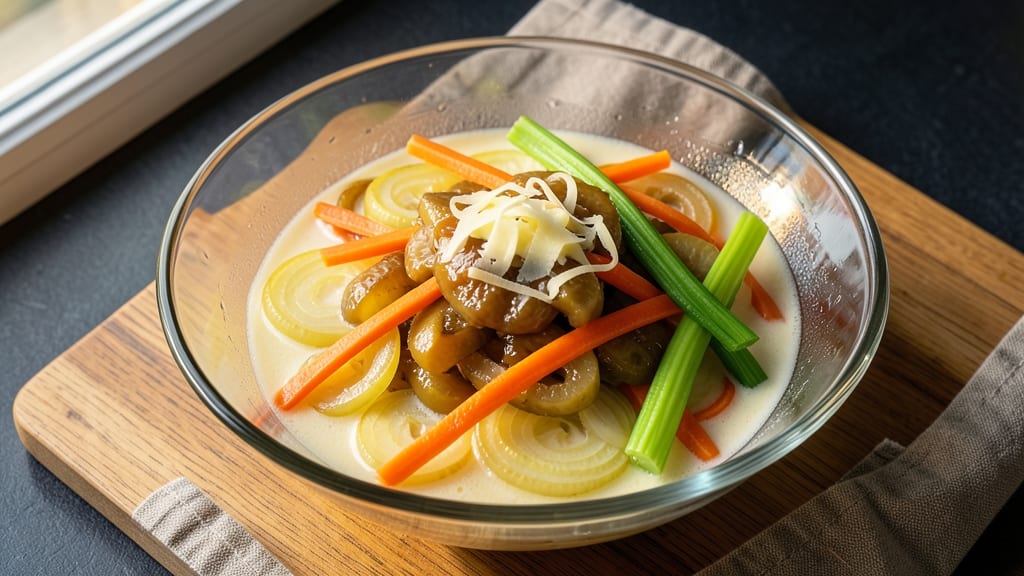
Alton Brown's bread and butter pickle recipe delivers that perfect sweet-tangy crunch that elevates sandwiches and charcuterie boards to restaurant quality. This time-tested method balances traditional vinegar and sugar with a touch of butter for depth, ensuring every crisp bite carries that signature flavor.
The key lies in precise cooking times and a well-balanced brine that transforms simple vegetables into addictive bites.
What sets this recipe apart is the attention to texture—achieving that satisfying crunch without sacrificing tenderness. We'll use a classic combination of vinegar, sugar, and spices, but with Alton's signature touch of butter that rounds out the sharpness.
The process is straightforward, requiring just 30 minutes of active time, but the flavors develop beautifully as they sit in the brine.
By the end, you'll have jar after jar of crispy, sweet-tangy pickles that stay fresh for weeks. These aren't just side dishes—they're the star of any meal, perfect for sandwiches, burgers, or simply snacking straight from the jar. The method is foolproof, delivering consistent results every time.
Once you master this technique, you can experiment with variations—adding mustard seeds for extra bite or adjusting the sugar level to suit your taste. The possibilities are endless, but the foundation remains the same: a perfect balance of sweet, tangy, and buttery goodness in every bite.
Ingredients for alton brown bread and butter pickle
Crispy, sweet-tangy pickles start with these 12 essential ingredients—simple but powerful.
| Ingredient | Amount | Notes |
|---|---|---|
| White Vinegar 💧 | 2 cups | White distilled preferred for clarity |
| Granulated Sugar 🍚 | 1 ½ cups | White or light brown preferred |
| Unsalted Butter 🧈 | ¼ cup | Cold, cubed for texture |
| Yellow Onion 🧅 | 1 whole | Thinly sliced, 1-inch pieces |
| Carrots 🥕 | 1 lb | Baby carrots or julienned |
| Celery Stalks 🧄 | 3 whole | Thinly sliced, leafy parts removed |
| Mustard Seeds 🌶️ | 1 tbsp | Whole, for subtle bite |
| Ground Turmeric 🌿 | ½ tsp | For vibrant color |
| Diamond Crystal Kosher Salt 🧂 | 1 ½ tsp | Adjust to taste |
| Fresh Dill 🌿 | ¼ cup | Chopped, for brightness |
| Water 💧 | 1 cup | For brine balance |
| Bay Leaves 🍃 | 2 whole | For subtle herbal depth |
The butter is non-negotiable here—it's what gives these pickles their signature richness. Use unsalted so you control the saltiness, and cold cubes melt beautifully into the brine without breaking. For the vegetables, freshness matters: grab carrots and celery from the produce section, not the pre-cut bins. The onions should be crisp—yellow or sweet onions work best, not red. Mustard seeds are key for that classic tang, but if you're sensitive to heat, reduce to 0.5 tbsp. Penzeys or Spicewalla carry high-quality seeds if you want to splurge.
No white vinegar? Apple cider vinegar works too, though it adds a slight fruity note. Brown sugar can replace white, but expect a deeper caramel flavor. Butter too rich? Olive oil at half the amount keeps the texture while cutting fat. Fresh dill is ideal, but dried dill at one-third the quantity works in a pinch. The bay leaves? Don't skip them—they add subtle earthiness that rounds out the sweetness. For texture, you can add 1 tbsp of corn kernels if you're feeling adventurous, but traditionalists will swear by the classic combo.
These pickles stay crisp for 4-6 weeks in the fridge, stored in sterilized jars. The butter keeps them tender, but if they soften too quickly, add 1 extra tbsp of vinegar to the brine. For extra crunch, pack the vegetables tightly into jars before pouring the hot brine—this minimizes air pockets. Once opened, they'll last 2-3 weeks, but honestly, they disappear faster than that. Freezing isn't recommended—they lose their crunch, but you can freeze the brine separately for quick pickling later.
Why You'll Love This Recipe
- No-Fuss Pantry Pickle: I swear by this recipe because it turns fridge scraps—onions, carrots, a splash of vinegar—into something magical with almost no effort. Honestly, the hardest part is waiting for the flavors to meld while you’re busy doing other things.
- Sweet-Tangy Magic: That perfect balance of sugar and vinegar? It’s like a hug for your taste buds. The butter at the end makes it rich without being heavy—trust me, the first bite will have you reaching for the jar.
- Meal Prep MVP: Make a big batch on Sunday and toss these into sandwiches, burgers, or even charcuterie boards all week. They keep for ages, and I’ll be real: my kids grab them straight from the jar like candy.
- Budget-Friendly Staple: Onions, carrots, sugar, butter—these are all things I already have on hand. No fancy ingredients, no wasted money, just pure, delicious pickles that cost pennies to make. (Yes, even on a Tuesday night.)
Step-by-step instructions for Alton Brown's bread and butter pickle
Here's how to craft the perfect sweet-tangy crunch that balances buttery richness with vinegar brightness.
Prepare the Vegetable Base
In a large mixing bowl, combine the 1 whole Yellow Onion (thinly sliced), 1 lb Carrots (julienned or baby carrots cut into matchsticks), and 3 whole Celery Stalks (thinly sliced). This trio forms the crunchy backbone of the pickles. I like to use a mandoline for even slices—it ensures consistent texture throughout the batch.
Add the 1 tbsp Mustard Seeds and 0.5 tsp Ground Turmeric to the vegetable mixture. The turmeric gives those pickles their signature golden hue, while the mustard seeds add a subtle peppery bite that balances the sweetness. Toss everything together gently with your hands—this helps distribute the spices evenly and prevents clumping.
Create the Sweet-Tangy Brine
In a separate saucepan, combine the 2 cups White Vinegar, 1.5 cups Granulated Sugar, 1 cup Water, 1.5 tsp Diamond Crystal Kosher Salt, and 2 whole Bay Leaves. Bring this mixture to a boil over medium-high heat, stirring occasionally until the sugar dissolves completely. You'll notice the liquid will turn into a golden syrup as it cooks down.
Once boiling, reduce heat to medium-low and let it simmer for 5 minutes. This step ensures the sugar fully incorporates and the flavors meld together. The bay leaves add subtle herbal depth that complements the other spices. Remove the pan from heat and let it cool slightly—this prevents shocking the vegetables when you combine them.
Incorporate Butter and Dill
While the brine cools, add the 0.25 cup Unsalted Butter (cold and cubed) to the vegetable mixture. Use your hands to work the butter into the vegetables until evenly distributed. The cold butter will begin to melt slightly from the warmth of the veggies, creating a velvety coating that enhances each bite.
Stir in the 0.25 cup Fresh Dill (chopped) and the cooled brine. The dill adds that signature fresh brightness that cuts through the sweetness. At this point, the mixture should look vibrant and glossy—if it appears too dry, add 1 tablespoon of the reserved brine to help everything come together. The pickles should be well-coated but still maintain their individual shapes.
Pack and Process for Perfect Texture
Transfer the pickle mixture to clean, sterilized pint-sized mason jars, packing them tightly to remove air bubbles. This step is crucial for achieving that signature crunch—proper packing ensures the vegetables stay crisp rather than becoming mushy. Leave about ½ inch of headspace at the top of each jar.
Seal the jars tightly and process them in a boiling water bath for 10 minutes (for half-pint jars) or 15 minutes (for pint jars). This sterilization step preserves the pickles and develops their signature texture. Once processed, let the jars cool completely before storing them in a cool, dark place. They'll keep for up to 6 months, though I promise they won't last that long!
Pro Tips For Making Alton Brown Bread And Butter Pickle
- STEAM THE VEGETABLES FIRST: I learned this the hard way—raw onions and carrots in vinegar? They’ll just sit there like soggy bricks. Blanch them for 3-4 minutes in boiling water first, then shock in ice water. The texture comes out crisp-tender, not mushy, and the flavors meld faster during the simmer.
- USE LESS SUGAR AT FIRST: The recipe might call for all the sugar upfront, but I’ve found adding half during the initial simmer and the rest later keeps the pickles from turning syrupy. Taste as you go—you can always add more sugar, but you can’t take it out once the jar’s sealed.
- DON’T SKIP THE BUTTER RIND: That crusty yellow bit on unsalted butter isn’t just for show—it’s packed with flavor. Scrape it off, chop it fine, and toss it into the hot vinegar mixture with the other ingredients. It dissolves surprisingly well and adds a rich depth the store-bought stuff can’t match.
- SIMMER LOW AND SLOW: I used to crank the heat to speed things up, but the vinegar will just boil off, leaving you with harsh, underdeveloped flavors. Keep it at a gentle simmer—tiny bubbles, not a rolling boil—and let it cook for the full 20 minutes. Patience here makes all the difference in the balance of sweet, tangy, and buttery.
Troubleshooting your alton brown bread and butter pickle
Vegetables Too Soft
If your pickles turn out mushy instead of crisp, it’s likely due to overcooking or improper packing. The vegetables should stay firm but tender—never soggy. To prevent this, pack the jars tightly before adding the hot brine, leaving only ½ inch of headspace.
Also, process jars for the correct time—10 minutes for half-pints and 15 minutes for pints—no longer. Over-processing breaks down the texture. I’ve found that using fresh, firm vegetables (like baby carrots or crisp celery) makes all the difference. 🥕
Brine Too Thin
A watery brine means your pickles won’t hold their shape or flavor. This usually happens when the sugar doesn’t fully dissolve or if too much water is added. Always simmer the brine for 5 minutes to ensure the sugar dissolves completely—this creates a thick, syrupy consistency.
If your brine looks thin, reduce it by 1-2 minutes on the stove before combining with the vegetables. For extra insurance, use white vinegar (not apple cider) for clarity and better texture. 💧
Butter Not Melting Properly
Cold butter cubes should melt into the vegetables, coating them evenly for that signature richness. If your butter stays in clumps or doesn’t distribute well, it’s likely because the vegetables aren’t warm enough. Work the butter into the veggies by hand while they’re still slightly warm from the brine mixture.
If the butter still refuses to melt, microwave it for 10-15 seconds to soften slightly before mixing. Never skip the butter—it’s what gives these pickles their velvety, buttery depth. 🧈
Pickles Too Sweet
If your batch tastes overly sweet, you’ve likely added too much sugar to the brine. The recipe calls for 1.5 cups granulated sugar, but personal taste varies. To balance sweetness, reduce sugar by ¼ cup and add ½ teaspoon more vinegar to compensate.
For a tangier profile, simmer the brine slightly longer (up to 7 minutes) to concentrate the flavors. Taste as you go—adjustments this early prevent a whole batch of cloying pickles. 🍚
Jars Not Sealing
If your jars fail to seal properly, it’s usually due to air bubbles, improper headspace, or dirty jars. Always sterilize jars and lids in boiling water for 10 minutes before filling.
Pack the vegetables tightly to minimize air pockets, then wipe the rims with a clean, damp cloth to remove any residue. Seal the lids firmly but not too tight—over-torquing can cause leaks. If a jar still doesn’t seal, refrigerate it immediately and use within 1 week. 🔒
Dill Losing Brightness
Fresh dill can lose its vibrant flavor if added too late or if the brine isn’t hot enough. Stir in the dill after the brine cools slightly (around 180°F) to preserve its aroma and color.
For extra freshness, add a few extra sprigs to the jars before sealing—remove them after processing. If your dill tastes muted, try drying it first (spread on a paper towel for 1 hour) to intensify the flavor before adding to the brine. 🌿
Nutrition facts
Frequently asked questions
Can I make this recipe without butter?
The butter is what gives these pickles their signature rich, velvety texture. If you're avoiding butter, try substituting with 2 tablespoons olive oil or 1 tablespoon melted margarine—though the flavor will be slightly different. The butter also helps balance the sharpness of the vinegar, so you may want to add an extra ½ teaspoon of salt if you omit it.
How do I adjust the sweetness level?
This recipe uses 1.5 cups sugar for a balanced sweet-tangy profile. For less sweetness, reduce sugar by ¼ cup and add ½ teaspoon more vinegar to compensate. If you prefer extra sweetness, increase sugar by ¼ cup but reduce vinegar by 1 tablespoon to maintain balance. Always taste the brine before adding it to the vegetables.
Can I use apple cider vinegar instead of white vinegar?
Yes, but expect a slightly fruity note that complements the sweetness differently. Apple cider vinegar works well, though it may make the brine slightly cloudier. For the classic look, stick with white vinegar, but if you prefer the flavor, use a 1:1 substitution. The texture and preservation properties remain the same.
Why do my pickles turn out mushy?
Mushy pickles usually result from overcooking or improper packing. Always pack vegetables tightly into jars before adding hot brine (leave ½ inch headspace) and process for the correct time (10 minutes for half-pints, 15 minutes for pints). Using fresh, firm vegetables (like baby carrots) also helps maintain crispness. Never overfill jars—this traps air and causes sogginess.
How long do these pickles last?
Properly processed and sealed pickles will keep for 6 months in a cool, dark place. Once opened, store in the refrigerator and consume within 2-3 weeks. The butter helps preserve freshness, but the dill and fresh vegetables contribute to a shorter fridge life compared to vinegar-only pickles.