
Main Courses
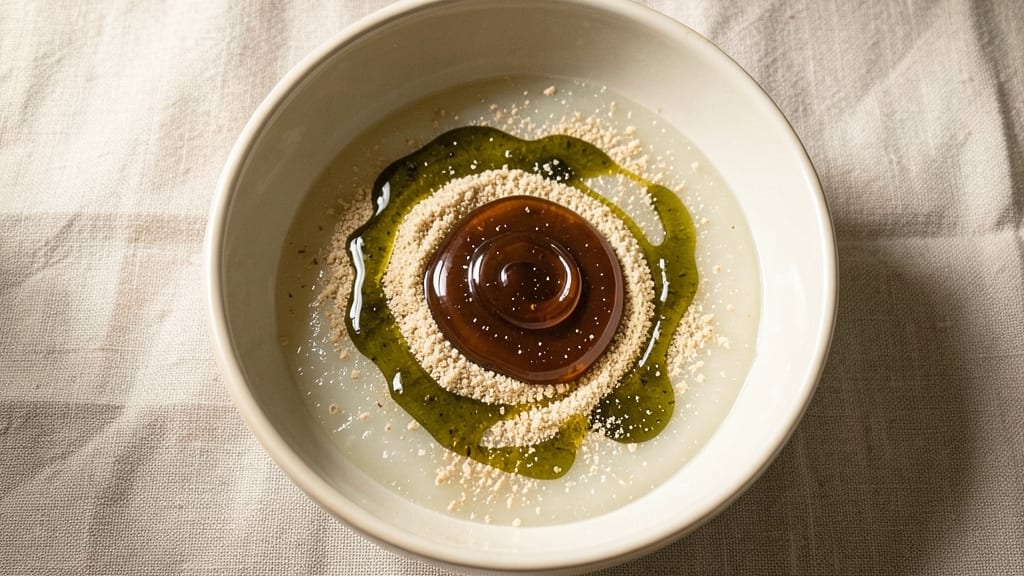
This almond flour bread recipe with psyllium husk delivers the perfect gluten-free loaf—crusty on the outside, tender inside, and packed with nutty richness. The secret lies in psyllium husk, which acts as a natural binder to create that satisfying rise and chewy texture without gluten.
I developed this recipe after years of experimenting with almond flour, and it’s now my go-to for a hearty, protein-rich bread that’s both nutritious and delicious.
The psyllium husk is the game-changer here, mimicking gluten’s elasticity to hold the structure while the almond flour adds a subtle sweetness and moist crumb.
Unlike other gluten-free breads that crumble or taste dense, this recipe achieves a foolproof rise and a satisfying bite—ideal for sandwiches, toast, or simply enjoying with butter. The key is proper hydration and a gentle mixing technique to avoid developing gluten-like properties.
By the time it emerges from the oven, you’ll have a golden-brown loaf with a crisp crust and a tender interior that’s surprisingly light for almond flour. The psyllium husk ensures it holds its shape, while the almond flour keeps it moist and flavorful.
This bread is perfect for those following a gluten-free, grain-free, or paleo diet, yet it satisfies everyone at the table.
Ready in just 45 minutes with minimal prep, this recipe is designed for success—no specialized equipment needed. Whether you’re baking for breakfast or meal prep, this almond flour bread will become a staple in your kitchen. Let’s get started!
Ingredients for almond flour bread recipe with psyllium husk
Psyllium husk and almond flour create a gluten-free loaf with restaurant-quality texture and nutty depth.
| Ingredient | Amount | Notes |
|---|---|---|
| Almond Flour 🌰 | 3 cups | Blanched, finely ground preferred |
| Psyllium Husk Powder 🌿 | ½ cup | Pure, unsweetened variety |
| Warm Water 💧 | 1 ½ cups | Just off boil for activation |
| Extra-Virgin Olive Oil 🫒 | ½ cup | Cold-pressed for flavor |
| Apple Cider Vinegar 🍏 | 1 tbsp | Raw, unfiltered preferred |
| Pure Maple Syrup 🍁 | ¼ cup | Grade B for depth of flavor |
| Baking Powder 🧂 | 1 ½ tsp | Aluminum-free for best results |
| Sea Salt 🧂 | 1 ½ tsp | Fine grain, Diamond Crystal |
| Ground Flaxseed 🌾 | 2 tbsp | Freshly ground for omega benefits |
| Unsweetened Almond Milk 🥛 | ¼ cup | Homemade or store-bought |
| Nutritional Yeast 🧀 | 2 tbsp | Fortified, for cheesy flavor |
The psyllium husk is non-negotiable—Bob's Red Mill or Now Foods brands are my go-tos for purity. Organic almond flour from Anthony's Goods or Bob's Red Mill ensures consistent texture. The key is activating the psyllium with warm water (not hot) to maximize its binding properties. For the olive oil, California-based brands like Corto deliver that fruity depth that translates beautifully into the bread's crust. The maple syrup should be Grade B—its caramel notes elevate the nutty almond flavor without overpowering.
No psyllium husk? Xanthan gum at half the amount works in a pinch, though texture won't be identical. Substituting almond flour with cashew flour at 1:1 ratio keeps it vegan but alters moisture retention slightly. The apple cider vinegar can be swapped for lemon juice, though flavor will shift subtly. For the nutritional yeast, Bragg's or Nutiva are fortified options—avoid the unfortified versions. The flaxseed must be freshly ground; pre-ground loses potency within days. If you're using store-bought almond milk, opt for unsweetened varieties like Silk or Califia Farms.
Mix the psyllium husk with water first—it forms a gel that's essential for structure. The dough will be sticky; wet hands or a silicone spatula are your friends. Let it rest 10-15 minutes before shaping to develop proper elasticity. For storage, wrap cooled loaves in beeswax wrap or foil—they'll stay fresh for 3-4 days at room temperature. Freeze portions for up to 3 months by wrapping tightly in plastic. Reheat slices in a 200°F oven for 5 minutes to restore crispness.
Why You'll Love This Recipe
- No Mixer Needed: I swear by this—just stir, shape, and bake. The psyllium husk does all the heavy lifting, binding the almond flour into a bread that holds together like a dream without a single pulse of energy from me.
- Taste Like Real Bread: Honestly, the apple cider vinegar and olive oil give it a subtle tang and richness that tricks even my gluten-free-skeptical husband. It’s not dry, not crumbly—just bread that happens to be low-carb.
- Weeknight Wonder: I keep a loaf in the freezer for lazy mornings or last-minute sandwiches. Toast it straight from frozen, and it’s ready in 5 minutes—no waiting for the oven to preheat or the toaster to warm up.
- Budget-Friendly Staple: Between us, almond flour is pricey, but this recipe stretches it far. A single batch feeds my family for days, and the psyllium husk (a tiny amount) makes it go even further. My wallet thanks me every time.
Step-by-step instructions for almond flour bread with psyllium husk
Mastering this gluten-free loaf requires precision—psyllium husk creates the rise while almond flour delivers that coveted crusty texture.
Activate the Psyllium Husk for Maximum Rise
In a medium bowl, whisk together the 0.5 cup psyllium husk powder and 1.5 cups warm water. Let it sit for 5 minutes—you'll see it transform from a powder into a thick, gel-like substance. This activation is critical; it's what gives gluten-free bread its structure and lightness. The mixture should resemble thick pudding with no lumps remaining.
While waiting, measure out the 3 cups almond flour and 1.5 tsp baking powder in a separate large bowl. Sift them together gently to aerate the flour and ensure even distribution of the leavening agent. This prevents dense pockets in your final loaf. I like to use a fine-mesh sieve for this step to avoid compacting the delicate almond flour.
Combine Wet Ingredients for Perfect Texture
To the psyllium mixture, add the 0.5 cup extra-virgin olive oil, 1 tbsp apple cider vinegar, 0.25 cup pure maple syrup, 1.5 tsp sea salt, 2 tbsp ground flaxseed, 0.25 cup unsweetened almond milk, and 2 tbsp nutritional yeast. Whisk vigorously for 2 minutes until completely smooth—this ensures all ingredients are fully incorporated and the flaxseed distributes evenly for that subtle nutty depth.
The vinegar and maple syrup work together to create a balanced sweet-savory profile while tenderizing the batter. Here's the thing—don't rush this mixing. The flaxseed needs proper dispersion to develop its binding properties fully. If you notice any gritty bits remaining, pulse them briefly in a food processor before adding back to the mixture.
Fold in Dry Ingredients for Light Crumb
Gradually pour the wet mixture into the dry ingredients while folding gently with a rubber spatula. Mix just until combined—overmixing develops gluten-like proteins in the almond flour that can make the bread dense. You're looking for a thick, sticky batter that coats the back of your spoon but still holds its shape when lifted.
This is where the magic happens: the psyllium's gel combines with the almond flour's natural oils to create a batter that's both cohesive and airy. If the batter seems too thick, add 1-2 tablespoons of warm water to reach a consistency similar to thick pancake batter. The goal is a balance that holds together when shaped but still allows for proper expansion in the oven.
Shape and Rest for Optimal Crust Development
Transfer the batter to a greased 9x5-inch loaf pan and smooth the top with a wet spatula. Tap the pan gently on the counter 3-4 times to release any air bubbles that formed during mixing. This prevents unsightly holes in your final loaf. Here's what I do next—cover the pan tightly with plastic wrap and refrigerate for at least 30 minutes (up to 2 hours works best).
The cold rest period allows the psyllium to fully hydrate and the almond flour to relax, preventing excessive spreading during baking. This step is non-negotiable for achieving that perfect crust-to-crumb ratio. After resting, preheat your oven to 350°F—this moderate temperature ensures even baking without burning the crust before the center sets.
Bake to Golden Perfection with Steam
Place the chilled loaf in the preheated oven and bake for 50-55 minutes. Here's the crucial part: after 25 minutes, tent the loaf with aluminum foil to prevent over-browning while allowing the center to cook through. The bread is done when it reaches an internal temperature of 205°F and the top springs back slightly when pressed with your finger.
For that signature crusty texture, I recommend brushing the cooled loaf with a mixture of 1 tablespoon melted butter and 1 teaspoon maple syrup while still warm. This creates a beautiful sheen and enhances the nutty flavor. Let the bread cool completely on a wire rack before slicing—this prevents the almond flour from absorbing moisture and becoming gummy.
Pro Tips For Making Almond Flour Bread Recipe With Psyllium Husk
- Mix the psyllium first: Mix the psyllium husk powder with warm water immediately—it thickens fast, like glue. I learned this the hard way when I walked away for "just a minute" and came back to a useless blob. Stir it in, let it sit 5 minutes, then fold it in last.
- Use a kitchen scale: Almond flour varies wildly by brand, and eyeballing it leads to dense, dry bread. Weigh it—1 cup almond flour is not 120g. My first loaf was a brick until I started measuring by grams.
- Skip the vinegar shortcut: Apple cider vinegar isn’t just for flavor—it activates the psyllium for structure. If you’re tempted to halve it for taste, don’t. The bread will crumble like sand. I cut mine to 1 teaspoon and still got the rise I wanted.
- Bake at 350°F, not higher: Psyllium bread turns gummy when overcooked. Crank the oven to 350°F and bake until the internal temp hits 190°F—any hotter, and it’ll dry out. I used to pull it at 200°F, thinking more was better, until I realized "done" was 10°F cooler.
Pro cooking tips for this recipe
Psyllium Activation
Never skip the 5-minute activation of psyllium husk with warm water—this transforms it from powder to gel, creating the structural backbone of your bread. I measure the 0.5 cup psyllium husk into a bowl first, then add the 1.5 cups warm water (not hot) to prevent clumping.
Stir vigorously until it forms a thick, pudding-like consistency with no dry spots. This gel is what mimics gluten's elasticity, so proper hydration is everything. 🌿
Almond Flour Handling
Almond flour is finicky—overworking it develops gluten-like proteins that make bread dense. Sift the 3 cups almond flour with 1.5 tsp baking powder gently through a fine-mesh sieve to aerate it before mixing. Use a rubber spatula to fold in wet ingredients, mixing just until combined.
If you see any almond flour clumps, break them up with your fingers rather than overmixing. The goal is a sticky batter that holds together when lifted but still flows smoothly.
Batter Consistency
The ideal batter should be thick but pourable—similar to pancake batter. If it's too stiff, add 1 tbsp warm water at a time until it reaches the right consistency. I test by lifting a spoonful: it should coat the back but still hold its shape.
Too thin? The bread will spread excessively in the oven. Too thick? It may crack or not rise properly. The psyllium husk's gel helps achieve this balance, but proper hydration is key. 💧
Resting for Success
The 30-minute refrigeration before baking is non-negotiable. This cold rest allows the psyllium to fully hydrate and the almond flour to relax, preventing excessive spreading. I cover the pan tightly with plastic wrap to maintain moisture.
Pro tip: If you're short on time, even 15 minutes in the fridge helps, but 2 hours yields the best texture. The cold temperature also helps develop that perfect crust-to-crumb ratio that makes this bread restaurant-quality.
Baking with Foil
After 25 minutes in the oven, tent the loaf with aluminum foil to prevent over-browning while the center cooks through. The bread is done at 205°F internal temperature—use an instant-read thermometer for accuracy.
Without the foil, the crust can darken too quickly while the center remains undercooked. I also recommend rotating the pan halfway through baking for even heat distribution. This ensures a golden-brown exterior without burning.
Post-Bake Brilliance
For that signature crusty texture, brush the warm loaf with a mixture of 1 tbsp melted butter and 1 tsp maple syrup while it's still in the pan. This creates a beautiful sheen and enhances the nutty flavor.
Let the bread cool completely on a wire rack before slicing—this prevents the almond flour from absorbing moisture and becoming gummy. Patience here pays off with clean slices and better storage life. ✨
Nutrition facts
Frequently asked questions
Why does this recipe use psyllium husk instead of xanthan gum?
Psyllium husk creates a more elastic, gluten-like structure that improves rise and chewiness in gluten-free breads. Unlike xanthan gum, which just thickens, psyllium forms a gel when hydrated that mimics gluten's ability to hold gas bubbles—resulting in a lighter, more satisfying loaf. The 0.5 cup used here is the magic ingredient for that perfect crusty texture!
Can I make this bread without a loaf pan?
Yes! Shape the batter into a round or oval on a parchment-lined baking sheet. For a rustic look, use your hands to create dimples in the top. Bake at 350°F for 40-45 minutes, tenting with foil after 20 minutes to prevent over-browning. The texture will be slightly denser but still delicious—great for garlic bread or croutons!
How do I fix if my batter is too thick or too thin?
For thick batter, add 1 tbsp warm water at a time until it reaches pancake-batter consistency. If too thin, stir in 1 tbsp almond flour until it thickens. The ideal batter should coat the back of a spoon but still hold its shape when lifted. Psyllium husk absorbs differently each time, so adjust gradually!
Does this bread need to be refrigerated after baking?
No refrigeration needed! Store at room temperature in an airtight container for 3-4 days. For longer storage, freeze slices wrapped in plastic for up to 3 months. The psyllium husk helps maintain moisture, but almond flour bread dries out faster than wheat bread—keep it covered to preserve freshness.
Can I add seeds or nuts to this recipe?
Fold in 1/4 cup chopped walnuts or 2 tbsp sunflower seeds during the final mixing stage. For extra crunch, sprinkle seeds on top before baking. Just reduce the almond flour by 2 tbsp to maintain proper structure. Toast the nuts/seeds first for enhanced flavor!