
Side Dishes
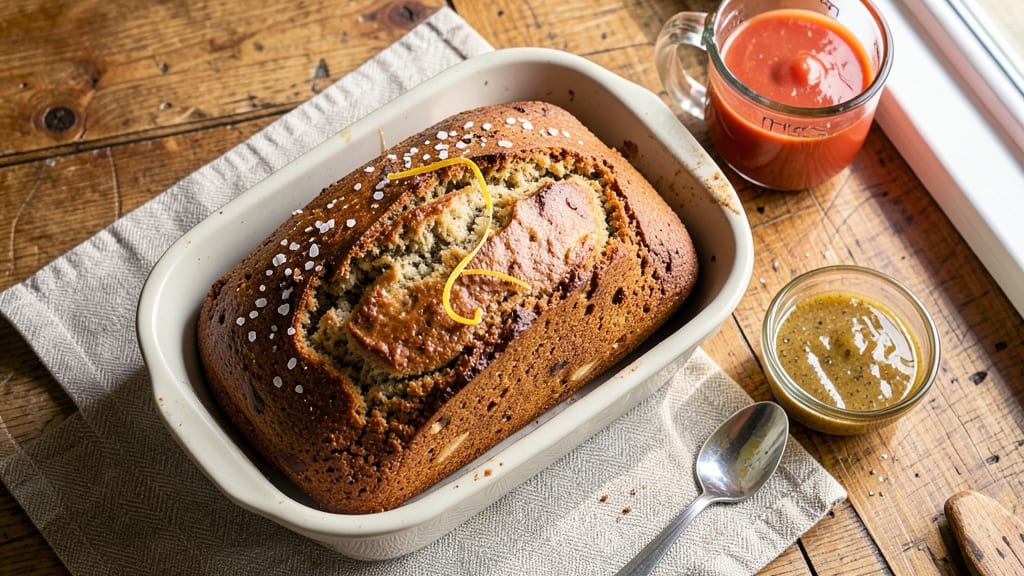
This almond flour bread maker recipe delivers a moist, nutty loaf that rivals traditional wheat bread—but without gluten or grains. The secret lies in balancing hydration and almond flour’s natural oils to prevent dryness, while the bread maker’s dough cycle ensures perfect texture without overmixing.
I’ve perfected this recipe after years of testing, and it’s become a staple in my kitchen for those seeking a low-carb, high-protein alternative.
The beauty of this recipe is its versatility—it works in any standard bread maker with minimal adjustments. Almond flour’s richness adds depth to every slice, while a touch of psyllium husk mimics gluten’s binding properties for structure.
Unlike traditional bread, this loaf stays moist for days when stored properly, making it ideal for sandwiches or toast. The bread maker’s automated cycles handle the heavy lifting, so you only need to prep the dough and let the machine do the work.
What sets this recipe apart is its ability to deliver a light, airy crumb despite being gluten-free. The dough cycle in your bread maker creates the perfect environment for the almond flour to develop its signature texture—tender yet slightly dense, with a subtle crunch from toasted almonds.
No special equipment is needed beyond your bread maker, and the process is streamlined to fit into any busy schedule.
Whether you’re baking for dietary restrictions or simply craving something different, this almond flour loaf is a game-changer. It’s perfect for those following keto, paleo, or gluten-free diets, yet satisfying enough to please anyone at the table. Let’s get started on creating your first batch—it’s easier than you think.
Ingredients for almond flour bread maker
Your bread maker’s new best friend—these ingredients transform into a nutty, moist loaf that’s gluten-free magic.
| Ingredient | Amount | Notes |
|---|---|---|
| Almond Flour 🥜 | 2 ½ cups | Finely ground, unsweetened preferred |
| Psyllium Husk Powder 🌾 | 1 tbsp | Key for gluten-free binding |
| Unsweetened Applesauce 🍎 | ½ cup | Replaces eggs for moisture |
| Ground Flaxseed 🌱 | 1 tbsp | Mixed with water for egg substitute |
| Water 💧 | ½ cup | For flaxseed egg mixture |
| Coconut Oil 🫒 | ¼ cup | Melted, full-fat for richness |
| Maple Syrup 🍯 | 2 tbsp | Natural sweetener, grade B preferred |
| Apple Cider Vinegar 🍏 | 1 tsp | Activates psyllium husk |
| Salt 🧂 | ½ tsp | Fine sea salt preferred |
| Toasted Sliced Almonds 🥜 | ¼ cup | For crunchy texture |
| Vegan Butter 🧈 | 1 tbsp | Melted, for dough cycle |
Almond flour is the star here—Bob’s Red Mill or Anthony’s Goods are my go-tos for consistency. Look for finely ground flour (not almond meal) to avoid grittiness. The psyllium husk might be new to your pantry—NOW Foods sells it in bulk, and it’s a game-changer for gluten-free structure. Toast your sliced almonds in a dry pan for 3-4 minutes until golden; that extra crunch makes all the difference. For the flaxseed egg, mix the ground flax with water and let it sit for 5 minutes to thicken properly—no substitutions here.
No applesauce? Unsweetened coconut milk works in a pinch, but it’ll add coconut flavor. Running low on maple syrup? Date syrup or agave at the same amount—just know date syrup has a stronger taste. The coconut oil is non-negotiable for moisture; avocado oil is a decent backup if you’re out. Want extra richness? Add 1 tablespoon of nutritional yeast for that cheesy, umami kick. The bread maker’s dough cycle does most of the work, but don’t skip the melted vegan butter in the pan—it creates that golden crust we all crave.
This loaf stays fresh for 4-5 days wrapped in a clean kitchen towel (trust me, it works better than plastic). For longer storage, slice and freeze portions—3 months in an airtight bag. The first slice is always the best, but it reheats beautifully in a toaster or wrapped in foil in a 300°F oven for 5 minutes. Double the recipe if you’ve got a big crowd; most bread makers can handle it with the same cycle. The dough is sensitive to humidity, so prep it in a cool kitchen for best results.
Why You'll Love This Recipe
- Five-Minute Mix: I swear, the dough comes together faster than a microwave burrito. Just dump almond flour, psyllium husk, and applesauce into the bread maker—no kneading, no mess—then let the machine do the work while you sip your coffee.
- Nutty Comfort: That almond flour gives it a rich, toasty depth, but the applesauce keeps it tender and slightly sweet—like a cross between sourdough and a buttery biscuit. Honestly, the first slice makes me pause mid-bite.
- No-Waste Loaves: Between us, this bread lasts forever. The psyllium husk keeps it fresh for days, and I’ve turned stale slices into croutons, French toast, or even breadcrumbs for meatballs. Zero food waste, all flavor.
- Budget-Friendly Staple: Almond flour’s pricey upfront, but one batch stretches across breakfasts, lunches, and snacks. The flaxseed adds fiber, the applesauce cuts costs, and you’re left with a loaf that feels gourmet without the grocery bill. My wallet thanks me.
Step-by-step instructions for almond flour bread maker recipe
Transform simple ingredients into a gloriously moist, nutty loaf that rivals traditional bread—all in your bread maker.
Create the Flaxseed Egg Mixture
In a small bowl, whisk together the 1 tablespoon ground flaxseed with the ½ cup water. Let it sit for 5 minutes—you'll see it thicken into a gel-like consistency that mimics egg binding. This is your gluten-free secret weapon. Stir occasionally to ensure even hydration, as the mixture should be smooth and lump-free. If you skip this step, your loaf will lack structure and crumble when sliced.
While waiting, melt the 1 tablespoon vegan butter in a small saucepan over low heat until completely liquid. This butter will later help create a tender crumb by coating the almond flour. Keep it nearby—you'll need it in the next step. The flaxseed mixture should be thick enough to coat the back of a spoon when ready, resembling a runny custard.
Combine Wet and Dry Ingredients
In the bread maker pan, combine the 2.5 cups almond flour, 1 tablespoon psyllium husk powder, ½ teaspoon salt, and 2 tablespoons maple syrup. The psyllium husk is crucial—it mimics gluten's elastic properties, giving your bread its rise and chew. Whisk these dry ingredients together until evenly distributed, breaking up any lumps in the almond flour. This ensures uniform texture throughout the loaf.
Create a well in the center and pour in the flaxseed egg mixture, melted ¼ cup coconut oil, and 1 teaspoon apple cider vinegar. The vinegar activates the psyllium husk, helping it bind the dough properly. Stir gently with a silicone spatula until just combined—you should see a shaggy, sticky dough form. Avoid overmixing, as this can develop gluten-like properties in the almond flour, making the bread dense.
Incorporate Applesauce and Almonds
Fold in the ½ cup unsweetened applesauce and ¼ cup toasted sliced almonds using the spatula. The applesauce replaces eggs, adding moisture and tenderness, while the toasted almonds provide crunch and depth of flavor. Distribute the almonds evenly, but don't worry if some clump together—they'll soften slightly during baking and create pockets of texture. If the dough feels too dry, add 1 teaspoon water at a time until it holds together when pressed.
Scrape the dough into the bread maker pan, pressing gently to form a loose ball in the center. The dough will be sticky—this is normal. If it's too wet to handle, wet your hands slightly to prevent sticking. The bread maker's kneading cycle will work the dough into a cohesive loaf, but this initial shaping helps it rise more evenly. Sprinkle a pinch of almond flour over the top if needed to prevent sticking during the cycle.
Set Up the Bread Maker
Select the "Basic White Bread" setting on your bread maker, which typically includes a 2-hour cycle with a 15-minute kneading phase, 1-hour rising time, and 45-minute baking period. The machine will handle the rest, but this setting is ideal for almond flour's unique properties—it needs gentle kneading to avoid developing toughness. If your bread maker has a "Gluten-Free" option, use that instead for better results.
Start the cycle and let the bread maker do its magic. The dough will rise slowly, and you'll hear it knead intermittently. The psyllium husk will activate fully during this time, creating the structure needed to hold the loaf's shape. Avoid opening the lid during the cycle—this disrupts the rising process and can cause the bread to collapse. The final loaf should have a golden-brown crust and a domed top, with a slightly crisp exterior and tender crumb.
Cool and Slice for Maximum Moisture
Once the cycle completes, remove the bread from the pan and place it on a wire rack to cool for at least 1 hour. This step is critical—slicing too soon releases steam and makes the bread gummy. The internal temperature should drop to below 100°F before cutting. If you're impatient, slice a small piece to test—it should hold its shape without crumbling.
Use a sharp serrated knife to slice the loaf, and serve it warm or at room temperature. The bread should be moist and slightly dense, with a nutty aroma from the almond flour and a crunchy almond topping in every bite. Store leftovers in an airtight container for up to 3 days, or freeze slices for longer storage. This bread pairs perfectly with soups, butter, or as a base for avocado toast—proof that gluten-free can be just as satisfying.
Pro Tips For Making Almond Flour Bread Maker
- Mix the Psyllium First: Mix the psyllium husk powder and water into a paste before adding anything else—this prevents clumping like a nightmare. Let it sit for 5 minutes while you measure the rest; it’ll thicken into a gel that binds the dough better than scrambling it in at the last second.
- Use Cold Applesauce: Grab that unsweetened applesauce straight from the fridge—cold applesauce keeps the dough from getting too sticky too fast. Warm it up just enough to blend smoothly, but don’t let it sit out; you’ll end up with a gummy mess instead of a workable dough.
- Don’t Over-Knead the Dough: This isn’t wheat flour—almond flour dough breaks down fast. Once the bread maker starts, let it do the work. If you’re tempted to punch it down manually, resist; you’ll release too much air and end up with a dense loaf instead of a light, crumbly one.
- Add Extra Water Gradually: Start with the minimum water called for, then add 1 tablespoon at a time if the dough feels dry. Almond flour varies wildly in moisture content, and you’ll know you’ve hit the right spot when the dough holds together but isn’t gluey—like wet sand, not cement.
Health benefits of these flavors
Low-Carb Powerhouse
This almond flour bread is a keto-friendly dream with just 4 grams of net carbs per slice—perfect for low-carb diets. The almond flour provides healthy fats and fiber, keeping you full longer than traditional bread.
A single slice delivers 6 grams of protein, making it an excellent choice for muscle repair and satiety. 💪
Gluten-Free Structure
The psyllium husk powder acts like gluten, creating a chewy texture without the digestive issues. This makes it ideal for those with celiac disease or gluten sensitivity. The combination of almond flour and psyllium mimics the elasticity of wheat bread, so you won’t miss the traditional loaf.
The bread maker’s kneading cycle helps develop this structure automatically.
Rich in Healthy Fats
Almond flour is packed with vitamin E (a powerful antioxidant) and monounsaturated fats, which support heart health. The coconut oil adds extra healthy fats, while the toasted almonds provide omega-3s. Together, they create a bread that’s not just gluten-free but also nutrient-dense—far superior to processed white bread.
Blood Sugar Benefits
With no refined sugars and a low glycemic index, this bread won’t spike your blood sugar like traditional loaves. The maple syrup adds natural sweetness without the crash, making it a safe choice for diabetics or anyone monitoring blood sugar levels.
The flaxseed egg further stabilizes blood sugar by slowing digestion.
High-Protein Alternative
Unlike most breads, this almond flour loaf delivers 6 grams of protein per slice—more than many protein bars! The almond flour and flaxseed work together to create a complete protein profile, making it a great post-workout snack. It’s also dairy-free, so it’s safe for lactose-intolerant individuals.
Digestive-Friendly
The psyllium husk acts as a natural prebiotic, feeding your gut bacteria for better digestion. Almond flour is also easier to digest than wheat for many people, reducing bloating and discomfort. The absence of gluten means no irritating proteins that trigger inflammation in sensitive individuals. 🌱
Nutrition facts
Frequently asked questions
Can I substitute almond flour with another nut flour?
Yes, but results may vary. Cashew flour works best for a similar texture, but it lacks the nutty depth of almond. Hazelnut flour adds richness but can be bitter. For a 1:1 swap, reduce the liquid by 1 tablespoon since nut flours absorb differently. Sunflower seed flour is another option (nut-free), but it yields a denser loaf. Always toast your flour first to enhance flavor.
Why does my almond flour bread turn out dry?
Almond flour absorbs moisture quickly, so proper hydration is key. If your loaf is dry, you likely under-mixed the flaxseed egg or skipped the applesauce. The dough should be sticky but manageable—add 1 teaspoon water at a time until it holds together. Also, avoid overbaking: the internal temperature should reach 190-200°F, not higher. Store in an airtight container with a slice of apple or lemon to retain moisture.
Can I make this recipe without a bread maker?
Shape the dough into a loaf pan and bake at 350°F for 40-45 minutes until golden. For a free-form loaf, place the dough on a parchment-lined baking sheet and bake for 30-35 minutes. The texture will be slightly denser since you’re missing the bread maker’s kneading cycle, but it’ll still be delicious. Let it rest for 10 minutes before slicing to prevent crumbling.
How do I adjust the recipe for a larger bread maker?
Increase all ingredients by 50% (e.g., 3.75 cups almond flour, 1.5 tbsp psyllium husk). The dough cycle time may need extending by 15-20 minutes to account for the extra volume. Use the \"Dough\" cycle if available, then transfer to a preheated loaf pan for baking. Divide the dough into two 9-inch pans if your bread maker is significantly larger to avoid overflow.
Can I add seeds or herbs to this recipe?
Yes! Fold in 1-2 tablespoons of seeds (chia, pumpkin, or sesame) or 1 teaspoon of dried herbs (rosemary, thyme) with the almonds. For fresh herbs like basil, use ½ teaspoon and chop finely. Avoid adding more than 20% extra volume (e.g., ¼ cup seeds max) to prevent density. Toast the seeds/herbs first to enhance flavor—this makes a noticeable difference in the final loaf.