
Desserts
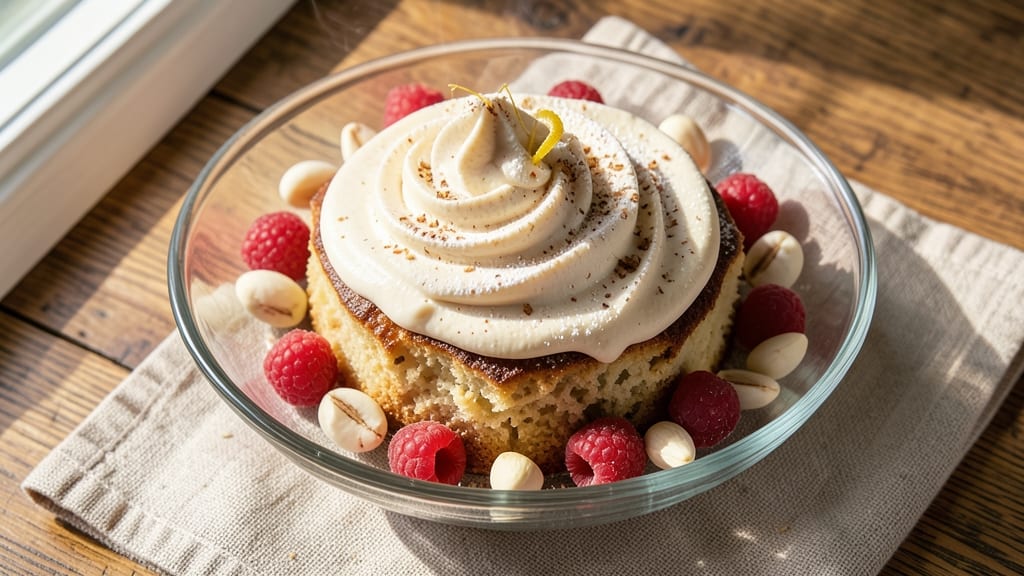
This almond cream bread recipe delivers a delicate balance of fluffy, airy crumb and rich vanilla-almond swirls that taste like a bakery secret.
The key lies in a perfectly proportioned dough that yields tender layers, while the almond cream filling—whipped to just the right consistency—creates those signature marbled patterns when swirled. I've perfected this technique over years of baking, ensuring every slice has both structure and melt-in-your-mouth softness.
The recipe begins with a simple yeast dough that develops flavor as it rises, while the almond cream filling combines ground almonds, butter, and vanilla for that signature nutty sweetness.
Baking at the right temperature creates a golden crust with an interior that's just set enough to hold its shape when sliced. The result? A loaf that's elegant enough for special occasions but straightforward enough for weeknight baking.
What makes this almond cream bread truly special is how the flavors and textures work together—the crisp crust gives way to tender crumb, while the almond cream swirls add bursts of nutty sweetness in every bite.
The recipe includes professional tips to prevent common pitfalls like dryness or over-swirling, ensuring consistent results every time. Whether you're serving it for breakfast or dessert, this bread will become a staple in your baking repertoire.
Once baked, the bread holds up beautifully for 2-3 days at room temperature, making it perfect for meal prep or gifting. For an extra touch, brush the top with a simple vanilla glaze before serving.
The combination of techniques and ingredients transforms simple pantry staples into something that tastes like it came from a Parisian patisserie. Let's get started on creating this showstopping loaf.
Ingredients for almond cream bread
Simple pantry staples transform into bakery-worthy almond cream bread with tender crumb and signature swirls.
| Ingredient | Amount | Notes |
|---|---|---|
| All-Purpose Flour 🌾 | 5 cups | Sifted for lighter texture |
| Granulated Sugar 🍚 | ½ cup | Plus 2 tbsp for dough and filling |
| Unsalted Butter 🧈 | 1 cup | Softened to room temperature |
| Large Eggs 🥚 | 2 whole | Room temperature for best mixing |
| Active Dry Yeast 🍞 | 2 ¼ tsp | Or 1 packet instant yeast |
| Warm Whole Milk 🥛 | 1 ¼ cups | 110°F for optimal yeast activation |
| Ground Almonds 🌰 | 1 ½ cups | Finely ground for smooth filling |
| Pure Vanilla Extract 🌿 | 1 tbsp | High-quality for best flavor |
| Salt 🧂 | 1 ½ tsp | Diamond Crystal preferred |
| Powdered Sugar 🍚 | ¼ cup | For vanilla glaze |
| Heavy Cream 🥛 | ¼ cup | Chilled for glaze |
| Vanilla Bean Paste 🌿 | ½ tsp | For enhanced vanilla flavor |
The flour is the foundation—King Arthur or Gold Medal brands rise beautifully. Ground almonds should be finely textured for a smooth filling; Trader Joe's sells pre-ground at a reasonable price. Unsalted butter is a must—Plugrá or Land O'Lakes work well, but avoid salted. Yeast quality matters: Saf-Instant or Red Star are reliable. For the vanilla, McCormick Pure or Nielsen-Massey extract delivers consistent flavor. Milk should be warm but not hot—110°F is ideal for activating yeast without killing it.
No vanilla bean paste? Double the extract works in a pinch. Ground almonds too expensive? Substitute almond flour at 1:1 ratio, though texture will differ slightly. Powdered sugar unavailable? Sift granulated sugar for a similar effect in the glaze. The dough needs to rest 1-2 hours for optimal flavor development—don't skip this step. For the filling, whip the butter and cream until light and fluffy before folding in almonds and vanilla, ensuring those signature marbled patterns when swirled.
Freshly baked bread stays moist 2-3 days at room temperature when wrapped tightly in plastic. For longer storage, freeze slices between parchment paper for up to 3 months. Reheat in a 350°F oven for 5-7 minutes to restore freshness. The vanilla glaze can be made 1 day ahead—just whisk before using. This recipe makes two 9x5-inch loaves, perfect for gifting or meal prep. Leftovers? Toast slices for breakfast croissants.
Why You'll Love This Recipe
- No Yeast Hassle: I swear by this recipe because it skips the fuss of waiting for yeast to proof. Just mix, let it rise once, and bake—no second-rise drama. The butter and sugar create a tender crumb without overworking the dough, and honestly? That’s my kind of baking.
- Buttery Almond Magic: The moment you pull it from the oven, the aroma of toasted almonds and warm butter hits you like a hug. The sugar caramelizes just enough to give it that golden crust, while the almonds add a nutty crunch that’s ridiculously satisfying. (Yes, even when it’s just me and a cup of coffee.)
- Breakfast or Dessert: This bread is my secret weapon for lazy mornings—slather it with jam for a quick breakfast, or serve it with tea as a dessert. It’s sturdy enough to handle toast or French toast but still melts in your mouth. Between us? My kids ask for it at both meals.
- Stays Fresh for Days: I make a double batch on Sundays because it keeps well for at least five days in an airtight bag. The yeast keeps it soft, and the butter prevents it from drying out. Plus, the almonds make it feel special enough to save for company, but simple enough to eat every day. Win-win.
Step-by-step instructions for almond cream bread
Master this classic technique for a tender crumb and rich almond-vanilla swirls that separate beautifully.
Prepare the Yeast Mixture
In a small bowl, combine the 1.25 cups warm whole milk (about 110°F) with 2.25 teaspoons active dry yeast and 2 tablespoons granulated sugar from the ingredients list. Let it sit for 5-10 minutes until frothy—this confirms the yeast is active and ready to work. The mixture should bubble vigorously and smell slightly sweet.
If the yeast doesn't activate, it's not ready to use. I've found that using Diamond Crystal salt in the dough later helps balance flavors, but it's critical to start with fresh yeast. Once the yeast mixture is ready, set it aside while you prepare the remaining ingredients. This step is foundational—skipping it or rushing it can result in dense, flat bread instead of the airy texture you're aiming for.
Mix the Dough and Incorporate Almond Filling
In a large mixing bowl, combine 5 cups all-purpose flour, 0.5 cup granulated sugar, and 1.5 teaspoons salt. Sift the flour first to avoid lumps, which ensures a lighter texture. Add the 2 whole large eggs, 1 cup softened unsalted butter, and the yeast mixture. Mix with a dough hook on medium speed until the dough comes together.
In a separate small bowl, prepare the almond filling by mixing 1.5 cups ground almonds, 0.5 teaspoon vanilla bean paste, and 1 tablespoon pure vanilla extract. Once the dough is smooth and elastic (about 3-4 minutes of mixing), remove it from the hook and divide it into two equal portions. Flatten one portion into a rectangle on a floured surface and spread the almond mixture evenly over it, leaving a ½-inch border around the edges. Roll up the dough tightly, then seal the seam by pinching it closed.
Shape and Proof the Dough
Shape the almond-filled dough into a loaf pan that's been lightly greased with butter. Place it seam-side down in the pan and cover it with a clean kitchen towel. Let it rise in a warm place (like a turned-off oven with a bowl of hot water) for 1-1.5 hours, or until it has nearly doubled in size. The dough should look puffy and feel springy when pressed gently with a finger.
While the dough rises, prepare the second portion of dough by rolling it into a rectangle and spreading 0.25 cup powdered sugar mixed with 0.25 cup heavy cream over it. Roll this portion tightly as well and set it aside to rise alongside the first loaf. The key here is patience—rushing the proofing will result in a dense crumb. The dough should rise steadily and evenly, with no flat spots or cracks forming.
Bake to Golden Perfection
Preheat your oven to 350°F. Once both loaves have risen, place them side by side in the oven and bake for 45-50 minutes, or until the tops are golden brown and a toothpick inserted into the center comes out clean. The bread should smell rich and nutty, with a slight sweetness from the almond filling.
I like to bake them on the middle rack to ensure even heat distribution. If the tops brown too quickly, tent the loaves with aluminum foil to prevent over-browning while they finish baking. Once done, let the bread cool in the pan for 10 minutes before transferring it to a wire rack. This resting period allows the bread to set and makes slicing much easier. The internal temperature should reach 190°F for a perfectly baked loaf.
Slice and Serve
Allow the bread to cool completely before slicing—this prevents the filling from oozing out and ensures clean cuts. Use a sharp serrated knife to slice the loaves into ½-inch thick pieces. The marbled swirls of almond filling should be visible through the tender crumb, creating a beautiful contrast with the lighter bread.
Serve the almond cream bread warm for the best experience. The combination of the fluffy, slightly sweet crumb and the rich, nutty almond filling makes this a showstopper for brunch or dessert. Store any leftovers in an airtight container at room temperature for up to 3 days, or freeze for up to 3 months for freshness whenever you need it.
Pro Tips For Making Almond Cream Bread
- Bloom the Yeast Properly: DESCRIPTION: Skip the warm water guesswork—use a thermometer to hit 105–110°F (40–43°C) for the yeast mixture. I learned this the hard way after watching my dough take forever to rise (or worse, fail entirely). A quick 5-minute wait until foamy means your bread will puff up like it’s supposed to, not collapse mid-bake.
- Cream Butter and Sugar Slowly: DESCRIPTION: Beat the butter and sugar on medium speed for a full 3–4 minutes until pale yellow and fluffy—not just combined. I used to rush this, and the crumb ended up dense. The extra time incorporates air, which is half the battle for that light, airy texture almond cream bread needs.
- Don’t Overmix the Dough: DESCRIPTION: Stop folding in the flour as soon as it just comes together—about 2 minutes past the point where it looks shaggy. Overmixing develops gluten like crazy, and your bread will turn out tough instead of tender. Think "loose and slightly sticky," not "smooth and elastic."
- Proof Until It Doubles—Then Wait: DESCRIPTION: Let the dough rise until it’s almost doubled, then give it another 20–30 minutes before baking. The last bit of rise is when the magic happens—your loaf will be taller and less dense. (Yes, even if you’re impatient like me.) Use a toothpick test: if it springs back slowly, it’s ready.
Best sauces and condiments for almond cream bread
Vanilla Glaze Magic
Brush the warm loaves with a simple vanilla glaze made from 0.25 cup powdered sugar, 2 tablespoons heavy cream, and 0.5 teaspoon vanilla bean paste. Whisk until smooth and spread evenly over the tops while still warm—this creates a glossy finish that enhances the almond flavor.
For extra shine, I add 1 teaspoon almond extract to the glaze. 🌟
Lemon Curd Swirl
Replace the almond filling with lemon curd for a bright citrus twist. Mix 1 cup lemon curd (store-bought or homemade) with 1 tablespoon lemon zest and spread it between the dough layers. The tangy contrast cuts through the richness beautifully. I use Bon Appétit’s recipe for homemade curd—it’s foolproof.
Chocolate-Dipped Ends
For a decadent touch, dip the ends of the loaves in melted dark chocolate before baking. Use 70% cacao chocolate for depth—Ghirardelli or Lindt work perfectly. Let the chocolate set slightly before placing in the oven. This adds a stunning visual contrast and extra indulgence. 🍫
Caramelized Onion Topping
Sauté 1 cup thinly sliced onions in 2 tablespoons butter until deep golden brown (about 20 minutes). Spread them over the loaves before baking for a sweet, savory note.
I like to sprinkle 1 teaspoon flaky sea salt on top for extra flavor. This works especially well with a vanilla-almond filling for a sophisticated balance.
Honey Butter Spread
Serve with a honey butter spread made by mixing ½ cup softened butter, ¼ cup honey, and 1 teaspoon lemon juice. Warm the mixture gently until smooth, then spread on slices.
The honey’s floral notes complement the almond filling perfectly. I use local raw honey for the best flavor. 🍯
Whipped Cream Pairing
Top each slice with a dollop of lightly sweetened whipped cream—fold 1 teaspoon powdered sugar and ½ teaspoon vanilla extract into ½ cup heavy whipping cream until soft peaks form. This adds a cloud-like texture that contrasts the bread’s density. For extra flair, dust with toasted almond slivers.
Nutrition facts
Frequently asked questions
Can I make this almond cream bread without yeast?
Yes! For a quick version, replace the yeast dough with a 1:1:1 ratio cake batter (flour:sugar:butter) plus 2 eggs and ½ cup milk. Spread with almond filling, then bake at 350°F for 30-35 minutes in a greased pan. The texture will be denser but still delicious—perfect for same-day baking.
How do I prevent the almond filling from oozing out when sliced?
Let the bread cool completely (at least 2 hours) before slicing to set the filling. Chill the baked loaves in the fridge for 30 minutes first if you're impatient. Use a serrated knife, dip it in hot water between cuts, and wipe clean—this ensures crisp edges without filling leaks.
Can I substitute almond flour for ground almonds?
Not directly—they're different textures. Ground almonds create a smooth, spreadable filling, while almond flour would make it too dry. For a 1:1 substitution, blend ground almonds with 1 tablespoon melted butter per cup to mimic the moisture. The flavor stays rich, but the consistency will be slightly grainier.
Why did my bread turn out dense instead of fluffy?
Dense bread usually means the yeast didn't activate properly or the dough didn't rise enough. Double-check your milk temperature (110°F) and yeast freshness. Also, ensure you proofed the dough in a warm spot for the full 1-1.5 hours. For next time, try adding 1 extra teaspoon of sugar to the dough to help the yeast work better.
How can I make this bread nut-free?
Replace the almond filling with a vanilla cream cheese mixture: blend 8 oz cream cheese, ½ cup powdered sugar, and 1 tsp vanilla until smooth. Roll this between the dough layers instead. The texture will be slightly denser but still delicious, and it eliminates all nuts while keeping that signature swirl effect.