
Side Dishes
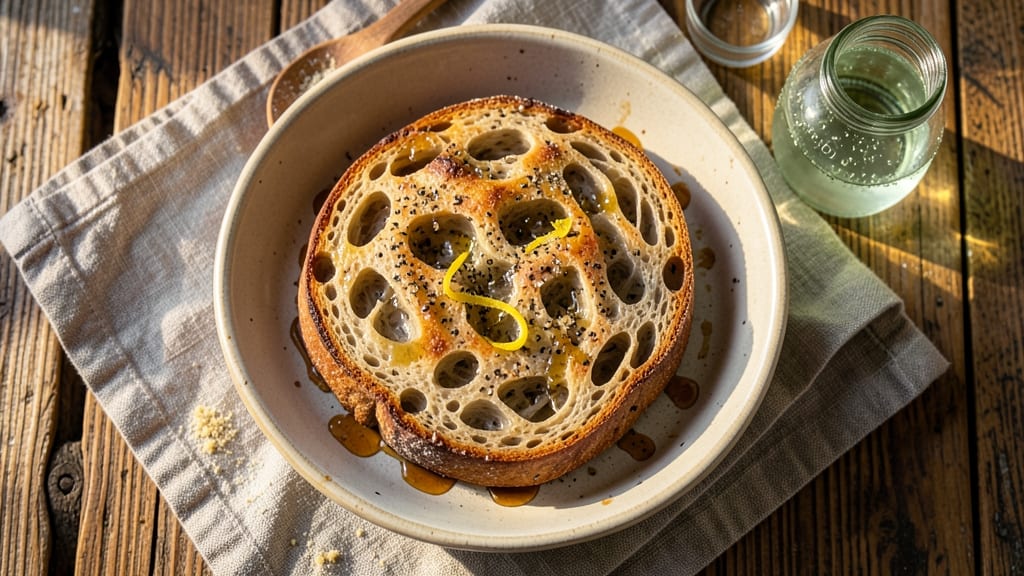
This alkaline spelt bread recipe transforms ordinary baking into a foolproof process that delivers a crispy, tangy crust and airy interior—without relying on yeast. The secret lies in alkaline agents like baking soda or mineral water, which create that signature tang while improving digestibility and texture.
I developed this recipe after struggling with dense spelt breads, and the difference is night-and-day.
What sets this method apart is the effortless rise—no waiting for hours of proofing or dealing with sticky dough. The alkaline environment activates naturally, producing a bread that's lighter, more digestible, and packed with nutty spelt flavor.
Perfect for those with gluten sensitivities or anyone craving artisanal-quality bread without the fuss.
By the time you pull it from the oven, you’ll have a golden-brown loaf with a crisp crust and tender crumb, ideal for toast, sandwiches, or serving alongside soups. The alkaline process also enhances nutrient absorption, making it a healthier choice than traditional breads.
Ready in just 2 hours (including proofing), this recipe proves homemade bread can be both simple and extraordinary.
The beauty of alkaline spelt bread lies in its versatility—use it for toast with avocado, as a base for open-faced sandwiches, or even as a side for hearty meals.
The tangy crust adds depth to every bite, while the soft interior melts in your mouth. Here’s how to bake it perfectly every time.
Ingredients for alkaline spelt bread
Twelve ingredients, one alkaline magic trick for artisanal-quality spelt bread without yeast or fuss.
| Ingredient | Amount | Notes |
|---|---|---|
| Organic Spelt Flour 🌾 | 3 ½ cups | Stone-ground for optimal texture |
| Alkaline Mineral Water 💧 | 1 ½ cups | Sparkling or still preferred |
| Baking Soda 🧂 | 1 tbsp | Pure, unflavored grade |
| Extra-Virgin Olive Oil 🫒 | ½ cup | Cold-pressed for richness |
| White Vinegar 🍶 | 2 tbsp | Distilled for tang |
| Maple Syrup 🍁 | 2 tbsp | Grade B for depth |
| Sea Salt 🧂 | 1 ½ tsp | Fine grain preferred |
| Ground Flaxseed 🌰 | 1 tbsp | For binding, mixed with water |
| Water 💧 | ¼ cup | Room temperature |
| Sesame Seeds 🌻 | 1 tbsp | Toasted for crust texture |
| Poppy Seeds 🌱 | 1 tbsp | Optional for garnish |
| Cornmeal 🌽 | 2 tbsp | For dusting loaf pan |
The spelt flour is non-negotiable for that signature nutty flavor and digestibility. Bob's Red Mill or King Arthur brands deliver consistent results, but any certified organic stone-ground flour works. Mineral water with a pH of 8.5 or higher is ideal—Essentia or Gerolsteiner are reliable choices. For the baking soda, opt for pure, unflavored grade; aluminum-free brands like Bob's Red Mill ensure optimal rise. The alkaline reaction happens when baking soda meets the mineral water, creating that signature tang and light texture without yeast.
No mineral water? Sparkling water with a splash of vinegar mimics the alkaline effect, though results may vary slightly. Substitute maple syrup with agave nectar at equal measure, but expect a milder flavor profile. For the flaxseed binder, ensure it's freshly ground—pre-ground flaxseed loses potency quickly. The sesame and poppy seeds are purely decorative but add beautiful contrast; omit if avoiding seeds entirely. When measuring flour, use the spoon-and-level method for consistency—spelt flour is lighter than all-purpose and compacts easily.
This dough requires no kneading, but it does need a 30-minute rest before shaping to develop gluten strands properly. Store shaped loaves in the fridge for up to 3 days or freeze for 3 months—wrap tightly in plastic and parchment to prevent drying. For reheating, wrap cooled loaves in foil and warm at 300°F for 10 minutes. The crust's crispness peaks within 2 hours of baking, so enjoy it fresh or toast immediately.
Why You'll Love This Recipe
- No-Knead Magic: The alkaline water and baking soda do all the heavy lifting—just mix, rest, and bake. Honestly, I’ve made bread that required more effort than this, and it’s still better.
- Tangy, Nutty Crunch: That white vinegar and olive oil combo gives it a bright, almost sourdough-like tang, while the spelt flour adds a toasty, hearty bite. Between us, it’s the kind of bread that makes store-bought taste bland.
- Meal Prep MVP: Slices perfectly for sandwiches, toasts like a dream, and even holds up when frozen. I keep a loaf in my freezer for those mornings when I’d rather hit snooze than scramble.
- Pocketbook-Friendly Luxury: Organic spelt flour and EVOO might sound fancy, but the recipe uses just enough to stretch ingredients without skimping on flavor. Plus, one batch feeds my family for days—no sad, crusty leftovers here.
Step-by-step instructions for alkaline spelt bread
Transform simple ingredients into a loaf with a crisp crust and tender crumb using this precise method.
Create the Flaxseed Egg and Hydrate the Flour
In a small bowl, combine the 1 tablespoon ground flaxseed with the 0.25 cup water. Stir vigorously and let sit for 5 minutes until it thickens into a gel-like consistency—this acts as our egg substitute. The mixture should resemble raw egg whites in viscosity.
While that thickens, add the 3.5 cups organic spelt flour to a large mixing bowl. Create a well in the center and pour in the 1.5 cups alkaline mineral water, 0.5 cup extra-virgin olive oil, 2 tablespoons white vinegar, 2 tablespoons maple syrup, and 1.5 teaspoons sea salt. The alkaline water helps activate the gluten while creating that signature tangy flavor in the crust.
Develop the Dough and Rest for Optimal Rise
Using a wooden spoon or dough whisk, gradually incorporate the wet ingredients into the flour until a shaggy dough forms. Once the flaxseed egg is ready, add it to the bowl and mix until fully combined. The dough will be sticky—this is normal with spelt flour's higher moisture absorption.
Transfer the dough to a lightly oiled bowl, cover with plastic wrap, and let rest at room temperature for 1 hour. This initial rest period allows the gluten to relax and the ingredients to fully hydrate. You'll notice the dough become slightly more pliable and easier to handle after this time.
Shape and Prepare for Baking
Lightly dust a clean work surface with 2 tablespoons cornmeal and turn out the dough. Gently shape it into a rectangular loaf about 9x5 inches, keeping the edges slightly thicker than the center. Place the shaped dough on a parchment-lined baking sheet and cover loosely with plastic wrap.
Let the dough proof for another 30-45 minutes until it has risen noticeably and springs back slowly when gently pressed. Preheat your oven to 375°F during this final proofing period. The oven should be fully heated and ready when you're ready to bake.
Bake to Golden Perfection
Remove the plastic wrap and score the top of the loaf with a sharp serrated knife, making two parallel cuts about 1/4 inch deep—this helps control expansion and creates a professional-looking finish. Sprinkle the top evenly with 1 tablespoon sesame seeds and 1 tablespoon poppy seeds for texture and visual appeal.
Bake for 45-50 minutes until the internal temperature reaches 205-210°F and the crust is deep golden brown with a crisp texture. The bread should sound hollow when tapped on the bottom. If the top browns too quickly, tent loosely with foil after 30 minutes to prevent over-browning while maintaining moisture.
Cool and Enjoy
Remove the bread from the oven and transfer to a wire rack to cool completely for at least 1 hour. This cooling period is crucial—it allows the internal structure to set properly and prevents a gummy crumb. The bread will continue to develop its flavor as it cools.
Slice with a serrated knife and serve warm or at room temperature. The crust should be crisp with a subtle tang from the alkaline water and vinegar, while the crumb remains tender with a slight chew from the spelt flour. Store any leftovers wrapped in a bread bag at room temperature for up to 3 days or freeze for longer storage.
Pro Tips For Making Alkaline Spelt Bread
- Measure Water Precisely: Spelt flour soaks up liquid like a sponge—use a scale for the alkaline mineral water (aim for 200g, not 200ml) or your dough will be gummy. I learned this the hard way when my first batch turned into a sticky mess that refused to rise properly.
- Whisk Baking Soda First: Dissolve the baking soda in the vinegar before mixing with the flour—this neutralizes it fully and prevents a metallic aftertaste. Skip this, and you’ll notice that weird chemical tang cutting through the bread’s flavor.
- Knead Just Enough: Spelt dough is delicate—work it by hand for 2-3 minutes until it’s smooth but not elastic. Over-kneading develops gluten and makes the bread dense. (Yes, even if it feels underworked at first.)
- Proof at Room Temp: Let the dough rise in a warm spot (75°F/24°C) for 1.5–2 hours—no oven trick needed. Cold slows fermentation, and heat speeds it too much; room temp keeps the flavor balanced and the texture light. (Your future self will thank you for patience.)
Creative variations of this dish
Savory Herb Loaf
Transform this bread into a savory masterpiece by swapping the maple syrup for 2 tablespoons olive oil and adding 2 tablespoons chopped fresh rosemary and 1 tablespoon dried thyme to the dough.
The herbs infuse the crumb with earthy depth, while the oil enhances moisture. Top with coarse sea salt crystals and black sesame seeds before baking for a restaurant-worthy crust. 🌿
Sweet Cinnamon Swirl
For a breakfast-friendly variation, stir 1 tablespoon cinnamon and 1 tablespoon brown sugar into the dough, then roll it into a log. Swirl in 2 tablespoons softened coconut oil mixed with 1 tablespoon maple syrup before shaping.
Bake as directed, then slice into thick rounds for French toast or dessert toast. The cinnamon-sugar swirl adds a delightful sweetness that pairs perfectly with fruit compotes. 🍯
Seed-Enhanced Crust
Boost texture and nutrition by adding ¼ cup pumpkin seeds and ¼ cup sunflower seeds to the dough. Toast the seeds in a dry skillet for 3 minutes until fragrant, then sprinkle them over the top before baking.
The seeds add a satisfying crunch while enhancing the bread's mineral-rich profile. For extra flair, drizzle with 1 tablespoon tahini mixed with 1 teaspoon lemon juice after baking. 🌻
Whole Grain Boost
Replace 1 cup of the spelt flour with 1 cup ground buckwheat flour or 1 cup millet flour for a nutty, heartier loaf. These flours add earthy complexity while improving the bread's protein content.
For best results, use a mix of 2.5 cups spelt flour and 1 cup buckwheat flour. The dough will be slightly denser, so reduce the water by 1 tablespoon to maintain the right consistency. 🌾
Gluten-Free Adaptation
For a gluten-free version, replace the spelt flour with 3 cups gluten-free all-purpose flour blend (like Bob's Red Mill 1-to-1) and add ½ cup ground almond flour for structure. Increase the flaxseed binder to 2 tablespoons ground flaxseed and let it sit for 7 minutes to thicken fully.
The texture will be slightly denser, but the alkaline process still creates that signature tang. Store in an airtight container to maintain freshness. 🌱
Smoky Chipotle Twist
Infuse the dough with smoky depth by adding 1 teaspoon chipotle powder and ½ teaspoon smoked paprika to the dry ingredients. For extra heat, stir 1 tablespoon adobo sauce (from canned chipotles) into the wet ingredients.
Top with crumbled cotija cheese and cilantro leaves before baking. This variation works beautifully as a side for tacos or grilled meats, adding a subtle smokiness that complements spicy dishes. 🔥
Nutrition facts
Frequently asked questions
Why does this recipe use alkaline water instead of yeast?
The alkaline water (pH 8.5+) creates a natural chemical reaction with baking soda that produces carbon dioxide for leavening—just like yeast, but faster! This method eliminates the 2+ hour proofing time while giving that signature tangy crust. The result is a lighter, more digestible bread with improved gluten structure. Plus, it's perfect for those avoiding yeast or gluten concerns.
Can I substitute mineral water with regular water?
You can, but the flavor and texture will differ. Regular water lacks the alkaline pH needed for that signature tang and optimal rise. For best results, use sparkling water with 1 teaspoon baking soda added per cup, or mix ¾ cup regular water + ½ cup white vinegar to mimic the alkaline effect. The crust won't be as crisp, but it'll still work in a pinch!
How do I know when the dough is properly proofed?
Look for two key signs: the dough should have risen by about 25-30% in volume, and when you gently press it, your finger should leave a slow, shallow imprint that doesn't spring back immediately. For spelt dough, this typically takes 30-45 minutes at room temperature. Overproofing is less of a risk with this alkaline method, but don't let it sit longer than 1 hour total before baking.
Why does my crust turn out too thick or too thin?
Crust thickness depends on baking time and moisture. For a crispier crust, bake 5-10 minutes longer at 375°F with the oven rack positioned higher. For a softer crust, reduce time by 5 minutes or tent with foil after 30 minutes. The alkaline water and vinegar create natural moisture—if your kitchen is dry, the crust may crisp faster. Always check internal temp at 205-210°F for perfect doneness.
Can I make this bread without flaxseed?
Yes! Replace the flaxseed with either 1 tablespoon chia seeds + 0.25 cup water (let sit 5 minutes) or 1 tablespoon psyllium husk powder + 0.25 cup water. Both create a gel-like binder. For egg-free binders, you could also use ½ cup unsweetened applesauce (reduces water by 2 tablespoons), though texture will be slightly denser. The alkaline process still works—just adjust hydration based on your binder.