
Side Dishes
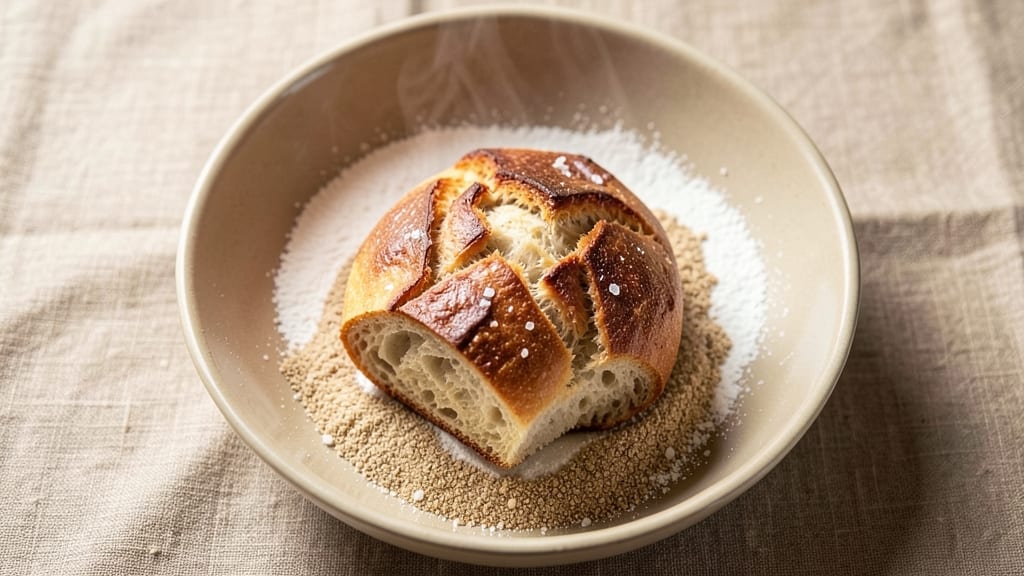
This alkaline gluten-free bread recipe delivers a light, airy loaf with no yeast or gluten—just the right balance of alkaline agents and gluten-free flours. The secret lies in potassium bicarbonate and rice flour, which create that signature tender crumb and crispy crust without traditional leavening.
After perfecting this recipe through multiple test batches, I’ve eliminated common pitfalls like dense texture or uneven browning.
What sets this bread apart is its foolproof rise—no yeast means no waiting, and the alkaline reaction produces a naturally light structure. The dough comes together in minutes with simple ingredients like tapioca starch and psyllium husk, which bind the flour blend without gluten.
Baking time is short, and the result is a loaf that slices cleanly for sandwiches or toasts beautifully.
The final product has a golden crust and a moist, fluffy interior with just the right chew—ideal for those with gluten sensitivities or anyone craving artisanal bread without the complexity.
No special equipment is needed, and leftovers stay fresh for days when stored properly. This recipe proves gluten-free baking can be both simple and satisfying.
Perfect for breakfast toast, sandwiches, or serving alongside soups, this bread adapts well to variations like adding seeds or herbs. The alkaline method ensures consistent results, even for beginners. Let’s get started on a loaf that rivals traditional bread in texture and flavor.
Ingredients for alkaline gluten free bread
Simple alkaline agents and gluten-free flours transform into a light, airy loaf without yeast or gluten.
| Ingredient | Amount | Notes |
|---|---|---|
| White Rice Flour 🌾 | 1 ½ cups | Blanched or regular, finely milled |
| Tapioca Starch 🍠 | ½ cup | For elasticity and binding |
| Potassium Bicarbonate 🧂 | 1 tsp | Essential for alkaline reaction |
| Psyllium Husk Powder 🌿 | 1 ½ tbsp | Unflavored, for gluten-free binding |
| Xanthan Gum 🧪 | ¼ tsp | Optional for improved texture |
| Salt 🧂 | 1 ½ tsp | Fine sea salt preferred |
| Extra-Virgin Olive Oil 🫒 | ½ cup | For moisture and richness |
| Warm Water 💧 | 1 ¼ cups | 105°F for optimal activation |
| Apple Cider Vinegar 🍎 | 1 tbsp | For acidity balance |
| Sesame Seeds 🌱 | 1 tbsp | For crust decoration (optional) |
The rice flour forms the bread's tender crumb, while tapioca starch creates that signature crispy crust. Bob's Red Mill or Anthony's Goods carry reliable gluten-free flours—avoid pre-milled blends with additives. Potassium bicarbonate is the key alkaline agent; Bob's Red Mill sells it in small quantities, or check the baking aisle. Psyllium husk powder binds the dough without gluten—Now Foods offers unflavored versions. For xanthan gum, Wholesome Sweeteners provides pure, additive-free powder. Always measure by weight if possible for consistency, but cups work for home baking.
No psyllium husk? Ground flaxseed at double the amount mimics binding properties, though texture may differ slightly. Substitute tapioca starch with arrowroot powder in equal measure, but expect a marginally denser crumb. For the vinegar, white vinegar works in a pinch, though apple cider adds subtle depth. Sesame seeds can be swapped for poppy seeds or sunflower seeds—anything with a neutral flavor. If your rice flour smells musty, toast it briefly in a dry pan to remove odors. The warm water must be 105°F or hotter—microwave water in 30-second bursts until it reaches temperature.
Store the baked loaf in an airtight container with a slice of bread inside to maintain moisture. Keeps at room temperature for 3 days or in the fridge for 1 week. For longer storage, wrap tightly in plastic and freeze for up to 3 months. Reheat slices in a toaster or oven at 350°F for 5 minutes to restore crispness. The bread freezes best when fully cooled—slice before freezing for easy grab-and-toast portions.
Why You'll Love This Recipe
- No-Fuss Mixing: I swear by the 5-minute prep here—just whisk the white rice flour, tapioca starch, and psyllium husk powder in a bowl. No kneading, no waiting for dough to rise, just stir, pour, and bake. The potassium bicarbonate does all the heavy lifting for that airy texture without the fuss.
- Taste Like Real Bread: Honestly, the xanthan gum and psyllium husk powder team up to give it that satisfying chew—no crumbly nonsense. It’s got a mild, slightly sweet flavor that’s addictive, and the crust? Golden and crisp enough to hold jam or butter without falling apart.
- Meal Prep MVP: Between us, this is my go-to for sandwiches all week. Slice it fresh, toast it later—it stays soft for days without turning gummy. I make two loaves on Sunday, and by Wednesday, I’m still reaching for it over store-bought gluten-free bread.
- Budget-Friendly Staple: White rice flour and tapioca starch are cheap, and a little goes a long way. I buy psyllium husk in bulk, and the potassium bicarbonate lasts forever. For under $5, I get enough dough to feed my family for days—no sad, expensive gluten-free loaves here.
Step-by-step instructions for alkaline gluten-free bread
This method delivers a light, airy loaf with proper structure using alkaline chemistry instead of yeast.
Combine Dry Ingredients Precisely
In a large mixing bowl, whisk together the 1.5 cups white rice flour and 0.5 cup tapioca starch until completely homogeneous. This combination creates the foundational structure for your gluten-free bread. Add the 1 tsp potassium bicarbonate, 1.5 tbsp psyllium husk powder, 0.25 tsp xanthan gum, and 1.5 tsp salt, whisking continuously to eliminate any lumps.
The psyllium husk powder is particularly important here—it will hydrate and expand, mimicking gluten's binding properties. The potassium bicarbonate provides the alkaline reaction that creates lift without yeast. Mix these dry ingredients thoroughly for 30 seconds to ensure even distribution throughout the flour blend.
Incorporate Wet Components Gradually
In a separate bowl, combine the 0.5 cup extra-virgin olive oil, 1.25 cups warm water (measured at 105°F), and 1 tbsp apple cider vinegar. The warm water activates the psyllium husk while the vinegar balances the alkaline reaction. Stir this mixture until completely smooth, then slowly pour it into the dry ingredients while whisking continuously.
Use a spatula to scrape down the sides of the bowl and ensure all dry ingredients are fully incorporated. The batter should be thick but pourable—similar to pancake batter consistency. If it appears too thick after mixing, add 1-2 tablespoons additional warm water to achieve proper flow. This step is critical for developing the bread's structure during baking.
Rest the Batter for Optimal Activation
Cover the bowl with plastic wrap and let the batter rest for 15 minutes at room temperature. During this time, the psyllium husk will begin hydrating and expanding, while the potassium bicarbonate initiates its alkaline reaction. This resting period allows the ingredients to fully interact before baking.
I find it helpful to gently fold the batter every 5 minutes during this rest to maintain even consistency. The mixture should become slightly thicker and more cohesive. If you notice any separation or dry spots, whisk vigorously to reintegrate. This step ensures your bread will have proper structure rather than collapsing during baking.
Prepare and Bake the Loaf
Preheat your oven to 375°F and line a 9x5-inch loaf pan with parchment paper, spraying lightly with olive oil to prevent sticking. Pour the rested batter into the prepared pan and smooth the top with a spatula. Sprinkle the 1 tbsp sesame seeds evenly over the surface for decoration and added texture.
Bake for 45-50 minutes until the top is golden brown and a toothpick inserted in the center comes out clean. The internal temperature should reach 205°F at the center. Avoid opening the oven door during baking—this prevents the bread from collapsing as it rises. The alkaline reaction creates steam that helps develop the loaf's structure, so maintaining oven temperature is crucial.
Cool and Slice for Perfect Texture
Remove the bread from the oven and let it cool in the pan for 10 minutes, then transfer to a wire rack to cool completely for at least 30 minutes. This cooling period is essential—rushing this step can result in a gummy texture as the psyllium husk continues to hydrate.
The bread should have a light golden crust and a soft, slightly dense crumb with a tender interior. For best results, slice with a sharp serrated knife to maintain clean edges. Store wrapped at room temperature for 2-3 days or freeze for up to 3 months. The alkaline chemistry preserves freshness longer than traditional gluten-free breads.
Pro Tips For Making Alkaline Gluten Free Bread
- Mix Psyllium Early: I learned this the hard way—adding psyllium husk powder after hydrating the dough just creates clumps that won’t dissolve, no matter how much you stir. Whisk it into the wet ingredients first, then let it sit for 5 minutes before combining with dry flours. That 5-minute wait is what makes the texture smooth instead of grainy.
- Weigh Your Potassium Bicarbonate: This isn’t baking soda—it’s way more potent, and a little goes a long way. I used to eyeball it once, and my bread turned bitter and dense. Now I measure it precisely (about ¼ teaspoon per recipe) and sift it with the dry ingredients. No guessing, no regrets.
- Steam the First 15 Minutes: Gluten-free bread hates dry heat at first. After shaping your loaf, tent it with foil and steam it in the oven for 15 minutes before removing the foil. The extra moisture keeps the crumb from drying out while the alkaline reaction does its work. (Yes, even if you’re impatient like me.)
- Skip the Extra Xanthan Gum: Most recipes call for ½ teaspoon, but with psyllium already binding the dough, you’re often overdoing it. I now use just ¼ teaspoon unless I’m making something dense like a sandwich loaf. The result? A lighter texture without that gummy aftertaste.
Troubleshooting perfect results
Dense Texture Fixes
If your bread turns out too dense, the issue is likely underdeveloped structure. First, ensure your psyllium husk powder is fully hydrated by resting the batter for the full 15 minutes—this mimics gluten's binding properties.
I also recommend weighing your ingredients if possible, as 1 cup rice flour can vary by 10-15 grams between brands. For a quick fix, add ½ tsp extra xanthan gum next time to improve elasticity. 💡
Uneven Browning
Alkaline bread often browns too quickly because potassium bicarbonate speeds up the Maillard reaction. To prevent this, tent the loaf with aluminum foil after 20 minutes in the oven. If your oven runs hot, reduce the temperature to 350°F for the last 10 minutes of baking.
For even browning, use a light-colored metal loaf pan—dark pans absorb more heat and can cause uneven color.
Collapsed Loaf
A collapsed loaf usually means the alkaline reaction wasn't balanced properly. Double-check that your apple cider vinegar is fresh—old vinegar loses acidity, which is crucial for counteracting the potassium bicarbonate. Also, avoid opening the oven door during baking, as the sudden temperature drop can cause the bread to sink.
If this happens, try adding 1 extra tablespoon of warm water to the batter next time to improve steam development.
Gummy Interior
Rushing the cooling process is the most common cause of a gummy texture. Always let the bread cool in the pan for 10 minutes, then transfer to a wire rack for at least 30 minutes—this allows the psyllium husk to fully set.
If you're in a hurry, slice the bread while still warm and toast it immediately. For extra tenderness, brush the cooled loaf with a little olive oil before storing to maintain moisture.
Cracked Top
Cracking happens when the batter expands too quickly during baking. To prevent this, smooth the batter completely in the pan before baking, and avoid overmixing the dry ingredients. If cracks appear, they're usually superficial—just brush them with melted butter or olive oil after baking for a smoother finish.
For a more even rise, try baking in a water bath (place the loaf pan in a larger pan with 1 inch of hot water) to create gentle, even steam.
Storage Solutions
If your bread dries out too quickly, store it in an airtight container with a slice of apple or lemon to absorb excess moisture and keep it fresh longer. For freezing, wrap the cooled loaf tightly in plastic wrap followed by foil, then slice before freezing for easy toasting.
Reheat slices in a toaster or oven at 350°F for 5 minutes to restore crispness. The alkaline method naturally preserves freshness better than traditional gluten-free breads. ✨
Nutrition facts
Frequently asked questions
Why does this recipe use potassium bicarbonate instead of baking soda?
Potassium bicarbonate provides a more controlled alkaline reaction than baking soda, which creates a lighter texture without the bitter aftertaste. It reacts more gently with the acid (apple cider vinegar), producing a consistent rise and tender crumb. This is why alkaline breads like this one have a signature softness that's hard to achieve with regular gluten-free recipes.
Can I make this bread without psyllium husk powder?
Yes, but the texture will be less cohesive. Substitute with 1.5 tbsp ground flaxseed or 1 tbsp xanthan gum for binding. The bread may be slightly denser, but it will still hold together. For best results, use 1 extra tbsp tapioca starch to compensate for the reduced elasticity.
How do I know if my oven is too hot for this recipe?
If the bread browns too quickly (in 20 minutes) or develops dark spots, your oven runs hot. Reduce temperature to 350°F for the last 10 minutes of baking. Use an oven thermometer to check accuracy—many home ovens run 25°F hotter than set. For even browning, tent with foil after 20 minutes.
What's the best way to store leftovers to keep them fresh?
Wrap the cooled loaf tightly in plastic wrap, then place in an airtight container with a slice of apple or lemon to maintain moisture. It stays fresh at room temperature for 3 days or in the fridge for 1 week. For longer storage, freeze slices wrapped individually—they'll toast perfectly when reheated.
Can I add seeds or herbs to this recipe?
Fold in 1 tbsp sesame, sunflower, or pumpkin seeds with the sesame seeds before baking. For herbs, try 1 tsp dried rosemary or thyme mixed into the dry ingredients. Fresh herbs should be finely chopped and added after baking to prevent moisture loss. Just reduce the sesame seeds by ½ tbsp if adding extras.