
Side Dishes
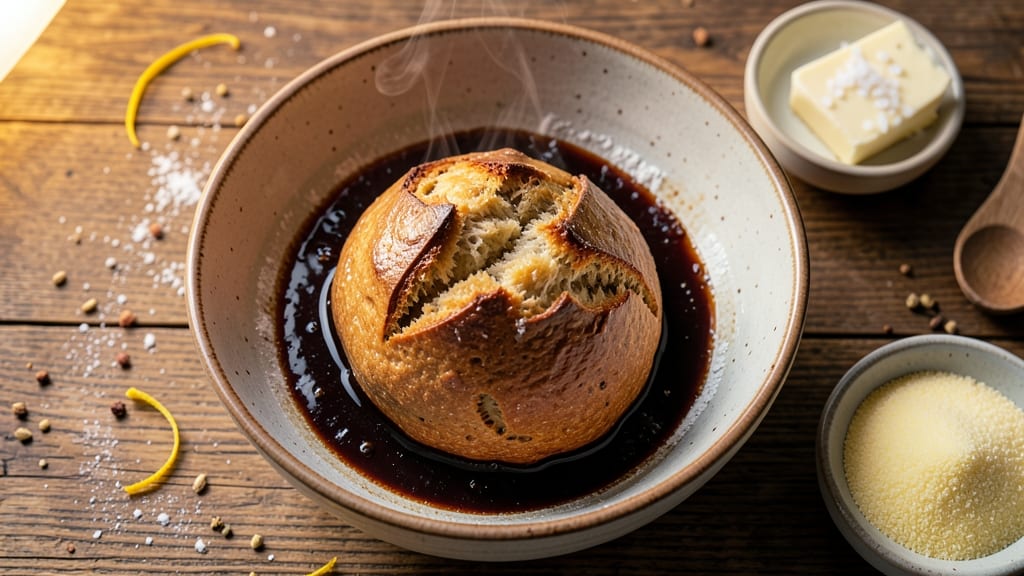
This ale bread recipe transforms simple ingredients into a loaf with a sourdough-inspired crust and tangy depth that pairs perfectly with soups or stews. The key lies in fermenting ale into the dough, creating a subtle malt sweetness that enhances every bite.
I developed this recipe after years of experimenting with traditional sourdough techniques, but without the need for a starter—just a few pantry staples and patience.
The process begins with a simple dough that incorporates ale for moisture and flavor, then relies on yeast for a reliable rise. Unlike traditional sourdough, this method delivers consistent results every time, with a crispy crust and soft, airy interior.
The ale’s natural sugars caramelize during baking, adding a subtle complexity that elevates even the simplest meals.
What makes this recipe stand out is its versatility—serve it warm with butter, toast it for breakfast, or use it as a base for sandwiches.
The tangy depth from the ale fermentation creates a flavor profile that’s both comforting and sophisticated, perfect for those who appreciate artisanal bread without the complexity.
Ready in about 2 hours (including proofing), this ale bread requires minimal effort but delivers restaurant-quality results. Whether you're a seasoned baker or just starting out, this recipe simplifies the process while maintaining the depth of flavor that makes homemade bread worth the time.
Ingredients for ale bread
Simple pantry staples meet ale's fermented depth for a bread with sourdough-inspired character and crispy crust.
| Ingredient | Amount | Notes |
|---|---|---|
| Dark Ale Beer 🍺 | 1 cup | Room-temperature, malt-forward variety preferred |
| All-Purpose Flour 🌾 | 4 cups | High-protein for structure, sifted for aeration |
| Instant Yeast 🍞 | 2 ¼ tsp | Active dry yeast works at 1.5x amount |
| Granulated Sugar 🍚 | ½ cup | Caramelizes for crust development |
| Unsalted Butter 🧈 | ½ cup | Cold, cubed for even distribution |
| Diamond Crystal Kosher Salt 🧂 | 1 ½ tsp | Adjusts for ale's inherent saltiness |
| Cornmeal 🌽 | ¼ cup | For dusting and crisp crust |
| Large Egg 🥚 | 1 whole | Room temperature for even mixing |
| Extra-Virgin Olive Oil 🫒 | 2 tbsp | For dough enrichment |
| Ice Water 💧 | ½ cup | Adjusts dough consistency |
| Honey 🍯 | 1 tbsp | Enhances ale's malt sweetness |
| Malt Powder 🌾 | 1 tsp | Optional for intensified flavor |
The ale is the flavor foundation—opt for a malt-forward dark ale like Guinness or Samuel Smith's Nut Brown Ale, which provide the deepest caramel notes. Local craft breweries often offer excellent small-batch options at lower prices than imports. If using a lighter ale, add an extra 1/2 teaspoon of malt powder to compensate for the reduced malt complexity. Always use room-temperature ale to prevent shocking the yeast during mixing. For optimal results, ferment the ale for 12-24 hours before incorporating into the dough to develop its flavor profile fully.
No dark ale? Substitute with equal parts stout and amber ale for depth, or use 1 cup of malt vinegar plus 1/4 cup molasses as a non-alcoholic alternative. The malt powder can be omitted entirely if unavailable, though it enhances the bread's complexity. For gluten-free adaptation, replace flour with a 1:1 gluten-free bread flour blend, though texture will differ. The honey can be swapped for maple syrup at a 1:1 ratio, though it may slightly alter the caramelization during baking. Always sift the flour thoroughly to prevent dense pockets in the final loaf.
Store the ale for up to 24 hours at room temperature before use, though it's best incorporated fresh. Prepared dough can be refrigerated for up to 24 hours for improved flavor development, though it requires additional proofing time. The baked loaf stays fresh for 3-4 days at room temperature when wrapped in a clean kitchen towel. For longer storage, slice and freeze portions for up to 3 months—reheat in a 350°F oven for 5-10 minutes to restore crispness. Toasting slices revitalizes stale bread perfectly.
Why You'll Love This Recipe
- No-Knead Magic: I swear by this trick—just mix the beer, flour, and yeast, let it rise while you watch a show. That dark ale gives it a deep, malty richness without any fuss, and the butter makes it irresistibly tender.
- Rich Without Effort: The beer’s caramel and roasted notes sneak into every bite, but honestly? It tastes like you slaved over it. The sugar balances the bitterness, and that melted butter crust? Pure satisfaction with zero extra work.
- Game for Any Meal: Slice it fresh for breakfast toast, pack it for lunch, or serve it warm with dinner—it’s my go-to for sandwiches, charcuterie boards, or even a quick grilled cheese. (Yes, even on a Tuesday night.)
- Budget-Friendly Staple: A loaf costs pennies to make but feels like a treat. It keeps well for days, freezes perfectly, and turns cheap beer into something special. My wallet and taste buds thank me every time.
Step-by-step instructions for ale bread with tangy depth
Ale bread delivers a perfect balance of crisp crust and tender crumb, thanks to the beer's natural sugars and gluten structure.
Activate the Yeast and Prepare the Dough Base
In a large bowl, whisk together the 1 cup dark ale beer, 2.25 teaspoons instant yeast, 1 tablespoon honey, and 1 teaspoon malt powder. Let this mixture sit for 5 minutes until it becomes frothy and develops a light, airy texture. This activation step ensures your yeast is ready to work and enhances the malt flavors throughout the bread.
In a separate bowl, combine the 4 cups all-purpose flour and 1.5 teaspoons Diamond Crystal kosher salt. Sift the mixture gently to aerate the flour, which helps create a lighter crumb. Add the 0.5 cup granulated sugar to the dry ingredients and whisk to distribute evenly. The sugar will caramelize during baking, contributing to the bread's golden crust and subtle sweetness.
Incorporate Wet Ingredients and Develop the Dough
To the yeast mixture, add the 1 whole large egg, 2 tablespoons extra-virgin olive oil, and the 0.5 cup unsalted butter (cubed and cold). Mix these ingredients until the butter begins to emulsify, creating a smooth, creamy base. The cold butter will create pockets of steam during baking, resulting in a tender crumb.
Gradually add the dry flour mixture to the wet ingredients, mixing with a wooden spoon or dough whisk until a shaggy dough forms. The dough will be sticky at this stage, which is normal due to the beer's moisture content. Once combined, sprinkle 0.25 cup cornmeal onto a clean work surface and turn the dough onto it. The cornmeal prevents sticking and adds a subtle crunch to the crust.
Knead and Rest the Dough for Optimal Texture
Using your hands, knead the dough for 8-10 minutes until it becomes smooth and elastic. You'll know it's ready when it springs back slowly when poked. The beer dough is more delicate than traditional bread dough, so avoid over-kneading, which can develop too much gluten and make the bread dense. If the dough feels too sticky, wet your hands slightly to prevent tearing.
Shape the dough into a round loaf and place it in a lightly greased bowl. Cover the bowl with a damp towel and let the dough rise in a warm place for 1-2 hours, or until it has doubled in size. The beer's natural carbonation accelerates fermentation, so monitor the dough closely. It should feel light and airy when pressed gently with a fingertip.
Shape and Proof the Loaf for Crisp Crust
Preheat your oven to 375°F and place a baking stone or inverted baking sheet on the middle rack. This ensures even heat distribution for a crisp crust. Shape the risen dough into an oval loaf on a parchment-lined baking sheet, seam-side down. Brush the top generously with a mixture of 0.5 cup ice water and 1 tablespoon honey to create a glossy, caramelized crust.
Let the loaf proof for an additional 30-45 minutes until it has risen slightly and feels firm to the touch. The proofing step is crucial for developing the bread's structure and ensuring a light, airy crumb. Once proofed, score the top of the loaf in a decorative pattern using a sharp knife. This allows the bread to expand evenly during baking and adds a professional touch.
Bake to Golden Perfection and Develop Tangy Depth
Bake the loaf for 35-40 minutes until the crust is deep golden brown and the internal temperature reaches 190°F. The beer's sugars will caramelize, creating a rich, tangy flavor that pairs beautifully with the tender crumb. If the crust browns too quickly, tent the loaf with foil to prevent over-browning while ensuring it cooks through.
Remove the bread from the oven and let it cool on a wire rack for at least 30 minutes before slicing. This resting period allows the gluten to relax and the crumb to set, preventing a gummy texture. The bread will continue to develop its full flavor as it cools, making the wait well worth it. Serve warm with butter or your favorite spread to enjoy the perfect balance of crisp, tangy crust and soft, flavorful interior.
Pro Tips For Making Ale Bread
- Use Lukewarm Beer: I learned this the hard way—cold beer kills yeast faster than a bad hangover. Warm your dark ale to about 85°F (30°C) before mixing; it’ll wake up your yeast and give you a proper rise instead of a sad, flat loaf.
- Weigh Your Flour: That "1 cup" on your measuring cup is lying to you. Dark ale bread thrives on precision—weigh your all-purpose flour (about 350g for a standard recipe) instead of scooping. Too much flour = dense, dry bread. Too little = sticky chaos.
- Don’t Over-Knead: This isn’t pizza dough. After the initial 5 minutes of mixing, stop when the dough clings just slightly to your fingers—no need to work it into submission. Over-kneading develops gluten, making your ale bread tough instead of tender and chewy.
- Rest the Dough Twice: First, let it rise until doubled (about 1–1.5 hours). Then, after shaping, give it a second 20-minute rest before baking. This relaxes the gluten, so your loaf holds its shape instead of collapsing like a deflated balloon. (Yes, even if you’re impatient like me.)
Common mistakes when making this dish
Overproofing Risks
The beer's natural carbonation makes ale bread dough rise faster than traditional doughs, but this doesn't mean you should rush the process. Overproofing—leaving the dough to rise beyond its peak—will collapse the gluten structure, resulting in a dense, flat loaf with poor texture.
I've seen this happen when dough sits too long in a warm kitchen or when proofing times are misjudged. Always check for readiness by gently pressing your fingertip into the dough: if it springs back slowly but leaves a slight indentation, it's ready.
If it springs back immediately, give it more time. If it doesn't spring back at all, you've gone too far. 🌡️
Skipping the Yeast Activation
Many home bakers overlook the critical 5-minute yeast activation step where you mix the ale, yeast, honey, and malt powder. This step ensures your yeast is active and ready to work, which is especially important with ale bread because the beer's alcohol content can inhibit yeast performance.
I've had doughs fail to rise properly when I skipped this step, resulting in a flat, flavorless loaf. Always let the mixture become frothy and develop small bubbles before proceeding—this tells you the yeast is alive and ready to leaven your dough.
Incorrect Ale Temperature
Using cold ale straight from the fridge can shock the yeast and slow down fermentation, while room-temperature ale works best. I once used a chilled ale and ended up with a dough that took nearly double the time to rise.
Always let your ale sit at room temperature for at least 30 minutes before mixing it with the yeast. If you're in a hurry, place the bottle in warm water for 10 minutes to bring it to the ideal temperature.
The goal is to have the ale between 68-72°F when mixed with yeast.
Under-Kneading the Dough
Ale bread dough is stickier and more delicate than traditional doughs, but that doesn't mean you should skip kneading entirely. While beer dough doesn't require as much development as wheat bread, under-kneading can lead to uneven texture and poor structure.
I recommend kneading for 8-10 minutes by hand until the dough becomes smooth and elastic. If you're using a stand mixer, use the dough hook attachment on low speed for 4-5 minutes—overmixing can develop too much gluten and make the bread dense.
The dough should feel slightly tacky but hold its shape when poked.
Improper Scoring Technique
Scoring your ale bread isn't just about aesthetics—it's a functional step that helps the loaf expand properly during baking. A shallow, confident cut (about 1/4-inch deep) allows the bread to rise evenly and prevents it from cracking unpredictably.
I've seen loaves split open in awkward places when scored too deeply or at the wrong angle. Use a sharp, serrated knife and make a single, confident cut down the center of the loaf before baking.
For decorative patterns, keep cuts shallow and precise to maintain structural integrity while adding visual appeal. 💡
Baking Without a Stone
While you can bake ale bread without a baking stone, doing so often results in uneven heat distribution and a less crisp crust. The stone helps create steam, which is crucial for developing that perfect oven spring and crisp exterior.
If you don't have a baking stone, place an inverted baking sheet on the middle rack while preheating the oven. For even better results, spray the stone or baking sheet with water just before baking to create additional steam.
This mimics the effect of a professional bread oven and makes all the difference in achieving that artisanal crust. Without it, you might end up with a softer, less flavorful loaf.
Nutrition facts
Frequently asked questions
Can I use any beer for ale bread?
A malt-forward dark ale like Guinness or Samuel Smith's Nut Brown Ale works best, as their rich flavors enhance the bread's depth. For lighter beers, add 1/2 teaspoon extra malt powder to compensate. Avoid hoppy IPAs—they can make the bread taste bitter.
Why does my ale bread turn out dense?
Overproofing or under-kneading usually causes this. The beer's carbonation makes dough rise faster, so check readiness by pressing your fingertip—it should leave a slight indentation. Knead for 8-10 minutes by hand until smooth but not tough. If the dough feels sticky, wet your hands slightly.
How do I store ale bread to keep it fresh?
Wrap the cooled loaf in a clean kitchen towel and store at room temperature for 3-4 days. For longer storage, slice and freeze portions for up to 3 months. To revive, reheat slices in a 350°F oven for 5-10 minutes or toast in a pan. The crust stays crispy best when reheated.
Can I make ale bread without a baking stone?
Yes! Place an inverted baking sheet on the middle rack while preheating. For better results, spray it with water before baking to create steam. Without a stone, the crust may be slightly softer, but the bread will still have great flavor. A 375°F oven works perfectly for this method.
What if my ale bread doesn't rise?
Check your yeast first—it may be expired or inactive. Always activate yeast with warm ale (68-72°F) and let it foam for 5 minutes before mixing. Cold ale can shock yeast, while warm ale works best. If using active dry yeast, increase to 1.5 teaspoons and dissolve it in warm water first.