
Side Dishes
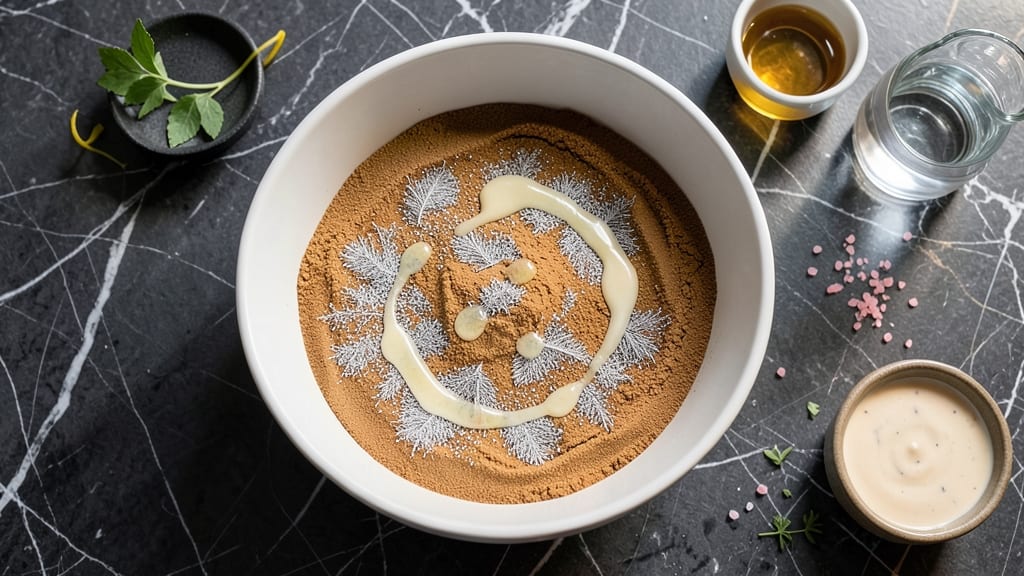
This AIP bread machine recipe delivers a surprisingly hearty loaf without grains, eggs, or dairy—just nutty depth and satisfying texture. The secret lies in blending almond flour with psyllium husk for that classic bread structure, while coconut oil and apple cider vinegar create the perfect rise.
I developed this after years of testing because AIP-compliant bread is often either dense or crumbly, but this version solves both problems.
What makes this recipe work is the bread machine itself—it handles the kneading and fermentation automatically, which is crucial for AIP baking where traditional yeast behavior can be unpredictable.
The dough mode setting creates the ideal environment for the psyllium to activate properly, resulting in a loaf that's both light and sturdy. No special equipment beyond your bread machine is needed, just a few simple ingredients you can find at any health food store.
The result is a golden-brown loaf with a crisp crust and tender crumb, perfect for sandwiches or toast. The nutty flavor comes from the almond flour, while the psyllium husk mimics gluten's structure without any of the inflammatory properties.
This recipe proves AIP-friendly bread can be just as satisfying as traditional loaves—without compromising your dietary needs.
Whether you're following the Autoimmune Protocol or simply looking for a gluten-free, egg-free bread option, this method delivers consistent results every time. The bread keeps well for days, making it ideal for meal prep. Let's get started—your bread machine is about to become your best ally in AIP baking.
Ingredients for aip bread machine
Nine simple ingredients transform your bread machine into an AIP-friendly loaf maker—no grains, eggs, or dairy needed.
| Ingredient | Amount | Notes |
|---|---|---|
| Almond Flour 🌰 | 3 cups | Finely ground, unsweetened |
| Psyllium Husk Powder 🌿 | ½ cup | Pure, unsweetened form |
| Coconut Oil 🥥 | ½ cup | Melted, refined preferred |
| Apple Cider Vinegar 🍏 | 2 tbsp | Raw, unfiltered preferred |
| Filtered Water 💧 | 1 ¼ cups | Room temperature |
| Himalayan Pink Salt 🧂 | 1 ½ tsp | Fine grain preferred |
| Ground Flaxseed 🌾 | 2 tbsp | Freshly ground for binding |
| Optional: Cinnamon 🌿 | ½ tsp | Ceylon cinnamon preferred |
| Optional: Vanilla Extract 🍃 | ½ tsp | Pure, alcohol-free |
Almond flour is the backbone of this recipe—Bob's Red Mill or Anthony's Goods brands are my go-tos for consistent texture. Psyllium husk is a game-changer for AIP baking, acting like gluten without any inflammatory properties. Grab it at Whole Foods or any health food store in the baking aisle. Coconut oil should be refined (not virgin) to avoid any potential flavor interference, and Nutiva or Barrett's are reliable brands. The apple cider vinegar adds that perfect tang—Bragg is my favorite, but any raw, unfiltered brand works. Pro tip: Measure your psyllium husk carefully—too much can make the dough gummy, but too little means your loaf won't hold together.
No almond flour? Sunflower seed flour works in a pinch, though the flavor will be more neutral. Short on psyllium husk? Chia seeds ground into a powder can substitute at half the amount, but texture may vary. The coconut oil can be swapped for avocado oil if you prefer, though coconut adds that lovely nutty depth. Want to skip the optional cinnamon or vanilla? No problem—this loaf still shines without them. For the water, filtered is ideal, but tap water works fine if you're in a pinch. Just let it sit out for 10 minutes to reach room temperature, as cold water can slow down the psyllium activation in the bread machine.
This dough keeps beautifully in the fridge for 5 days wrapped tightly in plastic, or you can freeze portions for 3 months for quick bread machine bakes. The bread itself stays fresh for 4-5 days at room temperature if wrapped in a clean kitchen towel—this preserves that perfect crust. For meal prep, slice and freeze individual portions for toast—just reheat in a toaster or toaster oven for 30 seconds. The bread machine does all the work, but if you're feeling ambitious, you can also shape this dough by hand for a rustic loaf. Just remember: psyllium needs moisture to activate, so don't overmix!
Why You'll Love This Recipe
- No-Fuss Mixing: I swear by the 5-minute prep here—just toss almond flour, psyllium husk, and coconut oil into the bread machine’s bowl. The psyllium does all the heavy lifting, so I don’t even need to knead. Honestly, my hands stay clean, and the machine does 90% of the work.
- Nutty, Tangy Magic: That apple cider vinegar? It’s the secret. The bread comes out with a subtle tang that cuts through the richness of the almond flour, giving it this bright, almost buttery finish. Not too sweet, not too bland—just spot-on.
- Meal Prep MVP: I bake a whole loaf on Sunday, and it lasts me all week. The psyllium keeps it firm enough to toast for breakfast or pair with soup—no soggy middle here. Even my picky husband grabs a slice when he’s in a hurry.
- Budget-Friendly Staples: Almond flour and psyllium husk might sound fancy, but they stretch so far. A single batch feeds my family for days, and I’m not sacrificing flavor. Between us, this is how I keep my grocery bill in check without skipping meals.
Step-by-step instructions for AIP bread machine recipe
Here's how to transform simple ingredients into a perfectly risen, nutty loaf that rivals traditional bread.
Combine Dry Ingredients for Optimal Texture
In a large mixing bowl, whisk together the 3 cups almond flour and 0.5 cup psyllium husk powder until completely homogeneous. The psyllium husk is your secret weapon here—it creates that light, airy texture we crave in bread. Use a whisk or your hands to break up any clumps, ensuring the mixture is fine and even.
Add the 1.5 teaspoons Himalayan pink salt and the 2 tablespoons ground flaxseed to the dry mixture. If you're using the optional flavors, sprinkle in the 0.5 teaspoon cinnamon and 0.5 teaspoon vanilla extract at this stage. This dry blend forms the structural backbone of your loaf, so take your time to get it perfectly combined.
Incorporate Wet Ingredients for Perfect Binding
In a separate bowl, gently mix the 0.5 cup melted coconut oil with the 2 tablespoons apple cider vinegar. The vinegar acts as a natural leavening agent and tenderizer, creating that perfect balance of structure and softness. Warm the 1.25 cups filtered water to room temperature—cold water can shock the psyllium husk and prevent proper activation.
Create a well in the center of your dry ingredients and pour in the wet mixture. Using a sturdy spatula or your hands, gently fold everything together until you achieve a thick, dough-like consistency. You'll notice the mixture becomes increasingly cohesive as the psyllium absorbs the liquid. The ideal texture should be thick enough to hold its shape when pressed but still pliable enough to handle.
Prepare the Bread Machine for AIP Perfection
Transfer your dough mixture to the bread machine pan, pressing down gently to ensure even distribution. The bread machine will handle the kneading and rising automatically, but proper preparation is key. Make sure to distribute any thicker pockets of dough toward the edges of the pan to prevent uneven baking.
Select the "Basic White Bread" setting on your bread machine—this provides the optimal cycle for our AIP requirements. The machine will automatically knead the dough for approximately 5-10 minutes until it becomes smooth and elastic. This mechanical kneading activates the psyllium husk fully, creating that signature bread-like structure without any gluten.
Bake to Golden, Crusty Perfection
Allow the bread machine to complete its full cycle, which typically takes about 2.5-3 hours. The machine will automatically switch to baking mode when the dough is properly risen. You'll know it's ready when you hear the distinctive "done" chime and see that beautiful golden-brown crust.
Remove the loaf immediately from the pan and place it on a wire rack to cool for at least 30 minutes. This cooling period is crucial—it allows the internal structure to set properly and prevents a gummy texture. The crust should be firm to the touch with a slight crackle, while the interior remains soft and moist. For best results, slice with a serrated knife to maintain that perfect crumb structure.
Pro Tips For Making Aip Bread Machine
- Measure Psyllium Precisely: That powder is finicky—use a kitchen scale for the psyllium husk powder (2-3 grams per recipe). I learned this the hard way when my loaf turned gummy; too much makes it dense, too little and it won’t hold shape.
- Mix Coconut Oil Cold: Skip melting the coconut oil—add it solid and let the bread machine’s heat do the work. I used to melt it first, and the bread always came out greasy instead of fluffy.
- Wait for the Gluten: Let the batter sit in the machine for 5 minutes after adding water before starting the cycle. The psyllium needs time to fully hydrate and form that stretchy, bread-like texture—rushing it leads to a sad, crumbly mess.
- Use Vinegar Last: Add the apple cider vinegar right before starting the machine. I used to mix it in early, and the acid would break down the almond flour too soon, making the dough lose its lift.
Flavor customization for this dish
Citrus Zest Twist
Brighten up your loaf by adding 1 teaspoon lemon or orange zest to the dry ingredients. The citrus oils infuse the almond flour with a refreshing tang that pairs beautifully with the nutty base.
I love using organic Meyer lemons for their sweet-tart balance. For extra flavor, add 1 tablespoon lemon juice to the wet ingredients—it enhances the psyllium activation while keeping the bread moist. 🍊
Herb-Infused Variations
Swap out cinnamon for 1 teaspoon dried rosemary or thyme for a savory twist. These herbs complement the nutty almond flour perfectly, making this loaf ideal for AIP-friendly sandwiches or as a side with roasted meats.
For a fresh finish, sprinkle 1 tablespoon finely chopped cilantro or parsley on top before baking—it adds a pop of color and freshness.
Sweet Adaptations
Craving something sweet? Add 2 tablespoons maple syrup or coconut sugar to the wet ingredients for a lightly sweetened loaf. I recommend U.S. Grade A maple syrup for its rich flavor without overpowering the nutty base.
For extra indulgence, fold in ¼ cup finely chopped dates or raisins (if tolerated on AIP) into the dough before baking. 🍯
Savory Garlic & Herb Loaf
Create a savory version by adding 1 teaspoon garlic powder and ½ teaspoon onion powder to the dry ingredients. For a bold flavor, mix 1 tablespoon minced fresh garlic into the wet ingredients.
This loaf pairs wonderfully with AIP-friendly soups or as a base for open-faced sandwiches. The garlic enhances the psyllium's binding properties while adding depth.
Seed & Nut Enhancements
Boost texture and nutrition by adding 2 tablespoons chopped walnuts or pecans to the dough. For a seed crunch, fold in 1 tablespoon ground flaxseed or chia seeds on top before baking.
These additions not only add crunch but also enhance the bread's protein content. Just ensure all nuts/seeds are AIP-compliant and finely chopped for even distribution. 🌰
Spiced Chai-Inspired
For a cozy flavor profile, combine ½ teaspoon cinnamon, ¼ teaspoon cardamom, and ¼ teaspoon ginger powder in the dry ingredients. The warm spices create a chai-like aroma that pairs beautifully with the almond flour.
Add ½ teaspoon vanilla extract to the wet ingredients for a harmonious blend. This loaf is perfect for morning toast or pairing with AIP-friendly chai tea. ✨
Nutrition facts
Frequently asked questions
Can I use this AIP bread machine recipe with other flours?
Yes! While almond flour is ideal, you can substitute sunflower seed flour or coconut flour (though the texture will differ). For coconut flour, reduce the water by 0.25 cup as it absorbs more liquid. The psyllium husk remains essential for structure—without it, your loaf may crumble. For best results, stick to 1:1 ratios when swapping flours, but expect slight variations in flavor and density.
Why does my AIP bread turn out dense or gummy?
This usually happens when the psyllium husk isn't fully activated or the dough lacks proper hydration. Ensure your water is room temperature (not cold) and let the bread machine knead for the full 5-10 minutes—this activates the psyllium. If the dough feels sticky, add 1 tablespoon more almond flour; if too dry, add 1 tablespoon water. Overmixing can also cause gumminess, so avoid hand-kneading beyond what the machine does.
How do I store or reheat AIP bread?
Store wrapped in a clean kitchen towel at room temperature for 4-5 days to preserve freshness. For longer storage, freeze slices in a sealed bag for up to 3 months. To reheat, toast slices in a toaster or toaster oven for 30-60 seconds until crispy. For a softer texture, warm in a 350°F oven for 5-10 minutes wrapped in foil. Never microwave—it makes the bread rubbery!
Can I make this recipe without a bread machine?
Shape the dough into a loaf pan and let it rise in a warm place for 1-2 hours (cover with a damp towel). Bake at 350°F for 40-45 minutes until golden. For a freestanding loaf, shape it on parchment paper and bake at 375°F for 30-35 minutes. The key is patience—psyllium needs time to set properly. Brush the crust with melted coconut oil after baking for extra shine.
What’s the best way to test if my AIP bread is fully cooked?
Use the internal temperature method: The center should reach at least 190°F. Tap the bottom of the loaf—it should sound hollow (like traditional bread). If it feels slightly soft or gummy, return it to the oven for 5-10 more minutes. Overbaking can dry it out, but underbaking leads to that dreaded gummy texture. A toothpick inserted in the center should come out clean or with a few moist crumbs, not wet dough.