
Side Dishes
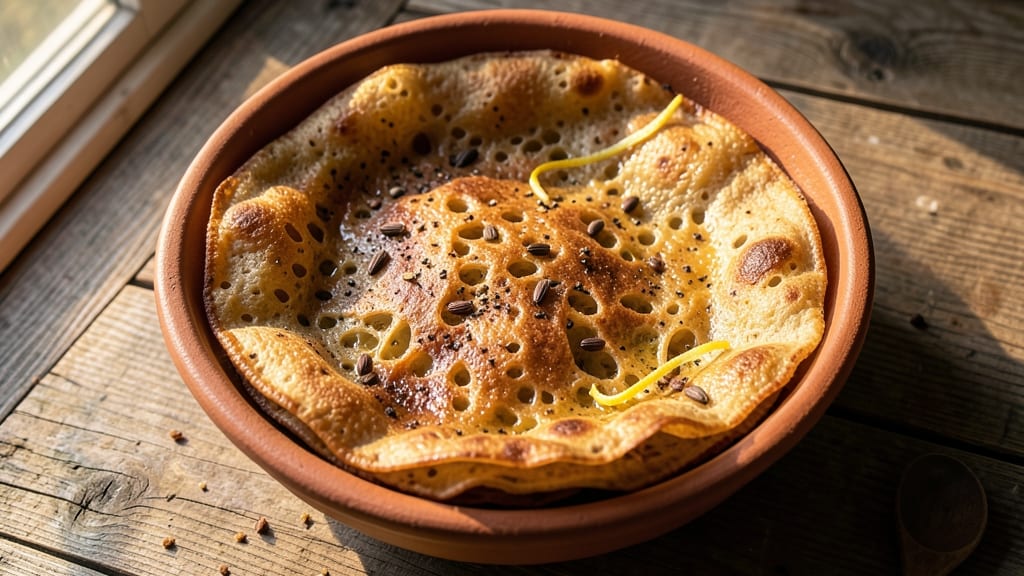
This African fried bread recipe delivers crispy, golden bites that pair perfectly with stews, curries, or as a standalone snack. The secret lies in the dough—either traditional teff flour or wheat flour, spiced with cardamom and ginger for warmth.
I’ve perfected the frying technique to ensure a crunchy exterior and soft, pillowy center every time, just like the bread served in Ethiopian and Eritrean homes.
The dough is simple but transformative: flour, yeast, water, and a pinch of salt come together to form a smooth batter. The spices—cardamom and ginger—infuse the bread with an aromatic depth that complements rich, spiced dishes.
Frying in small batches ensures even cooking, so each piece emerges perfectly golden and irresistibly crispy.
What makes this recipe special is its versatility. Serve it alongside doro wat, shredded for salads, or as a snack with spiced tea. The dough can be made ahead, and the bread reheats beautifully, making it ideal for meal prep.
Whether you’re hosting a feast or craving a taste of home, these golden bites will elevate any table.
The key to success? Patience in frying and a light touch when shaping the dough. Once you master this technique, you’ll have a foolproof method for crispy, flavorful bread that’s as satisfying to make as it is to eat. Let’s get started!
Ingredients for african fried bread
Simple flour, yeast, and spices transform into golden, crispy Ethiopian bread bites.
| Ingredient | Amount | Notes |
|---|---|---|
| Teff Flour 🌾 | 1 ½ cups | Traditional Ethiopian flour for authentic flavor |
| All-Purpose Flour 🌾 | 1 ½ cups | Substitute for teff if unavailable |
| Active Dry Yeast 🍞 | ¼ oz | Or 2 1/4 tsp (1 packet) |
| Granulated Sugar 🍚 | 1 tbsp | Feeds yeast for activation |
| Warm Water 💧 | 1 cup | 110-115°F for yeast activation |
| Ground Cardamom 🌿 | ½ tsp | Freshly ground for best aroma |
| Ground Ginger 🍃 | ½ tsp | Freshly grated preferred |
| Salt 🧂 | ½ tsp | Kosher or sea salt preferred |
| Vegetable Oil 🫒 | 3 cups | High smoke point for frying |
| Sesame Seeds 🌰 | 2 tbsp | Optional for garnish |
Teff flour gives this bread its signature nutty flavor and earthy depth—Bob's Red Mill or Ethiopian markets carry the best quality. If you can't find teff, all-purpose flour works perfectly (just expect a slightly milder taste). The yeast needs to be fresh—check the date on the package. For cardamom and ginger, spice markets often have freshly ground options that make all the difference. Store your spices in airtight containers away from light to preserve their potency.
No cardamom? Allspice at half the amount gives a similar warmth, though not identical. Ginger too strong? Swap for ground cinnamon at one-third the quantity. The dough should be smooth but slightly tacky—add a splash more warm water if it's too stiff. For frying, vegetable or canola oil works best (avoid olive oil—it burns too easily). If you're making a big batch, keep the dough covered in a bowl while you fry to prevent drying out. The sesame seeds are optional but add that perfect crunchy finish that everyone loves.
Dough keeps in the fridge for 24 hours wrapped tightly in plastic. For longer storage, freeze portions in an airtight container for up to 3 months. When reheating, warm in a 350°F oven for 5-10 minutes until crispy again. These bread bites freeze beautifully too—just fry from frozen and add an extra minute to ensure they're fully cooked through. The oil can be reused for 2-3 batches if you strain and store it properly between uses.
Why You'll Love This Recipe
- No Yeast Drama: I swear by this dough—it’s actually forgiving. The teff flour gives it a slight earthiness, but the yeast still rises reliably even if my kitchen isn’t perfectly warm. (Between us, I’ve made it in a chilly garage once. It worked.)
- Crispy-Gold Magic: That first bite? The outside shatters into perfect little flakes while the inside stays soft—thanks to the teff’s natural density and the sugar’s caramelization in the fryer. Honestly, it’s the kind of texture that makes you close your eyes.
- Breakfast to Brunch: Slather it with honey and peanut butter for a quick breakfast, or tear it into chunks for a hearty stew side. I’ve even used it as a base for a fried chicken sandwich—works every time. (Yes, even on a Tuesday night.)
- Budget-Friendly Staple: Teff flour might sound fancy, but a little goes a long way, and the rest is basic pantry stuff. A single batch feeds four, and leftovers reheat beautifully in a toaster or skillet. My wallet and my taste buds thank me.
Step-by-step instructions for African fried bread
Here's the method for achieving perfectly crispy, golden fried bread with aromatic spices.
Activate the Yeast for Perfect Rise
In a small bowl, combine the 1 cup warm water (between 110-115°F) with the 1 tablespoon granulated sugar and 0.25 oz active dry yeast. Let it sit for 5-10 minutes until foamy—this confirms your yeast is active. If it doesn't foam, your yeast may be dead and you'll need to start over.
While waiting, measure out the 1.5 cups teff flour and 1.5 cups all-purpose flour in a large mixing bowl. The teff flour gives this bread its distinctive nutty flavor and slightly earthy taste. Add the 0.5 teaspoon ground cardamom, 0.5 teaspoon ground ginger, and 0.5 teaspoon salt to the dry ingredients and whisk together thoroughly to distribute the spices evenly.
Mix the Dough to Ideal Consistency
Pour the yeast mixture into the bowl with dry ingredients and stir with a wooden spoon until combined. The dough will be sticky but should come together—this is normal for fried bread. If it's too thick, add 1-2 tablespoons warm water to reach a soft, pliable consistency. Avoid overmixing at this stage.
Cover the bowl with a clean kitchen towel and let the dough rest for 1 hour in a warm place. You'll know it's ready when it has nearly doubled in size and feels slightly springy when pressed gently with your finger. This resting period allows the gluten to relax and the flavors to meld together.
Shape the Dough for Even Cooking
Punch down the dough gently to release any air bubbles, then turn it out onto a lightly floured surface. Divide it into 8 equal portions (about 2 tablespoons each) and roll each piece into a smooth ball. Keep the remaining dough covered to prevent drying while you shape the others.
For even cooking, flatten each ball into a ¼-inch thick circle using your palms. The edges should be slightly thicker than the center—this helps create the characteristic puffed appearance when fried. Arrange the shaped dough on a floured tray, cover with a towel, and let them rest for 15 minutes before frying.
Fry to Crispy Perfection
Heat 3 cups vegetable oil in a deep skillet or Dutch oven to 350°F. Use a kitchen thermometer to monitor the temperature—this is crucial for achieving that perfect golden-brown crust without burning. Once the oil reaches temperature, carefully add 2-3 dough pieces at a time, being careful not to splash hot oil.
Fry for 2-3 minutes per side until golden brown with deep caramelization. The bread should puff slightly and develop a crispy exterior while remaining soft inside. Use a slotted spoon to remove fried pieces and drain on paper towels. Maintain the oil temperature between 340-360°F throughout frying—fluctuations can lead to uneven cooking.
Finish and Serve Warm
While still hot, sprinkle the fried bread with 2 tablespoons sesame seeds for added texture and visual appeal. Serve immediately while crispy, pairing with spiced teas, stews, or as a side to grilled meats. The bread should have a satisfying crunch on the outside and a soft, pillowy interior with subtle cardamom and ginger notes.
For best results, fry in batches and keep the finished bread warm in a 200°F oven while you complete the remaining pieces. This maintains the crispy texture until serving. The aroma of freshly fried bread with its warm spices will fill your kitchen—worth every step of the process!
Pro Tips For Making African Fried Bread
- STIR THE DOUGH LONG: Teff flour loves hydration—don’t just mix and call it done. After combining all ingredients, let the dough sit for 5 minutes, then give it a solid 3-minute stir with a wooden spoon. This breaks up any stubborn lumps and ensures the teff’s earthy flavor distributes evenly. (Yes, even if it looks weirdly thick at first.)
- WEIGH THE FLOUR: Teff flour is deceptive—it packs tighter than all-purpose, so scooping leads to dry dough. Use a kitchen scale for the teff (1:1 ratio with all-purpose) and spoon-and-level the all-purpose. I learned this the hard way when my first batch turned out like dense hockey pucks instead of fluffy bread.
- FRIED IN BATCHES: Crowd the pan, and your bread will steam instead of crisp. Fry 2-3 pieces at a time in about ½ inch of oil at 350°F (175°C), turning once when bubbles form. If your kitchen smells like a deep fryer, you’re overloading—wait for the oil to return to temperature between batches.
- DRIPPY OIL IS YOUR FRIEND: Don’t wipe off the excess oil after frying—it’s what keeps the bread tender for days. Let it cool on a wire rack for 2 minutes, then transfer to a paper towel just to catch the worst drips. The golden sheen? That’s flavor insurance. (Save the used oil for another fry—it’s too good to waste.)
Essential equipment for perfect results
Deep Fryer Essentials
For perfect results, I recommend using a deep fryer like the Ninja Foodi Deep Fryer—it gives you precise temperature control and even cooking. If you don’t have one, a heavy-bottomed cast iron skillet (like Lodge) works beautifully.
The key is maintaining a consistent oil temperature between 340-360°F—a thermometer (like Thermoworks Smoke) is a game-changer for avoiding greasy or burnt bread. 🌡️
Oil Selection
Use vegetable or canola oil—they have high smoke points and neutral flavors that won’t overpower the spices. Avoid olive oil (it burns too easily) and peanut oil (can add unwanted flavor).
I like Crillove Vegetable Oil for its affordability and reliability. Store leftover oil in an airtight container in the fridge for up to 2 weeks—just strain it before reuse.
Dough Tools
A rolling pin (like OXO Good Grips) helps flatten the dough evenly, but you can also use your palms for a rustic touch. For shaping, a light dusting of teff or all-purpose flour prevents sticking.
I keep a small bowl of flour nearby to avoid over-flouring, which can make the bread dense. A dough scraper (like Kitchy) comes in handy for clean transfers when dividing the dough.
Temperature Control
Monitoring oil temperature is critical—fluctuations cause uneven cooking. A digital thermometer (like Thermoworks Smoke) is worth the investment. If your oil isn’t hot enough, the bread will absorb too much oil and turn greasy.
If it’s too hot, the exterior burns before the interior cooks. Keep the heat on medium-low and add dough pieces gently to avoid splashing. 🔥
Serving Essentials
Serve the bread immediately on a wire rack to keep it crispy, but if you need to hold it, transfer to a 200°F oven on a wire rack. For garnishing, toasted sesame seeds (from Penzeys Spices) add crunch and visual appeal.
A serving tray with compartments keeps pieces separate and organized. Pair with a spiced tea (like Ethiopian berbere-spiced chai) for the full experience.
Budget-Friendly Swaps
No deep fryer? A large pot with a deep fryer basket works in a pinch. For teff flour, Bob’s Red Mill Teff Flour is the most accessible brand. If you can’t find cardamom, allspice (½ tsp) mimics its warmth.
A basic kitchen scale helps measure dough portions accurately without guessing. These swaps keep the recipe achievable without sacrificing quality. 💡
Nutrition facts
Frequently asked questions
What's the difference between teff flour and all-purpose flour in this recipe?
Teff flour gives the bread its distinctive nutty, earthy flavor and slightly tangy profile, while all-purpose flour creates a milder, sweeter taste. The teff version is more authentic to Ethiopian cuisine, but all-purpose works perfectly if you can't find teff. For best results, use a 50/50 blend of both flours.
Can I make this bread without yeast?
Yes! For a quick version, replace the yeast with 1 teaspoon baking powder and ½ teaspoon baking soda. The texture will be denser and less fluffy, but still delicious. This works well if you're in a hurry or need a yeast-free option.
How do I fix dough that's too sticky?
Add 1 tablespoon flour at a time while mixing until the dough becomes pliable but still slightly tacky. Overworking it can make the bread tough. If it's extremely sticky, try adding 1 teaspoon cornstarch to help absorb moisture.
What's the best way to reheat leftover fried bread?
Place bread on a baking sheet in a 350°F oven for 3-5 minutes until crispy again. For a quicker method, use an air fryer at 375°F for 2 minutes**. Avoid microwaving—it makes the bread soggy.
Can I add other spices to this recipe?
Try ½ teaspoon cinnamon for warmth or ¼ teaspoon nutmeg for depth. For a savory twist, add ½ teaspoon smoked paprika. Just keep the total spice amount to 1 teaspoon to maintain balance.