
Side Dishes
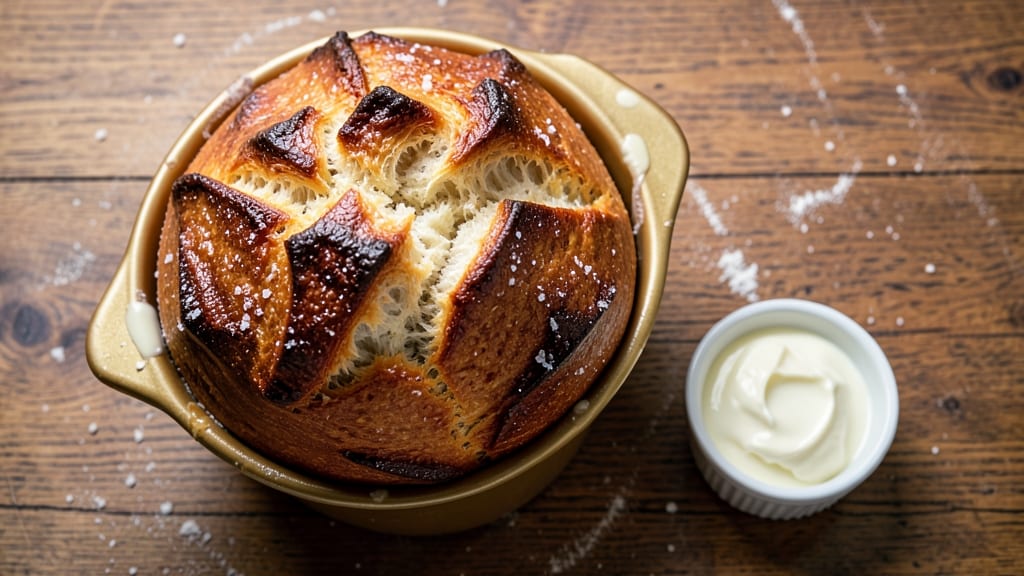
A 750g bread machine recipe delivers the perfect balance of a crispy, golden crust and a soft, airy interior—no kneading or baking expertise required. This method transforms simple ingredients into a loaf that rivals artisanal bread, all while letting your machine do the heavy lifting.
The secret lies in precise ingredient ratios and the right cycle settings, ensuring consistent results every time.
The beauty of this recipe is its adaptability—whether you're using all-purpose flour for a classic loaf or experimenting with whole wheat for a nuttier flavor. With just 15 minutes of prep and a 3-hour cycle, you'll have a warm, fragrant loaf ready to slice.
The bread machine handles the kneading, rising, and baking, so you can focus on shaping the dough or adding optional seeds and herbs for extra texture.
What sets this recipe apart is the crusty crown that forms naturally, thanks to a light spray of water before the final baking stage. The result is a loaf with a satisfying crunch on the outside and a tender, pillowy crumb inside—ideal for sandwiches, toast, or serving alongside soups.
No more guessing about oven temperatures or proofing times; the machine does all the work.
Perfect for beginners or busy home cooks, this recipe scales effortlessly and stores well for up to 5 days at room temperature. Whether you're baking for a family dinner or meal prepping for the week, this foolproof method ensures a delicious loaf every time. Let’s get started!
Ingredients for 750g bread machine
Sixteen ingredients transform into a loaf with artisanal perfection using your bread machine's precision.
| Ingredient | Amount | Notes |
|---|---|---|
| All-Purpose Flour 🌾 | 5 cups | Sifted for even texture |
| Active Dry Yeast 🍞 | 2 ¼ tsp | Ensure freshness with expiration date |
| Granulated Sugar 🍚 | ¼ cup | White or brown preferred |
| Salt 🧂 | 1 ½ tsp | Diamond Crystal preferred |
| Unsalted Butter 🧈 | ¼ cup | Softened to room temperature |
| Whole Milk 🥛 | ¾ cup | Room temperature for best activation |
| Large Egg 🥚 | 1 whole | Room temperature for even mixing |
| Olive Oil 🫒 | 1 tbsp | Extra-virgin for richness |
| Sesame Seeds 🌻 | 1 tbsp | Optional for topping |
| Water 💧 | ¼ cup | Room temperature |
The all-purpose flour is the foundation—King Arthur or Gold Medal brands yield the best texture. Yeast is non-negotiable here; Fleischmann's or Red Star are reliable choices, but always check the expiration date. The butter should be softened to room temperature for even incorporation, and Land O'Lakes or Plugrá are consistent options. For the milk, whole milk provides the best flavor, though 2% works in a pinch. The egg adds structure, so use room-temperature eggs for seamless mixing. Olive oil enhances flavor and improves the crust's sheen—California Olive Ranch is a trusted brand for quality.
No sesame seeds? Poppy seeds or sunflower seeds work equally well for texture. Substitute brown sugar for white if you prefer a caramel note, though it may darken the crust slightly. For a dairy-free option, replace the milk with unsweetened almond milk and the butter with vegan butter. If you lack a bread machine, a stand mixer with a dough hook can handle the kneading, though the crust may lack the same crispness. The water should be room temperature to avoid shocking the yeast—filtered water is ideal if your tap water is heavily chlorinated. For a whole wheat variation, replace up to 2 cups of all-purpose flour with whole wheat flour, though the texture will be denser.
Store the loaf in a bread bag or airtight container at room temperature for up to 5 days to maintain freshness. For longer storage, slice and freeze portions for up to 3 months. Reheat slices in a toaster or oven for the best texture. The dough can be prepared ahead and refrigerated for up to 24 hours before the bread machine cycle, though it may require an additional kneading cycle. For a softer loaf, brush the crust with melted butter after baking. The crusty crown technique—spraying water before the final baking stage—is key to achieving that restaurant-quality crunch.
Why You'll Love This Recipe
- No-Fuss Setup: The bread machine does all the heavy lifting—just toss in the flour, yeast, sugar, and butter, then walk away. No kneading, no guesswork, just pure hands-off magic while you sip coffee or answer emails.
- Buttery Crust, Soft Core: That little pat of unsalted butter in the dough? Chef’s kiss. It delivers a golden crust with a tender crumb inside—like a bakery loaf without the fuss. Honestly, my kids now think it’s “fancy bread” (they don’t know it’s from a machine).
- All-Day Snack Machine: Slice it for toast in the morning, pack it for lunches, or serve it warm with soup—this loaf lasts days without getting stale. Between us, I’ve had it for breakfast, dinner, and midnight cravings. It’s that good.
- Budget Loaf Wins: Five basic ingredients, zero specialty items, and it costs pennies per serving. You could spend that on delivery or a sad store-bought loaf—but why? This is the kind of bread that makes grocery money stretch.
Step-by-step instructions for perfect bread machine loaves
This method transforms simple ingredients into artisanal-quality bread with a crisp crust and airy interior.
Combine Wet Ingredients for Optimal Texture
In a medium bowl, whisk together the 0.75 cup whole milk, 1 whole large egg, 0.25 cup granulated sugar, 1 tbsp olive oil, and 0.25 cup water until fully emulsified. The mixture should be smooth with no visible streaks of egg or oil. This pre-mixing ensures even distribution of fats and liquids throughout the dough, preventing dense pockets.
Next, add the 0.25 cup softened unsalted butter to the wet mixture and stir until completely melted and incorporated. The butter should blend seamlessly without any visible lumps. This step creates the rich, tender crumb characteristic of this recipe. Keep this mixture at room temperature while you prepare the dry ingredients.
Mix Dry Ingredients Precisely
In a separate large bowl, sift together the 5 cups all-purpose flour and 1.5 tsp salt to aerate the flour and eliminate any potential lumps. This sifting process is crucial for achieving that signature pillowy crumb texture. Add the 2.25 tsp active dry yeast to the flour mixture and stir gently to distribute it evenly.
I recommend using a whisk for this step to prevent overmixing which can develop gluten prematurely. The yeast should be completely incorporated into the flour but not activated yet. This dry mixture will create the structural framework for your bread's texture.
Prepare the Bread Machine Pan
Lightly grease your bread machine pan with olive oil or line it with a silicone baking mat. This prevents the dough from sticking during the kneading and baking process. I find that a well-greased pan produces a more uniform loaf with fewer tears in the crust.
Add the wet ingredients mixture to the dry ingredients and stir with a wooden spoon until just combined. The dough will be shaggy at this stage, which is normal. Avoid overmixing as this can lead to a tougher crumb. Transfer the dough to the prepared bread machine pan.
Set Bread Machine Parameters
Select the "Basic White Bread" setting on your bread machine and input the weight of your dough (approximately 750g). Most machines have a scale built-in for this purpose. Set the machine to begin the cycle immediately.
During the kneading process, which typically lasts about 5-10 minutes, you'll notice the dough transform from shaggy to smooth and elastic. The machine will automatically add any additional water needed for proper hydration. The dough should be slightly tacky but not sticky when you perform the "windowpane test" - if you stretch a small piece of dough between your fingers and it forms a thin membrane without tearing, it's ready.
Bake to Golden Perfection
Once the kneading cycle completes, the machine will automatically transition to the baking phase. This typically takes about 1 hour 20 minutes at 350°F. The bread is done when the internal temperature reaches 190-210°F and the crust develops a deep golden brown color.
Immediately after the baking cycle completes, remove the bread from the pan and place it on a wire rack. For that signature crusty exterior, I recommend brushing the top with a mixture of 1 tbsp olive oil and 1 tbsp water while it's still warm. Sprinkle with 1 tbsp sesame seeds if desired, pressing them gently into the surface. Allow the bread to cool completely before slicing to ensure clean cuts and prevent gumminess.
Pro Tips For Making 750g Bread Machine
- WEIGH THE FLOUR: I learned this the hard way—using cups for 750g of flour means you’re probably off by 30-50g, and that throws off the yeast’s balance. Grab a kitchen scale and measure flour by weight; the bread will rise more evenly and stay lighter.
- SOFTEN THE BUTTER FIRST: Cold butter cubes from the fridge won’t mix properly in the bread machine, leaving you with dense pockets instead of that tender crumb. Microwave the butter for 10-15 seconds until just soft (it should dent when pressed), then cut into small pieces—this ensures even distribution without melting into a greasy mess.
- SALT THE WATER: Skip adding salt directly to the flour mix—it can slow yeast activity unevenly. Instead, dissolve the salt in the water first, then mix it with the flour. This guarantees consistent flavor and prevents dry spots in the dough.
- USE A LIGHT TOUCH: Resist the urge to punch down or fold the dough after the first knead cycle. Bread machines handle mixing better when left alone; overworking it makes the gluten too tight, leading to a dense loaf. Just let it knead fully, then shape it gently before baking.
Perfect pairings for this 750g bread machine
Classic Spreads
Nothing complements this bread like a generous layer of creamy butter or garlic-herb butter—I love using Land O'Lakes unsalted butter softened to room temperature. For extra flavor, mix in 1 tsp minced garlic, 1 tbsp chopped fresh parsley, and a pinch of salt.
Spread on warm slices for a restaurant-worthy touch. A drizzle of honey or fig jam adds natural sweetness that pairs beautifully with the bread's crusty exterior. 🍯
Soup Companions
This loaf shines alongside hearty soups like tomato basil or creamy potato leek. I recommend a roasted garlic soup with a swirl of crème fraîche—the bread's pillowy crumb soaks up every drop.
For a lighter option, try a chilled cucumber-dill soup where the bread's crust adds satisfying texture contrast. Always serve soups with warm bread to enhance the dining experience.
Cheese Pairings
For a cheese board, pair slices with aged cheddar, brie, and sharp gouda. I prefer Cabot Clothbound Cheddar for its nutty depth and President Brie for its creamy texture. Add cured meats like prosciutto or salami for a balanced flavor profile.
The bread's mild sweetness balances the saltiness of the cheeses beautifully. Arrange everything on a wooden board for an elegant presentation. 🧀
Breakfast Pairings
Transform your morning routine by serving slices with scrambled eggs or avocado toast. Top the bread with mashed avocado, a sprinkle of red pepper flakes, and everything bagel seasoning.
For a sweeter breakfast, try peanut butter and banana or Nutella with a sprinkle of crushed walnuts. The bread's rich texture holds up perfectly to these toppings without becoming soggy. 🍌
Dinner Sides
This bread pairs wonderfully with roasted vegetables like carrots, Brussels sprouts, and sweet potatoes. The crusty exterior helps cut through rich sauces, making it ideal for beef bourguignon or mushroom risotto.
For a lighter dinner, serve with a caprese salad—the bread's mild flavor won't overpower the fresh mozzarella and tomatoes. Always keep the bread at room temperature for the best texture contrast.
Beverage Pairings
Complement your meal with iced tea or sparkling lemonade to cleanse the palate between bites. For a more robust pairing, try a dry white wine like Sauvignon Blanc or a light red such as Pinot Noir.
If you prefer beer, a crisp lager or wheat ale balances the bread's richness without competing. Keep beverages chilled for the best experience. 🍷
Nutrition facts
Frequently asked questions
Can I substitute whole wheat flour for all-purpose in this recipe?
You can replace up to 2 cups of all-purpose flour with whole wheat flour, but expect a denser texture. For best results, reduce the water by 1-2 tablespoons since whole wheat absorbs more liquid. The crust may darken slightly, but the flavor will be nuttier and more complex.
Why did my bread come out gummy instead of crusty?
A gummy texture usually means the dough was overhydrated or didn't bake long enough. Double-check your water measurement—stick to the 0.25 cup called for. Also, ensure your bread machine's internal temperature reaches 190-210°F before removing the loaf. For extra crust, spray the top with water during the final 10 minutes of baking.
How do I adjust this recipe for a smaller bread machine?
If your machine holds less than 750g, reduce all ingredients proportionally. For example, scale down the flour to 4 cups and the yeast to 2 tsp. Keep the same ratios for wet ingredients (e.g., 0.6 cup milk, 1 tbsp olive oil). Smaller machines may need 5-10 minutes less baking time—check at 180°F internal temp.
Can I add dried fruit or nuts to this recipe?
Yes! Add ½ cup raisins, cranberries, or chopped walnuts during the final 5 minutes of kneading. For extra moisture, reduce the water by 1 tbsp if using high-fat add-ins like nuts. Soak dried fruit in warm water for 10 minutes first to prevent dry pockets. The texture will be heartier but still tender.
What's the best way to reheat stale bread?
For crispy crust and soft interior, wrap slices in foil and warm at 350°F for 5-7 minutes. For toast, use a toaster set to medium heat—2-3 minutes per side. Avoid microwaving; it makes bread gummy. Store leftovers in a bread bag at room temp for 3-4 days to slow staling.