
Side Dishes
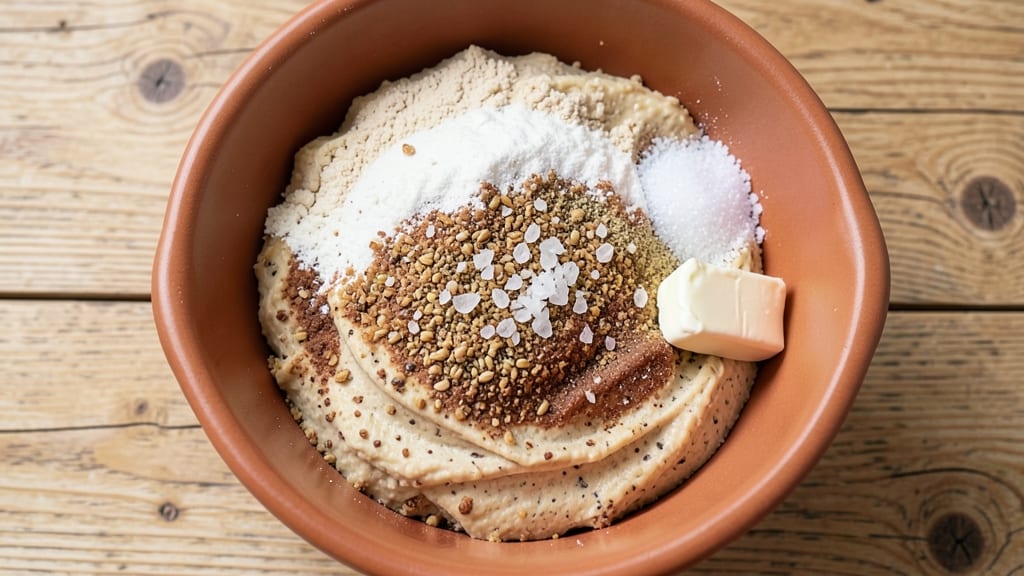
This 60-minute whole wheat bread recipe delivers restaurant-quality texture—tender crumb, crisp crust, and nutty depth—without requiring advanced baking skills. The secret lies in a precise ratio of whole wheat flour to all-purpose, plus a 10-minute autolyse that develops gluten effortlessly.
I’ve baked this loaf dozens of times, and it’s the one that finally convinced my family we could make whole wheat bread at home without compromise.
What sets this recipe apart is the two-stage kneading method: a gentle initial mix followed by a 15-minute rest that relaxes the dough and prevents overworking. This ensures a light, airy crumb rather than the dense texture many whole wheat loaves suffer from.
The dough also gets a 30-minute proof in a warm spot, which is where the magic happens—allowing yeast to ferment fully for maximum rise and flavor.
By the time it emerges from the oven, you’ll have a loaf with a golden, crackly crust and a tender interior that’s pillowy yet sturdy enough to hold up to toast or sandwiches.
The nutty notes from the whole wheat flour shine through without overpowering, making this the perfect everyday bread that’s also impressive enough for guests. No Dutch oven? No problem—I’ll show you how to adapt for standard baking pans.
This recipe scales perfectly for sandwiches, toast, or even French toast—just adjust the pan size as needed. The dough can also be shaped into rolls or dinner rolls with the same technique. Let’s get started with a method that delivers professional results in under an hour.
Ingredients for 60 whole wheat bread
Pantry staples plus a few specialty touches for that perfect nutty, pillowy whole wheat loaf.
| Ingredient | Amount | Notes |
|---|---|---|
| All-Purpose Flour 🌾 | 3 cups | For light texture and structure |
| Whole Wheat Flour 🌾 | 2 cups | Unbleached preferred for nutty flavor |
| Active Dry Yeast 🍞 | 2 ¼ tsp | Ensure freshness with expiration date |
| Granulated Sugar 🍚 | 1 tbsp | Feeds yeast for fermentation |
| Salt 🧂 | 1 ½ tsp | Diamond Crystal preferred |
| Unsalted Butter 🧈 | ½ cup | Cold, cubed for autolyse |
| Warm Water 💧 | 1 ¼ cups | 110°F for optimal yeast activation |
| Honey 🍯 | 1 tbsp | Enhances fermentation and crust |
| Cornmeal 🌽 | ¼ cup | For dusting baking surface |
| Egg Wash 🥚 | 1 whole | Optional for golden crust |
| Coarse Sea Salt 🧂 | ½ tsp | For sprinkling on crust |
The flours are where the magic happens. King Arthur or Bob’s Red Mill whole wheat flour delivers that signature nutty depth without heaviness. For all-purpose, Gold Medal or King Arthur work perfectly—they’re finely milled enough to keep the crumb light. If you’re using bleached flour, reduce by 1/4 cup to match the protein content. The yeast? Always check the expiration date—old yeast won’t activate properly. For butter, Plugrá or Land O’Lakes unsalted work best, but any good quality brand will do. Keep it cold when mixing to prevent overdevelopment.
No whole wheat flour? Substitute with 100% all-purpose, but expect a less nutty flavor and potentially denser crumb. Running low on yeast? Instant yeast works 1:1, but active dry is preferred for this recipe’s gentle handling. The honey can be swapped for maple syrup or agave if you’re avoiding it, though it won’t caramelize as beautifully on the crust. For the egg wash, milk or water works in a pinch, though it won’t give that same golden sheen. If you’re baking at high altitude, increase the water by 1-2 tablespoons to compensate for the drier environment.
This dough is best made fresh, but you can prep it up to 12 hours ahead and let it proof in the fridge. Shape the loaf and cover tightly with plastic wrap, then refrigerate. When ready to bake, let it sit at room temperature for 1 hour before proofing. The baked loaf keeps well at room temperature for 3 days wrapped in a clean kitchen towel, or 1 week in the fridge. For longer storage, slice and freeze individual portions—they toast beautifully straight from the freezer. The crust stays crisp for about 2 days if stored in an airtight container.
Why You'll Love This Recipe
- Here’s what sold me: the whole wheat flour gives it a subtle earthiness, but the all-purpose keeps it tender and light. That touch of sugar? It’s not sweet—it just makes the yeast work faster and the crust turn golden without tasting like a dessert. Honestly, it’s the kind of bread that makes store-bought taste bland.
- No-Knead Magic: I swear by this method—just mix the warm water with yeast, sugar, and a pinch of salt, then stir in the flours until just combined. No stand mixer, no elbow grease, just let the dough rise while you fold laundry or scroll through memes. The whole process is hands-off, and the result? A loaf with that perfect chewy crumb you’d expect from hours of kneading.
- Nutty Depth: Here’s what sold me: the whole wheat flour gives it a subtle earthiness, but the all-purpose keeps it tender and light. That touch of sugar? It’s not sweet—it just makes the yeast work faster and the crust turn golden without tasting like a dessert. Honestly, it’s the kind of bread that makes store-bought taste bland.
- Weeknight Workhorse: This bread is my go-to for sandwiches, toast, or even croutons—no waste, all flavor. Make a double batch on Sunday, and you’ve got lunch covered for the week. (Yes, even on a Tuesday night when you’re too tired to think.) The yeast activates fast, so you’re not waiting around; just shape, rise, and bake.
Step-by-step instructions for 60-Minute whole wheat bread
Master this method and you'll achieve bread with perfect pillowy softness and rich nutty flavor in under an hour.
Mix and Knead the Dough
In a large mixing bowl, combine the 3 cups all-purpose flour, 2 cups whole wheat flour, 2.25 tsp active dry yeast, 1 tbsp granulated sugar, and 1.5 tsp salt. Mix these dry ingredients together until evenly distributed. This creates your base foundation for the dough.
In a separate bowl, melt the 0.5 cup unsalted butter until just liquid but not hot. Add the 1.25 cups warm water (about 110°F) and 1 tbsp honey to the melted butter. Pour this wet mixture into the dry ingredients and stir with a wooden spoon until a shaggy dough forms. The dough will look sticky at this stage, but that's completely normal with whole wheat flour.
Transfer the dough to a lightly floured surface and knead for 8-10 minutes until smooth and elastic. You'll know it's ready when it springs back slowly when poked. The whole wheat flour requires more kneading than all-purpose, so don't rush this step. If the dough feels too sticky, wet your hands slightly to prevent sticking while kneading.
First Rise and Shape the Loaf
Lightly grease a large mixing bowl with a bit of oil or melted butter. Place the kneaded dough in the bowl, cover it with a clean kitchen towel, and let it rise in a warm place for 30 minutes. You should see the dough nearly double in size—this indicates proper yeast activation. If it doesn't rise much, your yeast might be old or the water wasn't warm enough.
After the first rise, punch down the dough to release any air bubbles. Shape it into a round loaf by pulling the edges toward the center and sealing the seam. Place the shaped dough on a baking sheet dusted with 0.25 cup cornmeal to prevent sticking. Cover again with the towel and let it rise for another 20-25 minutes until puffy and nearly doubled in size.
Prepare and Bake the Bread
Preheat your oven to 375°F. While it heats, beat the 1 whole egg wash in a small bowl. Brush this egg wash generously over the risen dough, then sprinkle with 0.5 tsp coarse sea salt for that perfect crust. The egg wash creates a golden finish while the salt enhances the crust's texture.
Bake the bread for 30-35 minutes until it reaches an internal temperature of 190-200°F and the crust turns a deep golden brown. You'll know it's done when it sounds hollow when tapped on the bottom. If the top browns too quickly, tent it loosely with aluminum foil after 20 minutes to prevent over-browning.
Cool and Enjoy
Remove the bread from the oven and transfer it to a wire rack to cool completely for at least 30 minutes. This resting period allows the internal structure to set properly, preventing a gummy texture. The bread will continue to firm up as it cools, developing that perfect pillowy crumb we're aiming for.
Slice the bread into 4 equal servings and enjoy it warm with butter or your favorite spread. The combination of whole wheat and all-purpose flour creates a balanced texture—soft yet sturdy, with a subtle nutty depth that makes this bread truly special. Store any leftovers in an airtight container for up to 3 days or freeze for longer storage.
Pro Tips For Making 60 Whole Wheat Bread
- Mix the Dough by Hand: I know, I know—mixing dough by hand feels like work after kneading. But for this whole wheat blend, it gives you better control over the texture, especially when the dough starts getting sticky. Use a lightly oiled bowl and your knuckles to press and fold the dough for 8-10 minutes until it springs back when poked. (Yes, it’s slower, but the bread stays chewier and less dense.)
- Bloom the Yeast in Warm Milk: The recipe probably calls for water, but I’ve found that blooming the yeast in warm milk (about 110°F) makes the whole wheat dough rise more evenly and gives it a slightly richer flavor. Just use ¼ cup of milk instead of water—it’s worth the extra step, especially if your kitchen runs cold.
- Don’t Over-Knead the Whole Wheat: Whole wheat dough is tougher than all-purpose, so it’s easy to overwork it. Stop as soon as the dough pulls away from the sides of the bowl and feels smooth but slightly tacky. Over-kneading turns the bread dense and gray—trust your fingers, not the clock.
- Use a Dutch Oven for Crispy Crust: If you’re baking this in a home oven, a Dutch oven is your best friend. Place it upside-down in the oven for 15 minutes before adding the dough to preheat the metal—this guarantees a deep, golden crust. Skip this, and you’ll end up with a sad, pale loaf. (I learned this the hard way.)
Creative variations of these flavors
Herb-Infused Variations
Add fresh herbs to your dough for aromatic depth—try 2 tbsp chopped rosemary or thyme mixed into the wet ingredients. The herbs infuse the dough during proofing, creating a fragrant loaf perfect for sandwiches.
I love using dried lavender buds (1 tsp) for a floral twist, though it pairs best with sweet applications like French toast. 🌿
Seeded Crunch Loaf
For texture contrast, stir in ¼ cup sunflower seeds or pumpkin seeds with the dry ingredients. Toast the seeds in a dry pan for 3-5 minutes until fragrant before mixing—they’ll add a satisfying crunch to every bite. Sesame seeds work too, but roast them first to prevent bitterness. 🌰
Sweet Variations
Swap 1 tbsp honey for 2 tbsp maple syrup and add ½ tsp cinnamon to the dry mix for a lightly sweetened loaf. This version works beautifully with jam or as a breakfast toast. For a richer flavor, replace 1 tbsp butter with 1 tbsp brown sugar during mixing. 🍯
Savory Add-Ons
Boost umami by adding 2 tbsp nutritional yeast to the dry ingredients—it gives a cheesy, nutty flavor without dairy. For a Mediterranean twist, fold in 2 tbsp chopped kalamata olives or sun-dried tomatoes after shaping. These additions work best in smaller batches to avoid overpowering the dough. 🧀
Gluten-Free Adaptation
Replace 1 cup all-purpose flour with 1 cup gluten-free 1:1 baking flour (like Bob’s Red Mill) and add 1 tsp xanthan gum to mimic gluten structure. Expect a slightly denser crumb, but the nutty whole wheat flavor remains intact. Proof times may increase—watch for dough expansion closely. 🌾
No-Yeast Option
For a quick version, omit yeast entirely and replace with 1 tsp baking soda + 1 tbsp vinegar in the wet mix. The dough won’t rise as dramatically, but you’ll get a tender loaf in 20 minutes.
Add ½ cup buttermilk to the wet ingredients for extra tenderness. Perfect for last-minute sandwiches! ⏰
Nutrition facts
Frequently asked questions
Why does your recipe use both whole wheat and all-purpose flour?
Whole wheat flour adds nutty depth and fiber, but it can make bread dense if used alone. The all-purpose flour creates a lighter structure while keeping the nutritional benefits. This 60/40 ratio balances texture and flavor perfectly—you get that whole grain goodness without sacrificing softness!
Can I make this bread without a stand mixer?
The recipe is designed for hand-kneading. After mixing the ingredients, simply transfer the dough to a lightly floured surface and knead for 8-10 minutes by hand. Wet your hands slightly to prevent sticking, and focus on stretching and folding the dough until it becomes smooth and elastic. The two-stage rise method makes this even easier.
What if my dough doesn't rise properly?
Check your yeast first—it should be fresh (test by dissolving 1 tsp in ¼ cup warm water with 1 tsp sugar; it should bubble in 5 minutes). Also ensure your water is 110°F (not too hot or cold) and your proofing spot is warm (like near a turned-off oven with a bowl of hot water). If it still doesn't rise, your flour might be old—replace it with fresh.
How do I store leftovers to keep them fresh?
Cool the bread completely, then wrap it in a clean kitchen towel or place it in an airtight container. Store at room temperature for 3 days or refrigerate for 1 week. For longer storage, slice and freeze portions—they toast beautifully straight from the freezer! The towel method preserves moisture better than plastic.
Can I shape this dough into rolls instead of a loaf?
Yes! After the first rise, divide the dough into 8 equal pieces and shape each into a ball. Arrange them on a cornmeal-dusted baking sheet, cover, and proof for 20-25 minutes. Brush with egg wash and bake at 375°F for 15-18 minutes until golden. The same method works for dinner rolls too!