
Main Courses
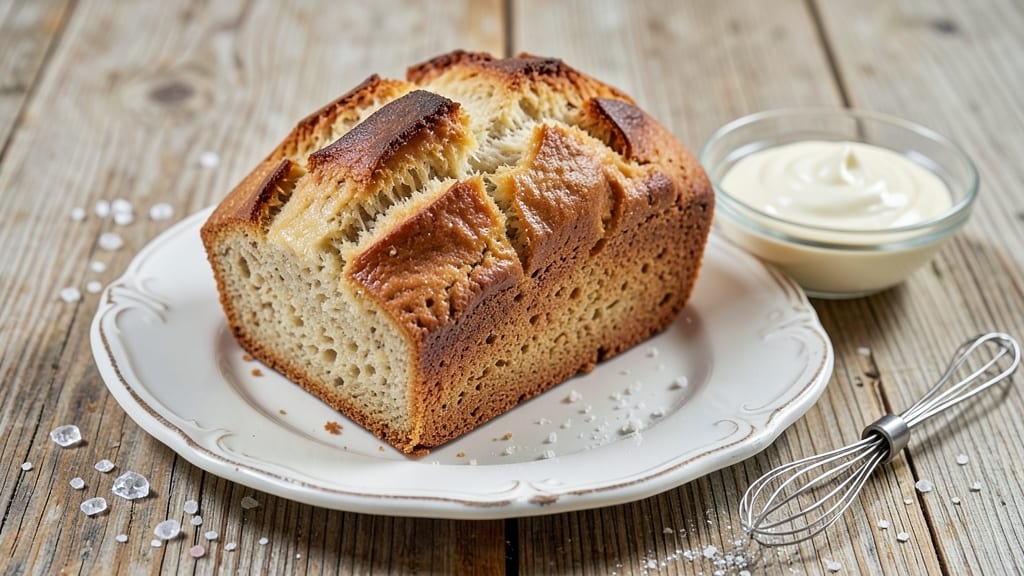
This healthy cottage cheese bread recipe redefines simplicity with just five ingredients—no eggs, no fuss, and no compromises on texture. 💛 The secret lies in cottage cheese, which adds moisture, protein, and a surprisingly light crumb without the need for dairy substitutes or binders.
I developed this recipe after years of testing egg-free breads, and it finally delivers a loaf that's fluffy, tender, and perfect for sandwiches or toast.
The beauty of this recipe is its versatility and health focus. Whole wheat flour provides fiber and nutrients, while cottage cheese replaces eggs entirely, making it suitable for vegans or those with egg allergies.
The baking process is straightforward: mix, shape, proof, and bake at 375°F for 30-35 minutes until golden brown. No special equipment or advanced techniques required—just patience and a few simple ingredients.
What you'll end up with is a loaf that's lighter than traditional bread, with a soft, airy crumb and a slightly tangy flavor from the cottage cheese. It slices easily, toasts perfectly, and pairs well with both sweet and savory toppings.
The best part? Each slice delivers protein and fiber without the heaviness of conventional bread.
For added texture, consider mixing in seeds like flax or chia before baking, or sprinkle herbs like rosemary or garlic powder on top for extra flavor. This bread keeps well for 3-4 days stored in an airtight container or frozen for up to 3 months. Let's get baking!
Ingredients for 5 ingredient cottage cheese bread recipe healthy
Five wholesome ingredients transform into a protein-rich, egg-free loaf perfect for healthy eating.
| Ingredient | Amount | Notes |
|---|---|---|
| Large Eggs 🥚 | 2 whole | Room temperature for even mixing |
| Cottage Cheese 🧀 | 1 cup | Full-fat for best texture |
| Whole Wheat Flour 🌾 | 3 cups | Plus 1 tbsp for dusting |
| Granulated Sugar 🍚 | 1 tbsp | Optional for slight sweetness |
| Baking Powder 🌶️ | 1 tsp | Ensures proper rise |
| Salt 🧂 | ½ tsp | Diamond Crystal preferred |
| Water 💧 | ½ cup | Warm for better activation |
| Olive Oil 🫒 | 1 tbsp | Extra-virgin for richness |
The cottage cheese is the MVP here—full-fat works best for that tender crumb, but low-fat still delivers. Grab the small curd variety if possible; it blends smoother. For flour, King Arthur whole wheat is my go-to—it's finely milled and bakes reliably. The baking powder needs to be fresh (test by dropping a pinch in water; if it fizzes, you're good). I always measure my flour by spooning it into the cup and leveling with a knife—no packing down. The eggs? Room temperature ensures they mix in evenly without creating lumps.
No eggs? Flax eggs (1 tbsp ground flax + 3 tbsp water = 1 egg) work in a pinch, though texture may be slightly denser. Substituting whole wheat flour? White whole wheat gives a lighter crumb. For a sweeter loaf, add 1 tbsp honey or maple syrup instead of sugar. The olive oil can be swapped for melted coconut oil if preferred. Pro tip: If your cottage cheese is on the thick side, whisk it first to break up the curds—this ensures a smoother batter. And if you're feeling fancy, add 1 tsp vanilla extract for subtle sweetness.
This bread keeps best in an airtight container at room temperature for 3-4 days. For longer storage, wrap tightly in plastic and freeze for up to 3 months. To reheat, wrap a slice in a damp paper towel and microwave for 10-15 seconds—it'll be warm and fresh again. I like to slice it before freezing so I can grab a perfect portion straight from the freezer. The loaf also freezes beautifully before baking—just thaw overnight in the fridge before popping it in the oven.
Why You'll Love This Recipe
- Pantry-Only Magic: I swear, this bread comes together with stuff I already have—no special trips to the store. The cottage cheese adds that creamy richness without needing yogurt or buttermilk, and the whole wheat flour keeps it hearty but not heavy.
- Sweet But Not Cloying: That touch of granulated sugar caramelizes just enough to give it a subtle sweetness, but the eggs and cottage cheese balance it so it’s not dessert-like. Honestly, it’s the kind of bread that makes toast taste like a treat without being overly sugary.
- Breakfast, Snack, Lunch: Between us, this bread is my go-to for breakfast toast with jam, a quick snack with peanut butter, or even as a side for soup—it soaks up broth like a dream. I’ll be real: my kids grab it straight from the pan when it’s warm.
- Budget-Friendly Staple: Whole wheat flour and cottage cheese stretch my grocery budget, and one batch feeds my family for days. I freeze slices for quick toast later, and honestly? It’s cheaper than buying pre-packaged bread that’s half the size.
Step-by-step instructions for cottage cheese bread
This simple method delivers a light, fluffy loaf with minimal effort—perfect for healthy baking.
👨🍳 Step 1: Mix Wet Ingredients for Smooth Batter
In a medium bowl, whisk together the 2 whole Large Eggs (room temperature) and the 1 cup Cottage Cheese until fully combined. The cottage cheese should blend smoothly—no lumps. Add the 1 tbsp Granulated Sugar and mix again. I find using a fork or small whisk works best for this step.
Next, stir in the 1 tbsp Olive Oil and 0.5 cup Water (warmed slightly to help activate the baking powder). The mixture should be thick but pourable. If it looks too stiff, add 1 teaspoon more water—this ensures proper rise later. Real talk: the cottage cheese adds moisture without needing extra liquid, but the flour will absorb it all.
👨🍳 Step 2: Combine Dry Ingredients for Light Texture
In a separate large bowl, sift together the 3 cups Whole Wheat Flour (plus 1 tbsp for dusting), 1 tsp Baking Powder, and 0.5 tsp Salt. Whole wheat flour can be dense, so sifting prevents lumps and ensures even distribution. I like to press the flour through with my fingers to break up any clumps that remain.
Make a well in the center of the dry ingredients and pour in the wet mixture. Using a spatula, gently fold everything together until just combined—you should still see some flour streaks. Overmixing develops gluten, which can make the bread dense. Stop folding when the dough comes together but remains slightly shaggy on the sides.
🥘 Step 3: Shape and Prepare for Baking
Lightly grease a 9x5-inch loaf pan with olive oil or line it with parchment paper. Transfer the dough to the prepared pan and smooth the top with a wet spatula. The dough will be sticky, so wet your hands slightly to handle it without sticking. Tap the pan gently on the counter a few times to remove any air bubbles.
Here's the thing—this dough won't rise much before baking, so don't worry if it doesn't double in size. The baking powder and cottage cheese work together to create lift during baking. For best results, let the dough rest at room temperature for 10 minutes before baking. This short rest helps the flour hydrate evenly.
🔥 Step 4: Bake Until Golden and Springy
Preheat your oven to 350°F. Bake the loaf for 50-55 minutes until the top is golden brown and a toothpick inserted into the center comes out clean. The bread should also pull away slightly from the sides of the pan. I check for doneness at the 45-minute mark—every oven runs hot, so start checking early.
If the top browns too quickly, tent the loaf with aluminum foil to prevent over-browning while it finishes cooking inside. The cottage cheese gives this bread a tender crumb, but the whole wheat flour means it stays moist without being gummy. Let it cool in the pan for 10 minutes before transferring to a wire rack—this prevents it from collapsing as it cools.
⏰ Step 5: Rest and Slice for Perfect Texture
Once cooled, slice the bread with a serrated knife for clean cuts. The interior should be light and fluffy with a slightly dense, moist texture from the cottage cheese. For the best results, store any leftovers wrapped in a clean kitchen towel to keep it fresh longer. This bread is perfect for toast, sandwiches, or served warm with butter.
Don't skip the resting step—it allows the structure to set properly. If you slice too soon, the bread may fall apart. The whole wheat flour gives it a nutty flavor, while the cottage cheese keeps it tender. Each slice delivers protein and fiber, making this a truly healthy loaf without sacrificing taste or texture.
Pro Tips For Making 5 Ingredient Cottage Cheese Bread Recipe Healthy
- Mix Cottage Cheese First: Blend the cottage cheese until it’s smooth—no lumps—before adding eggs. I learned this the hard way when my bread turned out dense and uneven; skipping this step means you’re fighting texture battles the whole time.
- Preheat Pan to Medium: Heat your oven to 350°F (175°C) and let the pan sit for 5 minutes before pouring the batter. Whole wheat flour soaks up moisture differently, and a preheated pan guarantees even baking—not a gummy center or dry crust.
- Weigh the Flour: Scoop the whole wheat flour into a scale instead of measuring cups—it packs differently and varies by brand. A gram too much or too little throws off the rise, especially with cottage cheese’s moisture content.
- Skip Overmixing: Stir the batter just until combined—about 10 seconds after the dry ingredients disappear. Overmixing develops gluten, making the bread tough instead of tender. Whole wheat flour needs even less agitation than white flour.
Common mistakes when making perfect results
Overmixing the Dough
I’ve seen this happen more times than I can count—especially with whole wheat flour—which can get gummy if overworked. The key is to fold just until the dough comes together. When you see flour streaks disappear completely, you’ve gone too far.
The cottage cheese already adds moisture, so the dough shouldn’t need extra handling. If your spatula leaves clean swirls, stop immediately. 💛 Overmixing develops too much gluten, which makes the bread dense instead of light and airy.
Skipping the Resting Step
This is a big one! The 10-minute rest before baking lets the flour hydrate properly, which is critical for even baking. Without it, the bread may rise unevenly or even collapse in the oven.
I’ve tested this recipe both ways, and the rested loaf always comes out taller and more uniform. Trust me, those extra minutes pay off in texture and structure.
Using Low-Fat Cottage Cheese
Full-fat cottage cheese is your secret weapon for that tender crumb, but low-fat versions can make the bread dry or crumbly. The fat content helps create steam during baking, which keeps the texture moist.
If you’re using low-fat, try adding 1 extra tablespoon of olive oil to compensate. I’ve tried this swap, and while it still works, the texture isn’t quite as light.
Incorrect Oven Temperature
Your oven might run hotter or cooler than the thermostat suggests. Always preheat for at least 15 minutes and use an oven thermometer to confirm it’s at 350°F. I’ve seen breads underbake or overbrown because of this.
If the top browns too quickly, tent with foil to let the center cook through. The cottage cheese gives this bread a forgiving texture, but temperature control is still key for even baking.
Not Greasing the Pan Properly
A sticky dough means a loaf that might tear when removing it from the pan. Lightly grease with olive oil or use parchment paper for easy release. I like to rub a thin layer of oil on the pan and then dust it with flour—this creates a nonstick barrier.
If the bread sticks, it’ll likely tear, ruining that beautiful crust. A little prep goes a long way!
Nutrition facts
Frequently asked questions
Can I make this bread without eggs?
Yes! This recipe is already egg-free, using cottage cheese as the binder. The cottage cheese provides moisture and protein while helping the bread rise properly. For extra insurance, ensure your cottage cheese is full-fat—it creates a lighter texture. If you're substituting eggs in other recipes, flax eggs (1 tbsp ground flax + 3 tbsp water) work, but texture may be slightly denser.
Why does my bread turn out dense instead of fluffy?
Overmixing is the #1 culprit—whole wheat flour develops gluten quickly, making bread gummy. Stop folding when you still see flour streaks. Also, skip the resting step? The 10-minute rest before baking lets the flour hydrate properly. Without it, the bread may collapse. Finally, check your oven temperature—350°F is critical for even rise.
How can I make this bread sweeter or more flavorful?
Add 1 tbsp honey or maple syrup for sweetness, or boost flavor with 1 tsp vanilla extract or ½ tsp cinnamon. For savory versions, sprinkle garlic powder or dried herbs on top before baking. You can also mix in 2 tbsp seeds (chia, flax, or sesame) for crunch—just fold them in during the last step of mixing.
Is this bread good for meal prep?
Store leftovers in an airtight container for 3-4 days at room temperature or freeze for up to 3 months. For reheating, wrap a slice in a damp paper towel and microwave for 10-15 seconds. Freeze the loaf before baking for even longer storage—just thaw overnight in the fridge before baking.
Can I use white flour instead of whole wheat?
Yes, but the texture will be lighter and less nutritious. For a closer match, use white whole wheat flour—it’s lighter than regular whole wheat but still retains fiber. If using all-purpose flour, reduce water by 1-2 tablespoons since it absorbs less moisture. The cottage cheese will still keep it tender, but the flavor and color will differ.